As parents age, Malaysia must plan for neurodivergent adults too, says Nancy Shukri南希·舒克里表示,随着父母年龄增长,马来西亚也必须为神经多样性成年人做好准备。
KUALA LUMPUR, Sept 22 — Planning for neurodivergent individuals must extend beyond childhood intervention to cover their needs throughout their lifespan, particularly as their...
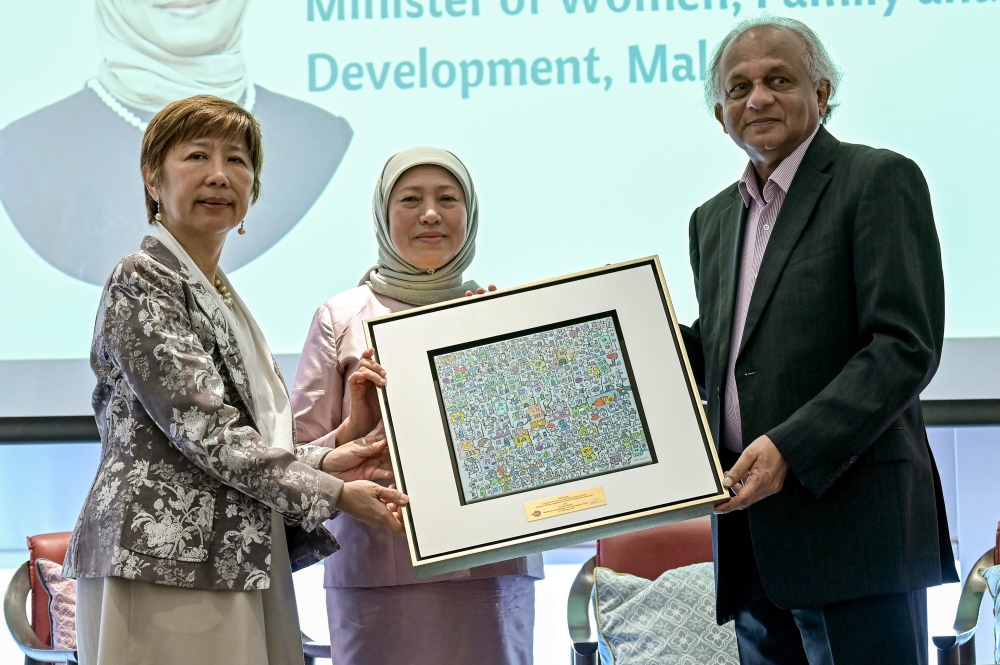
In a recent forum in Kuala Lumpur, Women, Family and Community Development Minister Datuk Seri Nancy Shukri emphasized the importance of expanding care for neurodivergent individuals beyond childhood intervention, addressing their lifelong needs as Malaysia rapidly approaches an ageing society.
This approach necessitates shared responsibility across families, communities, and governmental bodies, encompassing specialised care, inclusive environments, and social integration aligned with national action plans.
Additionally, experts highlighted the need for comprehensive data and better-trained caregivers to effectively address the evolving requirements of neurodivergent individuals and their ageing caregivers.
The forum gathered stakeholders to discuss these challenges and priorities for future planning.
KUALA LUMPUR, Sept 22 — Planning for neurodivergent individuals must extend beyond childhood intervention to cover their needs throughout their lifespan, particularly as their parents and caregivers grow older.
Women, Family and Community Development Minister Datuk Seri Nancy Shukri said this was increasingly important as neurodivergent individuals were living longer and Malaysia was rapidly transitioning towards an ageing society, with those aged 60 and above expected to make up 15 per cent of the population by 2036.
“Today, we are confronting two realities at the same time. Firstly, as healthcare and living conditions improve, neurodivergent individuals are living longer, fuller lives and secondly, Malaysia is rapidly transitioning towards an aged nation status, with citizens aged 60 and above expected to reach 15 per cent of our population by 2036,” she said in her speech at the “The Next Chapter: Planning for Neurodivergent Lives and Ageing Families” forum here today.
She said disability planning had traditionally focused on early intervention and childhood development, but this needed to be expanded to address the long-term needs of neurodivergent individuals and ageing caregivers.
“Care cannot continue to be treated as an invisible responsibility carried primarily by families, and often by women, without adequate support. It must be recognised as a shared responsibility across families, communities, Government and the wider care ecosystem,” she said.
Nancy said this included specialised care, living arrangements, financial planning, adult support programmes, inclusive environments and social integration, with efforts aligned with the National Plan of Action for Persons with Disabilities 2026-2030, National Plan of Action for Older Persons 2026-2030 and Malaysia Care Strategic Framework and Action Plan 2026-2030.
Meanwhile, Malaysian Healthy Ageing Society (MHAS) president Prof V. Nathan said Malaysia needed comprehensive national information on autistic children, adults and older people to better understand their needs as the population aged.
He said services should move beyond childhood-focused interventions to address access to healthcare, sensory-unfriendly environments, loneliness, mobility difficulties and caregiver stress, while involving neurodivergent people in identifying needs, setting priorities and designing services.
Oasis Place founder Dr Choy Sook Kuen said Malaysia also needed more qualified healthcare and allied health professionals and better-trained family caregivers, including parents, siblings, spouses and other caregivers who provide day-to-day support.
The forum, organised by MHAS in collaboration with Oasis Place, brought together healthcare and social-care professionals, caregivers, advocates and other stakeholders to discuss the long-term needs of neurodivergent adults and families providing lifelong care. — Bernama
Melaka heads for polls as CM Rauf Yusoh confirms assembly set for dissolution tomorrow
Three actors out on bail as police hunt uploader of viral Rukun Negara clip from 2018
Melaka heads for polls? CM Ab Rauf set to make big announcement today
Malaysia’s research has potential, now it needs to leave the lab, says higher education minister
No drug arrests for a week? Kelantan police chief says two station heads get reprimand letters
Finance pros cannot escape geopolitics in a changing world, says deputy finance minister
在最近于吉隆坡举行的一次论坛上,妇女、家庭及社区发展部长拿督斯里南希·舒克里强调,随着马来西亚迅速迈入老龄化社会,必须将对神经多样性人士的关怀范围扩大到儿童干预之外,以满足他们的终身需求。
这种方法需要家庭、社区和政府机构共同承担责任,包括提供专门护理、营造包容性环境以及促进社会融合,并与国家行动计划保持一致。
此外,专家们强调,需要全面的数据和训练有素的护理人员,才能有效应对神经多样性个体及其年迈护理人员不断变化的需求。
论坛汇聚了各利益相关方,共同探讨这些挑战以及未来规划的优先事项。
吉隆坡,9月22日讯——针对神经多样性人士的规划必须超越儿童时期的干预,以满足他们一生的需求,尤其是在他们的父母和照顾者逐渐老去之后。
妇女、家庭及社区发展部长拿督斯里南希·舒克里表示,随着神经多样性人群寿命延长,马来西亚正迅速迈向老龄化社会,预计到 2036 年,60 岁及以上人口将占总人口的 15%,因此这项工作变得越来越重要。
“今天,我们同时面临两种现实。首先,随着医疗保健和生活条件的改善,神经多样性人群的寿命更长,生活也更充实;其次,马来西亚正在迅速向老龄化国家转型,预计到2036年,60岁及以上公民将占总人口的15%。”她在今天于此举行的“下一个篇章:规划神经多样性人群的生活和老龄化家庭”论坛上发表讲话时说道。
她表示,残疾规划传统上侧重于早期干预和儿童发展,但需要扩大范围,以满足神经多样性人士和老年护理人员的长期需求。
她表示:“不能再将照护视为主要由家庭(通常是女性)承担的隐形责任,而缺乏足够的支援。必须认识到,照护是家庭、社区、政府和更广泛的照护体系共同承担的责任。”
南希表示,这包括专门的护理、生活安排、财务规划、成人支持计划、包容性环境和社会融合,其努力与《2026-2030 年残疾人国家行动计划》、《2026-2030 年老年人国家行动计划》和《2026-2030 年马来西亚护理战略框架和行动计划》保持一致。
与此同时,马来西亚健康老龄化协会(MHAS)主席V. Nathan教授表示,随着人口老龄化,马来西亚需要全面掌握自闭症儿童、成人和老年人的国家信息,以便更好地了解他们的需求。
他表示,服务应该超越以儿童为中心的干预措施,解决获得医疗保健、感官不友好环境、孤独、行动困难和照顾者压力等问题,同时让神经多样性人群参与确定需求、设定优先事项和设计服务。
Oasis Place 创始人蔡淑娟博士表示,马来西亚也需要更多合格的医疗保健和辅助医疗专业人员以及训练有素的家庭护理人员,包括父母、兄弟姐妹、配偶和其他提供日常支持的护理人员。
此次论坛由马来西亚心理健康与成瘾服务部(MHAS)与绿洲之家(Oasis Place)联合举办,汇聚了医疗保健和社会护理专业人士、护理人员、倡导者及其他利益相关者,共同探讨神经多样性成人及其家庭的长期需求,以及他们如何提供终身护理。——马来西亚国家通讯社(Bernama)
马六甲即将举行选举,首席部长拉乌夫·尤索夫确认州议会将于明日解散。
三名演员获准保释,警方正在追捕2018年疯传的《国家原则》视频上传者。
马六甲即将举行选举?首席部长阿卜杜勒·拉乌夫今日将宣布重大消息
马来西亚高等教育部长表示,马来西亚的研究很有潜力,现在需要走出实验室。
一周内未逮捕任何毒品嫌疑人?吉兰丹州警察局长称两名警局局长收到训诫信
财政部副部长表示,在瞬息万变的世界中,金融专业人士无法摆脱地缘政治的影响。