‘Left-field’ life: Briton becomes Thailand’s top foreign monk“另类”人生:英国人成为泰国最高外籍僧侣
BANGKOK, Sept 24 — From a working-class childhood on the southern English coast to the top foreign-born monk in Thailand, Shaun Chiverton’s quest for a better life has taken...
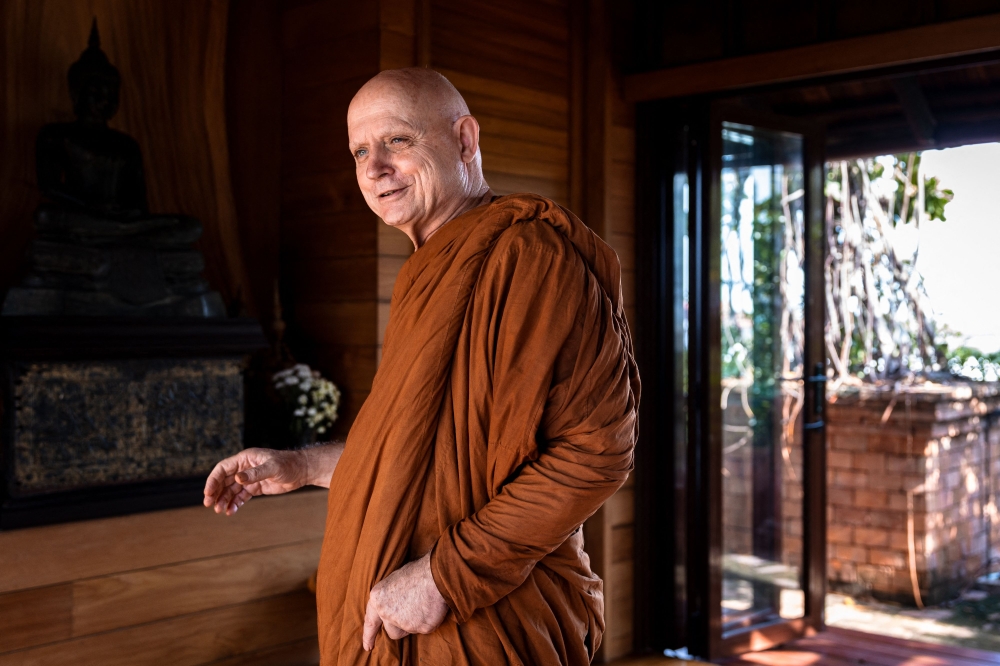
Shaun Chiverton, now Ajahn Jayasaro, became the first non-Thai to be elevated to the royal monastic leader rank in Thailand after following Buddhist teachings for decades.
Jayasaro, who joined the austere forest monks of Theravada Buddhism, was granted Thai citizenship in 2020 and emphasises kindness and compassion in his teachings.
He aims to bridge traditional Buddhist teachings with modern challenges, creating a TV series to share these insights and highlighting the need for inclusive practices for women in Buddhism.
BANGKOK, Sept 24 — From a working-class childhood on the southern English coast to the top foreign-born monk in Thailand, Shaun Chiverton’s quest for a better life has taken him further than most.
Five decades after he travelled to India to follow the Buddha’s teachings, the 68-year-old this summer became the first non-Thai to be elevated to the rank of Somdet Phra Rachakhana, or royal monastic leader — the second-highest level in Thailand’s monkhood.
“My father said, ‘Well, we always knew he’d do something weird, we just didn’t know what kind of weird it would be’,” the monk, now known as Ajahn (Teacher) Jayasaro, told AFP with a smile.
But he understood: “My dad said, ‘Look, I just want you to be happy’.”
He grew up in a secular family on the Isle of Wight, a bookish child in a small town who from his teens was driven by some big questions.
“One was, what’s the best way to live your life as a human being?” Jayasaro said in a recent interview at a retreat centre near Bangkok.
“And second, given that there’s so much suffering and injustice and violence in the world, could the world be better than it is?”
Jayasaro became interested in Buddhism and set off for India, travelling around the region before settling in Thailand, where he became a monk.
After previously feeling like “a kind of freak”, he said he arrived at a monastery in northeast Thailand to find “everybody more or less shares the same views and aspirations — it’s just wonderful”.
‘Completely unqualified’
Jayasaro joined the forest monks of Theravada Buddhism, who lead an austere life of discipline, renunciation and meditation, and has spent much of the past two decades in a hermitage near the Khao Yai mountains.
He has written several books in English and Thai, and holds regular retreats. His YouTube channel has 100,000 subscribers.
He was granted Thai citizenship by royal decree in 2020 and has received numerous royal promotions, culminating in his latest elevation which made him one of just 18 at that rank.
“In many ways I’m completely unqualified,” he said, comparing his “completely left-field” forest life to other senior monks who lead top monasteries.
But his background gives him particular insight, he noted.
“I have a broader knowledge in terms of relating traditional Buddhist teachings to the changing world that we live in,” he said.
He supports the broad ban on female ordinations in Thai Buddhism, but said there should be a way to accommodate women who wanted to study and practice.
“There are women with a genuine spiritual vocation and we need to be able to provide a vehicle and a way for them to live a life,” he said.
Jayasaro’s teachings emphasise the importance of living a good life and letting go of material things and negative habits to develop more “noble” qualities, such as kindness and compassion.
Not all Buddhists adhere to this, and Jayasaro acknowledged “a certain amount of corruption” even within the monkhood, after a series of sex and fraud scandals.
The Buddha lived around 2,500 years ago, but Jayasaro said his teachings offer “timeless” tools to manage the challenges of modern life.
“People are really stressed out these days. There’s an epidemic of depression and anxiety. But these are not new mental states… and there are ways of dealing with them,” he said.
He lamented the rise of “almost manic individualism”, which he linked to mental health issues, particularly among young people.
“Saying that ‘you can be whatever you want to be’ is just really unfair on children,” he said.
“A lot of people wake up when they’re in their 30s or 40s and realise, no, they’re not going to be what they want to be.
“And then where do you go from there?”
The same question can be asked of Jayasaro.
“The classic Buddhist answer would be old age, sickness and death, I think, a very blunt answer,” he said with a laugh.
In fact, his next step is writing a TV series in English for YouTube, focused on an “everyman” figure in the time of the Buddha.
He hopes it will help others benefit from the teachings that have shaped him.
“I just feel an incredibly fortunate human being to have been able to live the life I have,” he said. “I just have a happy life.” — AFP
Mongolian herders enlist new tech against harsher, drier climate
‘See you next time, trainers': Pokémon-loving social media star Avery ‘The Poke Kid’ shares one last TCG pull with followers before his passing at 12 years old (VIDEO)
Bentong ginger, pandan and lemongrass: Malaysian flavours find their way into a gin glass
JPJ denies fake news on Rohingya driving licences, files MCMC report
AGC appeals High Court acquittal of teen in Bandar Utama schoolmate murder case
Azalina: Anti‑Bullying Tribunal resolves five cases with awards, 55 complaints lodged since launch
Shaun Chiverton,现名 Ajahn Jayasaro,在遵循佛教教义数十年后,成为泰国第一位晋升为皇家僧侣领袖的非泰国人。
贾亚萨罗加入了上座部佛教的苦行僧行列,于 2020 年获得泰国国籍,并在其教义中强调仁慈和慈悲。
他旨在将传统的佛教教义与现代挑战联系起来,制作一部电视剧来分享这些见解,并强调佛教中女性包容性实践的必要性。
曼谷,9 月 24 日——肖恩·奇弗顿 (Shaun Chiverton) 从英国南部海岸的工人阶级家庭长大,成为泰国最高级别的外籍僧侣,他对美好生活的追求比大多数人走得更远。
五十年前,他前往印度追随佛陀的教义。今年夏天,这位 68 岁的老人成为第一位晋升为颂德帕拉查卡纳(Somdet Phra Rachakhana,即皇家僧侣领袖)的非泰国人——这是泰国僧侣阶层中的第二高级别。
“我父亲说,‘嗯,我们一直都知道他会做一些奇怪的事情,只是不知道会是什么样的奇怪事情’,”这位现在被称为阿姜(老师)贾亚萨罗的僧侣笑着告诉法新社。
但他理解:“我爸爸说,‘听着,我只希望你快乐。’”
他在怀特岛的一个世俗家庭长大,从小就是个爱读书的小镇居民,十几岁时就开始思考一些重大问题。
“其中一个问题是,作为一个人,最好的生活方式是什么?” Jayasaro 最近在曼谷附近的一个静修中心接受采访时说道。
“其次,鉴于世界上有如此多的苦难、不公正和暴力,世界能否变得更好?”
贾亚萨罗对佛教产生了兴趣,于是前往印度,游历了该地区,最后定居泰国,并在那里成为了一名僧侣。
他之前觉得自己像个“怪胎”,但来到泰国东北部的一座寺庙后,他发现“大家或多或少都有相同的观点和抱负——这真是太棒了”。
“完全不合格”
贾亚萨罗加入了上座部佛教的森林僧侣行列,过着苦行僧般的生活,注重戒律、弃绝世俗和冥想。在过去的二十年里,他大部分时间都住在考艾山附近的一个隐居处。
他用英语和泰语撰写了多部书籍,并定期举办静修活动。他的YouTube频道拥有10万订阅者。
2020 年,他通过皇家法令获得泰国公民身份,并多次获得皇家晋升,最终在最近一次晋升中成为仅有的 18 位达到该级别的人之一。
“在很多方面,我完全不胜任,”他说道,并将自己“完全另类”的森林生活与其他领导顶级寺院的高级僧侣进行了比较。
但他指出,他的背景赋予了他独特的见解。
他说:“我对如何将传统佛教教义与我们所生活的不断变化的世界联系起来有更广泛的了解。”
他支持泰国佛教全面禁止女性出家,但表示应该有办法满足那些想要学习和修行的女性的需求。
他说:“有些女性拥有真正的精神使命感,我们需要为她们提供途径和方法,让她们能够过上这样的生活。”
贾亚萨罗的教义强调过上美好生活的重要性,并摒弃物质享受和不良习惯,以培养更“高尚”的品质,如善良和同情心。
并非所有佛教徒都认同这一点,在发生一系列性丑闻和欺诈丑闻后,贾亚萨罗承认即使在僧侣阶层中也存在“一定程度的腐败”。
佛陀生活在大约 2500 年前,但 Jayasaro 表示,他的教义为应对现代生活的挑战提供了“永恒的”工具。
“现在人们压力真的很大。抑郁症和焦虑症非常普遍。但这些并不是新的心理状态……而且有很多方法可以应对它们,”他说。
他感叹“近乎狂热的个人主义”的兴起,并将之与心理健康问题联系起来,尤其是在年轻人中。
他说:“说‘你可以成为你想成为的任何人’对孩子们来说真的很不公平。”
“很多人到了三四十岁才醒悟过来,意识到自己无法成为自己想成为的人。
“然后你接下来该怎么做呢?”
同样的问题也可以问贾亚萨罗。
“我认为,经典的佛教答案会是衰老、疾病和死亡,这是一个非常直白的答案,”他笑着说。
事实上,他的下一步计划是用英语为 YouTube 创作一部电视剧,讲述佛陀时代一位“普通人”的故事。
他希望这能帮助其他人从塑造他的教诲中受益。
“我觉得自己非常幸运,能够过上现在这样的生活,”他说。“我的生活很幸福。”——法新社
蒙古牧民利用新技术应对日益严酷干燥的气候
“下次再见,训练家们”:热爱宝可梦的社交媒体明星艾弗里“宝可梦小子”在去世前最后一次与粉丝分享了他的集换式卡牌游戏抽卡结果(视频),年仅12岁。
文冬姜、香兰叶和柠檬草:马来西亚风味融入金酒杯中
陆路交通局否认有关罗兴亚人驾驶执照的虚假新闻,并向马来西亚通讯及多媒体委员会提交报告
总检察署就高等法院对万达镇同学谋杀案中青少年无罪判决提出上诉
阿扎利娜:反欺凌法庭成立以来已审理五起案件并作出裁决,共收到55起投诉。