Man fails to prove money from then-girlfriend was given out of ‘love and affection’, ordered to repay S$321,000男子未能证明从前女友处获得的钱款是出于“爱和感情”,被勒令偿还32.1万新元。
The High Court ordered a man to repay his former girlfriend more than S$320,000, finding that he was not a “credible witness”.
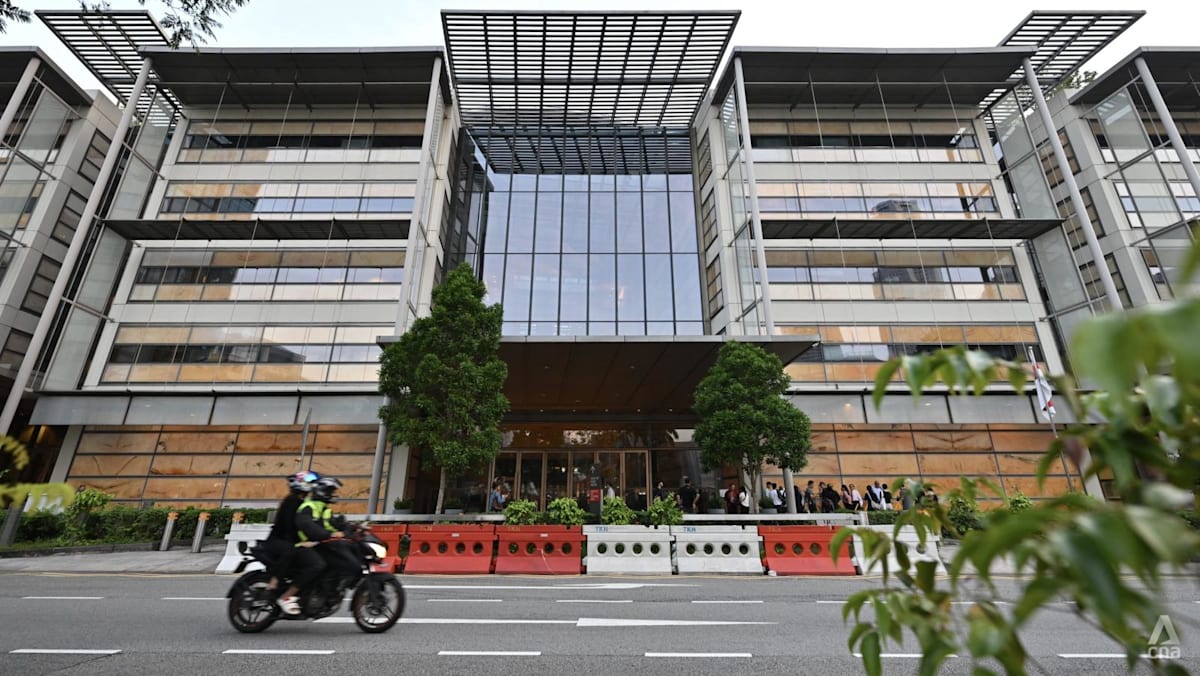
The High Court ordered a man to repay his former girlfriend more than S$320,000, finding that he was not a “credible witness”.
The High Court of Singapore. (Photo: CNA/Jeremy Long)
This audio is generated by an AI tool.
SINGAPORE: A couple whose relationship turned sour ended up in court over whether more than S$300,000 (US$234,400) the woman had given her boyfriend were loans that had to be repaid, or gifts made out of “love and affection”.
The High Court ruled in Ms Teow Seok Phen’s favour on Thursday (Sep 24), finding that Mr Chee Wei Jun had intended to repay the money and had deliberately projected himself as someone of higher status in an effort to impress her.
Justice Alex Wong found that Ms Teow was taken in by Mr Chee’s efforts to present himself in this way, which at least partly motivated her to lend him money.
The court ordered Mr Chee to repay Ms Teow S$321,116.40, comprising money transferred to him and spending on her credit cards.
PAYNOW, CASH ADVANCES, CREDIT CARDS
Ms Teow, a finance manager, and Mr Chee, a tuition teacher and cafe worker, met through online dating platform Coffee Meets Bagel in June 2023 and began a relationship shortly after.
During their relationship, Ms Teow transferred money to Mr Chee via PayNow and gave him cash, and allowed him to use her credit cards. She said the money included almost all her savings, as well as cash advances and balance transfers from her credit cards.
Ms Teow alleged that Mr Chee had also incurred S$89,945.16 in expenses on her credit cards.
By December 2023, Ms Teow had begun receiving letters from banks seeking payment of outstanding credit card bills.
Ms Teow claimed that Mr Chee had portrayed himself as a very affluent person, saying he had several hundred thousand dollars in his bank account and that his father owned multiple successful companies in Singapore and Malaysia.
Mr Chee allegedly claimed that his account was frozen after he accidentally clicked on a fraudulent link, leaving him without sufficient funds for his daily expenses.
He asked Ms Teow to lend him money, claiming he would repay her when the issue with his bank account was resolved.
Mr Chee's case was that Ms Teow understood his financial difficulties and had given him the money "out of love and affection", the judgment stated. He also claimed that he used her credit cards only once.
Mr Chee made repayments of S$23,241 and S$35,000. He maintained those repayments were made out of affection as Ms Teow had assisted him financially.
"Matters came to a head between February and March 2024, when the claimant revealed to her family that the defendant had been borrowing money from her," the judgment stated.
Ms Teow's family demanded that Mr Chee repay the sums, after which Mr Chee signed several documents acknowledging payments from Ms Teow and agreeing to repay them.
Justice Wong observed that arrangements made in a domestic or social context could still give rise to legally binding obligations, but that the individual seeking to enforce an agreement had to prove that the parties intended for their arrangement to have legal consequences.
He said the present case clearly showed that the sums were loans and not gifts.
The High Court Judge pointed out that Mr Chee had conceded on multiple occasions that the sums would be repaid, and found that Mr Chee was not a "credible witness".
"He was evasive and always seemed to have an explanation of why things were said or done, even if those explanations defied objective observation," Justice Wong said.
When asked whether the money was a gift or loan, Mr Chee had described it as a "grey area". Justice Wong found that Mr Chee wanted to stay in this grey area to evade his obligations when it suited him.
In fact, in WhatsApp exchanges with Ms Teow, Mr Chee had conceded that the sums were loans that would be repaid, said Justice Wong.
In a message on Aug 6, 2023, Mr Chee claimed he was "touched and embarrassed" by her help and promised to "fully repay you for every help you have given me".
In January 2024, he declared to Ms Teow, "I can pay you back every penny".
Likewise, the court found that Ms Teow had clearly indicated her intention to be repaid. She kept a record of the amounts lent to Mr Chee, which the High Court Judge said would not have been necessary if the sums were gifts.
"The defendant’s efforts at deflecting and explaining away what were quite plainly loans that were supposed to be repaid were unconvincing and, at times, incredible," Justice Wong said.
PROJECTED IMAGE OF HIGHER STATUS
The court found that Mr Chee had displayed a "pattern of conduct" aimed at impressing Ms Teow and had projected himself as someone he was not.
Mr Chee had told Ms Teow when they first met that he was "in aviation". During cross examination, he was shown his profile from his tuition agency, where he introduced himself as a "certified airline pilot".
Asked about the profile, Mr Chee vacillated between claims that he did not post the introduction and had no recollection of it.
During exchanges with Ms Teow, Mr Chee also referred to himself as a VIP at hotels and other establishments, but later tried to play down these references.
"In my judgment, the defendant had made numerous statements to the claimant with the intent to impress her and to present himself as an individual of higher importance than what he perceived his status as a tuition teacher and cafe worker," Justice Wong said.
"The claimant’s evidence, which I accept, is that she was taken in by the defendant’s efforts in this regard and, at least partly, this motivated her to lend him money."
DOCUMENTS SIGNED UNDER DURESS?
During the trial, Mr Chee argued that he had signed the acknowledgement documents under duress, saying that Ms Teow had held their relationship hostage and used her family members to harass him.
He produced a letter from a counselling psychologist stating that he was suffering from symptoms of post-traumatic stress disorder and major depressive disorder.
The court ruled that since the psychologist was not called on to give evidence, no weight should be given to the letter.
Mr Chee also argued that Ms Teow and her family had taken advantage of his "emotional infirmity and his frightened state", which he claimed resulted from their insults and threats, to get him to sign the agreements.
He alleged that Ms Teow's brother had "connections to the underworld in Penang" and had repeatedly threatened to hurt him.
Those allegations emerged as "fabrications", said Justice Wong said, when Mr Chee conceded during cross-examination that Ms Teow's brother had never made direct threats against him.
While Mr Chee also claimed that he was pressured and rushed into signing the acknowledgement, Ms Teow pointed out that Mr Chee had access to legal advice when considering the acknowledgements, showing that he was not under pressure.
Justice Wong found no evidence that Mr Chee was subjected to illegitimate pressure that would entitle him to the defence of duress.
HOW THE TOTAL AMOUNT WAS CALCULATED
According to Ms Teow, she transferred S$208,444 to Mr Chee via PayNow or cash from her savings, S$19,750 through cash advances or withdrawals from her credit cards and S$40,600 through bank balance transfers from her credit cards.
While Mr Chee disputed the amount, the court accepted that S$268,794 had been transferred to him, based on documentary evidence.
Ms Teow said Mr Chee owed her S$89,945.16 for expenses charged to her credit cards, including interest and fees.
The court ultimately assessed the credit card spending, including interest, at S$87,322.40 after declining to overlook a discrepancy in Ms Teow's figures.
Mr Chee argued that he was not liable for interest and fees incurred on the credit cards because Ms Teow had failed to mitigate her loss.
However, the court ruled that Mr Chee had not demonstrated what else Ms Teow could have done to avoid the fees and interest payments, given that she had already exhausted her cash savings.
"On the point that the claimant should have stopped the defendant’s spending sooner, this is putting the cart before the horse as it was well within the defendant’s control to put a pause on his spending habits," Justice Wong said.
After taking into account the S$35,000 repaid by Mr Chee in March 2024, the court found that he owed Ms Teow S$321,116.40.
Get our pick of top stories and thought-provoking articles in your inbox
Stay updated with notifications for breaking news and our best stories
Join our channel for the top reads for the day on your preferred chat app
高等法院裁定一名男子不具备“可信证人”的资格,并责令其向前女友偿还超过 32 万新元。
新加坡高等法院。(图片:CNA/Jeremy Long)
这段音频由人工智能工具生成。
新加坡:一对情侣关系破裂,最终对簿公堂,争论的焦点是女子给男友的超过 30 万新元(23.44 万美元)的钱究竟是需要偿还的贷款,还是出于“爱和感情”的礼物。
高等法院于周四(9月24日)作出有利于张淑芬女士的裁决,认定谢伟俊先生有意偿还这笔钱,并且故意把自己塑造成地位更高的人,以博取她的好感。
黄法官认为,张女士被谢先生的这种自我包装所蒙蔽,这至少在一定程度上促使她借钱给他。
法院责令 Chee 先生向 Teow 女士偿还 321,116.40 新元,其中包括转给他的款项和 Teow 女士信用卡上的消费。
PayNow、现金预支、信用卡
财务经理 Teow 女士和补习老师兼咖啡馆员工 Chee 先生于 2023 年 6 月通过在线约会平台 Coffee Meets Bagel 相识,并很快开始了恋爱关系。
在两人交往期间,张女士通过PayNow向谢先生转账,也给他现金,并允许他使用自己的信用卡。她说,这些钱几乎包括她所有的积蓄,以及信用卡预支的现金和余额转账。
张女士声称,谢先生还用她的信用卡消费了 89,945.16 新元。
到 2023 年 12 月,Teow 女士开始收到银行来信,要求她支付未结清的信用卡账单。
张女士声称谢先生把自己描绘成一个非常富有的人,说他的银行账户里有几十万美元,而且他的父亲在新加坡和马来西亚拥有多家成功的公司。
据称,Chee 先生声称,他不小心点击了一个欺诈链接后,账户被冻结,导致他没有足够的资金支付日常开销。
他请求张女士借钱给他,并声称等他的银行账户问题解决后就会还钱。
判决书显示,谢先生辩称,张女士理解他的经济困难,并“出于爱和关怀”给了他这笔钱。他还声称自己只使用过张女士的信用卡一次。
Chee先生偿还了23,241新元和35,000新元。他坚称,这些还款是出于对Teow女士的感情,因为Teow女士曾在经济上帮助过他。
判决书指出:“2024 年 2 月至 3 月期间,事态发展到白热化阶段,原告向家人透露被告一直在向她借钱。”
张女士的家人要求谢先生偿还这些款项,之后谢先生签署了几份文件,承认收到张女士的付款并同意偿还。
黄法官指出,在家庭或社会背景下达成的安排仍然可能产生具有法律约束力的义务,但寻求强制执行协议的个人必须证明当事人有意让他们的安排产生法律后果。
他说,本案清楚地表明,这些款项是贷款而不是赠与。
高等法院法官指出,谢先生曾多次承认会偿还这些款项,并认定谢先生不是“可信的证人”。
“他闪烁其辞,似乎总能对所说或所做的事情给出解释,即使这些解释违背了客观观察,”黄法官说。
当被问及这笔钱是赠与还是借贷时,谢先生将其描述为“灰色地带”。黄法官认为,谢先生有意游走于这种灰色地带,以便在对自己有利时逃避义务。
黄法官表示,事实上,在与张女士的 WhatsApp 交流中,谢先生承认这些款项是贷款,将会偿还。
在 2023 年 8 月 6 日的一条消息中,Chee 先生声称他对她的帮助感到“感动和尴尬”,并承诺“将全额报答你给予我的每一份帮助”。
2024年1月,他向Teow女士宣称:“我可以一分一分地还给你。”
同样,法院认定张女士已明确表示希望得到偿还。她保留了借给谢先生的款项记录,高等法院法官指出,如果这些款项是赠与,则无需保留记录。
黄法官说:“被告试图转移视线,并为自己辩解,掩盖那些显然应该偿还的贷款,但他的辩解缺乏说服力,有时甚至令人难以置信。”
营造更高地位的形象
法庭认定,谢先生表现出一种旨在给张女士留下深刻印象的“行为模式”,并将自己塑造成一个与他实际身份不符的人。
Chee先生在与Teow女士初次见面时告诉她,他是“从事航空业的”。在交叉询问中,他被出示了其培训机构提供的个人资料,上面他自称是“持有执照的航空公司飞行员”。
当被问及该个人资料时,谢先生一会儿声称他没有发布该介绍,一会儿又声称他对此毫无印象。
在与张女士的交流中,谢先生还自称是酒店和其他场所的贵宾,但后来试图淡化这些说法。
黄法官表示:“依我判断,被告曾多次向原告发表言论,意图给她留下深刻印象,并把自己塑造成比他自认为的补习老师和咖啡馆员工身份更重要的人。”
“我接受原告的证词,即她被被告在这方面的努力所蒙蔽,并且至少在一定程度上,这促使她借钱给他。”
在胁迫下签署的文件?
在审判期间,谢先生辩称他是在胁迫下签署了确认文件,并表示张女士挟持了他们的关系,利用她的家人骚扰他。
他出示了一封心理咨询师的信函,信中称他患有创伤后应激障碍和重度抑郁症的症状。
法院裁定,由于心理学家没有被传唤出庭作证,因此不应采信该信件。
Chee先生还辩称,Teow女士及其家人利用了他的“情绪脆弱和恐惧状态”(他声称这是由于他们的侮辱和威胁造成的),迫使他签署了这些协议。
他声称,张女士的哥哥与槟城的黑社会有联系,并多次威胁要伤害他。
黄法官表示,这些指控都是“捏造的”,因为在交叉询问中,谢先生承认张女士的哥哥从未直接威胁过他。
虽然谢先生声称自己是在压力下被迫签署了确认书,但张女士指出,谢先生在考虑签署确认书时曾咨询过法律意见,这表明他并没有受到压力。
黄法官认为没有证据表明谢先生受到了不正当的压力,因此他无权以胁迫为由进行辩护。
总金额的计算方法
据张女士称,她通过 PayNow 或从储蓄中支付现金向谢先生转账 208,444 新元,通过信用卡取现或取款转账 19,750 新元,并通过信用卡银行余额转账转账 40,600 新元。
虽然 Chee 先生对金额提出异议,但法院根据书面证据认定已向他转账 268,794 新元。
张女士表示,谢先生欠她 89,945.16 新元,这些费用是她信用卡上的支出,包括利息和手续费。
法院最终认定信用卡支出(包括利息)为 87,322.40 新元,但并未忽略 Teow 女士提供的数据中的差异。
Chee 先生辩称,由于 Teow 女士未能减轻损失,因此他无需承担信用卡产生的利息和费用。
然而,法院裁定,鉴于 Teow 女士已经用光了她的现金积蓄,Chee 先生并没有证明 Teow 女士还可以采取什么其他措施来避免支付费用和利息。
黄法官表示:“关于原告应该更早阻止被告消费这一点,这是本末倒置,因为停止自己的消费习惯完全在被告的控制范围之内。”
考虑到 Chee 先生在 2024 年 3 月偿还的 35,000 新元,法院认定他欠 Teow 女士 321,116.40 新元。
订阅我们的邮件,即可获取精选热点新闻和引人深思的文章。
订阅通知,第一时间获取突发新闻和精彩报道。
加入我们的频道,即可在您常用的聊天应用上获取当日热门文章。