After the earthquake, they used AI to mobilise aid地震后,他们利用人工智能调动援助力量。
As volunteers struggled to get supplies to quake victims in Colombia, a few tech workers built an app to map and organise the sprawling relief effort.
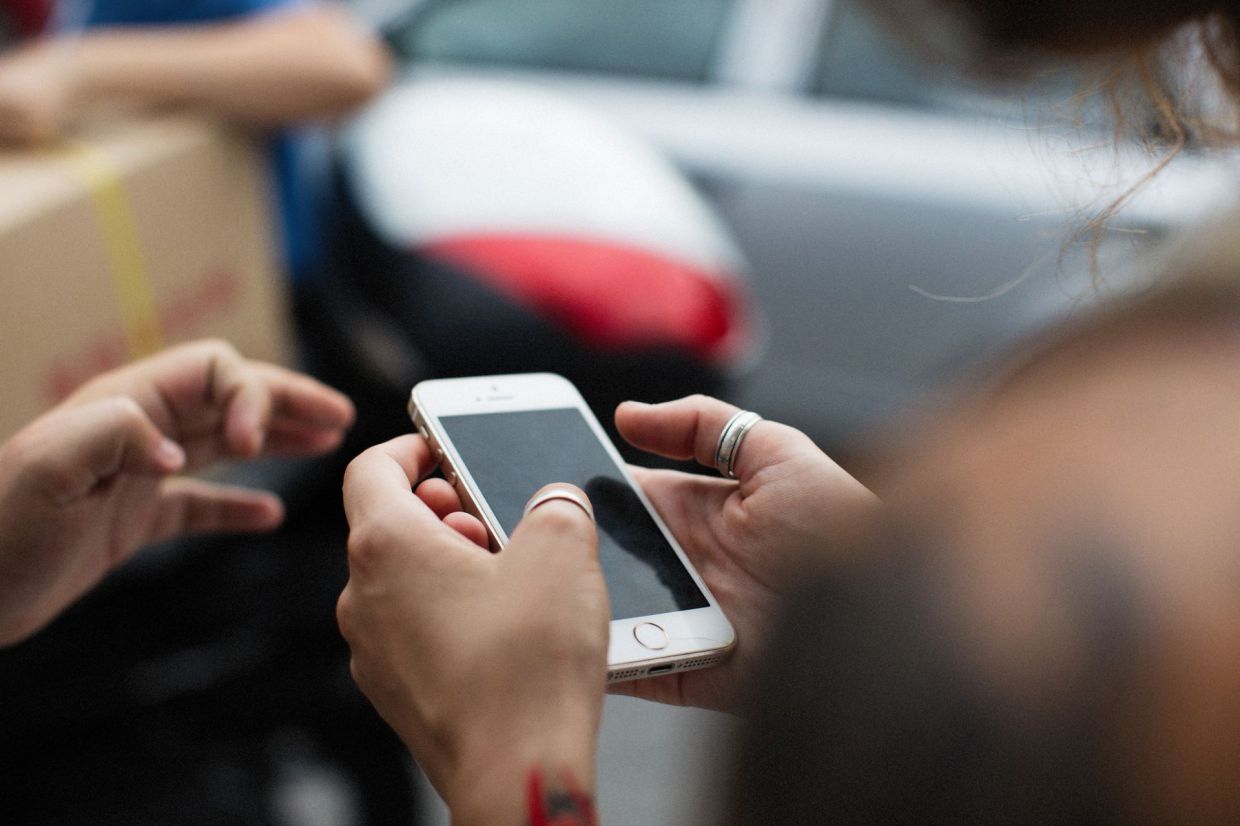
The site, initially called Ayudas Pereira and renamed alluda.online after users outside the city requested help, grew to offer a range of features beyond just mapping aid. — Pexels
PEREIRA : When a 7.4-magnitude earthquake struck Colombia last month, vital systems broke down for more than 1.5 million people in the region: no water, no electricity, no cellphone signal.
Civilians rushed to help, setting up donation points where people could drop off or collect aid in homes, cafes, universities, churches, gyms and at least one brewery. But the effort was haphazard: Some sites had food but no water. Others had water but no clothes. Diapers disappeared, and one day, everyone seemed to need underwear.
“We’re very disorganised when it comes to the donation drop-off points and the distribution of help,” said Sebastián Mejía, who set up three at his coffee shops in Pereira, a city not far from the epicentre. He asked a tech entrepreneur friend, Felipe Restrepo Lebrun, about building an app to help.
The message didn’t reach Restrepo Lebrun until the next day because of spotty Internet service. But within two hours of receiving it, he had used artificial intelligence (AI) to make a website mapping donation points and organising aid.
The project, like civilian-led efforts in Venezuela after the earthquakes there, sought to fill gaps in the government response to the disaster. The quake in Colombia killed more than 300 people and injured more than 4,500 others, according to officials, and the epicentre was in a remote region where much of the population lives in poverty, leaving many in dire need.
Restrepo Lebrun, 44, said he would have liked to help on the ground, as he had as a teenager in 1999, when he delivered food as a volunteer firefighter after a quake that killed more than 1,000 people. But today, he has severe arthritis in his ankles, so after this month’s terrifying, two-minute earthquake, he had to help another way – with his computer.
He began by making a map for Pereira using two paid accounts for the most sophisticated version of Anthropic’s AI coding tool, Claude Code Max. But he still needed help. To promote it, he turned to Miguel and Juan Camilo Sierra, brothers who had tried to make a similar website with AI but lacked the technical expertise to launch it.
The brothers used social media to share the app widely. Just three days after the quake, users had uploaded 100 donation points across 25 cities and towns. The rollout was far from perfect – electricity and Internet service were still offline for many, and the site briefly collapsed after 23,000 visits. And with limited staff to oversee or verify content, its operators have little ability to prevent people from exploiting the system or committing fraud.
They achieved their immediate goal, though: They got it running quickly.
The site, initially called Ayudas Pereira and renamed alluda.online after users outside the city requested help, grew to offer a range of features beyond just mapping aid. Drop-off points can list their supplies, and users can request or offer free goods and services, like help transporting goods by car.
“We are very proud, because we have done the role of the government,” said Daniel Zuluaga, a volunteer at the Bajo Cuerda brewery, one of the most active of the sites. “The government, you know, is very slow, very bureaucratic.”
Officials in the Pereira city government said there was only one official aid collection centre, and called for people to rely on the city’s official channels to avoid fraud. At the regional level, though, Diana Ramírez, coordinator of disaster management for the Risaralda Department, whose capital is Pereira, said she saw potential in the app.
“The work we do is sometimes very manual, and being able to rely on technology would make it faster and easier,” she said. She plans to bring Restrepo Lebrun together with a team of disaster experts from her office, she said, to discuss collaborating.
Nationally, some Colombians’ criticism has centred on the federal government’s speed and the housing minister’s departure for vacation just days after the earthquake. The minister apologised, saying he had continued working on the trip, and officials from the disaster management agency and Housing Ministry did not immediately respond to requests for comment.
Bajo Cuerda, like most civilian donation points, operates on good faith. Zuluaga said they understood that even people who couldn’t prove that their houses had collapsed might be struggling because they were unable to work. He said the brewery’s all-volunteer operation had received deliveries from dozens of box trucks and pickups, 10 tractor-trailers and even a plane.
Still, the scale of the disaster is stark. The earthquake affected more than 198,000 houses, including more than 37,000 that require total reconstruction, according to Colombia’s National Unit for Disaster Risk Management.
Blanca Salazar, who lost her house in the quake, learned about donation hubs via social media. With the help of her granddaughter, she used the app to request a tent, bedding, and enough food to share with her community in Villa Santana, a historically poor part of Pereira that went days without electricity.
“I’m also a victim, but I like to help,” she said. – ©2026 The New York Times Company
This article originally appeared in The New York Times .
Brazil probes possible cyberattack on alert system
How some Venezuelans' smartphones warned of quake
Thank you for your report!
该网站最初名为 Ayudas Pereira,后因城外用户寻求帮助而更名为 alluda.online,其功能也逐渐扩展到地图服务以外的其他领域。—— Pexels
佩雷拉:上个月哥伦比亚发生 7.4 级地震,该地区超过 150 万人的重要系统瘫痪:没有水,没有电,没有手机信号。
民众纷纷伸出援手,在居民家中、咖啡馆、大学校园、教堂、体育馆,甚至至少一家啤酒厂设立捐赠点,方便人们捐赠或领取物资。但援助工作杂乱无章:有些捐赠点有食物却没有水,有些捐赠点有水却没有衣服。尿布很快就消失了,而且有一天,似乎每个人都需要内衣裤。
“我们在捐赠物资接收点和物资分发方面非常混乱,”塞巴斯蒂安·梅希亚说道。他在佩雷拉(距离震中不远)的咖啡馆里设立了三个捐赠点。他还向一位科技企业家朋友费利佩·雷斯特雷波·勒布伦请教,能否开发一款应用程序来提供帮助。
由于网络信号不稳定,雷斯特雷波·勒布伦直到第二天早上才收到这条信息。但收到信息后不到两个小时,他就利用人工智能(AI)建立了一个网站,标明了捐赠点并组织了援助物资。
该项目与委内瑞拉地震后民间自发开展的救援行动类似,旨在弥补政府应对灾难方面的不足。据官方统计,哥伦比亚地震造成300多人死亡,4500多人受伤。震中位于偏远地区,那里大部分人口生活贫困,许多人急需援助。
44岁的雷斯特雷波·勒布伦说,他很想亲自到现场帮忙,就像1999年他十几岁时那样。当时,一场地震造成1000多人死亡,他作为一名志愿消防员参与了运送食物的工作。但如今,他的脚踝患有严重的关节炎,所以在本月那场持续两分钟的可怕地震之后,他只能以另一种方式提供帮助——通过他的电脑。
他首先使用Anthropic公司最先进的AI编码工具Claude Code Max的两个付费账户,为佩雷拉制作了一张地图。但他仍然需要帮助。为了推广网站,他找到了米格尔和胡安·卡米洛·塞拉兄弟俩,他们曾尝试用AI制作类似的网站,但缺乏上线所需的技术专长。
兄弟俩利用社交媒体广泛推广这款应用程序。地震发生仅三天后,用户就在25个城镇上传了100个捐款积分。但推广过程远非完美——许多地区的电力和网络仍然中断,网站在访问量达到2.3万次后一度崩溃。而且由于人手有限,难以监督或核实内容,运营方几乎无力阻止人们滥用系统或进行欺诈。
不过,他们实现了眼前的目标:他们迅速让系统运转起来了。
该网站最初名为 Ayudas Pereira,后因城外用户寻求帮助而更名为 alluda.online,功能也逐渐扩展,不再仅仅提供地图导航。投放点可以列出物资清单,用户也可以请求或提供免费的商品和服务,例如提供汽车运输帮助。
“我们感到非常自豪,因为我们承担了政府的角色,”巴霍库尔达啤酒厂的志愿者丹尼尔·祖鲁阿加说道,该啤酒厂是这些志愿者中最活跃的地点之一。“你知道,政府办事效率很低,官僚作风也很严重。”
佩雷拉市政府官员表示,该市只有一个官方援助物资领取中心,并呼吁民众依赖官方渠道,以避免受骗。然而,在地区层面,佩雷拉所在的里萨拉尔达省灾害管理协调员戴安娜·拉米雷斯表示,她看到了这款应用程序的潜力。
“我们有时需要大量人工操作,如果能借助科技手段,工作就会更快更轻松,”她说道。她还表示,计划安排雷斯特雷波·勒布伦与她办公室的灾害专家团队会面,探讨合作事宜。
在全国范围内,一些哥伦比亚民众的批评主要集中在联邦政府的反应速度以及住房部长在地震发生几天后就启程休假上。这位部长为此道歉,称他在休假期间仍在继续工作。灾害管理机构和住房部的官员尚未对此事作出回应。
和大多数民间捐赠点一样,Bajo Cuerda 的运作也秉持着善意。Zuluaga 表示,他们理解即使有些人无法证明自己的房屋倒塌,也可能因为无法工作而陷入困境。他说,这家啤酒厂的志愿者运营团队已经收到了来自数十辆厢式货车和皮卡、10 辆半挂卡车,甚至还有一架飞机的捐赠物资。
然而,这场灾难的规模仍然触目惊心。据哥伦比亚国家灾害风险管理部门称,地震影响了超过19.8万栋房屋,其中超过3.7万栋需要彻底重建。
地震中失去家园的布兰卡·萨拉萨尔通过社交媒体了解到了捐赠中心。在孙女的帮助下,她使用应用程序申请了一顶帐篷、床上用品和足够的食物,与她所在的佩雷拉市维拉桑塔纳社区分享。维拉桑塔纳是佩雷拉市一个历史悠久的贫困地区,曾连续数日断电。
“我也是受害者,但我喜欢帮助别人,”她说。——©2026 纽约时报公司
本文最初发表于《纽约时报》。
巴西调查警报系统可能遭受的网络攻击
一些委内瑞拉人的智能手机如何发出地震预警
感谢您的报告!