EPF CEO outlines four priorities for Malaysia as Malaysians live longer, says all have role to play马来西亚雇员公积金局(EPF)首席执行官概述了马来西亚在人口寿命延长背景下的四项优先事项,并表示每个人都应发挥作用。
KUALA LUMPUR, Sept 30 — Malaysia now faces four priorities as Malaysians are expected to live longer lives, including shifting from just thinking about having money for...
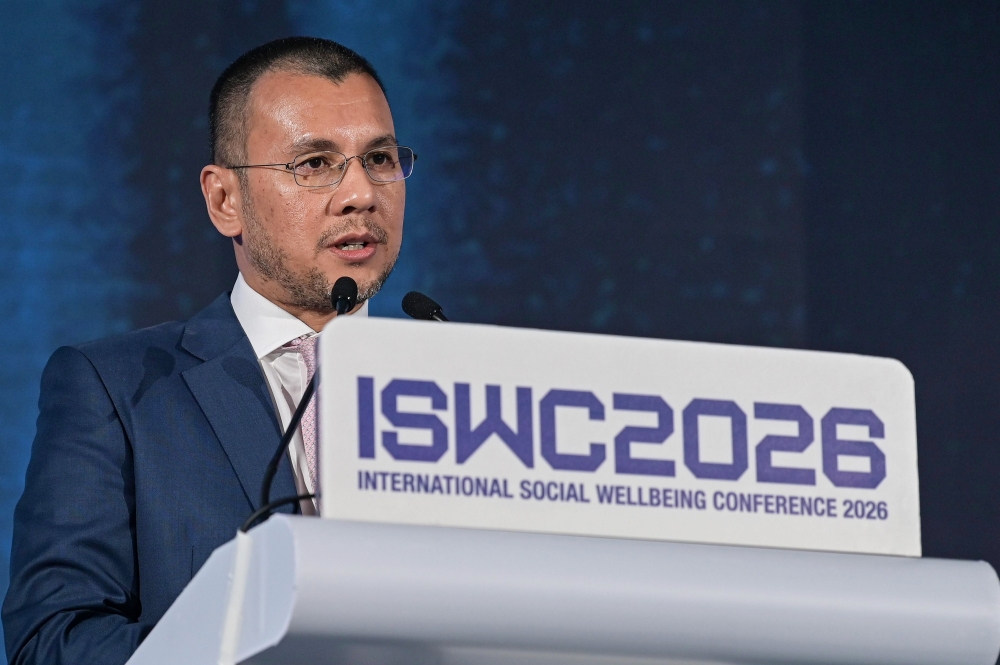
Malaysia must shift from lump-sum retirement withdrawals to ensure lifelong income, as longer lives necessitate sustainable retirement income, according to EPF CEO Ahmad Zulqarnain Onn.
Only 60% of Malaysia's workforce have EPF savings, highlighting the need to close coverage gaps, especially for gig workers and women in caregiving roles.
Continuous support for EPF members throughout their lives and advocating for labour market reforms for better wages are crucial priorities to ensure financial security.
KUALA LUMPUR, Sept 30 — Malaysia now faces four priorities as Malaysians are expected to live longer lives, including shifting from just thinking about having money for retirement to having income for the remaining years, the Employees Provident Fund (EPF) CEO said today.
EPF CEO Ahmad Zulqarnain Onn noted that longevity is one of the biggest defining forces that will impact Malaysia, including its society and economy.
Based on experts who spoke at EPF’s International Social Wellbeing Conference 2026 (ISWC), Zulqarnain noted that the longevity policy or policy for longer lives would cover many areas such as labour markets, healthcare systems, digital systems, infrastructure and communities.
“Income security, health, care, work, and community all shape how well people live longer lives,” the retirement savings fund’s CEO said in his closing remarks at the two-day ISWC 2026 here.
He also said the responsibility for this must be shared by all, including individuals, families, employers, communities and the government.
He noted that speakers have spoken about the need for the government to play a stronger role especially for long-term care and basic income security.
“Individuals also have a part to play by preparing early, saving consistently, and making informed choices along the way. And employers have a role too, through the wages that they pay, the flexibility that they provide, and the opportunities they create for all the workers to stay economically active,” he said.
Noting that those at the conference have spoken about the need for Malaysia’s pension system to evolve, Zulqarnain said: “And as people live longer and patterns of work change, reform will be necessary to strengthen coverage, adequacy, equity and the sustainability of retirement income over a longer life.”
He then concluded by listing four priorities for Malaysia, including moving away from EPF members’ preference for lump sum withdrawal of retirement savings to a system of ensuring income to last one’s entire life.
“So one of the challenges that we face as a system is how do we move from saving for retirement, to securing income for life? We must help members convert a lifetime of savings into a reliable income stream that lasts as long as they do,” he said.
Currently, EPF members already have the option to withdraw their EPF savings via monthly payments under the i-Emas scheme, instead of withdrawing all their savings in one lump sum.
The monthly withdrawal method helps EPF members’ retirement savings last longer, as their remaining savings can continue to grow and provide them with dividends every year.
During the two-day conference, speakers spoke about about proposed methods and examples abroad that would enable people to continue to have income after retirement beyond what they have saved up, including through monthly payments via annuity insurances or variable annuities.
Secondly, Zulqarnain said there is a need to close the coverage gap, as currently only 60 per cent of Malaysia’s workforce have savings in the EPF.
“Many people who do hard work every single day in the informal sector - gig workers, older workers, and women whose caregiving responsibilities shorten their working years are too often excluded and remain without adequate protection.
“So, closing these gaps is going to require coordinated action,” he said.
Thirdly, there is a need to stand with EPF members throughout the course of their entire life and not just on retirement day, which means engaging with them even before retirement.
“This means engaging earlier and more consistently, working with partners across health, housing, elderly care, and also introducing change gradually and transparently so that public trust remains strong,” he said.
“And fourth and finally, we must continue to advocate for labour market reforms that result in better wages for the workers of Malaysia,” he said.
Noting that a lot of work remains, Zulqarnain said EPF cannot work alone on these issues and that it will take a community of leaders to work together to ensure progress on these topics.
The ISWC, which is themed “The Long Horizon” this year and in its 13th edition, had seen international and local experts speak on wide-ranging issues covering retirement savings and financial security, healthcare and long-term care, active and purposeful ageing, age-inclusive communities, intergenerational support and policy reforms.
Selangor allocates RM100,000 to help wives and children wronged in maintenance issues
Fahmi asks MCMC to clarify Meta’s response on WhatsApp issues
Johan Setia reports highest unhealthy API level at 166, twenty areas in total experiencing bad air
据雇员公积金局首席执行官艾哈迈德·祖尔卡纳因·翁称,马来西亚必须转变退休一次性提款的方式,以确保终身收入,因为寿命延长需要可持续的退休收入。
马来西亚只有 60% 的劳动者拥有公积金储蓄,这凸显了弥合公积金覆盖缺口的必要性,尤其是对于零工劳动者和从事照护工作的女性而言。
为雇员公积金成员提供终身持续支持,并倡导劳动力市场改革以提高工资水平,是确保财务安全的关键优先事项。
吉隆坡,9月30日——雇员公积金局(EPF)首席执行官今天表示,随着马来西亚人预期寿命延长,马来西亚现在面临四大优先事项,其中包括从仅仅考虑为退休攒钱转变为考虑在余生中获得收入。
雇员公积金局首席执行官艾哈迈德·祖尔卡纳因·翁指出,寿命延长是影响马来西亚(包括其社会和经济)的最大决定性因素之一。
根据在EPF 2026年国际社会福祉大会(ISWC)上发言的专家,Zulqarnain指出,长寿政策或延长寿命政策将涵盖劳动力市场、医疗保健系统、数字系统、基础设施和社区等诸多领域。
“收入保障、健康、护理、工作和社区都会影响人们能否活得更长久,”该退休储蓄基金的首席执行官在为期两天的 ISWC 2026 闭幕致辞中说道。
他还表示,这方面的责任必须由所有人共同承担,包括个人、家庭、雇主、社区和政府。
他指出,发言者们谈到政府需要发挥更强有力的作用,尤其是在长期护理和基本收入保障方面。
“个人也应尽一份力,比如提前做好准备、持续储蓄,并在此过程中做出明智的选择。雇主也同样重要,他们可以通过支付工资、提供灵活的工作安排以及为所有员工创造保持经济活跃的机会来发挥作用,”他说道。
祖尔卡纳因指出,与会者都谈到了马来西亚养老金制度需要改革,他说:“随着人们寿命延长和工作模式发生变化,改革势在必行,以加强养老金的覆盖范围、充足性、公平性和可持续性,从而延长退休寿命。”
最后,他列出了马来西亚的四个优先事项,其中包括改变公积金成员偏好一次性提取退休储蓄的现状,转而建立确保终身收入的制度。
他说:“因此,我们作为一个体系面临的挑战之一是如何从为退休储蓄过渡到保障终身收入?我们必须帮助成员将毕生积蓄转化为可靠的收入来源,使其终身受益。”
目前,EPF会员可以选择通过i-Emas计划按月支付的方式提取EPF储蓄,而不是一次性提取所有储蓄。
每月提取的方式有助于公积金会员延长退休储蓄的期限,因为他们剩余的储蓄可以继续增长,并每年为他们提供股息。
在为期两天的会议上,演讲者们谈到了国外提出的各种方法和案例,这些方法和案例能够使人们在退休后继续获得除储蓄之外的收入,包括通过年金保险或可变年金的月度支付。
其次,Zulqarnain表示,有必要缩小覆盖范围差距,因为目前只有60%的马来西亚劳动者在雇员公积金(EPF)中有储蓄。
“许多在非正规部门每天辛勤工作的人——零工人员、老年工人以及因照顾家庭而缩短工作年限的妇女——常常被排除在外,并且缺乏足够的保护。
“因此,弥合这些差距需要协调一致的行动,”他说。
第三,需要与公积金会员在他们整个人生中站在一起,而不仅仅是在退休那天,这意味着甚至在退休之前就与他们互动。
“这意味着要更早、更持续地参与,与卫生、住房、老年护理等领域的合作伙伴共同努力,并逐步、透明地引入变革,以保持公众的信任,”他说。
“第四,也是最后一点,我们必须继续倡导劳动力市场改革,以提高马来西亚工人的工资水平,”他说。
Zulqarnain 指出还有很多工作要做,EPF 不能独自解决这些问题,需要领导人共同努力才能确保在这些议题上取得进展。
今年的国际老年科学大会(ISWC)以“长远展望”为主题,是第 13 届大会。大会邀请了国际和本地专家就退休储蓄和财务安全、医疗保健和长期护理、积极有意义的老龄化、包容老年人的社区、代际支持和政策改革等广泛议题发表演讲。
雪兰莪州拨款10万令吉,用于帮助在赡养费问题中受到不公正对待的妻子和子女。
法赫米要求马来西亚通信与多媒体委员会(MCMC)澄清Meta对WhatsApp问题的回应
Johan Setia报告称,空气质量指数(API)最高达到166,共有20个地区空气质量恶劣。