Budget 2027: What RM425m for plantations and commodities means for Malaysians2027年财政预算案:4.25亿令吉用于种植园和商品对马来西亚人意味着什么
KUALA LUMPUR, Oct 6 — A bottle of cooking oil, a set of car tyres and a pair of rubber gloves may appear to have little in common.Yet each begins, in one way or another, with...
The article discusses the significance of Malaysia's plantation and commodities sector, which includes key commodities like palm oil and rubber.
This sector begins at plantations and smallholdings and extends through processing and manufacturing to reach consumers and export markets.
The government has proposed a budget allocation of RM425.65 million for 2027 to enhance smallholder productivity, improve infrastructure, and support disease control and downstream agro-commodities.
The broader economic impact includes enhanced domestic processing, resilient supply chains, and competitive exports, thus benefiting both local usage and international trade.
KUALA LUMPUR, Oct 6 — A bottle of cooking oil, a set of car tyres and a pair of rubber gloves may appear to have little in common.
Yet each begins, in one way or another, with commodities produced by the country’s plantation sector.
Those commodities do not stop at the plantation, as they are processed into products used by consumers and businesses, while also contributing to the country’s exports.
So what does the plantation and commodities sector actually cover, and why has the government proposed RM425.65 million for the Ministry of Plantation and Commodities under Budget 2027?
How will Malaysians “feel” the impact of this allocation?
Let’s take a look at what the ministry covers, where its commodities end up and how they make their way from plantations and smallholdings to consumers and export markets.
The plantation and commodities sector
The ministry oversees commodities including palm oil, rubber, cocoa, pepper, timber, kenaf, sago and tobacco, as well as related downstream activities.
These commodities move through a wider supply chain, from plantations and smallholdings to processing and manufacturing before reaching consumers or overseas markets.
Smallholders, or pekebun kecil , are individual farmers or families who cultivate relatively small areas of land rather than operating large commercial plantations.
They are an important part of the commodity supply chain, particularly in oil palm and rubber.
Plantation and Commodities Minister Datuk Seri Noraini Ahmad has said empowering smallholders through quality inputs, good agricultural practices and support for replanting programmes is one of the ministry’s priorities to improve productivity and income.
Where does it show up in everyday life?
Cooking oil and food
Palm oil is perhaps the most familiar example.
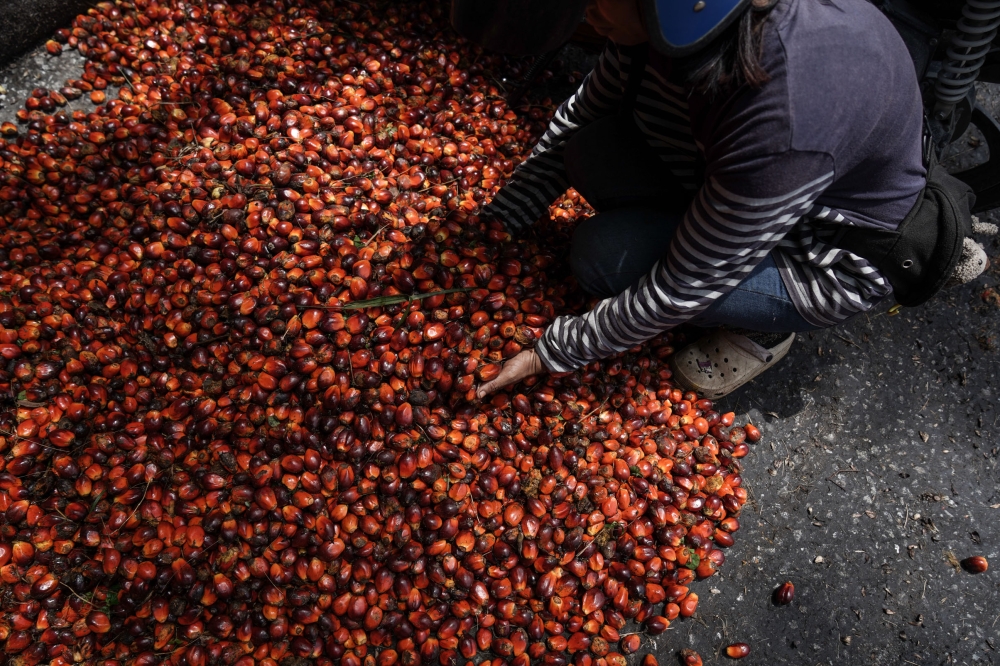
Harvested oil palm fruit is used to make cooking oil and can also be found in a range of everyday products, including margarine, biscuits, bread, chocolate, instant noodles and other processed foods.
In the bathroom, palm-derived ingredients are also used in products such as soap, shampoo and cosmetics.
In 2024, oil palm contributed RM38.1 billion, or 36.8 per cent, of Malaysia’s agricultural value added, making it the largest contributor within the agriculture sector.
Oil palm also extends to markets abroad.
According to the Malaysian Palm Oil Board, palm oil and palm-based products generated RM112.64 billion in exports in 2025.
Tyres, gloves and rubber products
Rubber is another direct link between plantations, industry and consumers’ everyday lives.
Natural rubber and rubber-based materials are used in products such as medical gloves, tyres, rubber hoses, seals, belts and footwear.
There is also a connection between smallholders and manufacturers producing these products, as well as the healthcare, automotive and manufacturing sectors that use them.
These products are also exported, making rubber important not only as a farm commodity but also as an industrial raw material.
Apart from palm oil and rubber, cocoa, pepper, timber, kenaf and sago are other familiar commodities that appear in households or businesses.
What does the RM425m cover?
The proposed amount under Budget 2027 covers four initiatives under the Ministry of Plantation and Commodities.
Its focus is on oil palm smallholder replanting, farm roads, disaster and disease control and support for downstream agro-commodity entrepreneurs.
The largest allocation is RM280.03 million for the Smallholder Oil Palm Replanting Financing Incentive Scheme (TSPKS) 2.0, followed by RM100 million for the Smallholder Farm Road Programme.
Another RM28.57 million is proposed for the Agro-Commodity Sector Disaster and Disease Control Fund, while RM17.05 million is proposed for downstream agro-commodity entrepreneurs.
The four areas address different needs — maintaining future production, improving access to farms, protecting crops and supporting businesses.
Why is replanting important?
Oil palm trees become less productive as they age, so replacing older trees can help maintain production, but newly planted trees take time before they start producing at useful levels.
For smallholders, replanting can also mean taking on the cost of clearing and planting again while waiting for the new trees to mature.
It also matters to the wider sector because maintaining oil palm production helps ensure there is enough supply for domestic processing and Malaysia’s export market.
Prime Minister Datuk Seri Anwar Ibrahim said the replanting programme would continue to help improve the productivity and income of smallholders in the long term.
Farm roads are crucial too
A farm road may seem like a very specific issue for people who do not live or work in plantations, but it can affect how produce is harvested and how equipment moves between farms, collection centres and mills.
A simple way to look at it is:
Oil palm fruit → collection → mill → processing → manufacturing → consumer or export market
Anwar, in his latest remarks, said the proposed farm road projects should provide basic infrastructure suited to plantation areas and directly improve smallholders’ productivity.
Does the price of commodities directly affect what we pay?
A change in the global price of palm oil or rubber does not automatically mean the price of a product on a supermarket shelf will change by the same amount.
Other costs are involved, including processing, packaging, transport, labour, exchange rates and business margins.
Government controls or subsidies can also affect the final price of some products.
For example, a rise in palm oil prices could increase costs for businesses that use palm-based inputs.
However, how much that affects the final price depends on the product and the other costs involved.
The same applies to rubber.
For example, a change in rubber prices can affect manufacturers, but it does not mean the price of a new set of tyres will immediately change by the same amount.
How do exports impact us?
The sector is not just about products used in Malaysia.
Malaysia also exports commodities and commodity-based products, bringing in foreign earnings and supporting businesses involved in processing, manufacturing, logistics and trade.
The commodity sector and commodity-based industries contributed RM19.65 billion to Malaysia’s GDP in the first quarter of 2026, while exports of commodity-based products generated RM41.62 billion during the same period, according to Noraini.
This is why what happens after commodities leave the farm also matters.
When more processing and manufacturing takes place in Malaysia, more economic activity can be generated locally before a product is sold here or exported.
What happens when production falls?
This is where replanting, disease control and measures to address climate-related disruptions are crucial.
If production of an important commodity falls, there may be less raw material for Malaysian processors and manufacturers.
Businesses could then face higher costs or have to look elsewhere for supplies, depending on market conditions.
For Malaysia, lower production can also affect the amount of commodities available for export and the earnings generated from them.
This is why some of the Budget 2027 allocation is focused on maintaining production and protecting crops, rather than only helping with immediate consumer needs.
So, how will Malaysians feel the impact?
The RM425.65 million proposed under Budget 2027 is not a direct payment to consumers.
For Malaysians, the impact could be seen through more productive smallholders, better movement of agricultural produce, stronger domestic processing and more resilient supply chains.
There is also a wider economic benefit if Malaysian companies can continue producing and exporting commodity-based products competitively.
So while the allocation may start with plantations and smallholdings, its effects can extend much further — to the products Malaysians use, the businesses that depend on these commodities and the exports that contribute to the economy.
IGP: Police record statements from 25 witnesses in KLIA incident involving border agency chief
Higher education minister: Universities not only path to youth success
Defence minister: LCS missile compensation claim expected to take time
文章探讨了马来西亚种植园和商品行业的重要性,其中包括棕榈油和橡胶等主要商品。
该行业始于种植园和小农户,并通过加工和制造延伸至消费者和出口市场。
政府已提议在 2027 年拨款 4.2565 亿令吉,以提高小农户生产力、改善基础设施、支持疾病控制和下游农产品。
更广泛的经济影响包括增强国内加工能力、增强供应链韧性和提高出口竞争力,从而有利于本地消费和国际贸易。
吉隆坡,10月6日讯——一瓶食用油、一套汽车轮胎和一副橡胶手套,乍看之下似乎没有什么共同之处。
然而,每一种商品,无论以何种方式,都源于该国种植园部门生产的商品。
这些商品并不会止步于种植园,它们会被加工成消费者和企业使用的产品,同时也为国家的出口做出了贡献。
那么,种植园和商品行业究竟涵盖哪些内容?为什么政府在 2027 年财政预算案中提议为种植园和商品部拨款 4.2565 亿令吉?
马来西亚人将如何“感受到”这项拨款的影响?
让我们来看看该部委负责哪些领域,其产品最终流向何处,以及它们如何从种植园和小农户到达消费者和出口市场。
种植园和商品部门
该部负责监管棕榈油、橡胶、可可、胡椒、木材、洋麻、西米和烟草等大宗商品,以及相关的下游活动。
这些商品要经过更广泛的供应链,从种植园和小农场到加工制造,最终到达消费者或海外市场。
小农户,或称“pekebun kecil”,是指耕种相对小面积土地的个体农民或家庭,而不是经营大型商业种植园。
它们是商品供应链的重要组成部分,尤其是在油棕和橡胶领域。
种植及原产品部长拿督斯里诺莱妮·艾哈迈德表示,通过优质投入品、良好农业实践和对重新种植计划的支持来增强小农户的能力,是该部提高生产力和收入的优先事项之一。
它在日常生活中体现在哪里?
食用油和食物
棕榈油或许是最常见的例子。
收获的油棕果用于制造食用油,也可用于各种日常用品,包括人造黄油、饼干、面包、巧克力、方便面和其他加工食品。
在浴室里,棕榈提取物也被用于肥皂、洗发水和化妆品等产品中。
2024年,油棕为马来西亚农业增加值贡献了381亿令吉,占马来西亚农业增加值的36.8%,使其成为农业领域最大的贡献者。
棕榈油也销往海外市场。
根据马来西亚棕榈油局的数据,到 2025 年,棕榈油和棕榈制品的出口额将达到 1126.4 亿令吉。
轮胎、手套和橡胶制品
橡胶是种植园、工业和消费者日常生活之间的又一个直接联系。
天然橡胶和橡胶基材料被用于医疗手套、轮胎、橡胶软管、密封件、皮带和鞋类等产品中。
小农户与生产这些产品的制造商之间,以及使用这些产品的医疗保健、汽车和制造业之间,也存在着联系。
这些产品也出口,这使得橡胶不仅作为一种农产品,而且作为一种工业原材料都具有重要意义。
除了棕榈油和橡胶之外,可可、胡椒、木材、洋麻和西米也是家庭或企业中常见的商品。
这4.25亿令吉涵盖哪些内容?
2027 年预算案中提出的金额涵盖种植园和商品部下属的四项举措。
其重点是油棕小农户重新种植、农场道路、灾害和疾病控制以及对下游农产品企业家的支持。
其中最大的一笔拨款是 2.8003 亿令吉,用于小农户油棕再种植融资奖励计划 (TSPKS) 2.0;其次是 1 亿令吉,用于小农户农场道路计划。
另有 2857 万令吉被提议用于农产品行业灾害和疾病控制基金,而 1705 万令吉被提议用于下游农产品企业家。
这四个领域分别针对不同的需求——维持未来的生产、改善农场的准入、保护作物和支持企业。
为什么补种植物很重要?
油棕树随着树龄增长产量会下降,因此更换老树有助于维持产量,但新种植的树木需要一段时间才能达到有用的产量水平。
对于小农户来说,重新种植还可能意味着要承担清理和重新种植的费用,同时还要等待新树成熟。
这对整个行业也很重要,因为维持棕榈油生产有助于确保国内加工和马来西亚出口市场有足够的供应。
首相拿督斯里安华·易卜拉欣表示,重新种植计划将继续帮助小农户从长远角度提高生产力和收入。
农场道路也至关重要。
对于不在种植园居住或工作的人来说,农场道路可能看起来是一个非常具体的问题,但它会影响农产品的收割方式以及设备在农场、收集中心和工厂之间的运输方式。
简单来说就是:
油棕果 → 采摘 → 榨油 → 加工 → 制造 → 消费或出口市场
安华在最新讲话中表示,拟建的农场道路项目应提供适合种植园地区的基本基础设施,并直接提高小农户的生产力。
商品价格会直接影响我们的支付金额吗?
棕榈油或橡胶的全球价格变化并不意味着超市货架上相应产品的价格也会相应变化。
其他成本还包括加工费、包装费、运输费、人工费、汇率差和营业利润。
政府管制或补贴也会影响某些产品的最终价格。
例如,棕榈油价格上涨可能会增加使用棕榈油原料的企业的成本。
然而,这会对最终价格产生多大影响,取决于产品本身以及其他相关成本。
橡胶也同样如此。
例如,橡胶价格的变化可能会影响制造商,但这并不意味着一套新轮胎的价格会立即发生相同幅度的变化。
出口对我们有何影响?
该行业不仅仅指马来西亚使用的产品。
马来西亚还出口大宗商品和以大宗商品为基础的产品,带来外汇收入,并为从事加工、制造、物流和贸易的企业提供支持。
据诺莱尼称,2026 年第一季度,大宗商品行业和以大宗商品为基础的产业为马来西亚国内生产总值贡献了 196.5 亿令吉,而同期大宗商品产品的出口额为 416.2 亿令吉。
这就是为什么农产品离开农场后的环节也很重要的原因。
在马来西亚进行更多的加工和制造,可以在产品在本地销售或出口之前,在本地创造更多的经济活动。
产量下降会发生什么?
因此,重新种植、病虫害控制以及应对气候变化相关干扰的措施至关重要。
如果某种重要商品的产量下降,马来西亚的加工商和制造商可能会面临原材料短缺的问题。
根据市场情况,企业可能面临更高的成本,或者不得不从其他地方寻找货源。
对于马来西亚而言,产量下降也会影响可供出口的商品数量以及由此产生的收入。
这就是为什么 2027 年预算拨款的一部分重点在于维持生产和保护农作物,而不仅仅是满足消费者眼前的需求。
那么,马来西亚人会感受到怎样的影响呢?
2027 年财政预算案中提出的 4.2565 亿令吉并非直接支付给消费者的款项。
对于马来西亚人来说,其影响体现在:小农户生产力提高、农产品流通更加顺畅、国内加工能力增强以及供应链更具韧性。
如果马来西亚企业能够继续以具有竞争力的方式生产和出口大宗商品,也将带来更广泛的经济效益。
因此,虽然分配可能从种植园和小农户开始,但其影响范围可以更广——延伸到马来西亚人使用的产品、依赖这些商品的企业以及为经济做出贡献的出口。
警察总监:警方就吉隆坡国际机场边境机构负责人事件向25名证人采集证词
高等教育部长:大学并非青年成功的唯一途径
国防部长:LCS导弹赔偿申请预计需要一段时间