No Rohingya repatriated to Myanmar under Malaysia deal yet, says Anwar安华表示,根据马来西亚协议,目前还没有罗兴亚人被遣返回缅甸。
KUALA LUMPUR, Oct 6 — None of the more than 10,000 Myanmar nationals repatriated from Malaysia so far were Rohingya, Prime Minister Datuk Seri Anwar Ibrahim said in the Dewan...
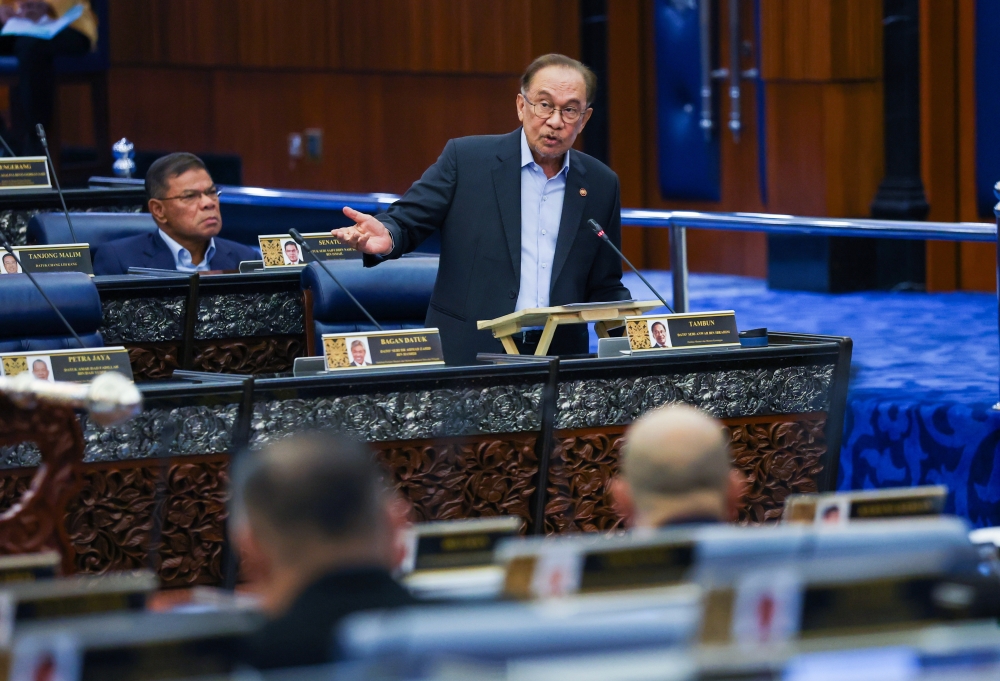
The repatriation deal between Malaysia and Myanmar includes all ethnicities like the Rohingya, yet none have been returned under this programme, says Prime Minister Anwar.
Anwar highlights ongoing diplomatic efforts and reassurances from Myanmar on humane treatment and voluntary consent for returnees.
Malaysia opts for direct engagement with Myanmar over the hardline stance by Western nations, aiming to independently resolve repatriation issues.
KUALA LUMPUR, Oct 6 — None of the more than 10,000 Myanmar nationals repatriated from Malaysia so far were Rohingya, Prime Minister Datuk Seri Anwar Ibrahim said in the Dewan Rakyat today.
Anwar said the repatriation arrangement between Malaysia and Myanmar covered nationals of all ethnicities, including the Rohingya, but no Rohingya had yet been returned under the programme.
“In the records we have so far, no Rohingya nationals have been brought back yet. But this is still under discussion, and I believe the Foreign Minister, and I myself when I meet the President in the coming days, will also raise this issue so that it can be dealt with as properly as possible.
“But for me, any country that wants to bring its nationals home from our country, we welcome that,” he said during Prime Minister’s Question Time.
Anwar was responding to a supplementary question from Pulai MP Suhaizan Kaiat, who asked whether the 1,400 Myanmar nationals recently repatriated by sea included Rohingya, given Myanmar’s longstanding refusal to recognise the group.
Suhaizan also asked what the government’s second plan would be if negotiations to repatriate Rohingya to Myanmar failed.
Anwar clarified that the 1,400 referred to the group repatriated aboard a Myanmar naval vessel, while more than 10,000 Myanmar nationals had been repatriated since January.
He said the others had returned through efforts by the Myanmar government using aircraft, while the latest group of 1,400 was sent back aboard a Myanmar naval vessel.
Anwar said those repatriated had agreed to return voluntarily, with their consent documented before they were sent back.
“Those who return sign their consent, without coercion, not under duress, to be repatriated,” he said.
Anwar said Malaysia’s agreement with Myanmar covered nationals from various ethnic groups, including Arakan, Karen, Shan and Rohingya.
He said Malaysia had sought assurances from Myanmar that returnees would receive reasonable treatment and would not face human rights violations.
“The conditions we have set are, first, that they must bring Myanmar nationals home. Second, there must be a guarantee of reasonable treatment of their own people so that there is no suffering, oppression or human rights violations,” he said.
Anwar said Malaysia’s efforts to address the issue had involved direct engagement with Myanmar, including meetings with President Min Aung Hlaing, whom he met in Bangkok and later in Beijing.
He said the government had chosen engagement rather than the approach taken by the United States and Europe, which he described as refusing to negotiate directly with Myanmar.
“We are not taking the approach taken by the United States or Europe, which is to take a hard line and say that there can be no negotiations with Myanmar at all. We are taking an independent approach, negotiating to first resolve the problem within our country,” he said.
Responding to a supplementary question from Opposition leader Datuk Seri Hamzah Zainudin on the status of the Rohingya and the role of the United Nations High Commissioner for Refugees (UNHCR), Anwar said ethnic Rohingya did not have a different legal status from other Myanmar nationals under Malaysian law.
He said the presence of UNHCR in Malaysia was a “legacy issue”, as its role had been officially approved by a previous government.
“So to amend the regulations, as the Home Ministry has recently done, requires time and also requires negotiations with UNHCR, so that it does not appear that we are setting aside international regulations,” he said.
However, Anwar agreed that Malaysia should ultimately manage the process through its own government machinery, including determining who is eligible and who is not.
“I agree that firm action and decisions must actually be taken because the administration of our country must be carried out by our own machinery, not by foreign officials determining who is eligible and who is not,” he said.
On enforcement, Anwar said police were making arrests and seizing premises almost daily over unlicensed and unauthorised business activities involving Myanmar nationals.
He said local authorities had also warned that licences would be revoked if Malaysian licence holders handed them over to foreigners.
“But I agree that while they have not yet been sent back to their country of origin, enforcement must be stricter,” he said.
Myanmar state media reported that its country has repatriated nearly 10,000 migrants from Malaysia this year.
Between January and August this year, “8,041 citizens were repatriated by air”, state newspaper The Global New Light of Myanmar said.
A group of 1,476 returnees arrived by ship outside Yangon on Sunday, the first of 5,000 that Kuala Lumpur says Myanmar agreed to take back amid a wave of anti-migrant sentiment in Malaysia.
Lim Guan Eng cites fresh LCS delays in renewing scrutiny of Zahid’s ‘please implement’ note
After Irene Sofiya’s death, Suhakam calls for nationwide overhaul of school safeguarding
SUPP mourns passing of party loyalist, ‘father of hawkers’ Song Swee Guan
安华总理表示,马来西亚和缅甸之间的遣返协议涵盖了包括罗兴亚人在内的所有族裔,但根据该计划,没有一人被遣返。
安瓦尔强调,缅甸方面正在持续进行外交努力,并就人道待遇和自愿返回原则做出保证。
马来西亚选择与缅甸直接接触,而不是采取西方国家的强硬立场,旨在独立解决遣返问题。
吉隆坡,10 月 6 日——总理拿督斯里安瓦尔易卜拉欣今天在下议院表示,迄今为止从马来西亚遣返的 10,000 多名缅甸国民中没有罗兴亚人。
安华表示,马来西亚和缅甸之间的遣返安排涵盖所有族裔的国民,包括罗兴亚人,但根据该计划,目前还没有罗兴亚人被遣返回国。
“根据我们目前掌握的记录,还没有罗兴亚国民被遣返回国。但这仍在讨论中,我相信外交部长和我本人在未来几天会见总统时也会提出这个问题,以便能够得到妥善处理。”
“但对我来说,任何国家如果想把本国公民从我们国家接回家,我们都表示欢迎,”他在总理质询时间说道。
安华是在回应普莱议员苏海赞·凯亚特的补充提问时做出上述表态的。苏海赞·凯亚特询问,鉴于缅甸长期以来拒绝承认罗兴亚人,最近通过海路遣返的1400名缅甸国民是否包括罗兴亚人。
苏海赞还问,如果遣返罗兴亚人回缅甸的谈判失败,政府的第二个计划是什么。
安瓦尔澄清说,这 1400 人指的是乘坐缅甸海军舰艇遣返的那批人,而自 1 月以来,已有超过 10000 名缅甸国民被遣返。
他说,其他人是通过缅甸政府安排飞机返回的,而最新一批 1400 人则是乘坐缅甸海军舰艇返回的。
安华表示,被遣返者均已同意自愿返回,并且在遣返前已记录了他们的同意。
他说:“那些返回的人都是在没有胁迫或强迫的情况下签署同意书,同意被遣返的。”
安华表示,马来西亚与缅甸的协议涵盖了来自各个民族的国民,包括若开族、克伦族、掸族和罗兴亚族。
他说,马来西亚已向缅甸方面寻求保证,确保返回者将受到合理待遇,不会面临侵犯人权的行为。
他说:“我们提出的条件是,第一,他们必须让缅甸国民回国。第二,必须保证他们自己的人民得到合理对待,确保他们不会遭受苦难、压迫或侵犯人权。”
安华表示,马来西亚为解决这一问题所做的努力包括与缅甸直接接触,包括与敏昂莱总统会面,他先是在曼谷会见了敏昂莱总统,后来又在北京与他会面。
他表示,缅甸政府选择了对话而非美国和欧洲采取的方式,他形容美国和欧洲拒绝与缅甸直接谈判。
他说:“我们不会像美国或欧洲那样采取强硬立场,声称完全不与缅甸进行谈判。我们采取的是独立自主的方式,首先通过谈判解决我们国家内部的问题。”
针对反对党领袖拿督斯里哈姆扎·扎因丁提出的关于罗兴亚人地位和联合国难民署(UNHCR)作用的补充问题,安华表示,根据马来西亚法律,罗兴亚族裔与其他缅甸国民没有不同的法律地位。
他表示,联合国难民署在马来西亚的存在是一个“历史遗留问题”,因为其作用已得到前任政府的正式批准。
他说:“因此,像内政部最近所做的那样修改法规,需要时间,还需要与联合国难民署进行谈判,以免给人留下我们无视国际法规的印象。”
然而,安华同意马来西亚最终应该通过自己的政府机构来管理这一过程,包括确定谁有资格谁没有资格。
他说:“我同意必须采取果断行动和做出果断决定,因为我国的行政管理必须由我们自己的机构来执行,而不是由外国官员来决定谁有资格谁没有资格。”
关于执法方面,安瓦尔表示,警方几乎每天都在逮捕缅甸国民,并查封其场所,以打击无证经营和未经授权的商业活动。
他说,地方当局也曾警告,如果马来西亚持证人将许可证交给外国人,许可证将被吊销。
“但我同意,虽然他们还没有被遣返回原籍国,但执法必须更加严格,”他说。
缅甸官方媒体报道称,该国今年已从马来西亚遣返了近1万名移民。
据缅甸官方报纸《环球新光报》报道,今年1月至8月期间,“共有8041名公民乘飞机返回缅甸”。
周日,1476名返乡者乘船抵达仰光港外,这是吉隆坡方面表示缅甸同意接收的5000名返乡者中的第一批。此前,马来西亚国内爆发了反移民情绪。
林冠英援引LCS项目再次延误一事,重新审视扎希德的“请落实”声明。
艾琳·索菲亚去世后,人权组织Suhakam呼吁在全国范围内改革学校安全保障制度。
砂拉越人民联合党悼念党内忠实拥护者、“小贩之父”宋瑞源逝世