S’pore mulls energy cluster on Tekong; including third LNG terminal and electricity import facilities新加坡考虑在德光岛建设能源集群,包括第三个液化天然气接收站和电力进口设施。
EMA is studying the feasibility of building a 200ha cluster of energy infrastructure on Pulau Tekong. Read more at straitstimes.com.
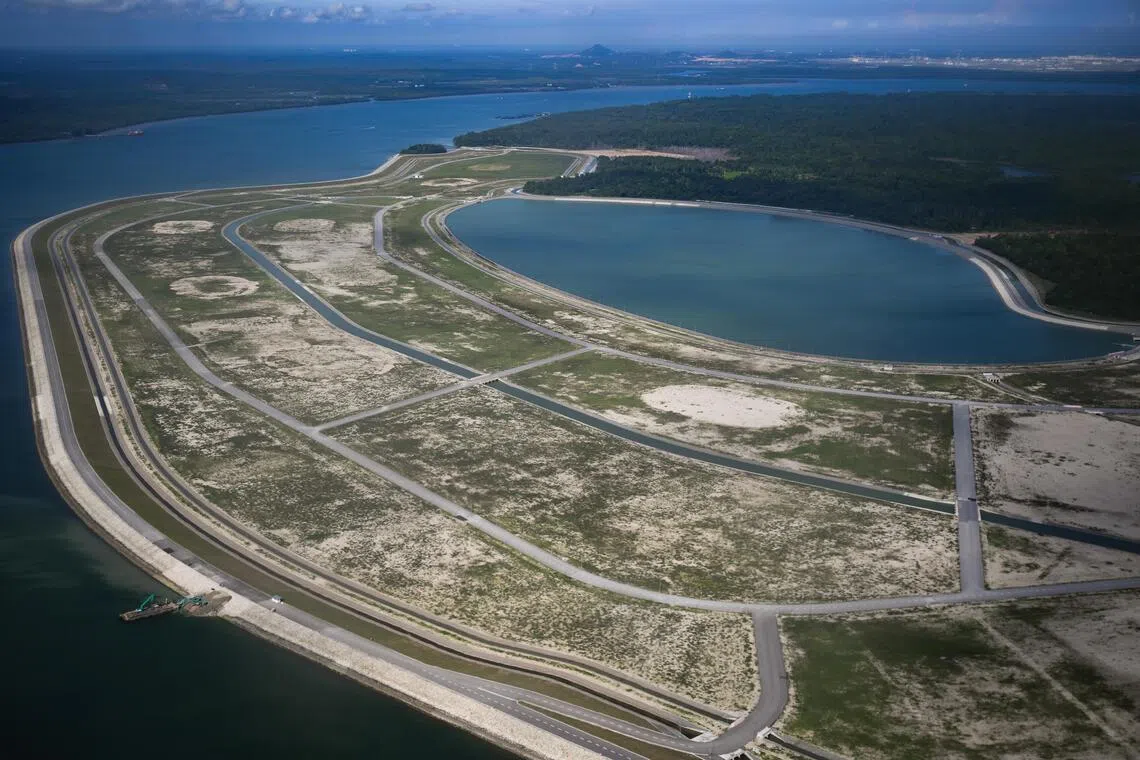
EMA is studying the feasibility of building a 200ha cluster of energy infrastructure on Pulau Tekong.
ST PHOTO: LIM YAOHUI
Published Oct 06, 2026, 02:50 PM
Updated Oct 06, 2026, 02:50 PM
SINGAPORE - The military island of Pulau Tekong could potentially host Singapore’s third liquefied natural gas terminal, hydrogen-compatible natural gas power plants and facilities for importing electricity.
The Energy Market Authority on Oct 6 said it is studying the feasibility of building a 200ha energy infrastructure cluster on the island located off Singapore’s north-eastern coast, to strengthen t he nation’s energy security and support its transition to greener energy sources.
This is equivalent to the size of 288 football fields.
EMA said: “Electricity demand in Singapore will grow as our economy continues to expand. While EMA studies the viability of diverse energy pathways, there is a need to plan ahead for new energy infrastructure to meet our long-term power demand.”
Singapore currently relies on imported natural gas, a fossil fuel, for about 93 per cent of its energy needs.
Singapore is currently building its second liquified natural gas terminal at Jurong Port. The terminal will be operational by the end of the decade. The Republic’s first liquified natural gas terminal began operations on Jurong Island in 2013.
But the country is also looking at alternative energy sources, including the use of hydrogen as a cleaner fuel, and importing electricity directly from its neighbours, to increase its energy security in a climate-friendly way.
To assess the feasibility of building an energy cluster on Pulau Tekong, EMA will appoint a consultant by mid-2027 and it will be tasked to develop a proposed master plan for the cluster. This study is expected to take two years.
Straits Times checks on tender documents published on Oct 5 on government procurement portal GeBiz showed that the study will assess the feasibility of accommodating approximately six gigawatts of domestic power generation and two gigawatts of electricity imports via three designated sea corridors.
For context, Singapore produced about 13 gigawatts of electricity in the first half of 2025.
To date, Singapore has 13 electricity import projects in the works , with a combined capacity of more than 9 gigawatts .
The projects cover solar, wind and hydropower from Malaysia, Indonesia, Cambodia, Vietnam and Australia.
The study will also look into accommodating nine to 15 telecommunication submarine cables via three to five designated sea corridors connecting to the area within Pulau Tekong.
EMA will share three development scenarios with the awarded consultant. Each of the scenarios will outline key areas such as the type of energy mix, their capacity and proposed development timelines. The three scenarios will only be shared with the awarded consultant.
The consultant has to develop a master plan for each scenario that identifies the optimal approach to use the 200ha of land for facilities including power plants, a liquified natural gas terminal, gas facilities, electricity import facilities, substations and a cable tunnel building, stated tender documents.
The feasibility study should also assess the technical, regulatory, environmental and aviation considerations linked with the proposed energy cluster.
This development follows a National Day Rally announcement in August. Prime Minister Lawrence Wong announced then that 500ha of land, about the size of Toa Payoh, could be set aside for civilian use on Pulau Tekong, with more reclamation works at the southern end of the island in the pipeline.
PM Wong also said studies are under way to see if it is feasible to build undersea tunnels linking the mainland to Pulau Tekong, to make it easier for people to reach the island.
EMA’s chief executive Puah Kok Keong said if the plan on Pulau Tekong materialises, the cluster on Pulau Tekong will play an important role to meet Singapore’s growing energy needs.
“Energy is a critical resource to support Singapore’s continued development and growth. It is vital that we plan ahead for our future energy infrastructure needs.”
Defence and military
EMA正在研究在德光岛建设占地200公顷的能源基础设施集群的可行性。
ST 照片:林耀辉
发布于2026年10月6日下午2:50
更新于2026年10月6日下午2:50
新加坡——军事岛屿德光岛有可能成为新加坡第三个液化天然气接收站、氢气兼容型天然气发电厂和电力进口设施的所在地。
10月6日,能源市场管理局表示,正在研究在新加坡东北海岸附近的一个岛屿上建设占地200公顷的能源基础设施集群的可行性,以加强国家的能源安全并支持其向更绿色能源的转型。
这相当于288个足球场的大小。
EMA表示:“随着新加坡经济的持续增长,新加坡的电力需求也将不断增长。EMA在研究各种能源路径的可行性的同时,也需要提前规划新的能源基础设施,以满足我们长期的电力需求。”
新加坡目前约 93% 的能源需求依赖进口天然气(一种化石燃料)。
新加坡目前正在裕廊港建设其第二个液化天然气接收站。该接收站将于本十年末投入运营。新加坡第一个液化天然气接收站于2013年在裕廊岛投入运营。
但该国也在寻求替代能源,包括使用氢能作为更清洁的燃料,以及直接从邻国进口电力,以气候友好的方式提高能源安全。
为评估在德光岛建设能源产业集群的可行性,环境管理署(EMA)将于2027年中期委任顾问,负责制定该集群的总体规划草案。这项研究预计需要两年时间。
《海峡时报》查阅了10月5日在政府采购门户网站GeBiz上发布的招标文件,发现该研究将评估通过三个指定的海上通道容纳约6吉瓦国内发电和2吉瓦电力进口的可行性。
作为参考,新加坡在 2025 年上半年发电量约为 13 吉瓦。
截至目前,新加坡有 13 个电力进口项目正在筹建中,总装机容量超过 9 吉瓦。
这些项目涵盖来自马来西亚、印度尼西亚、柬埔寨、越南和澳大利亚的太阳能、风能和水力发电。
该研究还将探讨如何通过三到五条指定的海底走廊,将九到十五条海底通信电缆连接到德光岛区域。
EMA将向中标顾问提供三种开发方案。每种方案都将概述关键领域,例如能源结构类型、能源容量和拟议的开发时间表。这三种方案仅提供给中标顾问。
招标文件中规定,顾问必须针对每种方案制定总体规划,确定利用 200 公顷土地建设包括发电厂、液化天然气终端、天然气设施、电力进口设施、变电站和电缆隧道大楼在内的设施的最佳方法。
可行性研究还应评估与拟议能源集群相关的技术、监管、环境和航空方面的考虑因素。
这一进展源于8月份国庆群众大会上的一项宣布。当时,总理黄循财宣布,德光岛上将划出约500公顷(面积与大巴窑相当)的土地用于民用,并且该岛南端还有更多的填海工程正在筹备中。
黄总理还表示,目前正在进行研究,以确定修建连接大陆和德光岛的海底隧道是否可行,以便人们更容易到达该岛。
EMA首席执行官蒲国强表示,如果德光岛的计划得以实现,德光岛集群将在满足新加坡日益增长的能源需求方面发挥重要作用。
“能源是支撑新加坡持续发展和增长的关键资源。我们必须提前规划未来的能源基础设施需求。”
国防和军事