Budget 2027: Lim Guan Eng urges caution on foreign worker wage hikes over SME contract risks2027年财政预算案:林冠英敦促对提高外籍劳工工资持谨慎态度,以免影响中小企业合同风险。
KUALA LUMPUR, Oct 7 — Federal lawmaker Lim Guan Eng (Bagan - DAP) today again called on the government to consider the financial impact on small and medium businesses amid...
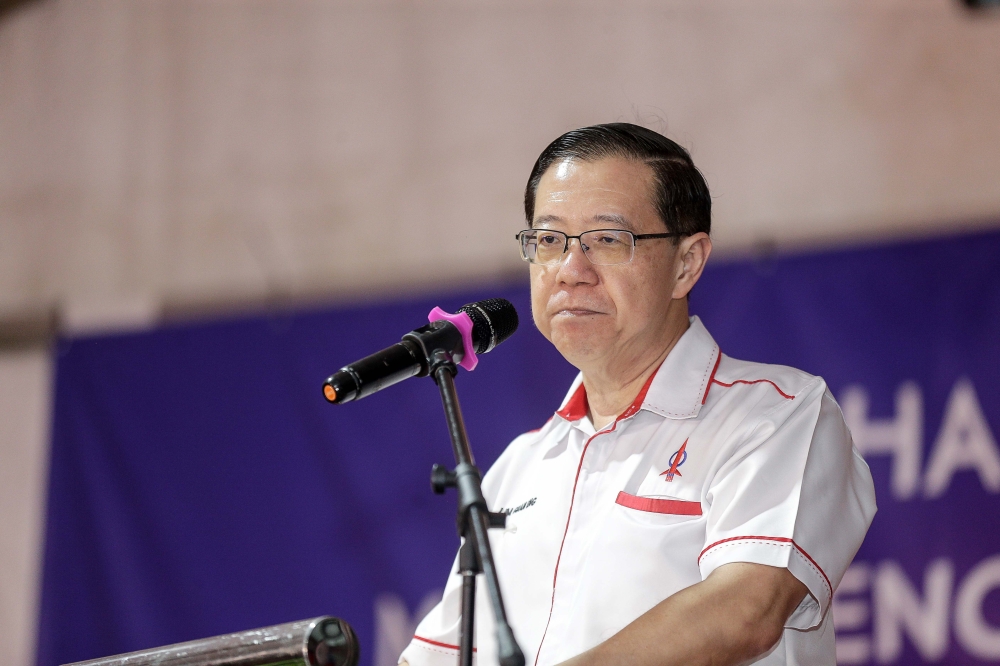
Lim Guan Eng urged the government to consider the financial impact on small and medium businesses if the minimum wage is raised abruptly in Budget 2027.
He argued that sudden wage hikes could strain businesses operating under fixed contracts, causing financial and operational issues.
Lim's stance aligns with the Malaysian Employers Federation's view that wage growth should depend on productivity and market forces rather than statutory increases.
KUALA LUMPUR, Oct 7 — Federal lawmaker Lim Guan Eng (Bagan - DAP) today again called on the government to consider the financial impact on small and medium businesses amid rumours it could raise the minimum wage when tabling Budget 2027, warning that abrupt hikes could disrupt long-term commercial agreements.
Lim, a former finance minister, argued that many enterprises operate under binding multi-year contracts where labor costs are fixed at agreed-upon rates.
“Many businesses have long-term contracts with foreign workers at agreed rates,” the DAP leader said at a press conference in Parliament this afternoon.
“A sudden wage increase would place an unexpected financial burden on employers.”
Lim, a former finance minister, noted that unexpected cost surges could strain operating margins and create operational friction for businesses unable to renegotiate existing contractual terms on short notice.
The former minister has been vocal in opposing the minimum wage hike and mandatory EPF contribution for foreign workers.
Lim claimed employers are often forced to hire foreign workers because it’s difficult to hire locals, particularly for SMEs, although his critics reject the argument as a “script” companies typically deploy to continue suppressing wages.
The former minister’s view closely aligns with the core arguments consistently raised by the Malaysian Employers Federation. The MEF generally opposes frequent or steep statutory minimum wage hikes across the board, favoring wage growth tied strictly “to productivity and market forces”.
Malaysian workers productivity have grown in the last 10 years, yet real wages grew at a fraction of that rate — averaging around 1 per cent annually, with periods of stagnant or declining purchasing power for private-sector employees, data from Bank Negara Malaysia and the Department of Statistics Malaysia showed.
Malaysia’s compensation of employees (CE) share of GDP, that is the portion of economic output paid out as wages, has historically lingered around 32 to 35 per cent, significantly below developed economies, data from the two bodies show.
This means greater share of value creation by Malaysian workers flows to capital returns, corporate profits, and reinvestment rather than payroll.
CE typically sits between 45 to 50 per cent in richer economies.
A bridge, fresh paint and ‘like Deepavali’: Wangsa Sari PPR in KL gets a makeover
Azalina sees ‘dangerous misogynistic tendency’ in violence against female students, urges closer look
No warnings, just arrests: Mayor says this is how DBKL deals with parking touts
林冠英敦促政府考虑,如果在2027年财政预算案中突然提高最低工资,会对中小企业造成怎样的财务影响。
他认为,突然的工资上涨可能会给按固定合同运营的企业带来压力,导致财务和运营问题。
林先生的立场与马来西亚雇主联合会的观点一致,即工资增长应取决于生产力和市场力量,而不是法定增长。
吉隆坡,10月7日讯——联邦议员林冠英(峇眼-民主行动党)今日再次呼吁政府在提交2027年财政预算案时,考虑提高最低工资对中小企业造成的财务影响,并警告称,突然提高最低工资可能会扰乱长期的商业协议。
前财政部长林冠英认为,许多企业都是在具有约束力的多年合同下运营的,劳动力成本按约定的价格固定不变。
“许多企业与外籍劳工签订了长期合同,并约定了工资标准,”民主行动党领袖今天下午在国会举行的新闻发布会上表示。
“工资突然上涨会给雇主带来意想不到的经济负担。”
前财政部长林冠英指出,意外的成本激增可能会挤压企业的运营利润空间,并给那些无法在短时间内重新协商现有合同条款的企业造成运营摩擦。
这位前部长一直公开反对提高最低工资标准和强制外籍劳工缴纳公积金。
林声称,雇主往往被迫雇用外国工人,因为雇用本地工人很困难,尤其是对于中小企业而言。不过,他的批评者驳斥了这种说法,认为这只是公司为了继续压低工资而惯用的“伎俩”。
这位前部长的观点与马来西亚雇主联合会一贯提出的核心论点高度一致。马来西亚雇主联合会通常反对频繁或大幅度提高法定最低工资,而是倾向于工资增长严格与“生产力和市场力量”挂钩。
马来西亚国家银行和马来西亚统计局的数据显示,过去 10 年,马来西亚工人的生产力有所提高,但实际工资的增长速度却远低于此——平均每年约为 1%,而且私营部门员工的购买力还出现停滞或下降的时期。
这两个机构的数据显示,马来西亚雇员报酬(CE)占国内生产总值(GDP)的份额,即以工资形式支付的经济产出部分,历来徘徊在 32% 至 35% 左右,远低于发达经济体。
这意味着马来西亚工人创造的价值中,更大比例会流向资本回报、企业利润和再投资,而不是用于支付工资。
在较富裕的经济体中,CE 通常占 45% 到 50%。
一座桥梁、焕然一新的油漆,以及“如同屠妖节般的景象”:吉隆坡旺沙沙里人民组屋焕发新生
阿扎琳娜认为针对女学生的暴力行为中存在“危险的厌女倾向”,并敦促对此进行更深入的调查。
不警告,只逮捕:市长表示,吉隆坡市政局就是这样处理停车拉客者的。