Malaysia needs highly skilled talent to support shift to high-value economy, says Zambry赞布里表示,马来西亚需要高技能人才来支持向高价值经济转型。
PUTRAJAYA, Oct 8 — Malaysia needs skilled talent to support its transition to a high-value economy, Higher Education Minister Datuk Seri Zambry Abd Kadir said.He said the country...
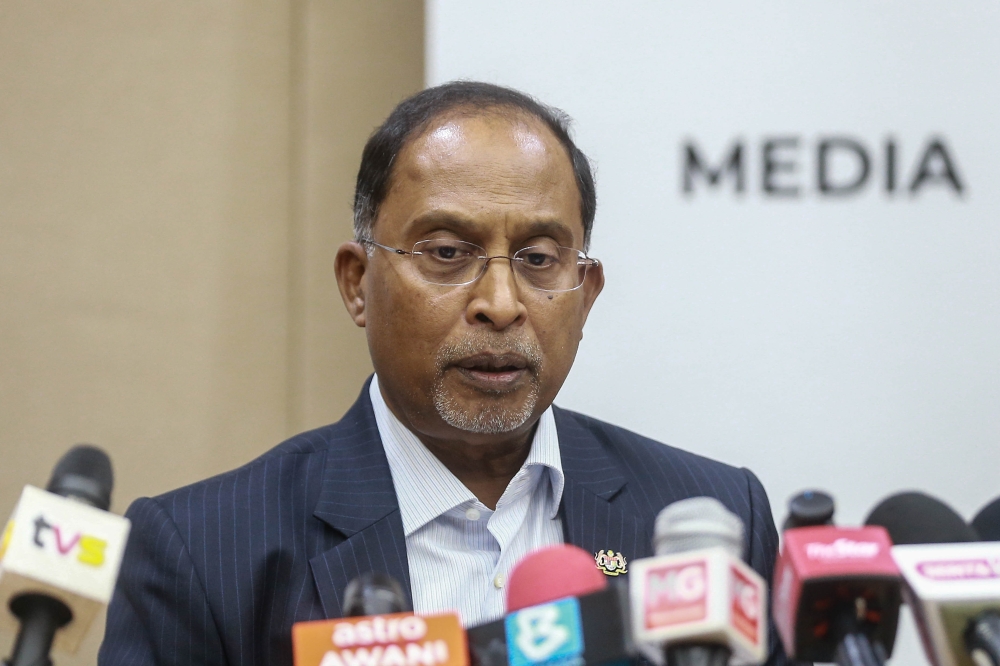
Malaysia's transition to a high-value economy requires highly skilled talent, with several policies and plans like the Malaysia Higher Education Blueprint 2026-2035 supporting this goal.
Industries should collaborate with educational institutions, not just receive graduates, to identify needs and develop competencies, ensuring relevant skills and real-world experience.
Polytechnics and community colleges must align programmes with industry needs, developing them collaboratively to address skills mismatches and ensure graduates find relevant employment.
PUTRAJAYA, Oct 8 — Malaysia needs skilled talent to support its transition to a high-value economy, Higher Education Minister Datuk Seri Zambry Abd Kadir said.
He said the country has several policies and plans to develop highly skilled talent, including the Malaysia Higher Education Blueprint 2026-2035, the 13th Malaysia Plan and the National Technical and Vocational Education and Training (TVET) Policy 2030.
“We want industries to move further up the value chain. We want high-growth sectors to expand. We want quality investments to bring in technology and better jobs.
“However, there can be no economic transformation without talent transformation. We can bring in the best technology and develop the most advanced infrastructure, but ultimately, everything depends on people with the knowledge, skills and values to drive it,” he said.
He said this in a speech delivered by Higher Education Ministry secretary-general Datuk Dr Aminuddin Hassim at the Industry Nexus (INDEX) 2026: TVET Collaboration Hub programme here today.
Zambry said INDEX is more than a platform that brings institutions and industry together; it connects industry needs with the strengths of higher education.
“We want this relationship to move beyond mere engagement towards creating things together. Industry should not simply be at the end of the chain as a recipient of graduates, but work with institutions to identify needs, develop competencies, bring in technology and provide opportunities for real-world experience.
“In other words, we need to move from relationships to collaboration, and from collaboration to value creation,” he said.
Meanwhile, Zambry said polytechnics and community colleges (POLYCC) must keep strengthening high-impact programmes with clear links to growth sectors and industry needs.
“The principle is simple. Do not develop programmes first and then ask industry whether it needs graduates. Identify industry needs first, then develop the programmes and talent together.
“This approach is important in addressing the skills mismatch. We cannot be satisfied when graduates secure jobs,” he said. — Bernama
National Climate Change Bill to institutionalise mandatory carbon accounting, says Arthur Kurup
Anwar personally contacts Indonesian President Prabowo over haze crisis
Selangor govt, state education dept to discuss measures to address haze and Super El Nino, says MB
马来西亚向高价值经济转型需要高技能人才,马来西亚高等教育蓝图 2026-2035 等多项政策和计划都在支持这一目标。
各行业应该与教育机构合作,而不仅仅是接收毕业生,以发现需求并培养能力,确保相关技能和实际经验。
理工学院和社区学院必须使课程与行业需求保持一致,通过合作开发课程来解决技能错配问题,并确保毕业生找到相关的工作。
布城,10月8日讯——马来西亚高等教育部长拿督斯里赞布里·阿卜杜勒·卡迪尔表示,马来西亚需要技术人才来支持其向高价值经济转型。
他表示,马来西亚有多项政策和计划来培养高技能人才,包括《2026-2035年马来西亚高等教育蓝图》、《第十三个马来西亚计划》和《2030年国家技术和职业教育培训(TVET)政策》。
“我们希望各行业向价值链高端发展。我们希望高增长行业扩张。我们希望高质量的投资带来技术进步和更好的就业机会。”
“然而,没有人才转型,就没有经济转型。我们可以引进最好的技术,发展最先进的基础设施,但归根结底,一切都取决于那些拥有知识、技能和价值观来推动转型的人,”他说道。
他在今天于此举行的“产业联盟 (INDEX) 2026:职业技术教育与培训合作中心”活动上,由高等教育部秘书长拿督阿米努丁·哈西姆博士发表讲话时说了这番话。
Zambry表示,INDEX不仅仅是一个将院校和行业联系起来的平台;它将行业需求与高等教育的优势联系起来。
“我们希望这种关系超越单纯的合作,发展到共同创造。产业界不应仅仅是毕业生的接收者,而应与院校合作,共同确定需求、培养能力、引入技术并提供实践机会。”
“换句话说,我们需要从建立关系转向合作,再从合作转向创造价值,”他说。
与此同时,赞布里表示,理工学院和社区学院(POLYCC)必须继续加强与增长行业和产业需求有明确联系的高影响力课程。
“原则很简单。不要先制定课程,然后再问企业是否需要毕业生。要先确定企业的需求,然后再共同制定课程和培养人才。”
他说:“这种方法对于解决技能错配问题至关重要。我们不能仅仅满足于毕业生找到工作。”——马新社
亚瑟·库鲁普表示,《国家气候变化法案》将把强制性碳核算制度化。
安瓦尔就雾霾危机亲自联系了印尼总统普拉博沃
雪兰莪州政府和州教育局将讨论应对雾霾和超级厄尔尼诺现象的措施,州务大臣表示。