Why Malaysian professionals look to Singapore? Because they can earn double or more, says HR minister马来西亚专业人士为何青睐新加坡?人力资源部长表示,因为他们可以赚到两倍甚至更多的收入。
KUALA LUMPUR, Oct 8 — Malaysian professionals could earn significantly higher working in neighbouring Singapore compared to just a median income of around RM6,000 here, according...
A study highlights a significant wage disparity between Malaysia and Singapore, with Malaysian professionals potentially earning much higher salaries in Singapore, especially in the high-tech sector.
The Malaysian government, led by the Anwar administration, is addressing this issue through initiatives like a progressive wage policy targeting workers earning below RM5,000 and introducing a 15% flat tax rate for skilled workers under the Johor-Singapore Special Economic Zone.
This strategic approach is part of broader efforts, including TalentCorp's Returning Experts Programme, to curb talent outflow and encourage Malaysian professionals to return from abroad by offering competitive incentives and benefits.
KUALA LUMPUR, Oct 8 — Malaysian professionals could earn significantly higher working in neighbouring Singapore compared to just a median income of around RM6,000 here, according to a study, highlighting a stark wage disparity that Putrajaya is seeking to address through targeted tax incentives and wage growth initiatives.
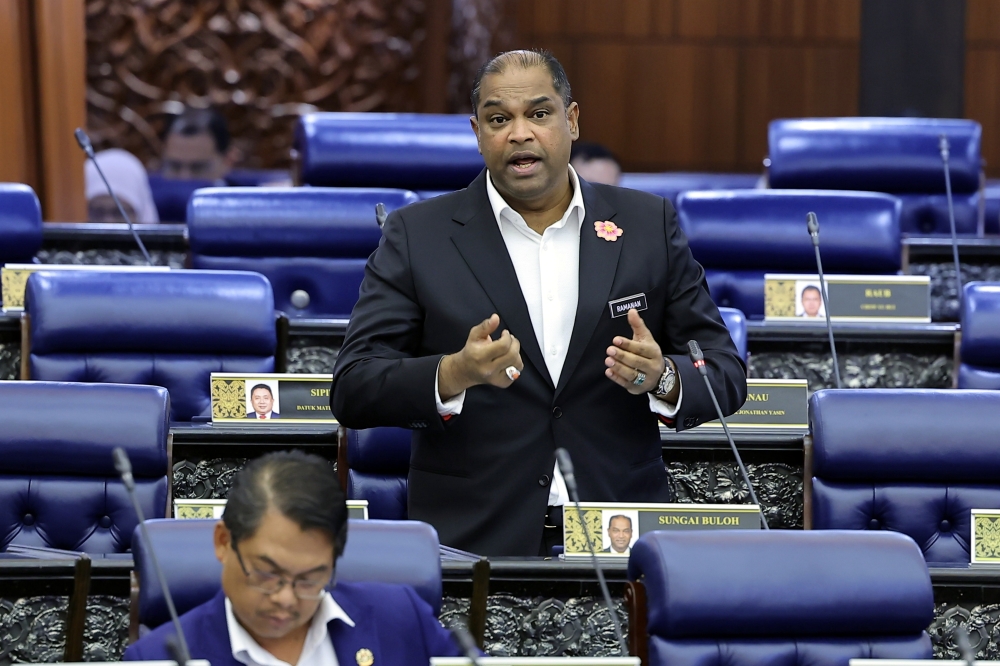
Human Resources Minister Datuk Seri R Ramanan said in a written parliamentary reply that data from the Statistics Department’s 2025 wage survey placed the median monthly wage for professionals in Malaysia at RM6,124 ($1,430).
By contrast, a study by government agency TalentCorp showed that a majority of Malaysian professionals employed in Singapore earn between SG$4,001 (RM12,773) and SG$7,000 (RM22,348) per month.
“A 2024 study conducted by Talent Corporation Malaysia Berhad (TalentCorp) titled Push and Pull Factors Influencing Malaysians to Work in Singapore and Proposes Relevant Policy Recommendations found that 94.5 per cent of respondents cited higher salaries and better earning potential as the primary factor attracting them to work in Singapore,” the minister said.
The earnings gap is most pronounced in high-tech sectors, he added, with TalentCorp finding that skilled Malaysian professionals in Singapore can command monthly salaries exceeding SG$10,000 (RM31,926), particularly in information technology.
The Anwar government has deployed a progressive wage policy model designed to uplift workers earning below RM5,000 a month to curb talent outflow and boost local compensation.
Malaysia is also rolling out tax relief mechanisms under the Johor-Singapore Special Economic Zone (JS-SEZ), introducing a flat 15 per cent personal income tax rate for eligible knowledge workers employed by companies in the zone.
The tax incentive is aimed at inducing Singapore-based firms to relocate operations across the border to Johor, allowing businesses to optimise operational costs while offering higher salaries to local workers.
Malaysian professionals earning the national median wage of RM6,124 per month are typically subject to a standard personal income tax rate of 19 per cent.
Ramanan said Putrajaya is also utilising TalentCorp’s Returning Experts Programme which also features a flat 15 per cent tax rate as part of a broader strategy to incentivise Malaysian talent abroad to return home.
Jelutong MP urges govt to provide financial assistance to families of Malaysians missing in Nepal floods
E-hailing driver claims trial to driving under influence of drugs, causing Maldivian student’s death on LDP
Malaysia needs highly skilled talent to support shift to high-value economy, says Zambry
一项研究强调了马来西亚和新加坡之间存在显著的工资差距,马来西亚专业人士在新加坡的收入可能会高得多,尤其是在高科技领域。
马来西亚政府在安华政府的领导下,正通过一系列举措来解决这个问题,例如针对月收入低于 5000 令吉的工人的渐进式工资政策,以及对柔佛-新加坡经济特区内的技术工人实行 15% 的统一税率。
这一战略方针是更广泛的努力的一部分,其中包括人才机构的“回国专家计划”,旨在遏制人才外流,并通过提供有竞争力的激励措施和福利来鼓励马来西亚专业人士从国外回国。
吉隆坡,10 月 8 日讯——一项研究显示,马来西亚专业人士在邻国新加坡工作的收入可能远高于在马来西亚的中位数收入(约 6000 令吉),凸显了巨大的工资差距。布城正试图通过有针对性的税收优惠和工资增长计划来解决这一问题。
人力资源部长拿督斯里拉马南在国会书面答复中表示,统计局 2025 年工资调查数据显示,马来西亚专业人士的月工资中位数为 6124 令吉(1430 美元)。
相比之下,政府机构 TalentCorp 的一项研究表明,在新加坡工作的马来西亚专业人士中,大多数人的月收入在 4,001 新加坡元(12,773 令吉)至 7,000 新加坡元(22,348 令吉)之间。
部长表示:“马来西亚人才机构有限公司(TalentCorp)于2024年进行的一项名为《影响马来西亚人赴新加坡工作的推拉因素及相关政策建议》的研究发现,94.5%的受访者表示,更高的薪水和更好的收入潜力是吸引他们赴新加坡工作的主要因素。”
他还补充说,高科技行业的收入差距最为明显,TalentCorp 的调查发现,在新加坡工作的马来西亚技术娴熟的专业人士每月薪资可超过 10,000 新加坡元(31,926 令吉),尤其是在信息技术领域。
安华政府推行了一项渐进式工资政策模式,旨在提高月收入低于 5000 令吉的工人的收入,以遏制人才外流并提高本地员工的薪酬。
马来西亚也在柔佛-新加坡经济特区 (JS-SEZ) 下推出税收减免机制,对在该特区内公司工作的符合条件的知识型员工实行 15% 的统一个人所得税率。
这项税收优惠旨在吸引新加坡企业将业务迁至柔佛州,使企业能够在优化运营成本的同时,为当地员工提供更高的薪资。
马来西亚专业人士如果月薪达到全国中位数工资 6,124 令吉,通常需要缴纳 19% 的标准个人所得税。
拉马南表示,布城也在利用人才机构的“回国专家计划”,该计划也采取了15%的统一税率,作为一项更广泛的战略的一部分,旨在激励海外马来西亚人才回国。
日落洞国会议员敦促政府向在尼泊尔洪灾中失踪的马来西亚公民家属提供经济援助
网约车司机声称受审,被控在吸毒后驾车导致马尔代夫学生在LDP高速公路上死亡。
赞布里表示,马来西亚需要高技能人才来支持向高价值经济转型。