Where Hokkien traders settled and miners thrived, Dungun’s ‘kedai kayu’ still whisper history在福建商人定居、矿工兴旺的地方,东贡的“木屋”至今仍在低语着历史。
DUNGUN, Oct 8 — The surviving rows of two-storey wooden shophouses, known locally as ‘kedai kayu’, in Kuala Dungun are more than remnants of traditional architecture; they...
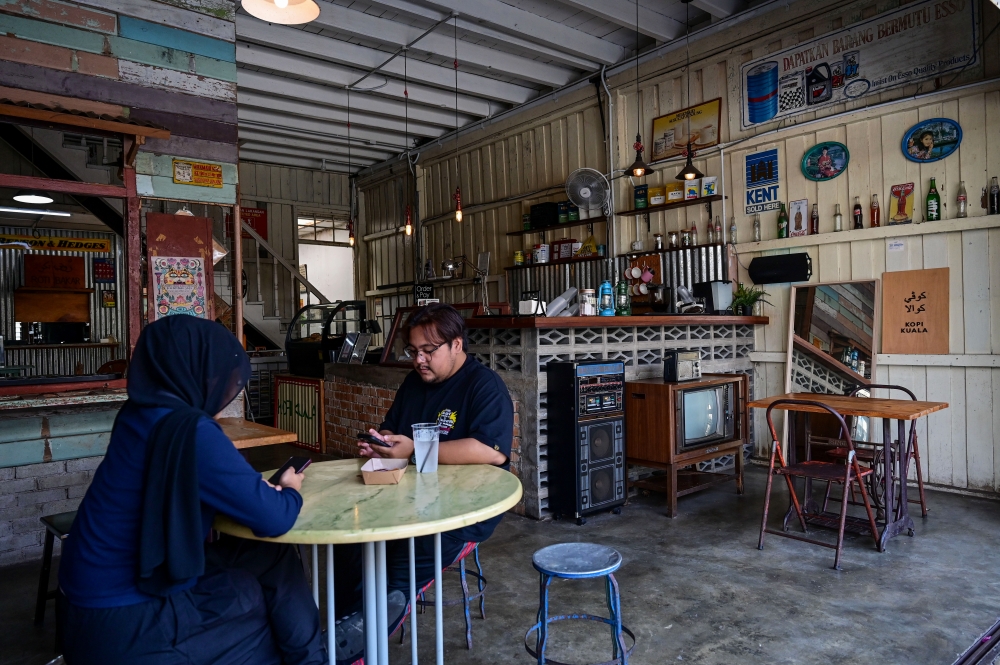
The wooden shophouses, or 'kedai kayu,' in Kuala Dungun, built in 1933, are historical edifices that illustrate the town's evolution from a fishing village to a thriving trading hub, especially during the iron ore mining boom in Bukit Besi from the 1930s to the 1960s.
These structures remain a testament to the town's rich commercial past, with about 100 units still in operation housing various businesses.
Notably, the area's reorganization in 1933 fueled trade growth, attracting numerous Chinese immigrants who became instrumental in the local economy.
Despite modern adaptations, many of these shophouses preserve their original architectural essence.
DUNGUN, Oct 8 — The surviving rows of two-storey wooden shophouses, known locally as ‘kedai kayu’, in Kuala Dungun are more than remnants of traditional architecture; they stand as witnesses to the history of a town once the centre of trade and economic activity in the district.
Built in 1933, the wooden buildings still carry the character of a bygone era, with timber main structures and windows, though some have been modified over the years to meet modern business needs.
Kuala Dungun trader and resident Ang Ah Kiang, 76, said the buildings are closely linked to the town’s history, which saw it develop from a fishing village into an important trading centre.
He said Kuala Dungun’s role later changed as economic activity picked up following the rapid development of the iron ore mining industry in Bukit Besi, particularly from the 1930s to the 1960s, before the mine closed in 1970.
“The economic growth also indirectly spurred trade in Kuala Dungun, including the emergence of various shops supplying the needs of residents and workers,” he told Bernama when met here today.
Ang said the wooden shops still operating today show the continuity between Kuala Dungun’s trading activities in the past and its business activities today, noting that some of the wooden shops in Kuala Dungun were built between 1930 and 1960.
He said about 100 wooden shop units were built during the period, and the premises now house a range of businesses, including restaurants, hardware stores, electrical shops, motorcycle dealers, plastic goods shops, grocery stores and photo shops.
Meanwhile, restaurant operator Mohd Kamal Hamid, 59, said he has rented the more than 90-year-old shop since 1986, after his father rented the premises in 1980.
He said that although the wooden shop, which he rents for RM1,200 a month, has undergone several renovations, its original structure has been preserved.
“I was told that the original owner of this wooden shop was a former employee of the iron ore mining company in Bukit Besi, and that the building was purchased in the 1930s,” he said.
Meanwhile, the Dungun chapter of the Malaysian Historical Society honorary secretary Wan Mohd Rosli Wan Ngah said that in 1933, the Dungun District Office reorganised Kuala Dungun by creating wooden shop lots as a commercial centre to support the growth of trade in the area.
According to him, more Chinese residents were settling in Kuala Dungun at the time, purchasing land and newly completed wooden shophouses.
“Malay residents living in Kuala Dungun were relocated to a new and more comfortable village, Kampung Tanah Lot,” he said.
However, he said Hokkien Chinese from southern China had begun migrating to the district as early as 1922, with many settling along the outskirts of the Sungai Dungun estuary.
“They came to open businesses such as grocery, seafood and rubber shops, and later dominated the wooden shophouses in Kuala Dungun after the town was reorganised in 1933,” he added. — Bernama
From ‘kodokushi’ in Japan to Perak villages, lonely deaths rise as Malaysia’s ageing population grows
Nature in freefall: WWF says wildlife populations plunge 73pc since 1970
Palm‑sized hatchlings, big win: Malaysia’s green turtles defy global wildlife decline
Tawau police arrest 14 boys after playground fight with weapons goes viral on social media
Struggling with PTPTN? MoHE says come talk — restructure, defer, and keep repayments on track
Budget 2027 aims to sustain growth while protecting households from subsidy reforms and cost pressures
瓜拉登贡的木制店屋,或称“kedai kayu”,建于 1933 年,是历史建筑,展现了该镇从渔村发展成为繁荣的贸易中心的过程,尤其是在 20 世纪 30 年代至 60 年代武吉贝西铁矿开采热潮期间。
这些建筑见证了该镇辉煌的商业历史,其中约有 100 栋仍在运营,容纳着各种企业。
值得一提的是,该地区在 1933 年的重组促进了贸易增长,吸引了众多中国移民,他们对当地经济起到了至关重要的作用。
尽管经过现代化改造,许多店屋仍然保留了其原有的建筑精髓。
登嘉楼,10 月 8 日讯——瓜拉登嘉楼现存的成排两层木制店屋,当地人称之为“木屋”,不仅仅是传统建筑的遗迹;它们见证了这座曾经是该地区贸易和经济活动中心的城镇的历史。
这些建于 1933 年的木结构建筑仍然保留着昔日时代的特色,主要结构和窗户都是木制的,尽管多年来有些建筑已经过改造以满足现代商业需求。
瓜拉登嘉楼商人兼居民、76岁的Ang Ah Kiang表示,这些建筑与该镇的历史紧密相连,见证了该镇从一个渔村发展成为一个重要的贸易中心。
他表示,随着武吉比西铁矿开采业的快速发展,特别是从 20 世纪 30 年代到 60 年代,经济活动有所回升,瓜拉登贡的角色也随之发生了变化,直到该矿于 1970 年关闭。
“经济增长也间接促进了瓜拉登嘉楼的贸易,包括涌现出各种商店,满足居民和工人的需求,”他今天在这里接受马新社采访时表示。
Ang表示,如今仍在营业的木制店铺表明了瓜拉登嘉楼过去贸易活动与如今商业活动的延续性,并指出瓜拉登嘉楼的一些木制店铺建于1930年至1960年间。
他说,在此期间建造了大约 100 间木制店铺,现在这些店铺里入驻了各种各样的商家,包括餐馆、五金店、电器店、摩托车经销商、塑料制品店、杂货店和照相馆。
与此同时,59 岁的餐厅经营者 Mohd Kamal Hamid 表示,他从 1986 年开始租用这家已有 90 多年历史的店铺,他的父亲在 1980 年租用了这处房产。
他说,虽然他每月以 1200 令吉的价格租下的这间木制店铺已经过多次翻新,但其原始结构仍然保留了下来。
他说:“我听说这家木屋店的原主人是武吉贝西铁矿公司的前雇员,这栋建筑是在 20 世纪 30 年代购买的。”
与此同时,马来西亚历史学会登嘉楼分会名誉秘书 Wan Mohd Rosli Wan Ngah 表示,1933 年,登嘉楼县政府对瓜拉登嘉楼进行了重组,建造了木制店屋作为商业中心,以支持该地区的贸易发展。
据他所说,当时有更多华人居民在瓜拉登嘉楼定居,购买土地和新建成的木制店屋。
他说:“居住在瓜拉登嘉楼的马来居民被安置到了一个更舒适、更宜居的新村庄——甘榜丹那洛特。”
不过,他说,来自中国南方的福建人早在 1922 年就开始迁徙到该地区,许多人定居在双溪东根河口边缘。
“他们最初开设杂货店、海鲜店和橡胶店等生意,后来在1933年瓜拉登嘉楼镇重新规划后,逐渐占据了那里的木制店屋,”他补充道。——马新社
从日本的“孤尸”到霹雳州的村庄,随着马来西亚人口老龄化,孤独死亡的案例也在增加。
自然界急剧衰落:世界自然基金会称,自1970年以来,野生动物数量锐减73%。
手掌大小的幼龟破壳而出,意义重大:马来西亚绿海龟逆全球野生动物数量下降的趋势而存活
斗湖警方逮捕了14名男孩,此前一段男孩在操场上持械斗殴的视频在社交媒体上疯传。
还在为高等教育基金(PTPTN)还款而苦恼吗?高等教育部表示,欢迎前来洽谈——重组还款计划、延期还款,并确保还款按时完成。
2027年预算案旨在维持经济增长,同时保护家庭免受补贴改革和成本压力的影响。