Do I have to pay for the Covid-19 vaccine when it becomes part of the national immunisation schedule?新冠疫苗纳入国家免疫计划后,我是否需要付费接种?
Covid-19 vaccines remain free in Singapore and will be added to national immunisation schedules from Oct 12. Read more at straitstimes.com.
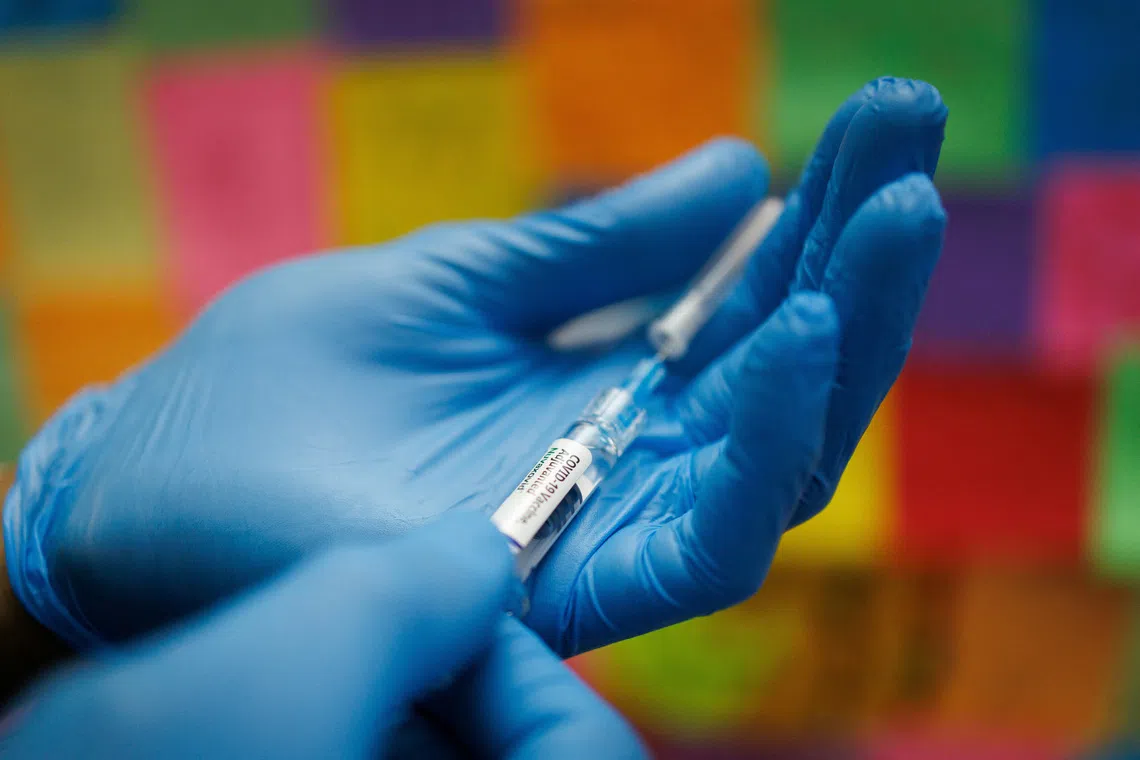
Covid-19 vaccines continue to be free of charge for all Singapore citizens, permanent residents, long-term and certain short-term pass holders.
Published Oct 09, 2026, 08:30 PM
Updated Oct 09, 2026, 08:30 PM
Covid-19 vaccines stay free for eligible Singapore residents under the national schedules, and they are highly recommended but not compulsory.
From Monday, Oct 12, the vaccines move from the National Vaccination Programme into the National Childhood and Adult Immunisation Schedules for long-term use.
The vaccines are advised for vulnerable children, seniors, care home residents and healthcare workers, with doses available at over 600 GP clinics, polyclinics and mobile sites.
SINGAPORE - From Monday (Oct 12), Covid-19 vaccines will be added to the National Childhood Immunisation Schedule (NCIS) and to the National Adult Immunisation Schedule (NAIS) .
This has been the case since 2020 under the National Vaccination Programme , to encourage people to get vaccinated during the pandemic.
Is it compulsory to be vaccinated against Covid-19?
Like many vaccines under both the NCIS and NAIS to protect Singapore residents against vaccine-preventable diseases, the ones against Covid-19 are recommended but optional. The only two vaccines that are compulsory under the NCIS are against measles and diphtheria.
Why was the National Immunisation Schedule set up in the first place?
The key purpose of the schedule is for disease prevention and control; to reduce complications and death; and for the country to adapt using science and global guidelines, such as those from the World Health Organisation, which are then tailored to fit local disease patterns, healthcare needs, and population data.
The schedule also serves to educate the public about vital vaccines that are accessible and affordable through national subsidies and programmes like Healthier SG and Medisave.
What are the lists of vaccines under NCIS and NAIS and do they protect against the same diseases?
Apart from vaccines against measles and diphtheria which are compulsory, the NCIS covers vaccinations against 12 other diseases - tuberculosis, hepatitis B, tetanus, pertussis, poliovirus, haemophilus influenzae typeB, mumps, rubella, varicella (chickenpox), pneumococcal disease, human papillomavirus and influenza.
The vaccines for adults protect against 12 diseases - Influenza, pneumococcal disease, human papillomavirus, tetanus, diphtheria, pertussis, measles, mumps, rubella, hepatitis B, chickenpox and shingles.
Under the National Immunisation Schedules, the Covid-19 vaccines become a regular innoculation against the risk of the virus, which has become endemic and continues to circulate in the community.
Moving the vaccine from the initial National Vaccination Programme (NVP) - set up specifically for the acute phase of the pandemic - to the standard national schedules ensures the vaccine remains accessible and affordable in the long term.
How often should I take the vaccine?
Those receiving Covid-19 jabs for the first time should receive two doses eight weeks apart if they are aged six months to four years, or one dose if they are aged five and older. For those aged six months and above who have been vaccinated , they should get an additional dose at around a year; and at least five months after their last dose.
Who should be vaccinated against Covid-19?
The vaccine is recommended for medically vulnerable children aged six months and up, seniors aged 60 and above, and residents of aged care facilities. Healthcare workers and people who live or work with medically vulnerable individuals are also encouraged to get vaccinated to help protect those around them.
Where can I get vaccinated?
Updated Covid-19 vaccines will be available at more than 600 general practitioner clinics, all polyclinics, and mobile vaccination sites. Appointments at participating clinics can be booked at https://vaccine.gov.sg/covid while appointments at polyclinics can be booked through HealthHub.
Covid-19 - Singapore
新冠疫苗继续对所有新加坡公民、永久居民、长期准证持有者和部分短期准证持有者免费开放。
发布于2026年10月9日晚上8:30
更新于2026年10月9日晚上8:30
根据国家疫苗接种计划,符合条件的新加坡居民可以免费接种新冠疫苗,强烈建议接种,但并非强制接种。
从 10 月 12 日星期一开始,这些疫苗将从国家疫苗接种计划转移到国家儿童和成人免疫计划中,长期使用。
建议弱势儿童、老年人、养老院居民和医护人员接种疫苗,超过 600 家全科诊所、综合诊所和流动接种点提供疫苗。
新加坡——从星期一(10 月 12 日)起,新冠疫苗将被纳入国家儿童免疫计划(NCIS)和国家成人免疫计划(NAIS)。
自 2020 年国家疫苗接种计划实施以来,一直鼓励人们在疫情期间接种疫苗。
接种新冠疫苗是强制性的吗?
与新加坡国家疫苗计划 (NCIS) 和国家免疫计划 (NAIS) 下许多其他旨在保护新加坡居民免受疫苗可预防疾病侵害的疫苗一样,新冠病毒疫苗是推荐接种但非强制性的。根据 NCIS,麻疹疫苗和白喉疫苗是强制接种的疫苗。
当初为什么要设立国家免疫计划?
该时间表的主要目的是预防和控制疾病;减少并发症和死亡;并使该国能够利用科学和全球指南(例如世界卫生组织的指南)进行调整,然后根据当地的疾病模式、医疗保健需求和人口数据进行调整。
该时间表还有助于向公众普及重要疫苗的相关知识,这些疫苗可以通过国家补贴和诸如“健康新加坡”和“保健储蓄”等计划获得,而且价格实惠。
NCIS 和 NAIS 的疫苗清单是什么?它们预防的疾病是否相同?
除了必须接种的麻疹和白喉疫苗外,NCIS 还涵盖针对其他 12 种疾病的疫苗接种——结核病、乙型肝炎、破伤风、百日咳、脊髓灰质炎病毒、B 型流感嗜血杆菌、腮腺炎、风疹、水痘、肺炎球菌疾病、人乳头瘤病毒和流感。
成人疫苗可预防 12 种疾病——流感、肺炎球菌疾病、人乳头瘤病毒、破伤风、白喉、百日咳、麻疹、腮腺炎、风疹、乙型肝炎、水痘和带状疱疹。
根据国家免疫计划,新冠疫苗成为预防该病毒风险的常规接种措施,该病毒已成为地方性流行病,并继续在社区中传播。
将疫苗从最初专门为应对疫情急性期而设立的国家疫苗接种计划 (NVP) 转移到标准国家接种计划,可确保疫苗在长期内保持可及性和可负担性。
我应该多久接种一次疫苗?
首次接种新冠疫苗的人群,如果年龄在6个月至4岁之间,应接种两剂,间隔8周;如果年龄在5岁及以上,则只需接种一剂。对于6个月及以上且已接种过疫苗的人群,应在大约1岁时接种第二剂,且至少在上次接种后5个月。
哪些人应该接种新冠疫苗?
建议为6个月及以上的体弱儿童、60岁及以上的老年人以及养老院居民接种疫苗。同时,也鼓励医护人员以及与体弱者共同生活或工作的人员接种疫苗,以保护周围的人。
我可以在哪里接种疫苗?
更新后的新冠疫苗将在超过600家全科诊所、所有综合诊疗所和流动疫苗接种点提供。参与活动的诊所可通过https://vaccine.gov.sg/covid 预约,综合诊疗所的预约可通过HealthHub进行。
新冠疫情 - 新加坡