IMH to be redeveloped and expanded, renamed the National Centre for Mental Health Singapore心理卫生学院(IMH)将进行重建和扩建,并更名为新加坡国家心理健康中心。
Singapore to rename and expand IMH, while seeking views on youth mental health consent rules, says Ong Ye Kung. Read more at straitstimes.com.
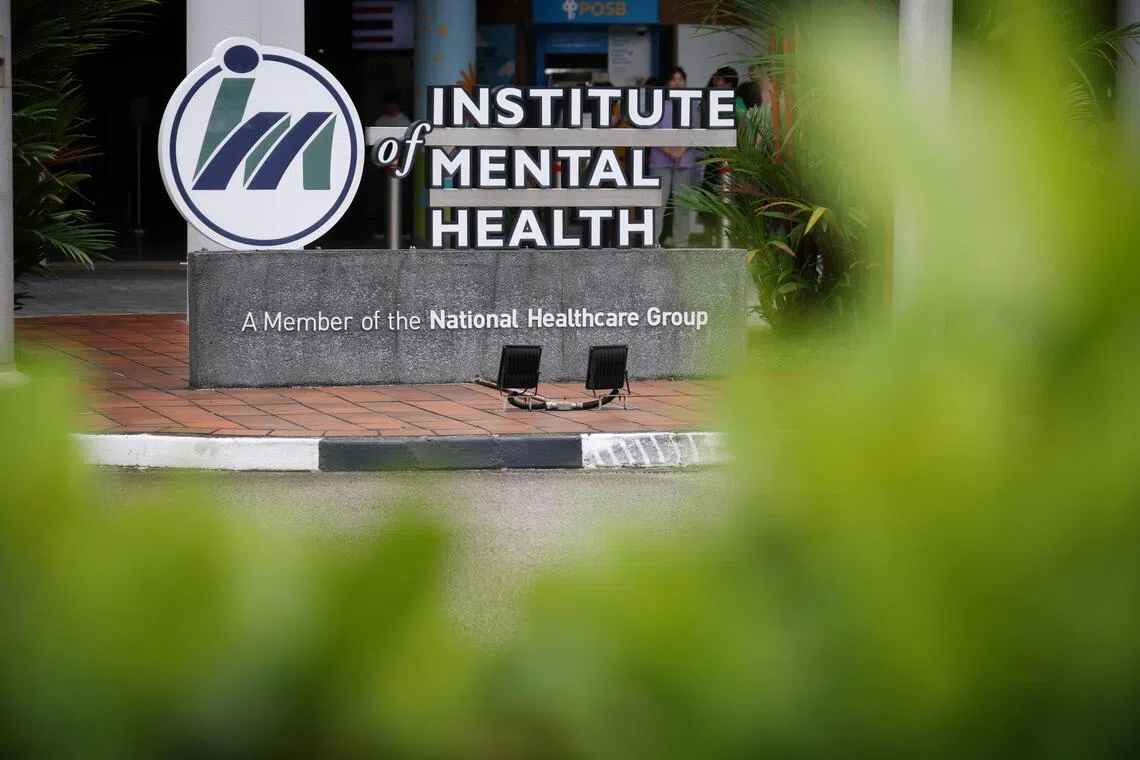
Singapore’s psychiatric hospital, the Institute of Mental Health (IMH), will be renamed as the National Centre for Mental Health Singapore, and expanded by 2040.
ST PHOTO: JASON QUAH
Published Oct 10, 2026, 11:14 AM
Updated Oct 10, 2026, 11:14 AM
Singapore will rename IMH as the National Centre for Mental Health Singapore by 2027 and expand it at Buangkok by 2040 to lead research and specialist care.
The Government will seek public views on parental consent rules for youth mental health care, so young people can get help without stigma or delay.
Ong Ye Kung said mental health cases are rising, especially among young people, and fears about judgement, records and future opportunities still stop many from seeking support.
SINGAPORE - Singapore’s sole psychiatric hospital, the Institute of Mental Health (IMH), will be renamed the National Centre for Mental Health Singapore in 2027, reflecting a broader shift in how the country approaches psychiatric care.
Highlighting a steady rise in mental health challenges in Singapore, Health Minister Ong Ye Kung outlined an overhaul of psychiatric care, which includes rebranding and expanding the Institute of Mental Health, as well as revising parental consent rules to ensure youth are not deterred from seeking help.
“Like our other national specialty centres for cancer, heart or eye, it will lead research, coordinate psychiatric care across hospitals and build sector-wide capabilities,” he said, speaking on Oct 10, which is World Mental Health Day.
The name change, which comes as long-term care is increasingly shifted to community facilities, will mark a major move away from IMH operating as a long-stay asylum or “forever home” for many psychiatric patients.
As part of a broader strategy to handle rising mental health cases across the country, the Government will redevelop and expand IMH at its present site in Buangkok, turning it into a bigger and more modern hospital by 2040, Ong said.
Furthermore, three regional hospitals - Changi General Hospital, Woodlands Hospital and Alexandra Hospital - are strengthening their psychiatric capabilities to complement the central hub.
Beyond expanding facilities, the long-term answer to the mounting mental health challenge is prevention and early intervention, he stressed.
Lowering barriers to youth mental healthcare
Meanwhile, the government will seek public views on parental consent requirements for various service providers in the coming weeks, Ong said in his message.
The Ministry of Health (MOH) is developing guidelines on parental consent, while the Singapore Medical Council is revising its ethical guidelines to provide doctors with clearer guidance on parental consent so that they can proceed with treatment that is in the best interests of the patient, Ong said.
“Mental health challenges are rising around the world, especially among young people. Hospitals and specialist clinics are seeing more patients, including many who are still in school,” said Ong.
More youths are also being attended to in the community, he added.
Mental health advocates here have pushed for the lowering of the age of consent for mental health services. This is to help youth who might otherwise face parental resistance to mental health treatment due to stigma or worry about burdening their parents.
Currently, callers to national mindline 1771 can stay anonymous while community-based providers generally do not insist on parental consent before offering counselling and support. However, schools are more likely to require it before formal counselling begins given its philosophy of strong partnership with families, Ong said.
He stressed that across-the-board requirement for parental consent should not become a barrier to seeking help because sometimes, a young person is simply not ready to speak to their parents yet.
“The right system is one that lets a young person enter through a safe door, and then involve the family appropriately as the care journey progresses,” Ong said.
“At every stage, we must act in the young person’s best interests and safeguard his or her well-being.”
Ong also pointed to stigma as the key barrier to seeking help.
“Often, they are afraid. They fear being judged by family members, friends, teachers or employers. They worry that seeking mental health support will leave a permanent record that will later disadvantage them in future education opportunities, scholarship or job applications, or when buying insurance,” Ong said.
Government agencies must work together to eliminate these fears.
“Seeking mental health support should not, by itself, become a mark against a person,” said Ong. “Where disclosure is genuinely necessary, it should be limited to relevant circumstances and handled fairly. This is something various Government agencies will have to work on.”
IMH/Institute of Mental Health
新加坡的精神病医院——心理卫生学院(IMH)将更名为新加坡国家心理健康中心,并计划在 2040 年前进行扩建。
《海峡时报》摄影:JASON QUAH
发布于 2026 年 10 月 10 日上午 11:14
更新于2026年10月10日上午11:14
新加坡将于 2027 年将心理卫生学院 (IMH) 更名为新加坡国家心理健康中心,并于 2040 年前在万国扩建该中心,以引领研究和专科护理。
政府将就青少年心理健康护理的家长同意规则征求公众意见,以便年轻人能够免受歧视或延误,获得帮助。
王乙康表示,心理健康问题正在增加,尤其是在年轻人中,对评判、记录和未来机会的恐惧仍然阻止了许多人寻求帮助。
新加坡——新加坡唯一的精神病医院——心理卫生学院(IMH)将于 2027 年更名为新加坡国家心理健康中心,这反映了该国在精神病护理方面更广泛的转变。
鉴于新加坡心理健康问题日益严重,卫生部长王乙康概述了一项精神病护理改革计划,其中包括对心理健康研究所进行品牌重塑和扩建,以及修订家长同意规则,以确保青少年不会因寻求帮助而受到阻碍。
“就像我们其他国家级的癌症、心脏病或眼科专科中心一样,它将引领研究,协调各医院的精神病护理,并建立全行业的能力,”他在10月10日世界精神卫生日发表讲话时说道。
随着长期护理越来越多地转移到社区设施,此次更名标志着精神卫生研究所(IMH)从许多精神病患者的长期收容所或“永久家园”的角色发生了重大转变。
王乙康表示,作为应对全国日益增多的精神健康病例的更广泛战略的一部分,政府将对位于万国(Buangkok)的心理卫生学院(IMH)进行重建和扩建,到 2040 年将其建成一家更大、更现代化的医院。
此外,樟宜综合医院、兀兰医院和亚历山大医院这三家区域医院正在加强其精神科能力,以补充中央枢纽。
他强调,除了扩建设施之外,应对日益严峻的心理健康挑战的长期答案是预防和早期干预。
降低青少年心理健康服务的门槛
王乙康在信息中表示,与此同时,政府将在未来几周内就各类服务提供商的家长同意要求征求公众意见。
王先生表示,卫生部正在制定关于父母同意的指导方针,而新加坡医学理事会正在修订其伦理准则,以便为医生提供更清晰的关于父母同意的指导,从而使他们能够进行最符合患者利益的治疗。
“世界各地的心理健康问题日益严重,尤其是在年轻人中。医院和专科诊所接诊的患者越来越多,其中许多患者仍在上学,”翁说。
他还补充说,社区里越来越多的青少年也得到了关注。
本地心理健康倡导者一直呼吁降低心理健康服务的同意年龄。此举旨在帮助那些可能因社会偏见或担心给父母增加负担而面临父母抵制的青少年接受心理健康治疗。
目前,拨打全国心理健康热线1771的来电者可以保持匿名,而社区服务机构通常不会在提供咨询和支持前坚持征得家长同意。然而,翁女士表示,鉴于学校重视与家庭建立紧密的伙伴关系,学校更有可能在正式咨询开始前要求获得家长同意。
他强调,不应一概要求获得父母同意,以免成为寻求帮助的障碍,因为有时,年轻人可能还没有准备好与父母交谈。
Ong表示:“正确的制度应该让年轻人通过安全的途径进入,然后在护理过程中适当地让家人参与进来。”
“在每个阶段,我们都必须以青少年的最大利益为出发点,保障他们的福祉。”
Ong 还指出,耻辱感是寻求帮助的主要障碍。
“他们常常感到害怕。他们害怕被家人、朋友、老师或雇主评判。他们担心寻求心理健康帮助会留下永久记录,这会影响他们未来的教育机会、奖学金或工作申请,甚至购买保险,”翁说。
政府机构必须共同努力消除这些担忧。
王女士表示:“寻求心理健康帮助本身不应成为一个人的污点。如果确实有必要披露信息,也应仅限于相关情况,并公平处理。这是各个政府机构需要共同努力的方向。”
心理健康研究所/心理卫生学院