Unauthorised oil blending could tarnish Malaysia’s global image, experts warn专家警告:未经授权的石油混合行为可能损害马来西亚的国际形象
KUALA LUMPUR, Oct 10 — Oil blending activities must obtain written approval from the Customs director-general where required under the relevant regulations, and be backed by...
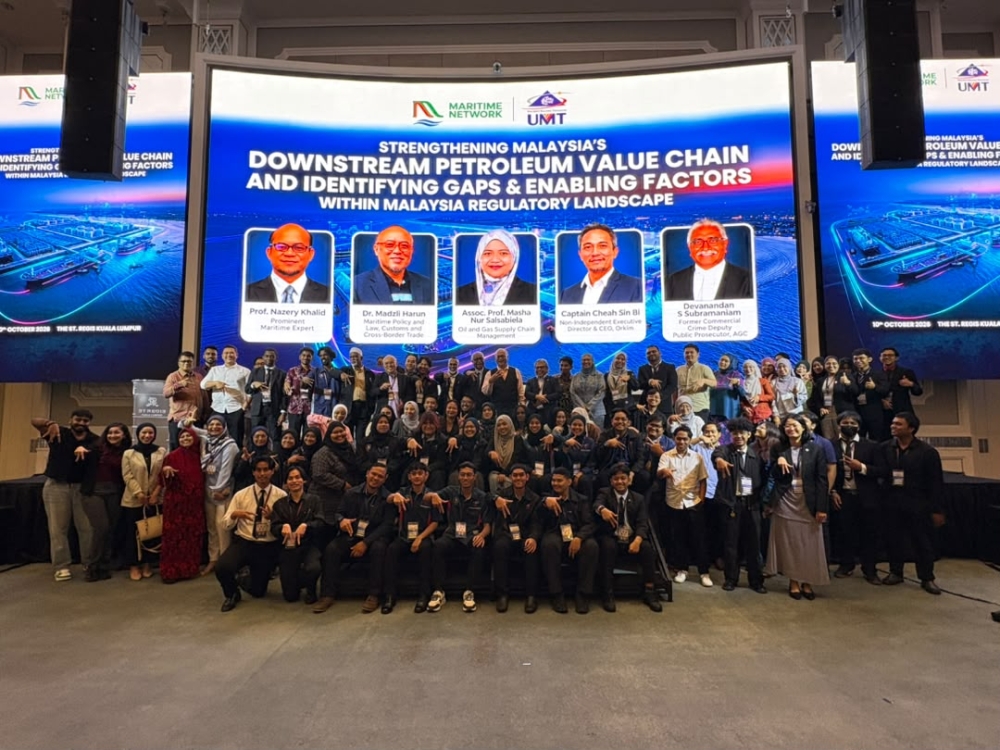
Oil blending activities in Malaysia require written approval from the Customs director-general and thorough documentation to ensure compliance with regulations, as stated by expert Madzli Harun.
Proper oversight and comprehensive records are essential to verify product composition and maintain transparency.
Maritime expert Nazery Khalid emphasized the importance of adhering to standards and monitoring procedures to prevent health, safety, and regulatory integrity issues.
The forum highlighted the need for rigorous control and accountability in oil blending to preserve the integrity of Malaysia's customs and trade systems.
KUALA LUMPUR, Oct 10 — Oil blending activities must obtain written approval from the Customs director-general where required under the relevant regulations, and be backed by complete documentation to ensure legal compliance and transparent transactions, an expert said.
Maritime, Customs and cross-border trade policy and law expert Madzli Harun said every activity involving the import, storage, blending and re-export of oil must be carried out within the scope of the licence and the conditions set by the authorities.
He said blending could alter a product’s composition and specifications, so clear records were needed to verify quantities, cargo movements and the condition of the product before and after the process.
Related documents such as contracts, bills of lading and cargo manifests must be aligned to ensure the information declared matched the actual transactions and the condition of the goods, he said.
“If a premises is only approved for storage, any additional activities such as blending or changing a product’s grade must be scrutinised based on the scope of the licence and the regulations in force.
“Operators must ensure written approval is obtained when required, and that all activities are recorded accurately,” he said at a forum titled “Strengthening Malaysia’s Downstream Petroleum Value Chain and Identifying Gaps and Enabling Factors Within Malaysia’s Regulatory Landscape”, organised by Maritime Network Sdn Bhd in collaboration with Universiti Malaysia Terengganu (UMT).
Madzli said incomplete documentation, or discrepancies between records and the actual condition of the cargo, could raise questions over the declaration of goods, regulatory compliance and tax treatment.
A thorough audit was also important to ensure the volumes of oil received, stored, blended and exported could be identified and matched against the relevant documents, he added.
In cross-border trade, he said, determining the origin of goods and their eligibility for treatment under free trade agreements must be based on the rules of origin and the relevant supporting documents.
As such, industry operators must ensure every transaction complied with the set conditions, while the authorities must have sufficient records to assess compliance levels and tax implications, he said.
He said clear controls over blending, including approval requirements and proper documentation, were key to preserving the integrity of the Customs system and reducing the risk of disputes between industry players and the authorities.
Meanwhile, maritime industry expert Nazery Khalid said oil blending carried out without approval, monitoring, compliance with standards and proper documentation must be taken seriously, as incidents could threaten health and safety and undermine the integrity of the authorities responsible for monitoring such activities.
He said if such incidents occurred, questions would arise over compliance with safety procedures, the effectiveness of monitoring and the enforcement of regulations on oil blending.
Approval, documentation oversight and compliance with operating conditions must be given close attention to ensure every activity was carried out in a controlled manner, in line with the set regulations as well as international standards and best practices, he said.
He said weaknesses and a lack of integrity in documentation, supervision and enforcement could not only pose risks to the public and the environment, but also erode the confidence of industry players, trading partners and the international community in the transparency of Malaysia’s cargo-handling regulatory system.
“Inconsistent and inaccurate cargo documents such as the bill of lading and manifest should not be taken lightly, especially for liquid cargo such as petroleum products and palm oil. They could open the door to various forms of misconduct that could harm health and the environment.
“If this situation is not addressed promptly and comprehensively, it could undermine public confidence in the integrity of the industry concerned and damage the country’s image on the international stage,” he said.
At the end of the session, Maritime Network Sdn Bhd chief executive officer Datuk Seri R. Jeyenderan said responsible petroleum cargo management was not merely an operational matter, but also a question of protecting the country’s interests and ensuring future generations inherited a maritime industry built on transparency, safety and accountability.
Better roads, stronger pitch: MB sees Budget 2027 lifting Negeri Sembilan’s investment appeal
Anwar: Budget 2027 will balance fiscal discipline with cost-of-living relief
Anwar says reduced waste and leakages created room for more Budget 2027 aid
专家马兹利·哈伦表示,在马来西亚进行石油调和活动需要获得海关总监的书面批准,并需要提供详尽的文件以确保符合相关规定。
适当的监督和全面的记录对于验证产品成分和保持透明度至关重要。
海事专家纳泽里·哈立德强调了遵守标准和监控程序的重要性,以防止出现健康、安全和监管诚信问题。
论坛强调,需要对石油掺混进行严格的控制和问责,以维护马来西亚海关和贸易体系的完整性。
吉隆坡,10月10日讯——一位专家表示,石油混合活动必须根据相关法规的规定,在需要时获得海关总监的书面批准,并有完整的证明文件支持,以确保合法合规和交易透明。
海事、海关和跨境贸易政策与法律专家马兹利·哈伦表示,涉及石油进口、储存、混合和再出口的每一项活动都必须在许可证的范围和当局规定的条件下进行。
他表示,混合可能会改变产品的成分和规格,因此需要清晰的记录来核实数量、货物移动以及产品在混合前后的状况。
他表示,合同、提单和货物清单等相关文件必须核对一致,以确保申报的信息与实际交易和货物状况相符。
“如果一个场所仅被批准用于储存,则任何额外的活动,如混合或改变产品等级,都必须根据许可证的范围和现行法规进行审查。
“运营商必须确保在需要时获得书面批准,并且所有活动都得到准确记录,”他在由 Maritime Network Sdn Bhd 与马来西亚登嘉楼大学 (UMT) 联合举办的题为“加强马来西亚下游石油价值链并确定马来西亚监管环境中的差距和有利因素”的论坛上说道。
马兹利表示,文件不完整,或者记录与货物实际状况不符,可能会引发有关货物申报、监管合规性和税务处理方面的问题。
他还补充说,彻底的审计也很重要,以确保能够识别接收、储存、混合和出口的石油数量,并与相关文件进行核对。
他表示,在跨境贸易中,确定货物的原产地及其是否有资格享受自由贸易协定下的待遇,必须依据原产地规则和相关的证明文件。
他表示,因此,行业经营者必须确保每笔交易都符合既定条件,而当局必须有足够的记录来评估合规水平和税务影响。
他表示,对掺混行为进行明确的管控,包括审批要求和适当的文件记录,是维护海关系统完整性、降低行业参与者与当局之间发生纠纷风险的关键。
与此同时,海事行业专家纳泽里·哈立德表示,未经批准、监控、遵守标准和适当文件记录而进行的石油混合必须受到严肃对待,因为事故可能会威胁健康和安全,并损害负责监控此类活动的机构的诚信。
他表示,如果发生此类事件,人们将对安全程序的遵守情况、监测的有效性以及石油混合法规的执行情况提出质疑。
他表示,必须密切关注审批、文件监督和操作条件的遵守情况,以确保每项活动都以受控的方式进行,符合既定法规、国际标准和最佳实践。
他表示,文件编制、监督和执法方面的薄弱环节和诚信缺失,不仅可能对公众和环境构成风险,还会削弱行业参与者、贸易伙伴和国际社会对马来西亚货物装卸监管体系透明度的信心。
“提单和舱单等货物单据不一致或不准确之处不容忽视,尤其是对于石油产品和棕榈油等液体货物而言。它们可能导致各种不法行为,从而危害健康和环境。”
他说:“如果这种情况得不到及时、全面的解决,可能会损害公众对相关行业诚信的信心,并损害国家在国际舞台上的形象。”
会议结束时,Maritime Network Sdn Bhd 首席执行官 Datuk Seri R. Jeyenderan 表示,负责任的石油货物管理不仅仅是一个运营问题,也是保护国家利益并确保子孙后代继承一个建立在透明、安全和问责制基础上的海事产业的问题。
更好的道路,更强的吸引力:森美兰州务大臣认为2027年财政预算案将提升森美兰州的投资吸引力
安华:2027年财政预算案将平衡财政纪律与生活成本纾困。
安华表示,减少浪费和漏洞为2027年财政预算案提供了更多援助。