Teo Nie Ching: RM300m smart city project to transform Kota Kinabalu by 2028张念群:耗资3亿令吉的智慧城市项目将于2028年改造亚庇
KOTA KINABALU, Oct 11 — Kota Kinabalu is set to be transformed into a smart city through a project worth about RM300 million, expected to be completed by February 2028, enhancing...
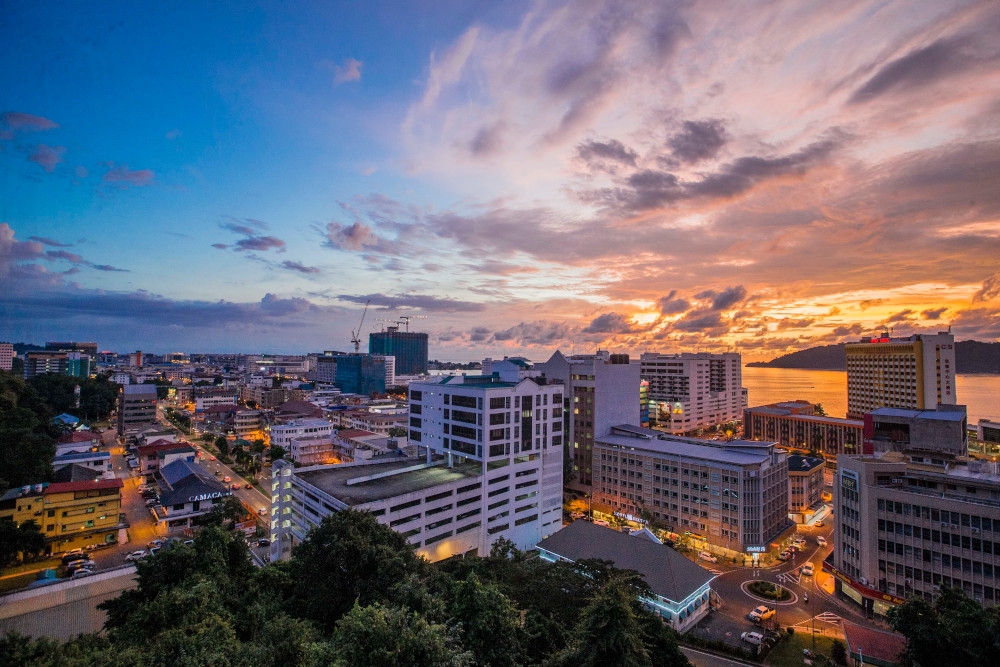
Kota Kinabalu will be transformed into a smart city by 2028 through a RM300 million project involving urban management, public safety, and service delivery improvements.
The project, starting in August, involves MCMC and DBKK collaboration, developing fibre-optic and Wi-Fi networks, smart poles, and a Network Operations Command Centre.
Real-time data collection via CCTV will enhance urban management, while digital infrastructure aims to boost local business and improve safety for residents and tourists.
KOTA KINABALU, Oct 11 — Kota Kinabalu is set to be transformed into a smart city through a project worth about RM300 million, expected to be completed by February 2028, enhancing urban management, public safety and service delivery.
Deputy Communications Minister Teo Nie Ching said the Kota Kinabalu Smart City Project, which began on August 6, was being implemented through a collaboration between the Malaysian Communications and Multimedia Commission (MCMC) and Kota Kinabalu City Hall (DBKK), using Universal Service Provision (USP) funds.
She said the project involved developing fibre-optic and public Wi-Fi networks, including 50 kilometres of backbone network and 308 kilometres of last-mile network, installing 822 smart poles and multi-purpose poles, and establishing a Network Operations Command Centre (NOCC).
A total of 1,696 closed-circuit television (CCTV) cameras would also be installed across the DBKK administrative area to enable real-time monitoring of urban activities, strengthening the local authority’s ability to manage traffic, security and emergencies more effectively.
“The function of this smart city is that, by installing CCTV cameras, you can collect real-time data,” she told reporters after inspecting the NOCC development site here today.
Teo said the use of real-time data would enable DBKK to make more accurate and timely decisions, thereby improving urban management and service delivery to residents.
She said the NOCC, housed in the former Kota Kinabalu Magistrates’ Court building, would also give the historic building a new lease of life, with a dedicated data centre being developed next to it to support smart city operations.
The data centre would have a capacity of 120 kilowatts (kW), with an additional 30 kW of reserve capacity, and would be equipped with a backup power supply system to ensure uninterrupted operations.
Teo said renovation works on the NOCC building and construction of the data centre were expected to be completed within six months, after which DBKK staff would undergo training and knowledge transfer in preparation for operating the system.
She said the project also included public Wi-Fi facilities to improve digital connectivity, support local business growth and create new economic opportunities for the community.
Teo said MCMC would bear the operating costs of the smart city infrastructure for five years after the two-year development period, before handing over the entire facility to DBKK.
Meanwhile, Kota Kinabalu MP Datuk Chan Foong Hin described the project as an important step towards transforming Sabah’s state capital into a more modern, safe and competitive smart city.
The Deputy Agriculture and Food Security Minister said the digital infrastructure would not only improve urban management but also enhance the safety of residents and tourists, in line with Kota Kinabalu’s growth as a tourism destination.
“This is a good project because repurposing this heritage building will help position Kota Kinabalu among the cities embracing smart city development,” he said.
Chan said integrating information from the CCTV network and other digital systems would enable authorities to make more accurate predictions on traffic conditions, weather and public safety, improving urban planning and management.
He also expressed his appreciation to MCMC for implementing the project, describing it as a major contribution to Kota Kinabalu’s development, particularly in accelerating Sabah’s digital transformation. — Bernama
Pahang retiree loses over RM1.1m in TikTok-promoted investment scam
Nanta urges Kapit community groups to ensure transparent use of aid
Man, 64, found dead outside his home in Marudi
到 2028 年,亚庇将通过一项耗资 3 亿令吉的项目,转型成为一座智慧城市,该项目涉及城市管理、公共安全和服务提供方面的改进。
该项目于 8 月启动,涉及马来西亚通信与多媒体委员会 (MCMC) 和吉隆坡市政局 (DBKK) 的合作,旨在开发光纤和 Wi-Fi 网络、智能电线杆以及网络运营指挥中心。
通过闭路电视实时收集数据将加强城市管理,而数字基础设施旨在促进当地商业发展,并提高居民和游客的安全。
亚庇,10 月 11 日讯——亚庇将通过一项价值约 3 亿令吉的项目转型为智慧城市,该项目预计将于 2028 年 2 月完成,旨在提升城市管理、公共安全和公共服务水平。
通讯部副部长张念群表示,亚庇智慧城市项目于8月6日启动,由马来西亚通讯及多媒体委员会(MCMC)和亚庇市政厅(DBKK)合作实施,资金来自普遍服务提供(USP)基金。
她表示,该项目涉及开发光纤和公共 Wi-Fi 网络,包括 50 公里的骨干网络和 308 公里的最后一公里网络,安装 822 个智能杆和多用途杆,并建立一个网络运营指挥中心 (NOCC)。
DBKK 行政区域内还将安装 1696 个闭路电视 (CCTV) 摄像头,以便实时监控城市活动,从而加强地方当局更有效地管理交通、安全和紧急情况的能力。
“这座智慧城市的功能在于,通过安装闭路电视摄像头,可以收集实时数据,”她在今天视察完NOCC开发项目现场后告诉记者。
张先生表示,使用实时数据将使吉隆坡市政局能够做出更准确、更及时的决策,从而改善城市管理和为居民提供的服务。
她表示,位于前亚庇地方法院大楼内的NOCC也将为这座历史建筑注入新的活力,旁边正在开发一个专用数据中心,以支持智慧城市运营。
该数据中心容量为 120 千瓦 (kW),另有 30 kW 的备用容量,并配备备用电源系统,以确保不间断运行。
张先生表示,NOCC大楼的翻新工程和数据中心的建设预计将在六个月内完成,之后DBKK员工将接受培训和知识转移,为操作系统做好准备。
她表示,该项目还包括公共 Wi-Fi 设施,以改善数字连接,支持当地商业发展,并为社区创造新的经济机会。
张先生表示,在两年的开发期结束后,马来西亚通信与多媒体委员会(MCMC)将承担智慧城市基础设施五年的运营成本,之后将整个设施移交给亚庇市政局(DBKK)。
与此同时,亚庇国会议员拿督陈峰兴表示,该项目是朝着将沙巴州首府转变为一个更加现代化、安全和具有竞争力的智慧城市迈出的重要一步。
农业及粮食安全部副部长表示,数字基础设施不仅可以改善城市管理,还可以提高居民和游客的安全,这与亚庇作为旅游目的地的发展方向一致。
他说:“这是一个很好的项目,因为对这座历史建筑进行改造将有助于亚庇跻身于拥抱智慧城市发展的城市之列。”
陈先生表示,整合来自中央监控网络和其他数字系统的信息,将使有关部门能够更准确地预测交通状况、天气和公共安全,从而改善城市规划和管理。
他还对马来西亚通信与多媒体委员会(MCMC)实施该项目表示感谢,称其为亚庇市发展做出了重大贡献,尤其是在加速沙巴州数字化转型方面。——马新社
彭亨州一名退休人士在TikTok推广的投资骗局中损失超过110万令吉
南塔敦促卡皮特社区团体确保援助资金的透明使用。
一名64岁男子被发现死于马鲁迪的家门外