Everyone needs a death to-do list – here are 25 things to sort out while you're alive每个人都需要一份身后事清单——以下是25件你生前应该处理好的事情。
Does your family know your end-of-life wishes? Or where to find your will, passwords, bank accounts and subscriptions? Creating a death to-do list now can spare your loved ones unnecessary stress and uncertainty, whether your passing is expected or sudden.
Does your family know your end-of-life wishes? Or where to find your will, passwords, bank accounts and subscriptions? Creating a death to-do list now can spare your loved ones unnecessary stress and uncertainty, whether your passing is expected or sudden.
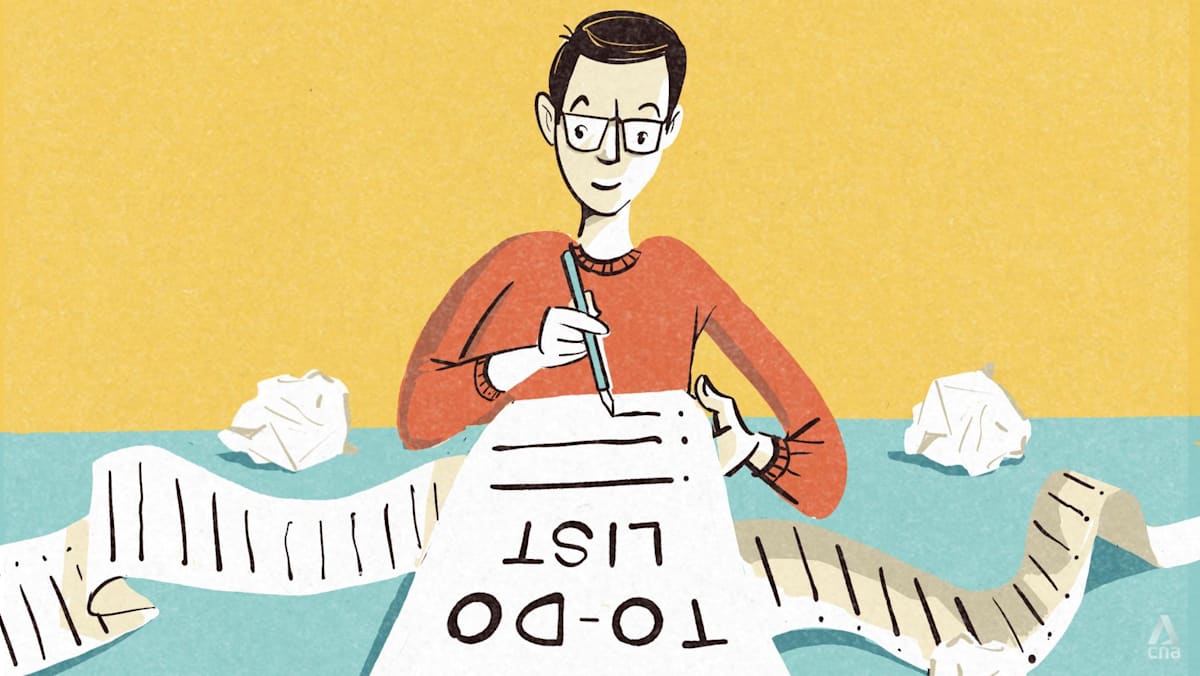
Creating a death to-do list is one of the most loving things a person can do for their loved ones. (Art: CNA/Jasper Loh)
This audio is generated by an AI tool.
Of all life’s milestones, death is the least planned for but the only one that is guaranteed. Advance death planning is one of the most loving acts a person can do for their loved ones.
A 2025 Singapore Management University survey found that more than half of Singaporeans have neither spoken about nor written down their final wishes.
“We live in an Asian society where death and grief are seen as taboo topics,” explained Jeanice Cheong, clinical psychologist at Bright Psych of Life.
However, it can be “overwhelming” for grieving loved ones to handle practical post-death issues. “Advance death planning can take some load off bereaved caregivers,” Cheong added.
After spending a lifetime building a home, family, friendships, assets and a well-loved life, it is worth dedicating some time to sorting out loose ends for loved ones, not just to ease their burden and give them closure, but also to help them better understand the life you have built.
A “death to-do list” covers everything from your will and funeral wishes to passwords and where important documents are kept. Store key information in a document shared with someone you trust, updating it as needed. Keep passwords, PINs and recovery codes separately, and let your executor know how to access them.
The best time to plan is now, rather than wait for a serious illness or advanced old age, because one cannot tell what will happen.
For a start, here are 25 things to consider. But don’t feel any pressure to tackle them all at once – focus on one or two things at a time.
After all, a death to-do list is not just about preparing for death. It can also give you more clarity on your priorities, values, relationships and what really matters in life.
Plan your own funeral rather than leave your family to second-guess your wishes, down to how long you’d like your wake to be, music, prayers, and what to do with your ashes after cremation.
1. Portrait and clothes
(Art: CNA/Jasper Loh)
Decide which portrait and outfit you'd like, and where they can be found.
This is especially important if you or family members have different beliefs.
Johnathan Lee, a lawyer at Fong & Fong LLC, whose family owns Nguan Gratitude Services, a funeral business, told CNA Lifestyle that they have seen “more than one set of rites performed for the same person because the family could not agree on which was correct.”
3. Who takes care of the funeral and gives a eulogy
Decide who will oversee your funeral and give the eulogy to reduce confusion and conflict among family members.
Include key contacts such as relatives, close friends and your employer.
“While you are healthy, link caregivers up with significant people in advance so they know who they can approach for support after your death,” added Cheong.
A will is not just for dividing assets. It can protect children who are minors, beloved pets and family harmony.
5. Guardianship and trust
Parents can appoint a guardian in their will to care for their children if they die, and trustees to manage assets left to them until the age specified in the will, said Lee.
6. Sentimental items
Specify who should inherit sentimental items such as watches and jewellery. Otherwise, disputes may result in the executor selling them and dividing the proceeds, Lee said.
A letter of wishes can explain your decisions on dividing assets, choosing guardians and trustees, and making funeral arrangements.
“Someone was left out. Someone was favoured. Someone nursed a parent for six years while someone else appeared only at Chinese New Year. The letter of wishes alongside your will is where you say why one child received more and another less, so that no one has to guess at the intentions,” explained Lee.
8. State where your will is
Tell your executor where your will is kept and consider registering it with the Wills Registry. You can also leave it with the firm that drafted it or with a custody service . If it cannot be found, your estate may ultimately be distributed according to the law, said Lee.
You cannot will anything to your pets . Instead, ask a trusted person if they are willing to care for your pet, bequeath it to them in your will, attach a cash legacy, and set out in the will your wishes for how the pet is to be cared for, Lee suggested.
“Your executor’s first job is not to distribute your estate. It is to discover it,” said Lee.
10. List all your bank and investment accounts
Without this information, “it is not uncommon for lawyers to be instructed to write to multiple banks and other institutions to ask whether the deceased kept any accounts with them,” Lee said.
11. Cryptocurrency accounts
If your cryptocurrency is on an exchange, the executor of your will can generally claim and distribute it as part of your estate, Lee said. However, cryptocurrency in a private wallet can only be accessed via the private key, so be sure the key reaches someone you trust, he advised.
12. Insurance policies
List your insurance policies, including the insurer, policy number and your financial adviser’s contact details so your family knows who to reach to make a claim.
13. Safe, self-storage units and cash stash
Make a list of these and include keys. “Assets that only you know exist are assets that exist only to you after you have passed,” said Lee.
These must be settled before assets in your will can be distributed, Lee said.
14. Mortgages, bank loans and car loans
List the bank that holds your mortgage, the outstanding balance and any mortgage insurance. For car loans, note the finance company so your family can continue repayments or sell the car.
15. Credit cards and personal loans
List credit cards and personal loans, including money owed to or by friends and relatives, so these can be settled.
END-OF-LIFE PREFERENCES
The period before death can also be extremely stressful. Planning can reduce unnecessary uncertainty and disagreement, said Dr Kok Jaan Yang, senior consultant, division of palliative care, National University Cancer Institute, Singapore.
Lasting Power of Attorney
Conditions such as dementia or brain injury can affect decision-making capacity, said Dr Kok. A Lasting Power of Attorney (LPA) allows someone you appoint to make decisions about your personal welfare, property and financial affairs if you lose mental capacity, he explained. As of Apr 1, 2026, Singapore citizens do not have to pay an application fee for LPA Form 1, although a fee is still payable to the certificate issuer.
Advance Care Planning
“ Advance Care Planning (ACP) is a process of discussing your values, treatment preferences and care priorities for a future situation in which you may be unable to make decisions yourself,” Dr Kok explained. It is a discussion facilitated by a trained ACP facilitator and registered in the National Electronic Health Record.
Advance Medical Directive
“This legal directive allows you to refuse extraordinary life-sustaining treatment that only prolongs the process of dying without offering a cure or chance of recovery in advance. It only takes effect if you are unconscious, assessed by your treating doctor to be terminally ill and there is no reasonable prospect of recovery,” Dr Kok added.
SUBSCRIPTIONS AND MEMBERSHIPS
Death does not automatically end subscriptions and memberships, so note what your family should continue paying for or cancel.
16. Utilities, broadband and other expenses
A family member needs to take over these so the household can continue to run smoothly. List household bills and expenses you pay, including utilities, broadband, condominium charges, school fees or your parents' medical bills.
17. Recurring subscriptions
Include streaming, AI, productivity, cloud storage, gaming and mobile subscriptions.
If you have other memberships or services that auto-renew, note them down. This includes gym, yoga, clubs, professional association memberships as well as season parking.
A lot of your private data and personal memories live online. Give clear instructions on how your online accounts and data should be handled.
19. Phone and devices
Make sure a trusted person has access to these and knows where to find the passwords.
Apple and Google both have legacy features that allow you to decide in advance who can access data such as photos and other files upon your death, or in Google’s case, after a chosen period of account inactivity, said Lee.
Email accounts hold important financial information and are often used to reset passwords for bank, subscription and other accounts. Decide whether you want your family to access or close your accounts.
22. Social media accounts
Give clear instructions whether you want these deleted, memorialised or preserved. Facebook, for instance, allows you to appoint a legacy contact for a memorialised profile, though they cannot read your private messages, said Lee.
Give family members an inventory of where important things are kept, and what needs to be done.
23. Important documents and keys
List where you keep property title deeds, rental agreements, birth certificates, passports, your marriage certificate and divorce papers, where applicable. Note where you’ve kept keys to the safe and drawers, as well as spare home or car keys.
24. Instructions for dependents
If you care for elderly relatives, children or pets, leave instructions covering their care, medication, appointments, classes, as well as important contacts and documents.
Lastly, it is a good idea to write letters for loved ones to open on important birthdays or milestones, record a video or audio message, or create handprints and other keepsakes, suggested Dr Kok Jaan Yang, senior consultant, division of palliative care, National University Cancer Institute, Singapore (NCIS). “T hey can become very precious memories for families after someone dies.”
A single handpicked story that we think you shouldn't miss. Just one a day.
您的家人知道您关于身后事的意愿吗?他们知道您的遗嘱、密码、银行账户和订阅服务在哪里吗?无论您的离世是预料之中还是突如其来,现在就制定一份身后事待办清单,都能避免您的亲人承受不必要的压力和焦虑。
为亲人制定一份身后事清单,是人们能做的最充满爱意的事情之一。(图片:CNA/Jasper Loh)
这段音频由人工智能工具生成。
人生所有阶段中,死亡是最难预料却也是唯一必然发生的。提前做好身后事规划,是人能为挚爱之人做的最充满爱意的事之一。
新加坡管理大学 2025 年的一项调查发现,超过一半的新加坡人既没有谈论过也没有写下自己的遗愿。
“我们生活在一个死亡和悲伤被视为禁忌话题的亚洲社会,” Bright Psych of Life 的临床心理学家 Jeanice Cheong 解释说。
然而,对于悲痛欲绝的亲人来说,处理身后事宜可能会“不堪重负”。张女士补充说:“提前做好身后规划可以减轻丧亲照护者的负担。”
花费一生心血建立家庭、友谊、资产和美好的生活之后,值得花些时间为亲人处理好未竟之事,这不仅可以减轻他们的负担,让他们释怀,还可以帮助他们更好地理解你所建立的生活。
“身后事清单”涵盖了从遗嘱和葬礼意愿到密码以及重要文件存放位置等所有事项。将关键信息记录在一份与您信任的人共享的文档中,并根据需要进行更新。将密码、PIN码和恢复码单独保存,并告知您的遗嘱执行人如何访问这些信息。
最好的计划时机就是现在,而不是等到身患重病或年老体衰的时候,因为谁也无法预知未来会发生什么。
首先,这里有25件需要考虑的事情。但不要给自己太大压力,不必一次性全部解决——一次只专注于一两件事。
毕竟,死亡待办清单不仅仅是为死亡做准备。它还可以让你更清晰地认识到自己的优先事项、价值观、人际关系以及生活中真正重要的东西。
与其让家人猜测你的意愿,不如自己规划葬礼,包括守灵时间的长短、音乐、祈祷以及火化后骨灰的处理方式。
1. 肖像和服装
(图片:CNA/Jasper Loh)
决定你想要哪幅肖像和哪套服装,以及它们在哪里可以找到。
如果您或您的家人信仰不同,这一点尤其重要。
方氏律师事务所的律师Johnathan Lee告诉CNA Lifestyle,他们见过“为同一个人举行不止一套葬礼仪式,因为家人无法就哪一套才是正确的达成一致”。Johnathan Lee的家族拥有殡葬服务公司Nguan Gratitude Services。
3. 谁负责丧葬事宜并致悼词
决定由谁来主持你的葬礼并致悼词,以减少家庭成员之间的混乱和冲突。
请列出重要联系人,例如亲戚、密友和雇主。
“趁你身体健康,提前将照顾者与重要人物联系起来,以便他们在你去世后知道可以向谁寻求帮助,”张补充道。
遗嘱不仅仅是为了分割财产。它还可以保护未成年子女、心爱的宠物和家庭和睦。
5. 监护和信托
李说,父母可以在遗嘱中指定监护人,在他们去世后照顾子女,还可以指定受托人管理留给子女的资产,直到他们达到遗嘱中规定的年龄。
6. 纪念品
李说,要明确指定谁应该继承手表、珠宝等具有纪念意义的物品。否则,可能会出现纠纷,导致遗嘱执行人不得不出售这些物品并分割所得款项。
遗嘱书可以解释您在分割财产、选择监护人和受托人以及安排葬礼方面的决定。
“有人被冷落,有人受到优待。有人照顾父母六年,而有人只在春节时露面。遗嘱附上的祝愿信会说明为什么有的孩子得到的多,有的孩子得到的少,这样就不用别人猜测你的意图了。”李先生解释道。
8. 说明你的遗嘱存放地点。
告诉您的遗嘱执行人您的遗嘱存放地点,并考虑在遗嘱登记处进行登记。您也可以将遗嘱留给起草遗嘱的律师事务所或遗嘱保管服务机构。李律师表示,如果遗嘱最终无法找到,您的遗产最终可能会依法分配。
李建议,你不能把任何东西遗赠给你的宠物。相反,你应该询问一位值得信赖的人是否愿意照顾你的宠物,在遗嘱中将宠物遗赠给他们,并附上一笔现金遗产,并在遗嘱中阐明你对宠物未来生活安排的意愿。
李说:“遗嘱执行人的首要任务不是分配你的遗产,而是找出你的遗产。”
10. 列出您所有的银行和投资账户
李说,如果没有这些信息,“律师被指示向多家银行和其他机构写信询问死者是否在这些机构开过账户的情况并不少见。”
11. 加密货币账户
李先生表示,如果你的加密货币存放在交易所,遗嘱执行人通常可以将其作为遗产的一部分进行认领和分配。但他建议,存放在私人钱包中的加密货币只能通过私钥访问,因此务必确保私钥交给值得信赖的人。
12. 保险单
列出您的保险单,包括保险公司、保单号码和您的财务顾问的联系方式,以便您的家人知道在发生理赔时应该联系谁。
13. 安全的自助储物单元和现金储藏处
列出这些资产清单并附上密钥。“只有你知道存在的资产,在你去世后也只属于你,”李说。
李说,这些问题必须先解决,遗嘱中的资产才能分配。
14. 抵押贷款、银行贷款和汽车贷款
列出持有您房贷的银行、未偿还贷款余额以及任何房贷保险信息。如果是车贷,请记下贷款公司,以便您的家人可以继续还款或出售车辆。
15. 信用卡和个人贷款
列出信用卡和个人贷款,包括欠朋友和亲戚的钱或被朋友和亲戚欠的钱,以便结清这些债务。
临终意愿
临终前的这段时期也可能充满压力。新加坡国立大学癌症中心姑息治疗科高级顾问郭建阳医生表示,提前做好计划可以减少不必要的不确定性和分歧。
持久授权书
郭医生表示,痴呆症或脑损伤等疾病会影响决策能力。他解释说,持久授权书(LPA)允许您指定某人在您丧失行为能力时代表您做出有关个人福利、财产和财务方面的决定。自2026年4月1日起,新加坡公民申请持久授权书表格1无需支付申请费,但仍需向证书签发机构支付费用。
预先护理计划
“预立医疗照护计划(ACP)是指讨论您在未来可能无法自行做出决定的情况下,您的价值观、治疗偏好和照护优先事项的过程,”郭医生解释说。这项讨论由受过培训的ACP协调员主持,并记录在国家电子健康记录中。
预立医疗指示
“这项法律指令允许您拒绝那些只会延长死亡过程、且无法治愈或提供康复机会的非常规生命维持治疗。它仅在您失去意识、经主治医生评估为绝症且没有合理康复希望的情况下生效,”郭医生补充道。
订阅和会员资格
死亡不会自动终止订阅和会员资格,因此请注意您的家人应该继续支付哪些费用或取消哪些服务。
16. 水电费、宽带费及其他费用
需要一位家庭成员接手这些事务,以确保家庭正常运转。请列出您支付的家庭账单和开支,包括水电费、宽带费、公寓管理费、学费或父母的医疗费等。
17. 定期订阅
包括流媒体、人工智能、生产力工具、云存储、游戏和移动订阅服务。
如果您有其他自动续费的会员资格或服务,请记下来。这包括健身房、瑜伽馆、俱乐部、专业协会会员资格以及季票停车费。
您的许多私人数据和个人回忆都存储在网络上。请明确说明如何处理您的在线账户和数据。
19. 手机和设备
确保信任的人能够访问这些文件,并且知道密码在哪里可以找到。
李说,苹果和谷歌都有一些传统功能,允许用户预先决定在用户去世后,或者在谷歌的情况下,在选定的账户不活跃期过后,谁可以访问照片和其他文件等数据。
电子邮件账户包含重要的财务信息,并且通常用于重置银行账户、订阅账户和其他账户的密码。请决定是否允许家人访问或关闭您的账户。
22. 社交媒体账号
请明确说明您希望删除、设为纪念账号还是保留这些账号。例如,Facebook 允许您为设为纪念账号的个人资料指定一位遗产联系人,但该联系人无法查看您的私人消息,Lee 说道。
给家人一份重要物品存放地点的清单,以及需要完成的工作。
23. 重要文件和钥匙
列出您存放房产证、租赁协议、出生证明、护照、结婚证和离婚证(如适用)的地点。记下您存放保险箱和抽屉钥匙以及备用房屋钥匙或汽车钥匙的地点。
24. 对家属的指示
如果您要照顾年迈的亲属、孩子或宠物,请留下指示,内容包括他们的照护、用药、预约、课程以及重要的联系方式和文件。
最后,新加坡国立大学癌症中心(NCIS)姑息治疗科高级顾问郭建阳医生建议,可以给亲人写信,让他们在重要的生日或纪念日打开;也可以录制视频或音频留言;或者制作手印和其他纪念品。“这些在亲人去世后会成为家人非常珍贵的回忆。”
每天一篇,我们精心挑选一篇您不容错过的精彩故事。