Super El Nino could make 2026 the hottest year: climate monitor气候监测机构称,超级厄尔尼诺现象可能导致2026年成为有史以来最热的一年。
An intensifying El Nino pattern set an all-time temperature high in a key Pacific zone in September and could help make this year the hottest globally on record, the director of the EU's climate monitor said Monday.
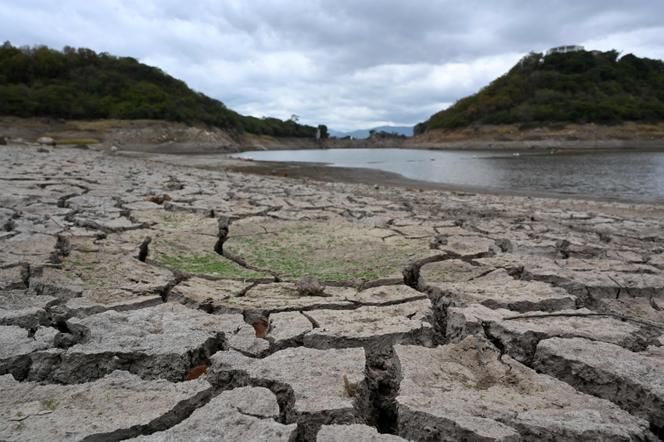
BRUSSELS, Belgium (AFP): An intensifying El Nino pattern set an all-time temperature high in a key Pacific zone in September and could help make this year the hottest globally on record, the director of the EU's climate monitor said Monday.
Global forecasters have been warning for months that this El Nino would likely become the strongest ever observed and the latest record has tumbled even before the episode's expected peak later this year.
The warming phase of a natural climate cycle, El Nino temporarily raises sea temperatures in the tropical Pacific, triggering changes in weather that can increase the risk of drought and flooding, and exacerbate man-made global warming.
The Copernicus Climate Change Service said sea surface temperatures in a tell-tale El Nino monitoring region of the Pacific, known as Nino3.4, had reached an "all-time high" of 29.70C last month.
This exceeded the peak temperatures of previously strong El Nino events of 1982/1983, 1997/1998 and 2015/2016, the EU monitor said.
This year's El Nino, which emerged in June, is "very exceptional" but it is too early to say whether it is the strongest ever observed, Copernicus director Carlo Buontempo told AFP.
As climate change raises ocean temperatures, it can make recent El Nino events appear stronger than past ones, complicating historical comparisons.
Copernicus said it had adopted a new index, which accounts for the warming of tropical oceans, that suggested the current event is not yet stronger than past ones.
"It's a very large event even in that metric," Buontempo said. "This very large event today is happening in a much warmer climate."
Not all forecasters use the same scale to interpret El Nino.
On Friday, Japan's weather agency said that El Nino conditions had reached their "strongest intensity on record".
- Record ocean temperatures -
As El Nino gathers strength, global average sea surface temperatures hit a record 21.05C for September, topping the previous high of 20.92C for the same month in 2023, according to Copernicus.
Experts have warned that this El Nino, combined with human-induced climate change, could make 2027 the hottest year on record as heat stored in the Pacific is released into the atmosphere.
The weather phenomenon, which typically occurs every two to seven years and lasts around nine to 12 months, can drive world temperatures higher the year after its peak.
But Buontempo said even 2026 could wind up a record breaker as this El Nino builds toward its peak.
"If we follow the the pattern we have seen in the past, we may have a record-breaking 2026, followed by a record-breaking 2027," he told AFP.
After a record-breaking August, the world experienced its second hottest September ever observed, with surface air temperatures averaging 16.27C, the EU service said.
September was 1.63C hotter than the pre-industrial average, a period defined as 1850-1900. It was the second consecutive month that temperature rises exceeded 1.5C.
Buontempo said temperatures would probably remain 1.5C above normal into early next year
The last El Nino event helped make 2024 the hottest year on record after a series of months of temperatures exceeding 1.5C, he said.
But while El Nino plays a role, "the ultimate cause of the rise and the exceedance of 1.5C are anthropogenic emissions of greenhouse gases," Buontempo said.
Nations agreed at the 2015 UN climate talks in Paris to keep global warming "well below" 2C above pre-industrial levels, while pursuing efforts to limit it to 1.5C, in order to limit the effects of climate change.
But the United Nations declared in September that the long-term 1.5C target would be missed in a matter of years.
Scientists say it is crucial to reduce greenhouse gas emissions from fossil fuels to limit the period of "overshoot" above 1.5C and bring temperatures back down as quickly as possible. -- AFP
Thank you for your report!
Super El Nino could make 2026 the hottest year: climate monitor
Solar panel prices nearly double in Myanmar amid reports of possible Super El Niño, with prices fluctuating within the same day
El Nino hits ‘strongest intensity on record’
比利时布鲁塞尔(法新社):欧盟气候监测机构负责人周一表示,厄尔尼诺现象加剧,导致太平洋一个关键区域在9月份创下历史新高,并可能使今年成为有记录以来全球最热的一年。
全球预测机构几个月来一直警告说,这次厄尔尼诺现象很可能成为有史以来观测到的最强厄尔尼诺现象,而最新的纪录甚至在预计今年晚些时候达到峰值之前就已经被打破了。
厄尔尼诺现象是自然气候周期中的变暖阶段,它会暂时提高热带太平洋的海水温度,引发气候变化,从而增加干旱和洪水的风险,并加剧人为造成的全球变暖。
哥白尼气候变化服务中心表示,上个月太平洋上一个具有指示意义的厄尔尼诺现象监测区域(称为 Nino3.4)的海面温度达到了 29.70 摄氏度的“历史最高值”。
欧盟监测机构表示,此次气温超过了此前强厄尔尼诺现象(1982/1983 年、1997/1998 年和 2015/2016 年)的峰值温度。
哥白尼计划主任卡洛·布翁滕波告诉法新社,今年6月出现的厄尔尼诺现象“非常特殊”,但现在断言它是否是观测到的最强厄尔尼诺现象还为时过早。
气候变化导致海洋温度升高,使得近期发生的厄尔尼诺现象看起来比以往的厄尔尼诺现象更为强烈,从而使历史比较变得复杂。
哥白尼组织表示,他们采用了一个新的指数,该指数考虑了热带海洋变暖的因素,结果表明,当前事件的强度尚未超过以往的事件。
“即使从这个角度来看,这也是一件非常重大的事件,”布翁滕波说。“今天发生的这件非常重大的事件是在气候温暖得多的环境下发生的。”
并非所有预报员都使用相同的尺度来解读厄尔尼诺现象。
周五,日本气象厅表示,厄尔尼诺现象已达到“有记录以来最强的强度”。
- 创纪录的海洋温度 -
据哥白尼计划称,随着厄尔尼诺现象的增强,9 月份全球平均海面温度达到创纪录的 21.05 摄氏度,超过了 2023 年同期 20.92 摄氏度的先前最高纪录。
专家警告说,此次厄尔尼诺现象加上人为造成的气候变化,可能导致2027年成为有记录以来最热的一年,因为太平洋中储存的热量将被释放到大气中。
这种天气现象通常每两到七年发生一次,持续约九到十二个月,其峰值出现后的第二年,全球气温可能会升高。
但布翁滕波表示,随着厄尔尼诺现象逐渐达到顶峰,2026 年甚至有可能打破纪录。
“如果我们按照过去看到的模式发展,2026 年可能会创下纪录,2027 年又可能会创下纪录,”他告诉法新社。
欧盟气象局表示,继创纪录的 8 月之后,全球经历了有记录以来第二热的 9 月,地表气温平均为 16.27 摄氏度。
9 月份的气温比工业化前平均水平(定义为 1850 年至 1900 年)高出 1.63 摄氏度。这是连续第二个月气温升幅超过 1.5 摄氏度。
布翁滕波表示,气温可能在明年年初之前都会比正常水平高出1.5摄氏度。
他说,上一次厄尔尼诺现象导致 2024 年成为有记录以来最热的一年,此前连续数月气温超过 1.5 摄氏度。
布翁滕波表示,虽然厄尔尼诺现象起到了一定作用,“但导致气温上升并超过 1.5 摄氏度的根本原因是人为温室气体排放”。
各国在 2015 年巴黎联合国气候谈判中达成一致,将全球变暖幅度控制在比工业化前水平高 2 摄氏度以内,并努力将其限制在 1.5 摄氏度以内,以限制气候变化的影响。
但联合国在9月份宣布,将长期目标控制在1.5摄氏度以内将在几年内无法实现。
科学家表示,减少化石燃料产生的温室气体排放至关重要,这有助于限制全球气温超过1.5摄氏度的“超调”时期,并尽快使气温回落。——法新社
感谢您的报告!
气候监测机构称,超级厄尔尼诺现象可能导致2026年成为有史以来最热的一年。
受可能出现超级厄尔尼诺现象的报道影响,缅甸太阳能电池板价格几乎翻了一番,且价格在同一天内出现波动。
厄尔尼诺现象强度创历史新高