New Zealand adds Sikorsky and Airbus platforms to boost air capability新西兰引进西科斯基和空客平台,以提升空中作战能力
“This decision will ensure New Zealand has a critical combat capable, interoperable and dependable fleet,” Defence Minister Judith Collins said.
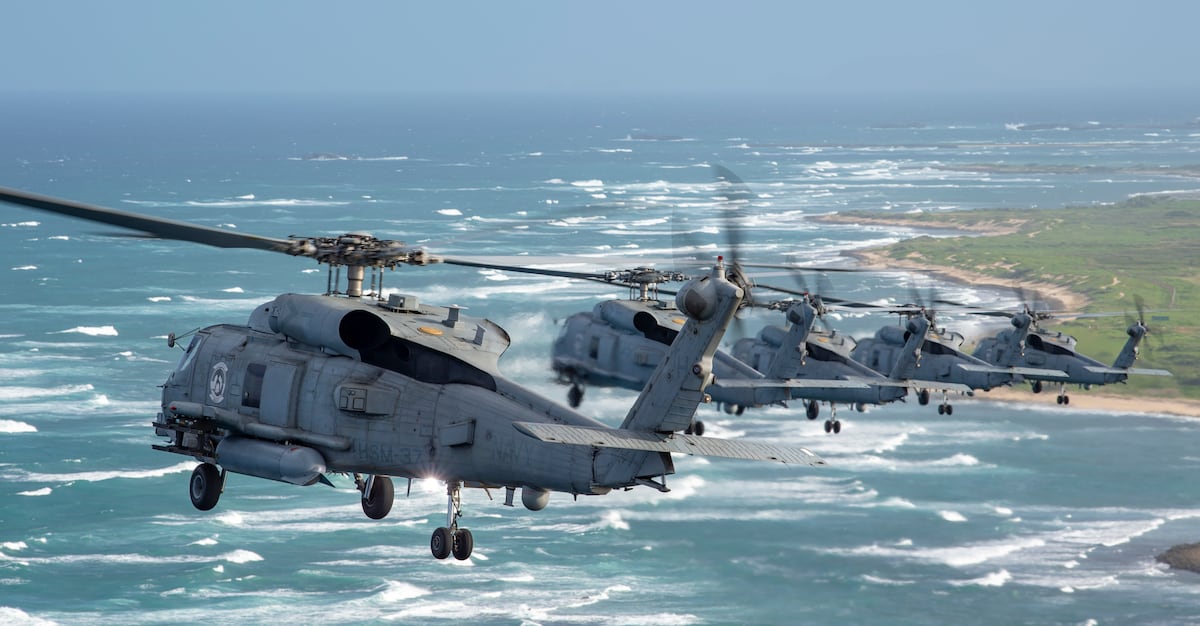
Five Sikorsky MH-60R Seahawk helicopters and two Airbus A321 XLR aircraft are set to respectively replace the Royal New Zealand Air Force’s (RNZAF’s) eight Kaman SH-2G(I) Seasprites and two Boeing 757 transport aircraft at a cost of NZ$2.7 billion (US$1.17 billion).
The new Airbus aircraft will cost NZ$700 million, while the Seahawks will run NZ$2 billion.
The RNZAF has operated the SH-2G(I) Seasprite since 2015. The new Seahawks, meanwhile, will provide a 600-mile range, approximately one-third greater than the Seasprite.
The two B757-200, which first flew in 1993, have been in RNZAF service since 2003 and were modified to 757-2K2 status in 2007 with the addition of an upper deck cargo door, strengthened floor, upgraded engines and improved avionics.
The Airbus A321XLR has a range of 5,400 miles, compared to the 4,485-mile range of the B757s. The extra range will enable flights to Antarctica to return safely to New Zealand if they cannot land due to ice or weather conditions.
Defence Minister Judith Collins and Foreign Affairs Minister Winston Peters made the announcement Aug. 21. It is the first major investment decision to be made as part of the Government’s Defence Capability Plan (DCP), released in April this year.
A complementary Uncrewed Aerial Systems (UAS) capability will be progressed after the helicopter procurement.
“This decision will ensure New Zealand has a critical combat capable, interoperable and dependable fleet,” Collins said. “The MH-60R Seahawk is a great aircraft for what New Zealand needs and fulfills our objective of having a more integrated Anzac force, and the new planes will give us reliable aircraft to deploy personnel and respond to international events.”
New Zealand will be the fifth overseas customer for the Seahawk.
“The DCP provides the foundation for our uplift in defence spending, and two yearly reviews of the plan will allow us to adapt to an ever-changing security environment,” Peters said.
Collins highlighted that the maritime helicopters are versatile and add combat and deterrent capability to the naval fleet.
“These five Seahawks will increase the offensive and defensive capability and surveillance range of New Zealand’s [two Anzac-class] frigates and ensure we are interoperable with our ally Australia and other partner defence forces,” she said.
Collins rejected a suggestion that replacing eight Seasprite helicopters with five Seahawks would mean a reduction in capability because the current fleet were so old they were only able to operate [part] of the time.
“The two new Airbus A321XLR aircraft will be acquired on a six-year lease-to-buy arrangement, with capital costs of $620 million and four-year operating costs of $80.86 million.”
Collins made the announcement exactly a week after opening a new hangar at Ohakea air base for the RNZAF’s four P-8A Poseidons, an event which included a P-8 from both Australia and the U.S.
She described the new hangar as a strategic asset to the whole of New Zealand and said it cost “more than NZ$250 million. You can’t make use of the P-8 without this secure facility.”
Speaking to Defense News, Collins said, “I think we are very focused on our security as a nation, but also on pulling our weight when it comes to things like search and rescue. We are not aggressive people, but we know that sometimes we are going to have to stand up for ourselves.”
Asked about the relatively modest lethality of New Zealand’s defense force, she added, “Let me tell you that if people want to attack our people they should expect that they might get hurt back.”
“We work very closely with the U.S. We’re all Pacific partners.”
Nick Lee-Frampton is the New Zealand correspondent for Defense News.
五架西科斯基 MH-60R 海鹰直升机和两架空客 A321 XLR 飞机将分别取代新西兰皇家空军 (RNZAF) 的八架卡曼 SH-2G(I) 海妖直升机和两架波音 757 运输机,总成本为 27 亿新西兰元(11.7 亿美元)。
这架新的空客飞机将耗资 7 亿新西兰元,而西雅图海鹰队的造价将达到 20 亿新西兰元。
新西兰皇家空军自 2015 年以来一直在使用 SH-2G(I) 海妖直升机。与此同时,新型海鹰直升机的航程将达到 600 英里,比海妖直升机大约多出三分之一。
这两架波音757-200于1993年首飞,自2003年起在新西兰皇家空军服役,并于2007年进行了改装,升级为757-2K2型,增加了上层货舱门、加固了地板、升级了发动机并改进了航空电子设备。
空客A321XLR的航程为5400英里,而波音757的航程为4485英里。更远的航程将使飞往南极的航班在因冰雪或天气状况无法降落时能够安全返回新西兰。
国防部长朱迪思·柯林斯和外交部长温斯顿·彼得斯于 8 月 21 日宣布了这一消息。这是政府今年 4 月发布的国防能力计划 (DCP) 中做出的首个重大投资决定。
直升机采购完成后,将推进配套的无人驾驶航空系统(UAS)能力建设。
科林斯表示:“这项决定将确保新西兰拥有一支关键的作战能力强、互操作性高且可靠的机队。MH-60R海鹰直升机非常适合新西兰的需求,能够满足我们打造一支更加一体化的澳新军团的目标,这些新飞机将为我们提供可靠的飞机,用于人员部署和应对国际事件。”
新西兰将成为西雅图海鹰战机的第五个海外客户。
彼得斯说:“国防开支计划为我们增加国防开支奠定了基础,每年两次的计划审查将使我们能够适应不断变化的安全环境。”
柯林斯强调,海上直升机用途广泛,可为海军舰队增加作战和威慑能力。
她说:“这五架海鹰无人机将提升新西兰两艘澳新军团级护卫舰的进攻和防御能力以及监视范围,并确保我们与盟友澳大利亚和其他伙伴国防部队实现互操作性。”
柯林斯驳斥了这样一种说法:用五架海鹰直升机取代八架海精灵直升机将导致作战能力下降,因为目前的机队太老旧,只能在部分时间运行。
“这两架新的空客A321XLR飞机将以六年租赁购买的方式购入,资本成本为6.2亿美元,四年运营成本为8086万美元。”
科林斯宣布这一消息的一周前,刚刚在奥哈基亚空军基地为新西兰皇家空军的四架P-8A“海神”反潜巡逻机启用了一个新的机库,澳大利亚和美国的P-8巡逻机也参与了启用仪式。
她将这座新机库描述为新西兰的一项战略资产,并表示其耗资“超过2.5亿新西兰元。如果没有这座安全设施,P-8反潜巡逻机就无法使用。”
科林斯在接受《防务新闻》采访时表示:“我认为我们非常重视国家安全,同时也重视在搜救等领域尽自己的一份力。我们不是好战的民族,但我们知道有时候我们必须挺身而出维护自身权益。”
当被问及新西兰国防军相对有限的杀伤力时,她补充道:“我要告诉你们,如果有人想攻击我们的人民,他们应该预料到自己可能会受到反击。”
“我们与美国密切合作,我们都是太平洋地区的合作伙伴。”
Nick Lee-Frampton 是《国防新闻》驻新西兰记者。