Economic toll of haze in Malaysia could hit RM1.5b a month as business and health costs mount, experts say专家称,随着商业和医疗成本的增加,马来西亚雾霾造成的经济损失每月可能高达15亿令吉。
KUALA LUMPUR, Oct 14 — The prolonged transboundary haze is costing Malaysia between RM20 million and RM50 million daily in economic disruptions, soaring healthcare bills, and...
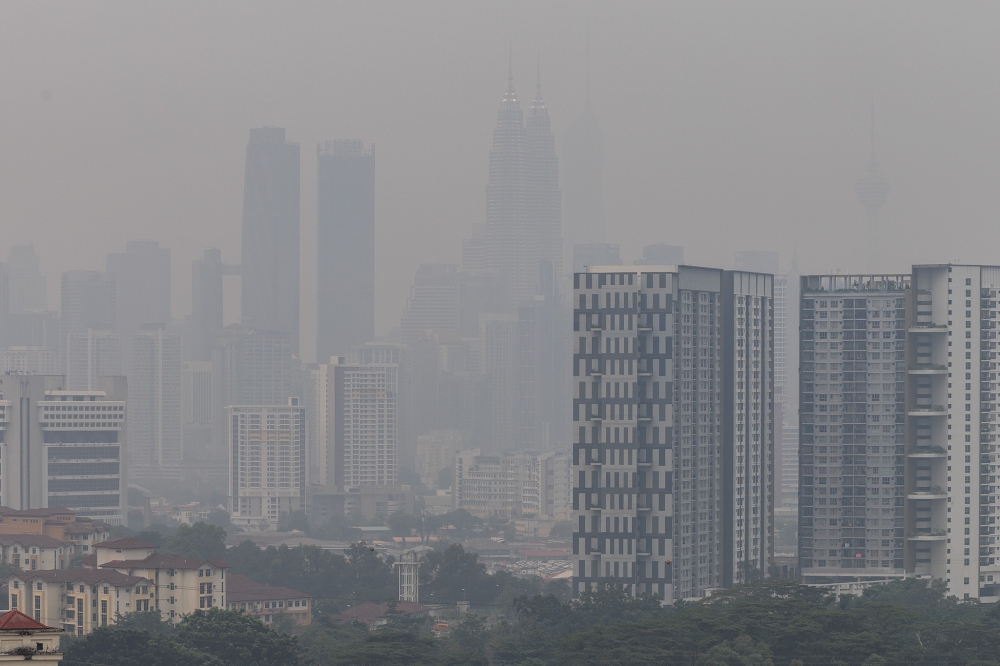
The ongoing transboundary haze crisis is significantly impacting Malaysia's economy, with estimated losses ranging from RM20 million to RM50 million daily due to economic disruptions, healthcare expenses, and diminished worker productivity.
This damage could escalate to between RM600 million and RM1.5 billion monthly, affecting sectors like tourism, aviation, and agriculture the most.
Moreover, the haze exacerbates public health issues, increasing medical costs and hidden productivity losses, emphasizing the necessity for collaborative preventive measures with neighboring countries.
Experts urge regional cooperation to address the root causes of haze to mitigate recurring financial burdens.
KUALA LUMPUR, Oct 14 — The prolonged transboundary haze is costing Malaysia between RM20 million and RM50 million daily in economic disruptions, soaring healthcare bills, and lost worker productivity, according to experts.
Sunway University economics professor Dr Yeah Kim Leng warned that this conservative estimate compounds rapidly over time, The Star reported.
“The actual economic toll could potentially balloon to a whopping RM600 million to RM1.5 billlon a month,” he said.
Yeah highlighted tourism, aviation, and agriculture as the most vulnerable sectors.
“The hardest-hit sectors are tourism and aviation. Air pollution can cut arrivals by up to 8%, with GDP losses up to RM1.5 billon.
“In agriculture and plantation, Johor vegetable farmers report production declines, fruit yields have halved, and palm oil faces a six to 12 months lagged impact.”
He noted that reduced visibility and hazardous air quality also delay freight logistics, stall construction sites, and suppress retail footfall.
Universiti Sains Islam Malaysia (USIM) public health medicine specialist Dr Mohd Hafiz Jaafar emphasized that direct medical expenses reflect only a fraction of the crisis.
“Nationally, the cost from illness rose from around RM21 million in the 1997 haze to RM410 million in 2013.
“That’s only the medical bill for respiratory illness. Haze also hurts the heart and blood vessels, which we haven’t fully counted,” he said.
Beyond hospital bills, Hafiz noted that indirect productivity drains inflict substantial economic damage on employers.
“There are the hidden costs like staff who are absent, staff who turn up but can’t work properly and lost productivity.
“So haze is not just a health problem, it’s just as much an economic one,” he said.
Calling for decisive cross-border collaboration with Indonesia to extinguish fires at their source, Hafiz argued that regional prevention is far more cost-effective than absorbing recurrent financial losses.
“Prevention is cheaper than paying for the same crisis every few years. The cost is too high to ignore.”
Anwar condemns international community’s failure to end Palestinian suffering
Student struck and killed by car while crossing road in Miri
Finance Ministry: RM17.15b in excess tax refunds paid to individuals, companies as of Sept 30
持续的跨境烟霾危机对马来西亚经济造成了重大影响,由于经济中断、医疗保健支出和工人生产力下降,估计每天造成的损失在 2000 万至 5000 万令吉之间。
这种损失每月可能高达 6 亿至 15 亿令吉,对旅游业、航空业和农业等行业的影响最大。
此外,雾霾加剧了公共卫生问题,增加了医疗成本和隐性生产力损失,凸显了与邻国合作采取预防措施的必要性。
专家敦促区域合作,从根本上解决雾霾问题,以减轻反复出现的经济负担。
吉隆坡,10 月 14 日讯——据专家称,持续的跨境烟霾每天给马来西亚造成 2000 万至 5000 万令吉的经济损失,包括医疗费用飙升和工人生产力下降。
据《星报》报道,双威大学经济学教授叶金玲博士警告说,这种保守估计会随着时间的推移迅速累积。
他说:“实际的经济损失可能会飙升至每月高达 6 亿至 15 亿令吉。”
是的,报告指出旅游业、航空业和农业是最脆弱的行业。
“受影响最严重的行业是旅游业和航空业。空气污染可能导致游客数量减少高达 8%,GDP 损失高达 15 亿令吉。”
“在农业和种植业方面,柔佛州的蔬菜种植户反映产量下降,水果产量减半,棕榈油行业则面临 6 至 12 个月的滞后影响。”
他指出,能见度降低和空气质量恶劣也会延误货运物流、阻碍建筑工地施工并抑制零售客流量。
马来西亚伊斯兰理科大学(USIM)公共卫生医学专家莫哈末·哈菲兹·贾法尔博士强调,直接医疗费用仅反映了危机的一小部分。
“全国范围内,疾病造成的损失从 1997 年雾霾造成的约 2100 万令吉上升到 2013 年的 4.1 亿令吉。
“这只是呼吸系统疾病的医疗费用。雾霾还会损害心脏和血管,而我们还没有完全计算出这些损失,”他说。
哈菲兹指出,除了医疗费用之外,间接的生产力损失也会给雇主造成巨大的经济损失。
“还有一些隐性成本,比如员工缺勤、员工到岗但无法正常工作以及生产力损失。
“所以雾霾不仅是健康问题,也是经济问题,”他说。
哈菲兹呼吁与印度尼西亚开展果断的跨境合作,从源头上扑灭火灾。他认为,区域预防比承受反复的经济损失更具成本效益。
“预防比每隔几年就为同样的危机买单要划算得多。代价太高,不容忽视。”
安瓦尔谴责国际社会未能结束巴勒斯坦人的苦难
一名学生在美里过马路时被汽车撞击身亡
财政部:截至9月30日,已向个人和公司支付171.5亿令吉的超额退税款