Plight of Tokyo’s taxi drivers remains severe as ‘kasuhara’ abuse continues东京出租车司机的困境依然严峻,“卡苏拉”虐待事件仍在持续发生。
Plight of the capital's taxi drivers remains severe, with workers reporting relentless verbal abuse, physical assaults, and social media threats inside their vehicles
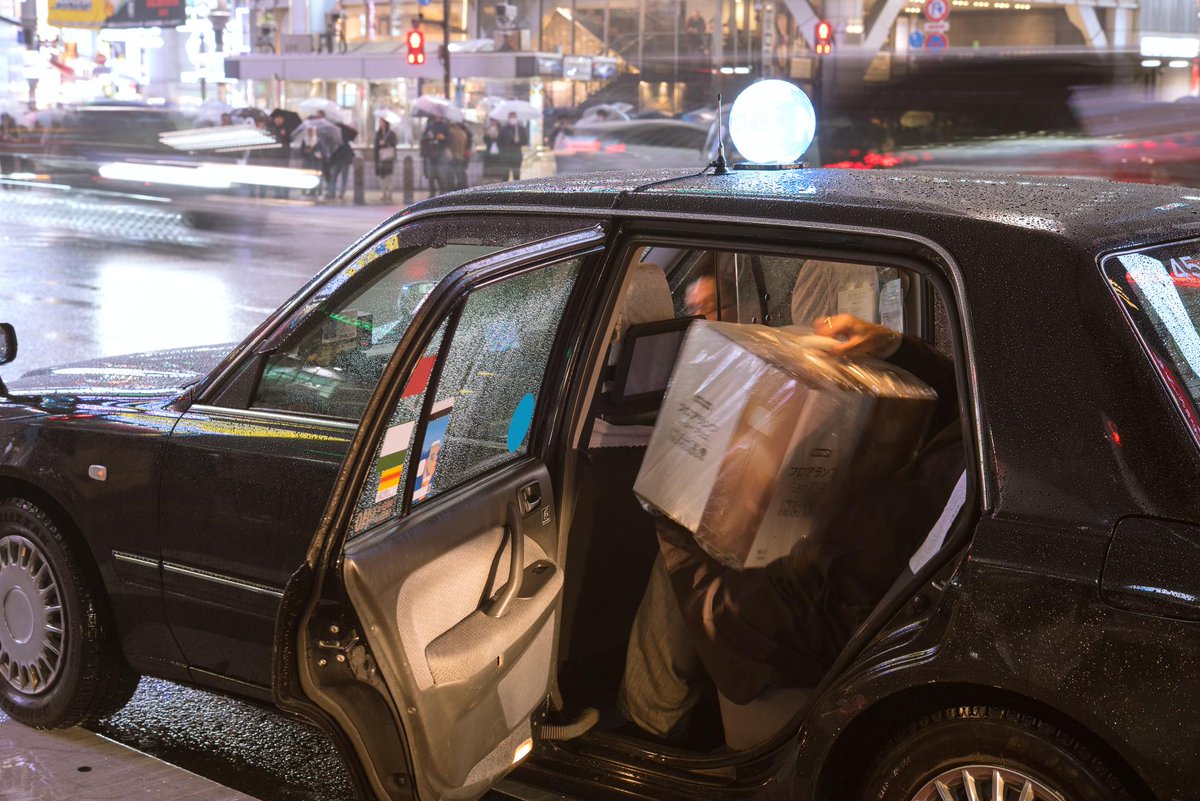
TOKYO (‘TR) – Following the October 1 enactment of a revised labor law mandating employers to tackle customer harassment, the plight of the capital’s taxi drivers remains severe, with workers reporting relentless verbal abuse, physical assaults, and social media threats inside their vehicles.
Masataka Takahashi (a 38-year-old pseudonym), a veteran driver with 10 years on the road, tells Nikkan Spa! (Oct. 12) that the enclosed space of a taxi leaves drivers vulnerable to egregious behavior, commonly referred to in Japan as “ kasuhara ” (customer harassment).
“Verbal abuse is an everyday occurrence, especially from heavily intoxicated passengers,” Takahashi said. But he notes that a newer, more troubling trend involves threats of internet exposure.
Abuse of taxi drivers by passengers continues (X)
Takahashi recounted a harrowing incident in early October when he picked up a young woman in a Tokyo nightlife district. The trouble started almost immediately when Takahashi safely stopped at a yellow light. The woman exploded in anger, yelling, “Run the yellow! I don’t have free time like you!”
She then pulled out her smartphone and began livestreaming, turning the camera on Takahashi and broadcasting to her viewers that she was dealing with a “terrible driver.” When Takahashi pulled over to the shoulder to contact his dispatch office, the woman falsely claimed he had brake-checked her, demanded financial compensation, and bizarrely called the police herself.
Officers arrived and promptly detained the highly intoxicated woman.
“She didn’t stop livestreaming even as she was being taken to the patrol car, hurling abuse at the cops,” Takahashi recalled. “I have no idea how many people were watching her stream, but my face was exposed online. It was the worst feeling.”
However, harassment is not limited to nighttime revelers. Takahashi recently faced physical assault and fare evasion from a daytime corporate worker.
After picking up a businessman in an office district, the passenger became violently enraged over the route, despite Takahashi faithfully following the vehicle’s GPS.
The man shifted his position to sit directly behind the driver’s seat. He then began rhythmically driving his knees into the back of Takahashi’s seat every time the vehicle swayed, striking hard enough to cause pain. The man ignored repeated requests to stop.
Upon arriving at the destination, Takahashi informed the passenger that he was contacting the dispatch office and the police regarding the assault. Panicking, the businessman fled the vehicle without paying.
Armed with dashcam footage, Takahashi filed a police report for both assault and fare evasion.
The following day, the runaway suspect appeared at the taxi office, escorted by his boss. Crying, the businessman apologized to Takahashi, offering a childlike excuse: a business negotiation had fallen through that day, and he was taking out his frustration on the driver.
“With police intervention, he could easily lose his job. I was so appalled I didn’t even have words for him,” Takahashi said.
Takahashi’s experiences reflect a broader crisis within the industry, where drivers are treated as emotional punching bags.
“I don’t expect passengers to be overly nice, but we drivers are human beings with emotions. We just want people to observe basic manners,” he said.
With drive recorders now standard in nearly all taxis, every threat, assault, and unpaid fare is captured as hard evidence—meaning unruly passengers risk throwing their entire lives away over a momentary temper tantrum in the back seat.
Published in News and Tabloid
The editorial team at The Tokyo Reporter brings the site's readership the latest news from the under side of Japan.
Candy Tune idol Mizuki Kirihara sheds uniform to flaunt curves, Candy Tune idol Mizuki Kirihara sheds uniform to flaunt curves,
Woman arrested for stealing dead brother’s cash after corpse found in Hokkaido basement Woman arrested for stealing dead brother’s cash after corpse found in Hokkaido basement
Suspect in ¥1.1-million Fukuoka restaurant heist denies charge despite staring into security camera Suspect in ¥1.1-million Fukuoka restaurant heist denies charge despite staring into security camera
Actress Akiko Hinagata, 48, recalls controversial past ahead of swimsuit comeback Actress Akiko Hinagata, 48, recalls controversial past ahead of swimsuit comeback
东京('TR)——自 10 月 1 日修订的劳动法生效,强制雇主解决顾客骚扰问题以来,首都出租车司机的处境依然严峻,据员工反映,他们在车内不断遭受言语辱骂、人身攻击和社交媒体威胁。
拥有 10 年驾龄的资深出租车司机高桥正孝(化名,38 岁)告诉《日刊 Spa!》(10 月 12 日),出租车的封闭空间使司机容易受到恶劣行为的侵害,这种行为在日本通常被称为“kasuhara”(骚扰乘客)。
“言语辱骂是家常便饭,尤其是在醉酒乘客中,”高桥说。但他指出,一种更新、更令人担忧的趋势是,有人威胁要将他们的隐私曝光到网上。
乘客辱骂出租车司机的现象仍在继续(X)
高桥讲述了十月初在东京夜生活区载一位年轻女子时发生的一件令人胆战心惊的事。事情发生得很快,高桥在黄灯前安全停车后,女子却勃然大怒,大声喊道:“闯黄灯!我可不像你那么闲!”
随后,她拿出智能手机开始直播,将摄像头对准高桥,并向观众宣称她遇到了一位“糟糕的司机”。当高桥将车停在路肩准备联系调度中心时,这名女子谎称高桥故意急刹车,要求经济赔偿,并且令人匪夷所思地自己报了警。
警员赶到现场后,立即拘留了这名醉酒严重的女子。
“她被带上警车的时候还在直播,对着警察破口大骂,”高桥回忆道。“我不知道有多少人看了她的直播,但我的脸被曝光在网上。那种感觉糟透了。”
然而,骚扰并非仅限于夜间狂欢者。高桥最近就曾遭到一名白天上班族的肢体攻击和逃票。
在办公区接上一名商务人士后,尽管高桥先生一直忠实地按照车辆的GPS导航行驶,但乘客却对路线大发雷霆。
那名男子挪动身子,坐到了驾驶座正后方。然后,每当车辆摇晃时,他便有节奏地用膝盖撞击高桥的座椅靠背,力道之大足以造成疼痛。他无视了对方多次让他停止的请求。
到达目的地后,高桥告知乘客他已就袭击事件联系调度中心和警方。惊慌失措的商人未付车费便弃车逃跑。
高桥拿出行车记录仪拍摄的视频,向警方报案,指控对方袭击和逃票。
第二天,逃跑的嫌疑人在老板的陪同下出现在出租车公司。这位商人哭着向高桥道歉,编造了一个孩子气的借口:当天的一笔生意谈判失败了,他把气撒在了司机身上。
“如果警方介入,他很容易就会丢掉工作。我当时震惊得都不知道该说什么了。”高桥说道。
高桥的经历反映了业内更广泛的危机,即车手被当作情绪发泄的对象。
“我并不指望乘客们对我们特别客气,但我们司机也是有感情的人。我们只是希望大家能遵守基本的礼仪。”他说。
由于行车记录仪现在几乎已成为所有出租车的标配,每一次威胁、攻击和未付车费都会被记录下来作为确凿的证据——这意味着不守规矩的乘客可能会因为在后座上一时的脾气而毁掉自己的一生。
刊登于《新闻与小报》
《东京记者报》的编辑团队为网站读者带来来自日本阴暗面的最新消息。
Candy Tune偶像成员桐原瑞希脱下制服,大秀身材曲线。
北海道一户人家地下室发现尸体后,一名女子因盗窃已故哥哥的现金被捕。
福冈一家餐厅被劫110万日元,嫌犯虽直视监控摄像头,仍否认指控。
48岁的女演员日向亚希子在泳装复出前回忆起备受争议的过往