Children must not be stigmatised for life over birth status, says religious affairs minister宗教事务部长表示,不应让儿童因出生状况而终身遭受歧视。
PUTRAJAYA, Oct 17 — The public has been reminded not to use a child’s ‘nasab’ (birth or lineage) status as a reason to insult, shame or discriminate against them, forcing...
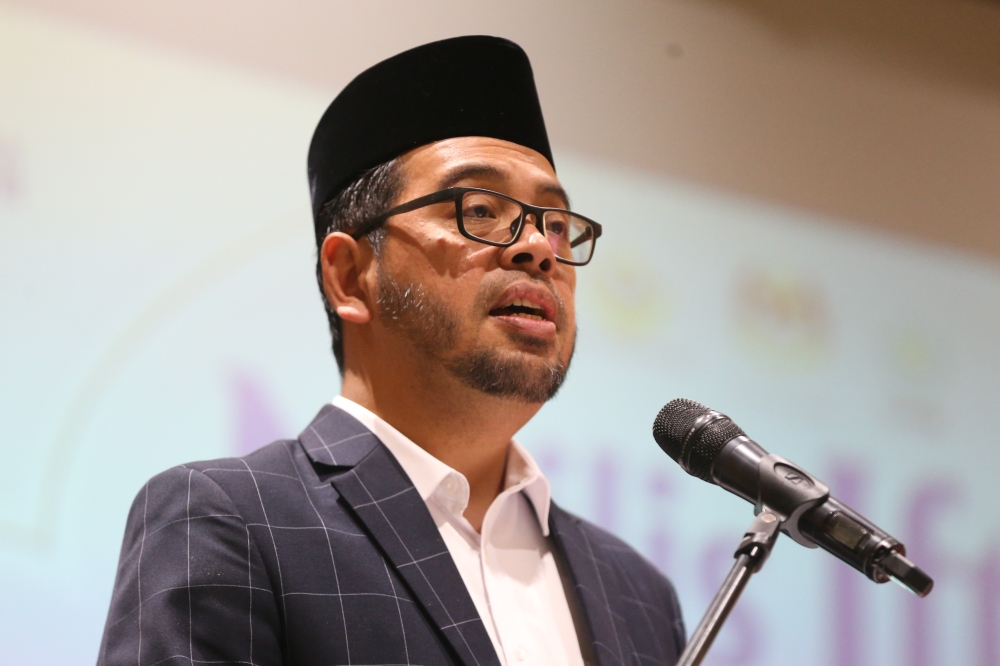
Minister Dr Zulkifli Hasan urged that a child's lineage should not be used to shame or discriminate against them, as Islamic principles state no individual bears another's sins.
He emphasised the importance of careful examination of lineage issues according to syariah principles and legal provisions, considering their impact on family matters.
Zulkifli highlighted the need for integrated cooperation among religious institutions, government agencies, and NGOs to support mothers and children in crisis situations.
PUTRAJAYA, Oct 17 — The public has been reminded not to use a child’s ‘ nasab ’ (birth or lineage) status as a reason to insult, shame or discriminate against them, forcing them to bear a social burden throughout their lives.
Minister in the Prime Minister’s Department (Religious Affairs) Dr Zulkifli Hasan said a child should not be blamed for the circumstances of their birth, as Islamic principles clearly state that no individual bears the sins of another.
He said that while legal rulings concerning lineage must be upheld, they should not be used as an excuse to subject children to social judgement.
“Discussions on legal rulings should not be used as a reason to insult, shame or discriminate against a child.
“We need to build a society that can distinguish between evaluating an act and condemning a person for the rest of their life,” he said when delivering his speech at the ‘Seminar Nasab Kebangsaan: Dinamika Cabaran Keluarga Kosmopolitan (SANAD) 2026’, organised by Persatuan Kebajikan Bayt Al-Rahmah, here today.
Zulkifli said society should also be mindful of the language used within families, educational institutions and administrative settings to avoid causing children to bear a prolonged social stigma.
He said the Quranic principle that no individual bears the sins of another should serve as a moral foundation for ensuring that children are not blamed for the circumstances of their birth.
At the same time, Zulkifli said due attention should be given to mothers facing pregnancy or childbirth crises, as they might need assistance in accessing healthcare services, continuing their education and rebuilding their emotional stability.
“They may need support in accessing healthcare services, continuing their education, rebuilding their emotional stability, improving family relationships or planning their future more systematically,” he said.
On the matter of lineage, Zulkifli said it should not be addressed based solely on assumptions, public perceptions or emotions, but required careful examination of the facts, an understanding of syariah principles and consultation with the relevant authorities.
He said the issue also had implications for family matters, inheritance, guardianship, mahram relationships, as well as the naming and registration of births, all of which needed to be examined in accordance with the relevant religious rulings and legal provisions.
He said the management of lineage-related issues should not stop at determining the legal status alone, as attention must also be given to the child’s care, education, protection, well-being and future.
In this regard, he stressed the importance of integrated cooperation among religious institutions, courts, government agencies, welfare organisations, counselling service providers and non-governmental organisations (NGOs) in addressing challenges related to lineage.
“Lineage issues cannot be understood from just one perspective. They require scholarly examination, an understanding of syariah principles, accuracy in legal and administrative matters, as well as concern for the impact on individuals and families,” he said.
Zulkifli said NGOs and shelters also played an important role in identifying gaps in support and unmet needs among mothers and children. — Bernama
Woman sending son to school killed as Hilux hits motorcycle in Kota Marudu; teen dies in separate Tawau collision
Immigration detains 190 foreigners, two locals in Pudu entertainment centre crackdown
Malaysia Airlines to resume Jeddah, Madinah services tomorrow after safety review
部长祖基菲里·哈桑博士敦促,不应以孩子的血统来羞辱或歧视他们,因为伊斯兰教义规定,任何人都不应承担他人的罪孽。
他强调,必须根据伊斯兰教法原则和法律规定,仔细审查血统问题,并考虑其对家庭事务的影响。
祖尔基夫利强调,宗教机构、政府机构和非政府组织之间需要进行综合合作,以支持处于危机情况下的母亲和儿童。
布城,10月17日讯——公众被提醒不要以孩子的“出身”(出生或血统)身份为由侮辱、羞辱或歧视他们,迫使他们终生背负社会负担。
首相署(宗教事务)部长祖基菲里·哈桑博士表示,不应责怪孩子的出身,因为伊斯兰教义明确规定,任何人都不应承担他人的罪孽。
他表示,虽然必须维护有关血统的法律裁决,但不应以此为借口对儿童进行社会评判。
“不应以法律裁决为由侮辱、羞辱或歧视儿童。
“我们需要建立一个能够区分评价一种行为和终身谴责一个人的社会,”他在今天由贝特·阿尔·拉赫玛福利协会组织的“2026 年国家发展研讨会:国际化家庭动态 (SANAD)”上发表讲话时说道。
祖尔基夫利表示,社会也应该注意在家庭、教育机构和行政场所中使用的语言,以避免给儿童造成长期的社会污名。
他表示,《古兰经》中“任何人不得为他人的罪孽承担责任”的原则,应该作为道德基础,确保儿童不会因其出生环境而受到责备。
与此同时,祖尔基夫利表示,应该给予面临怀孕或分娩危机的母亲们足够的关注,因为她们可能需要在获得医疗保健服务、继续接受教育和重建情绪稳定方面获得帮助。
他说:“他们可能需要在获得医疗保健服务、继续接受教育、重建情绪稳定、改善家庭关系或更系统地规划未来方面获得支持。”
关于血统问题,祖基菲里表示,不应仅凭假设、公众认知或情绪来处理,而应仔细审查事实,了解伊斯兰教法原则,并咨询相关当局。
他表示,这个问题还涉及到家庭事务、继承、监护、mahram关系以及出生命名和登记等问题,所有这些都需要根据相关的宗教裁决和法律规定进行审查。
他表示,处理血统相关问题不应仅仅停留在确定法律地位,还必须关注孩子的照顾、教育、保护、福祉和未来。
在这方面,他强调了宗教机构、法院、政府机构、福利组织、咨询服务提供者和非政府组织(NGO)之间进行综合合作的重要性,以应对与血统相关的挑战。
他说:“血统问题不能只从一个角度来理解。它需要学术研究、对伊斯兰教法原则的理解、法律和行政事务的准确性,以及对个人和家庭影响的关注。”
祖基菲里表示,非政府组织和庇护所也在发现母婴支持方面的缺口和未满足的需求方面发挥了重要作用。——马新社
一名女子在哥打马鲁都驾车撞上一辆摩托车,送儿子上学途中不幸身亡;另一起发生在斗湖的交通事故中,一名青少年丧生。
移民局在普渡娱乐中心突击搜查中拘留了190名外国人和2名当地人
马来西亚航空公司在安全审查后,将于明日恢复吉达和麦地那航线。