Malaysia advocating Asean self-reliance in essential medicines, says Dzulkefly祖基菲莱表示,马来西亚倡导东盟在基本药物方面自力更生
PUTRAJAYA, Oct 19 — Malaysia is spearheading efforts to strengthen Asean’s self-reliance in essential medicines and reduce dependence on vulnerable global supply chains as part...
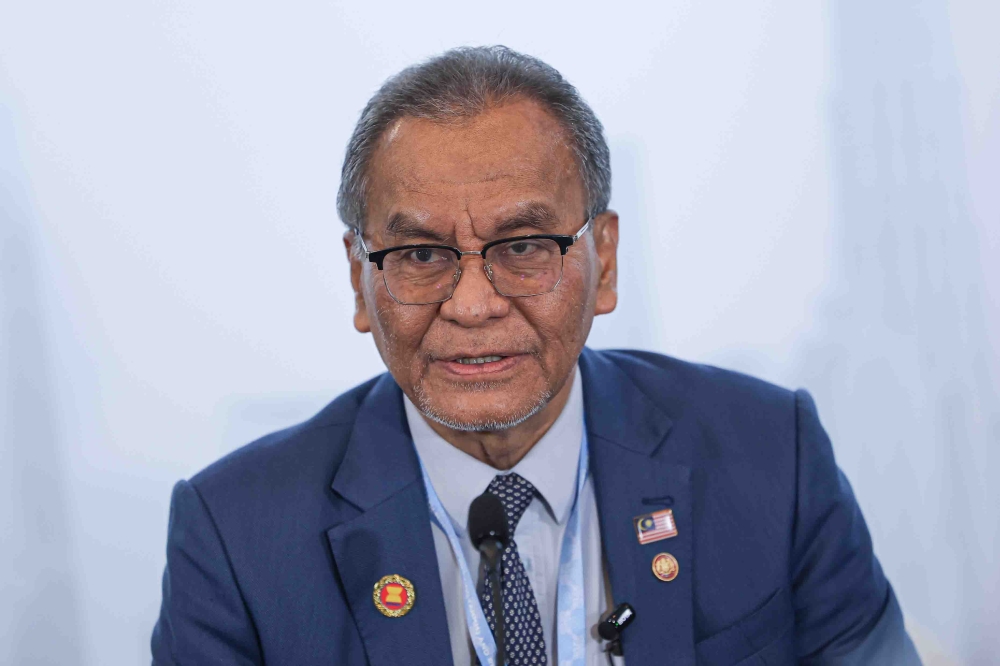
Malaysia is leading efforts to enhance ASEAN's self-reliance in essential medicines and reduce dependence on global supply chains, according to Health Minister Datuk Seri Dr Dzulkefly Ahmad.
Dzulkefly emphasized Malaysia's focus on structural healthcare reforms, including disease prevention and digital health, as seen in initiatives like the Lung Health Initiative.
Malaysia is advocating for inclusive global health governance and cooperation through partnerships to ensure tangible community benefits, alongside participating in WHO meetings.
PUTRAJAYA, Oct 19 — Malaysia is spearheading efforts to strengthen Asean’s self-reliance in essential medicines and reduce dependence on vulnerable global supply chains as part of a broader push to enhance regional health security, said Health Minister Datuk Seri Dr Dzulkefly Ahmad.
He said Malaysia is taking a leading role in advancing the Asean Drug Security and Self-Reliance (ADSSR) initiative, recognising the urgent need to build stronger regional capacity to safeguard access to critical medicines.
“Health security demands stronger regional capacity to secure essential medicines, rather than reliance on fragile external supply chains,” he said when delivering Malaysia’s country statement at the 77th Regional Committee Meeting for the Western Pacific in Manila, the Philippines, here today.
Dzulkefly said Malaysia’s commitment to strengthening regional health security is reflected in its leadership of the 17th Asean Health Ministers’ Meeting and the ADSSR initiative.
He said Malaysia is also pursuing structural reforms aimed at building a more sustainable healthcare system with greater emphasis on disease prevention, early detection and digital health transformation.
“We are bringing non-communicable disease (NCD) screening closer to communities, using fiscal measures such as sugar taxation, applying behavioural insights to encourage healthier choices, and strengthening our digital health architecture for early detection,” he said.
Dzulkefly said Malaysia’s Lung Health Initiative is another key component of the country’s healthcare reforms, integrating screening and treatment into primary healthcare settings.
He said the initiative aims to ensure continuity of care, from screening and early diagnosis to treatment and follow-up for both communicable and NCD lung diseases.
He said the government is adopting a whole-of-society approach by bringing together healthcare providers, civil society organisations, and the private sector to address common health risks, improve public awareness and reach the underserved populations.
On global health governance, Dzulkefly reaffirmed Malaysia’s support for reforms to the international health architecture amid financial volatility and geopolitical tensions.
He said Malaysia, through its participation in a task force alongside Japan and under China’s co-chairmanship, is advocating greater inclusivity for developing countries and Small Island Developing States.
He also stressed that the World Health Organisation (WHO) must translate policy recommendations into concrete action through partnerships that deliver measurable benefits to communities.
“WHO’s leadership, particularly the director-general (DG) and our regional director leadership, must move from advice to action, driving partnerships that deliver tangible results on the ground,” he also said.
Dzulkefly added that Malaysia envisions a resilient Western Pacific region where health supplies are secure and preventive healthcare is embedded at every level, while remaining ready to share its experience and translate regional solidarity into decisive, practical action.
Dzulkefly is currently leading the Malaysian delegation to the 77th Regional Committee Meeting for the Western Pacific from Oct 19 to 22 and is scheduled to pay a courtesy call on WHO DG Dr Tedros Adhanom Ghebreyesus and deliver an intervention statement on the WHO Programme Budget under Agenda Item 8.
Tomorrow, Dzulkefly will participate in a ministerial roundtable discussion on the Regional Health Essential Stockpile and Pooled Procurement Mechanism under Agenda Item 13 and pay a courtesy call on WHO regional director for the Western Pacific Dr Saia Ma’u Piukala.
He is also expected to hold bilateral meetings with two candidates for the WHO DG post, namely Dr Hanan Mohamed Al Kuwari of Qatar and Budi Gunadi Sadikin (Indonesia). — Bernama
Wan Saiful urges Putrajaya to consider shutting pig farms, says imported pork ‘safer’, may be cheaper
Court of Appeal revives 1MDB bid to challenge US$3.7b judgment against Jho Low and father
PAC launches probe into Sabah Pan Borneo Highway after audit reveals delays despite RM10.5b spent
Deputy minister: No payment delays affecting Pan Borneo Highway project
马来西亚卫生部长拿督斯里祖基菲里·艾哈迈德表示,马来西亚正引领东盟加强基本药物自给自足,减少对全球供应链的依赖。
祖基菲里强调马来西亚注重结构性医疗改革,包括疾病预防和数字医疗,例如“肺部健康倡议”等举措就体现了这一点。
马来西亚倡导通过伙伴关系实现包容性的全球卫生治理与合作,以确保切实造福社区,同时积极参与世界卫生组织会议。
布城,10 月 19 日——马来西亚卫生部长拿督斯里祖基菲里·艾哈迈德表示,马来西亚正带头努力加强东盟在基本药物方面的自给自足能力,并减少对脆弱的全球供应链的依赖,这是加强区域卫生安全的更广泛努力的一部分。
他表示,马来西亚在推进东盟药品安全与自力更生(ADSSR)倡议方面发挥着领导作用,认识到迫切需要建立更强大的区域能力,以保障关键药物的获取。
“卫生安全需要更强大的区域能力来保障基本药物供应,而不是依赖脆弱的外部供应链,”他今天在菲律宾马尼拉举行的第77届西太平洋区域委员会会议上代表马来西亚发表国别声明时说。
祖基菲里表示,马来西亚致力于加强区域卫生安全,这体现在其在第17届东盟卫生部长会议和东盟防长战略倡议中的领导地位。
他表示,马来西亚也在推行结构性改革,旨在建立一个更可持续的医疗保健系统,更加注重疾病预防、早期发现和数字化医疗转型。
他说:“我们正在利用糖税等财政措施,将非传染性疾病 (NCD) 筛查带到社区附近,运用行为洞察来鼓励更健康的选择,并加强我们的数字健康架构以实现早期检测。”
祖基菲里表示,马来西亚的肺部健康计划是该国医疗改革的另一个关键组成部分,它将筛查和治疗纳入初级医疗保健机构。
他表示,该倡议旨在确保护理的连续性,从筛查和早期诊断到治疗和后续跟进,涵盖传染性和非传染性肺病。
他表示,政府正在采取全社会参与的方式,将医疗保健提供者、民间社会组织和私营部门聚集在一起,以应对常见的健康风险,提高公众意识,并惠及服务不足的人群。
在谈到全球卫生治理时,祖基菲里重申,在金融动荡和地缘政治紧张局势下,马来西亚支持对国际卫生体系进行改革。
他表示,马来西亚通过与日本共同参与由中国担任联合主席的特别工作组,倡导对发展中国家和小岛屿发展中国家给予更大的包容性。
他还强调,世界卫生组织(世卫组织)必须通过伙伴关系将政策建议转化为具体行动,为社区带来可衡量的利益。
他还表示:“世卫组织的领导层,特别是总干事和我们的区域主任领导层,必须从建议转向行动,推动能够带来切实成果的伙伴关系。”
祖基菲里补充说,马来西亚设想建立一个具有韧性的西太平洋地区,确保医疗物资供应,并将预防性医疗保健融入到各个层面,同时随时准备分享经验,并将区域团结转化为果断、务实的行动。
祖基菲里目前率领马来西亚代表团参加10月19日至22日举行的第77届西太平洋区域委员会会议,并计划礼节性拜访世卫组织总干事谭德塞博士,并在议程项目8下就世卫组织规划预算发表干预声明。
明天,祖基菲里将参加关于议程项目 13 下区域卫生基本储备和联合采购机制的部长级圆桌讨论,并礼节性拜访世卫组织西太平洋区域主任赛亚·马乌·皮乌卡拉博士。
他还预计将与两位世卫组织总干事候选人举行双边会晤,他们分别是卡塔尔的哈南·穆罕默德·库瓦里博士和印度尼西亚的布迪·古纳迪·萨迪金。——马新社
万赛夫敦促布城考虑关闭养猪场,称进口猪肉“更安全”,而且可能更便宜。
上诉法院恢复1MDB公司对刘特佐及其父亲37亿美元判决的上诉请求。
公共账目委员会(PAC)对沙巴泛婆罗洲高速公路展开调查,此前审计结果显示,尽管已投入105亿令吉,但该高速公路仍出现延误。
副部长:泛婆罗洲高速公路项目未受付款延迟影响