Haze is making pets sick too: Malaysian vets report cats suffering asthma attacks, dogs needing oxygen therapy雾霾也让宠物生病:马来西亚兽医报告称,猫咪出现哮喘发作,狗狗需要吸氧治疗。
KOTA KINABALU, Oct 21 — Haze and poor air quality are taking a toll on pets, with veterinarians reporting respiratory problems in cats, birds and dogs, including cases requiring...
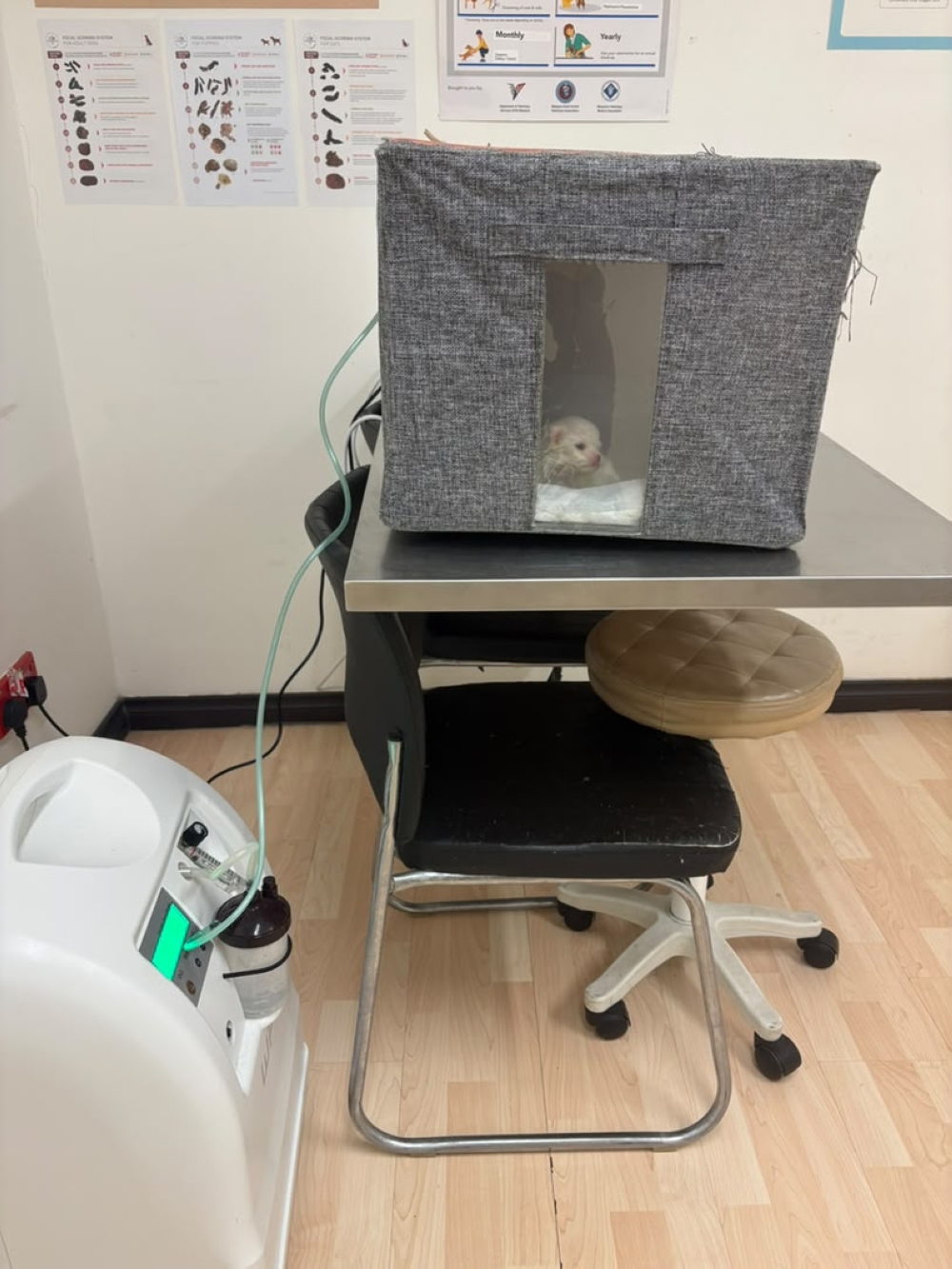
Recently, haze and poor air quality in Malaysia have led to increased respiratory issues in pets, prompting veterinary interventions such as oxygen therapy.
Veterinarians report that fine airborne particles irritate animals' respiratory systems, exacerbating existing health conditions.
Dr. Wendy Cheng and Dr. Randolf Paza advise pet owners to monitor symptoms such as coughing and wheezing, keep pets indoors, and avoid additional indoor air pollutants.
They emphasize early veterinary intervention as essential to preventing severe respiratory distress, as Malaysia grapples with air pollution from regional fires.
KOTA KINABALU, Oct 21 — Haze and poor air quality are taking a toll on pets, with veterinarians reporting respiratory problems in cats, birds and dogs, including cases requiring oxygen therapy, as polluted air continues to affect parts of Malaysia.
Dr Wendy Cheng of Noah’s Ark Veterinary Clinic said fine particles in polluted air, including PM2.5, could irritate animals’ respiratory systems and aggravate existing heart or lung conditions.
She said she had personally seen cats experiencing asthma attacks and birds breathing with their mouths open, while a puppy had recently required oxygen therapy and nebulisation at a clinic.
“Symptoms owners should watch for include sneezing, coughing, nasal discharge, watery or irritated eyes, wheezing, rapid breathing, reduced appetite and unusual lethargy,” she said.
Open-mouth breathing, particularly in cats, or obvious difficulty breathing should be treated as an emergency, she added.
Meanwhile, Sabah-based veterinarian Dr Randolf Paza, who has 37,000 followers on Facebook and runs the Dr Haiwan Sabah Instagram account, said veterinary clinics and animal shelters in Peninsular Malaysia had also encountered animals experiencing respiratory problems amid unhealthy air quality.
“According to my peers, there are several cases where pets have been brought to clinics with symptoms that look like choking, but are actually coughing,” he said.
“The pets were given oxygen therapy, and some got better while others continued to show symptoms.”
Dr Paza also warned of the dangers of prolonged exposure to smoke and fine airborne particles.
“The haze from fires is dangerous because of the tiny particles that can affect the lungs and remain there, making it difficult to breathe,” he said.
He added that prolonged exposure, if left untreated, could also affect animals' appetite and potentially lead to more serious health complications.
With air quality remaining a concern, Dr Cheng advised owners to keep pets indoors as much as possible and limit outdoor walks and strenuous activities.
She also recommended keeping windows closed, using an air purifier with a high-efficiency particulate air (HEPA) filter where available, and ensuring pets have access to fresh drinking water.
“Owners should also avoid exposing pets to cigarette smoke, incense, scented candles and aerosol sprays indoors. Senior animals, flat-faced breeds and pets with existing heart or respiratory conditions require closer monitoring,” she said.
Dr Paza similarly urged pet owners to monitor air quality and their animals’ condition without panicking, and to reassess precautions as conditions changed.
The warnings come as Malaysia continues to grapple with haze linked to forest and peatland fires in Indonesia, with smoke affecting air quality across parts of the country.
As of 9am on October 19, 27 areas recorded unhealthy Air Pollutant Index (API) readings, according to the Department of Environment's air-quality monitoring system, as reported by Bernama.
Johan Setia in Selangor recorded the highest reading at 172, while seven areas in Johor, including Tangkak, Pasir Gudang and Batu Pahat, also registered unhealthy air quality.
Other affected areas included parts of Melaka, Negeri Sembilan, Kuala Lumpur, Putrajaya, Pahang and Sarawak. API readings between 101 and 200 are classified as unhealthy.
For animals experiencing severe respiratory distress, veterinary clinics may administer oxygen therapy through oxygen delivery devices or oxygen chambers.
In severe cases, prolonged exposure to polluted air can lead to life-threatening respiratory complications, making early intervention particularly important.
“Pet owners should seek veterinary attention promptly if their animals show signs of breathing difficulties, particularly if symptoms worsen or do not improve,” Dr Cheng said.
Why won’t the rain wash away Malaysia’s haze? Experts explain what’s keeping the smoke coming
Haze: Schools remain open in six states, KL and Putrajaya tomorrow, outdoor activities halted
From Waze to TuJu? Anwar backs Malaysian navigation app over data security concerns
最近,马来西亚的雾霾和空气质量差导致宠物呼吸系统疾病增多,促使兽医采取氧气疗法等干预措施。
兽医报告称,空气中的细小颗粒会刺激动物的呼吸系统,加剧现有的健康问题。
Wendy Cheng 博士和 Randolf Paza 博士建议宠物主人注意咳嗽和喘息等症状,将宠物留在室内,并避免接触其他室内空气污染物。
他们强调,早期兽医干预对于预防严重的呼吸窘迫至关重要,因为马来西亚正努力应对区域火灾造成的空气污染。
哥打基纳巴卢,10 月 21 日讯——雾霾和糟糕的空气质量正在对宠物造成影响,兽医报告称,猫、鸟和狗出现了呼吸系统问题,其中一些病例需要吸氧治疗,因为污染的空气继续影响着马来西亚的部分地区。
诺亚方舟兽医诊所的温迪·程医生表示,污染空气中的细颗粒物,包括 PM2.5,会刺激动物的呼吸系统,并加剧现有的心脏或肺部疾病。
她说她亲眼见过猫咪哮喘发作,也见过鸟儿张着嘴呼吸,而最近一只小狗还在诊所接受了氧气治疗和雾化治疗。
“主人应该注意的症状包括打喷嚏、咳嗽、流鼻涕、眼睛流泪或发炎、喘息、呼吸急促、食欲下降和异常嗜睡,”她说。
她补充说,张口呼吸,尤其是在猫身上,或者出现明显的呼吸困难,都应该视为紧急情况。
与此同时,在Facebook上拥有37000名粉丝并运营着Dr Haiwan Sabah Instagram账号的沙巴兽医Randolf Paza博士表示,马来西亚半岛的兽医诊所和动物收容所也发现,在空气质量不佳的情况下,一些动物出现了呼吸系统疾病。
他说:“据我的同行说,有好几起宠物被送到诊所就诊的案例,它们的症状看起来像是窒息,但实际上是咳嗽。”
“这些宠物接受了氧气治疗,有些病情好转,而另一些则继续出现症状。”
帕扎博士还警告说,长时间暴露在烟雾和细颗粒物中会带来危险。
他说:“火灾产生的烟雾很危险,因为其中的微小颗粒会影响肺部并滞留在肺部,使呼吸困难。”
他还补充说,如果长期接触这种物质而不加以治疗,还可能影响动物的食欲,并可能导致更严重的健康并发症。
由于空气质量仍然令人担忧,程医生建议宠物主人尽可能让宠物待在室内,并限制户外散步和剧烈活动。
她还建议关闭窗户,在条件允许的情况下使用高效微粒空气(HEPA)过滤器的空气净化器,并确保宠物随时都能喝到新鲜的饮用水。
她还表示:“主人应避免让宠物在室内接触香烟烟雾、香薰、香薰蜡烛和气雾剂。老年动物、扁脸犬种以及患有心脏或呼吸系统疾病的宠物需要更密切的观察。”
帕扎博士也敦促宠物主人在不惊慌的情况下监测空气质量和宠物的状况,并随着情况的变化重新评估预防措施。
马来西亚发出警告之际,该国仍在努力应对与印度尼西亚森林和泥炭地火灾有关的烟霾,烟雾影响了该国部分地区的空气质量。
据马来西亚国家通讯社(Bernama)报道,根据环境部空气质量监测系统的数据,截至10月19日上午9点,有27个地区的空气污染指数(API)读数达到不健康水平。
雪兰莪州的 Johan Setia 录得最高读数为 172,而柔佛州的七个地区,包括东甲、巴西古当和峇株巴辖,也出现了不健康的空气质量。
其他受影响地区包括马六甲、森美兰、吉隆坡、布城、彭亨和砂拉越的部分地区。 API 读数在 101 到 200 之间被归类为不健康。
对于出现严重呼吸困难的动物,兽医诊所可以通过氧气输送装置或氧气舱进行氧疗。
在严重情况下,长时间暴露于污染空气中会导致危及生命的呼吸系统并发症,因此早期干预尤为重要。
程医生说:“如果宠物出现呼吸困难的迹象,尤其是症状恶化或没有好转,宠物主人应该立即寻求兽医的帮助。”
为什么雨水无法冲刷掉马来西亚的雾霾?专家解释了烟雾持续存在的原因。
雾霾:明日六个州、吉隆坡和布城学校照常开放,户外活动暂停。
从Waze到TuJu?安华力挺马来西亚导航应用,担忧数据安全问题。