Johari: Malaysia’s chip talent retention remains sustainable despite foreign offers乔哈里:尽管面临海外邀约,马来西亚芯片人才的留存率依然可持续
KUALA LUMPUR, Oct 21 — Starting salaries for junior engineers and technicians in the local chip industry scale up steadily with experience, offering sustainable career...
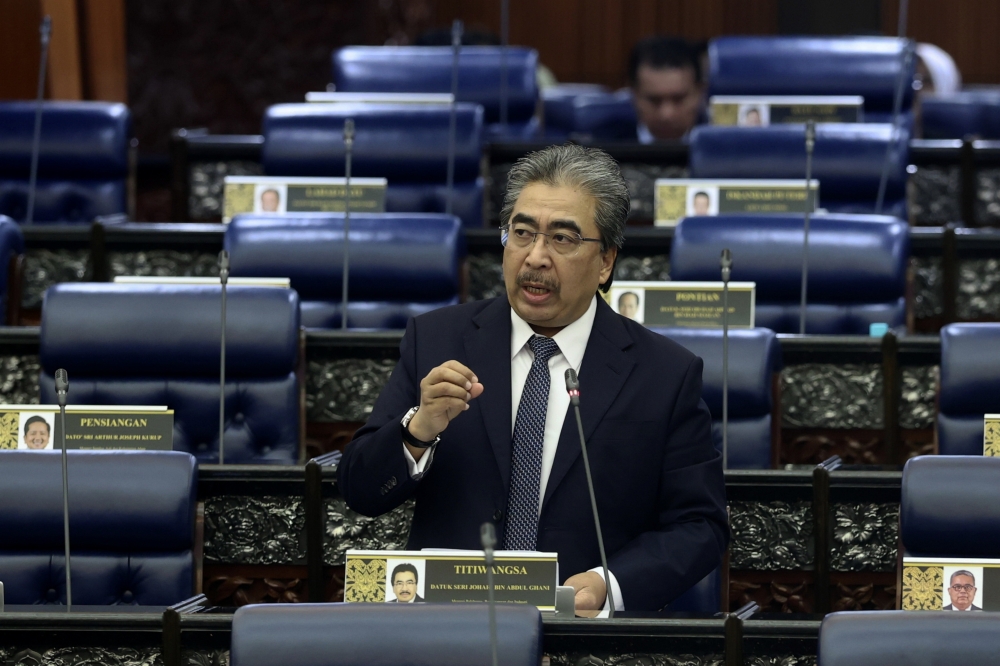
In a parliamentary address, Minister Datuk Seri Johari Abdul Ghani highlighted the steady salary progression for junior engineers and technicians in Malaysia's chip industry, despite overseas markets offering higher pay.
He emphasized the importance of balancing international salaries with the higher cost of living abroad.
As the Anwar administration aims to advance Malaysia's role in the semiconductor industry, shifting from backend assembly to front-end design, retaining skilled talent through competitive local wages is crucial.
The minister noted that as experience grows, compensation for specialized roles is expected to increase significantly.
KUALA LUMPUR, Oct 21 — Starting salaries for junior engineers and technicians in the local chip industry scale up steadily with experience, offering sustainable career progression even as overseas markets tempt local talent with higher pay, said Minister of Investment, Trade and Industry Datuk Seri Johari Abdul Ghani today.
Addressing questions in Parliament on wage competitiveness and talent retention, Johari said entry-level salaries for junior engineers typically start around RM3,500 and can reach RM6,000 as they gain experience, while technicians can earn between RM3,000 and RM5,000 depending on tenure.
Johari acknowledged the salaries may seem nominally low when compared to what companies in countries like Taiwan or South Korea may offer, but said they must still weigh higher overseas pay against the increased cost of living in those countries.
“If compared with job offers overseas in places like the UK, Singapore, Korea, or Taiwan, salaries might be two to three times higher,” Johari said during Question Time.
“However, the cost of living in those countries will also increase accordingly.”
The Anwar administration is actively trying to position Malaysia as a key chip player by the next one or two decades, rolling out policies it said would help push the domestic semiconductor ecosystem up the value chain.
Southeast Asia’s fourth-largest economy by GDP holds a crucial role in the global transistor supply chain, but only for back-end testing and assembly. Prime Minister Datuk Seri Anwar Ibrahim had said he wants Malaysia to shift into front-end design and wafer fabrication.
Retaining skilled human capital through progressive local wage structures remains central to driving the nation’s advanced technology ambitions, but compensation in Malaysia’s industrial sector must be viewed within the context of the domestic standard of living, Johari said.
Still, local pay structures could expand significantly for specialised roles as experience grows, the minister added.
Loke envisions Transport Expo Asia rivalling LIMA as regional mobility showcase
Sarawak completes integrated rare earth elements roadmap to build ‘super magnet’ industry, says Awang Tengah
KLIA deploys K9 sniffer dog units to tighten airport security and curb smuggling
Teacher injured while disarming student in Kuching school
拿督斯里佐哈里·阿卜杜勒·加尼部长在国会讲话中强调,尽管海外市场提供更高的薪酬,但马来西亚芯片行业的初级工程师和技术人员的薪资增长依然稳定。
他强调,要平衡国际薪资水平与国外较高的生活成本。
安华政府的目标是提升马来西亚在半导体产业中的地位,从后端组装转向前端设计,因此通过具有竞争力的本地工资留住技术人才至关重要。
部长指出,随着经验的增长,专业岗位的薪酬预计将大幅提高。
吉隆坡,10月21日讯——投资、贸易及工业部长拿督斯里佐哈里·阿卜杜勒·加尼今日表示,本地芯片行业初级工程师和技术人员的起薪会随着经验的积累而稳步提高,即使海外市场以更高的薪酬吸引本地人才,也能提供可持续的职业发展机会。
佐哈里在国会回答有关工资竞争力和人才保留的问题时表示,初级工程师的入门级工资通常从 3500 令吉左右起,随着经验的积累可以达到 6000 令吉,而技术人员的收入则根据工龄在 3000 令吉到 5000 令吉之间。
Johari承认,与台湾或韩国等国家公司提供的薪资相比,这些薪资可能看起来名义上较低,但他表示,他们仍然必须权衡海外更高的薪酬与这些国家不断上涨的生活成本。
乔哈里在质询时间表示:“如果与英国、新加坡、韩国或台湾等地的海外工作机会相比,薪水可能会高出两到三倍。”
“然而,这些国家的生活成本也会相应增加。”
安华政府正积极努力将马来西亚打造成为未来一二十年内重要的芯片制造国,并推出了一系列政策,声称这些政策将有助于推动国内半导体生态系统向价值链上游发展。
马来西亚是东南亚第四大经济体(按GDP计算),在全球晶体管供应链中扮演着至关重要的角色,但目前仅限于后端测试和组装。马来西亚总理安华·易卜拉欣曾表示,他希望马来西亚能够转型进入前端设计和晶圆制造领域。
乔哈里表示,通过进步的本地工资结构留住技术人才仍然是推动国家先进技术雄心的核心,但马来西亚工业部门的薪酬必须放在国内生活水平的背景下看待。
部长补充说,不过,随着经验的增长,专业岗位的本地薪酬结构可能会大幅提高。
Loke设想亚洲交通博览会将与伦敦国际交通展览会(LIMA)相媲美,成为区域交通运输业的盛会。
阿旺登加表示,砂拉越已完成稀土元素综合发展路线图,旨在打造“超级磁铁”产业。
吉隆坡国际机场部署警犬队加强机场安保,打击走私活动
古晋一所学校,一名教师在解除学生武装时受伤