As Singaporeans live longer, a look at how they manage their retirement savings随着新加坡人寿命延长,让我们来看看他们是如何管理退休储蓄的。
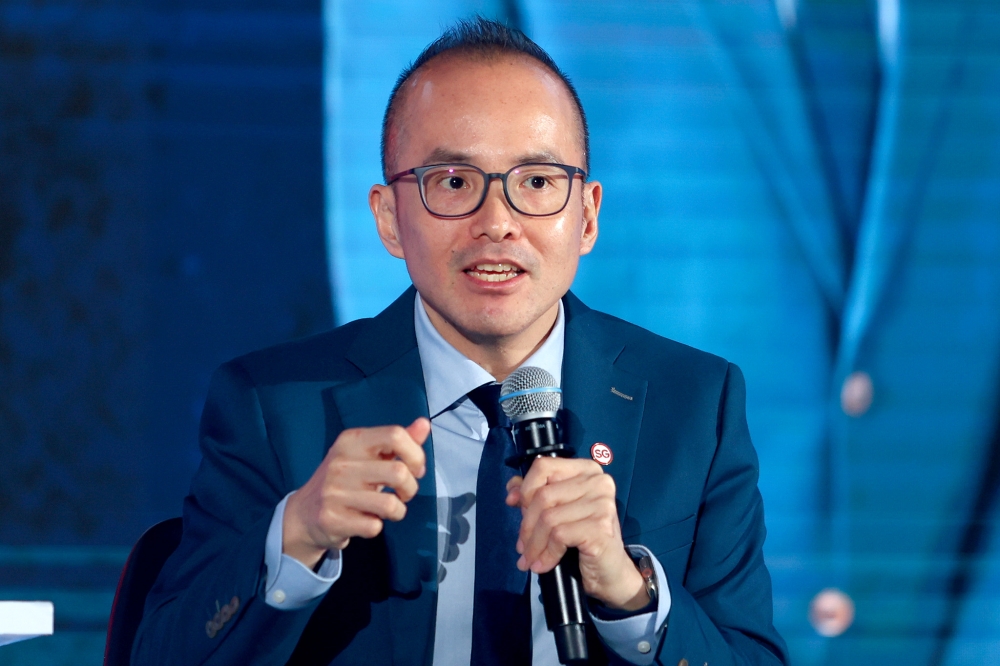
KUALA LUMPUR, Oct 22 — Singapore’s Central Provident Fund Board (CPFB) deputy CEO (services) Wong Yan Jun said Singapore’s CPF — the equivalent of Malaysia’s EPF — had...
In response to increasing life expectancy, Singapore's Central Provident Fund Board introduced the phased Retirement Sum Scheme in 1987, transitioning to CPF LIFE in 2009 to provide lifelong retirement income.
CPF LIFE is a self-sustaining national longevity insurance scheme invested in Special Singapore Government Securities, offering risk-free returns and low expenses due to its non-profit nature.
While monthly payouts are adjustable to ensure sustainability, the scheme automatically includes members meeting specific savings criteria by age 65, with the flexibility for others to opt-in.
KUALA LUMPUR, Oct 22 — Singapore’s Central Provident Fund Board (CPFB) deputy CEO (services) Wong Yan Jun said Singapore’s CPF — the equivalent of Malaysia’s EPF — had in 1987 introduced a phased withdrawal scheme.
The Retirement Sum Scheme (RSS) splits up monthly payouts of a Singaporean’s retirement savings over a fixed duration of 20 years to make it last longer.
This was because the government realised the lump sum withdrawal option at age 55 was less suited to support retirement over many years, as Singaporeans were living longer.
Singapore in 2007 recognised that more than half of Singaporean men and women would live past 82 and 85 respectively, which led to the 2009 introduction of the national longevity insurance annuity scheme, “CPF Lifelong Income for the Elderly” (CPF LIFE).
Back in 2007, many Singaporeans wrote to CPFB to challenge the idea that half of Singaporeans would live past 85, pointing out that most obituaries then showed people dying at ages like 75 and 80.
“But the truth is what we are preparing for is not for that moment. CPF LIFE is preparing for the future generation to come,” he said, adding that Singapore ultimately managed to push it through.
He said CPF LIFE pools the longevity risk to give Singaporeans the confidence that they can have income for as long as they live.
When asked at the Employees Provident Fund’s (EPF) International Social Wellbeing Conference 2026 (ISWC 2026) panel session if CPF LIFE would need government subsidies to sustain lifetime payouts, he said the scheme is fully self-sustainable as the entire CPF LIFE funds are invested in Special Singapore Government Securities (SSGS) with a guaranteed risk-free return of about four per cent.
He also said CPF LIFE has very low expenses as compared to annuities provided by the private sector, as CPFB is a non-profit organisation and does not have intermediary fees such as agents’ commissions.
He said CPF LIFE’s monthly payouts are not a guaranteed or fixed number, which provides flexibility to adjust monthly payouts if necessary to ensure that the scheme can continue to be self-sustaining.
According to CPFB’s website, CPF members can join CPF LIFE anytime from age 65 and up to one month before turning 80.
CPF LIFE automatically includes those born after 1958 and with a minimum S$60,000 in CPF retirement savings by age 65, with Wong telling Malay Mail that nine in 10 CPF members are expected to reach this savings level by 2035.
Wong said those who do not meet the minimum S$60,000 level would be on the RSS plan (where payouts are only while savings last), but noted they can still opt in for CPF Life.
Those automatically included under CPF Life cannot be exempted from it, unless they have a pension or commercial annuity that gives the same or higher monthly payouts.
Recommended reading:
How Malaysia can raise its retirement age from 60 to 65: Experts explain the math and more
EPF’s i-Emas monthly payouts could help retirees avoid burning through savings
Make your EPF savings go the distance: Smart tips for retirement at 55 and beyond
Instead of a lump sum EPF withdrawal, how an automatic annuity with opt-out option could work for Malaysians
How Malaysians can have enough money after retiring: Moving away from choosing EPF ‘lump sum’ payouts
Haze or ship fumes? Maritime experts want closer watch on vessel emissions at Malaysian ports
为了应对预期寿命的延长,新加坡中央公积金局于 1987 年推出了分阶段退休储蓄计划,并于 2009 年过渡到 CPF LIFE,以提供终身退休收入。
CPF LIFE 是一项自给自足的全国长寿保险计划,投资于新加坡政府特别债券,由于其非营利性质,提供无风险回报和低费用。
虽然每月支付金额可以调整以确保可持续性,但该计划会自动将达到特定储蓄标准且年满 65 岁的成员纳入其中,其他人也可以选择加入。
吉隆坡,10 月 22 日——新加坡中央公积金局(CPFB)副首席执行官(服务)黄彦俊表示,新加坡的中央公积金(CPF)——相当于马来西亚的雇员公积金(EPF)——于 1987 年推出了分阶段提取计划。
退休储蓄计划 (RSS) 将新加坡人的退休储蓄按月分期支付,期限固定为 20 年,以延长其使用期限。
这是因为政府意识到,随着新加坡人寿命的延长,55 岁一次性提取养老金的选择不太适合长期支持退休生活。
新加坡在 2007 年意识到,超过一半的新加坡男性和女性的寿命将分别超过 82 岁和 85 岁,这促使新加坡在 2009 年推出了国家长寿保险年金计划“CPF 老年人终身收入计划”(CPF LIFE)。
早在 2007 年,许多新加坡人就写信给中央公共基金局,质疑一半新加坡人能活过 85 岁的说法,并指出当时大多数讣告显示,人们的去世年龄都在 75 岁或 80 岁左右。
“但事实上,我们所准备的并非为了当下。公积金终身入息计划(CPF LIFE)是为了子孙后代做准备,”他说道,并补充说新加坡最终成功地推动了该计划的实施。
他表示,CPF LIFE 将长寿风险集中起来,让新加坡人有信心在有生之年都能获得收入。
在2026年雇员公积金局(EPF)国际社会福祉大会(ISWC 2026)的小组讨论会上,当被问及CPF LIFE是否需要政府补贴来维持终身支付时,他表示该计划完全可以自给自足,因为CPF LIFE的全部资金都投资于新加坡政府特别证券(SSGS),保证约4%的无风险回报。
他还表示,与私营部门提供的年金相比,CPF LIFE 的费用非常低,因为 CPF LIFE 是一个非营利组织,没有代理佣金等中介费用。
他表示,CPF LIFE 的每月支付金额并非固定或有保障,这提供了灵活性,可以根据需要调整每月支付金额,以确保该计划能够继续自给自足。
根据中央公积金局网站的信息,公积金会员可以在 65 岁至 80 岁生日前一个月内随时加入 CPF LIFE。
CPF LIFE 自动涵盖 1958 年以后出生且在 65 岁时 CPF 退休储蓄至少达到 60,000 新元的人。黄告诉《马来邮报》,预计到 2035 年,十分之九的 CPF 会员将达到这一储蓄水平。
黄先生表示,那些存款未达到最低 6 万新元水平的人将参加 RSS 计划(只有在存款用完后才会支付),但他指出,他们仍然可以选择加入 CPF Life 计划。
那些自动纳入公积金终身入息计划的人不能被豁免,除非他们有养老金或商业年金,每月支付的金额相同或更高。
推荐阅读:
马来西亚如何将退休年龄从60岁提高到65岁:专家解读计算方法及更多细节
公积金局 (EPF) 的 i-Emas 月度分红可以帮助退休人员避免耗尽积蓄。
让您的公积金储蓄发挥最大效用:55岁及以后退休的明智之选
对于马来西亚人来说,与其一次性提取公积金,不如考虑一种带有退出选项的自动年金方案。
马来西亚人如何才能在退休后拥有足够的钱:不再选择公积金“一次性”领取方式
是雾霾还是船舶废气?海事专家呼吁加强对马来西亚港口船舶排放的监测