Attacking these targets could cripple Russia’s war machine: Experts专家称,攻击这些目标可能会瘫痪俄罗斯的战争机器。
Striking eight targets across Russia could enable Ukraine to break the current stalemate and affect the course of the war, some U.S. experts argue.
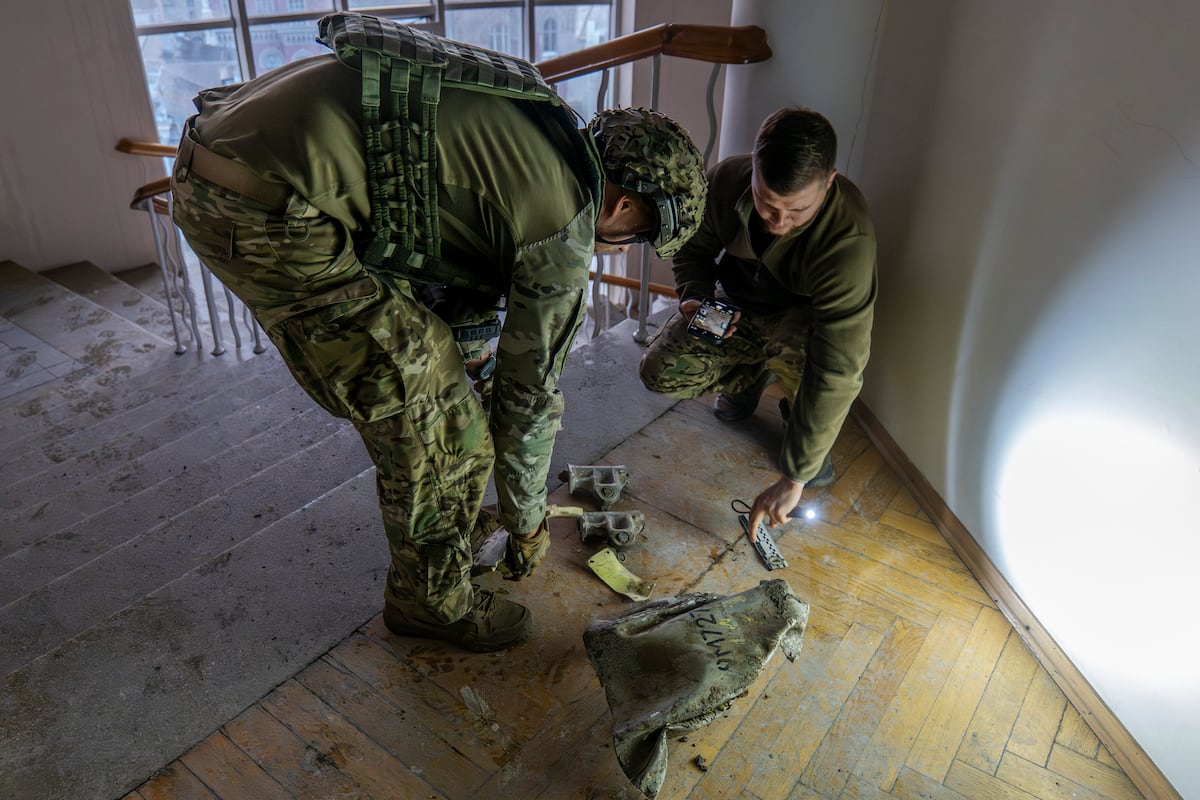
By striking eight targets across Russia, Ukraine could badly damage Russia’s war machine, according to some U.S. experts.
A mixture of drone and missile attacks — as well as limited ground offensives into Russian-controlled territory — could enable the Ukrainians to break the current stalemate and affect the course of the Russia-Ukraine war , argues an August report by the Hudson Institute , a Washington-based think tank.
The Hudson target list details “eight high-value and militarily plausible targets that Ukraine should pursue to weaken Russia’s warfighting ability and increase the political cost of invading and occupying Ukrainian territory,” wrote Hudson researchers Luke Coffey and Can Kasapoğlu.
“While a single strike against any one of these targets would not by itself constitute a decisive blow, cumulatively, a sustained attack against several of them could significantly damage Russia’s military infrastructure and complicate its continued aggression,” the report argues.
The Volga-Don Canal , a 63-mile waterway connecting the Caspian and Black Seas, enables Russia to sail ships into the Black Sea, and Iran to ship weapons to Russia. Damaging the canal’s 13 locks would be difficult: Though Russian air defenses in the area are weak, Ukrainian drones and missiles would still need powerful warheads and pinpoint accuracy. However, “a successful strike would deal a major geopolitical blow to Russia as well as to the Islamic Republic,” Coffey and Kasapoğlu argue.
“Movement of military and commercial vessels between the Caspian and Black Sea would also slow and halt, causing economic disruption,” according to the report.
A joint Russo-Iranian drone factory in the Russian republic of Tatarstan manufactures most of the Iranian-designed Shahed drones that have pummeled Ukrainian cities. While Ukraine probably can’t destroy such an enormous facility through bombardment, it can target the factory’s Achilles-heel, its electrical supply.
“The factory draws electricity primarily from the Tatarstan power grid, most likely sourced from the Nizhnekamsk Thermal Power Plant — a major generator in the region,” the Hudson report noted. “Any disruption to this regional energy network could impact factory operations.”
A Ukrainian officer shows a thermobaric charge of a downed Shahed drone launched by Russia in a research laboratory in an undisclosed location in Ukraine on Nov. 14, 2024. (Efrem Lukatsky/AP)
Border crossing points between Russia and China convey Chinese electronics and other goods that sustain Russia’s military and economy. In particular, 60% of cross-border rail traffic passes through the Manzhouli–Zabaykalsk and Suifenhe–Pogranichny chokepoints. While Coffey and Kasapoğlu are careful not to advocate a Ukrainian attack on China, “there are several vulnerable and critical transit chokepoints within a 100-mile radius on the Russian side of each crossing.”
The Hudson report identified four bridges that connect Russian-occupied Crimea with Russia. In addition to the Kerch Bridge — which Ukrainian attacks have periodically damaged — the Chonhar, Syvash and Henichesk bridges are also vital to Russian logistics.
“The West should prioritize arming Ukraine with the weapons it needs to destroy, or at least incapacitate, the Kerch Bridge,” the report said. “The German Taurus missile, with its smart fuse technology and destructive warhead, remains the ideal weapon for this operation.”
Rail bridges in Russia’s Western Military District, which abuts Ukraine, were also flagged in the report. Much more than Western nations, Russia depends on rail transport to move troops and supplies. While previous attacks on trains and rail yards have achieved only limited success, destroying railway bridges, transformers and traction substations offers more promise.
“In the aftermath of such strikes, cascading bottlenecks would likely emerge across the broader rail network, creating secondary targets of opportunity for follow-on attacks,” the report noted.
The Russian naval base at Ochamchire in Abkhazia, a Russian-occupied region of Georgia, is another key target identified by Coffey and Kasapoğlu. After Ukrainian drone strikes drove the Black Sea Fleet out of Sevastopol and other Crimean ports, Russia began building a naval base at Ochamchire. The site has yet to be fortified and it is within drone range of Ukraine, so attacks could disrupt construction and “mark a significant victory for Ukraine, demonstrating its expanding strategic reach against high-value Russian targets.”
Russia’s Pacific Fleet bases were also included in the report’s target list. With Vladivostok 6,000 miles from Kyiv, hitting Pacific bases wouldn’t be easy. Coffey and Kasapoğlu suggest that Ukraine could use containerized drones launched from covert cargo ships.
“Such an ambitious attack could yield significant geopolitical dividends, even if not entirely successful,” the report said. “It would compel Russia to reassess its force protection posture across its entire naval fleet, including for assets located thousands of miles from Ukraine.
Transnistria, a Russian-supported breakaway region of Moldova, now hosts an estimated 1,500 Russian troops (Russia may bring in another 10,000 troops, the Moldovan government recently warned ). Located to the southwest of Ukraine, Transnistria is surrounded by Ukrainian and Moldovan territory, and thus isolated from Russian armies in eastern Ukraine.
“Ukraine would gain leverage in escalation dominance over the Kremlin by seizing Russian-held territory in Transnistria,” Coffey and Kasapoğlu said. “In particular, such an operation would lessen the pressure on the key Ukrainian port city of Odessa.”
Of these options, attacking Transnistria is probably the most challenging. With Ukraine’s army under pressure in the east from relentless Russian attacks, mustering sufficient forces to attack west against Transnistria may be difficult.
Michael Peck is a correspondent for Defense News and a columnist for the Center for European Policy Analysis. He holds an M.A. in political science from Rutgers University. Find him at theuncommondefense.com. His email is mikedefense1@gmail.com.
一些美国专家认为,乌克兰通过打击俄罗斯境内的八个目标,可以严重削弱俄罗斯的战争机器。
华盛顿智库哈德逊研究所8月份的一份报告指出,无人机和导弹袭击相结合,以及对俄罗斯控制领土进行有限的地面进攻,可能使乌克兰人打破目前的僵局,并影响俄乌战争的进程。
哈德逊研究所的研究人员卢克·科菲和坎·卡萨波格鲁写道,哈德逊研究所的目标清单详细列出了“乌克兰应该追求的八个高价值且具有军事可行性的目标,以削弱俄罗斯的作战能力,并增加入侵和占领乌克兰领土的政治成本”。
报告指出:“虽然对其中任何一个目标进行单次打击本身并不构成决定性打击,但累积起来,对其中几个目标进行持续攻击可能会严重破坏俄罗斯的军事基础设施,并使其持续侵略变得更加复杂。”
伏尔加-顿河运河是一条连接里海和黑海、全长63英里的水道,它使俄罗斯能够将船只驶入黑海,也使伊朗能够向俄罗斯运送武器。破坏运河的13座船闸并非易事:尽管俄罗斯在该地区的防空力量薄弱,但乌克兰的无人机和导弹仍然需要强大的弹头和精确的打击能力。然而,科菲和卡萨波格鲁认为,“一次成功的打击将对俄罗斯和伊朗伊斯兰共和国造成重大的地缘政治打击。”
报告称,“里海和黑海之间军用和商用船只的往来也会减缓甚至停止,造成经济混乱。”
位于俄罗斯鞑靼斯坦共和国的一家俄伊合资无人机工厂生产了大部分伊朗设计的“沙赫德”无人机,这些无人机曾肆虐乌克兰城市。虽然乌克兰可能无法通过轰炸摧毁如此庞大的工厂,但它可以攻击该工厂的软肋——电力供应。
“该工厂主要从鞑靼斯坦电网获取电力,很可能来自下卡姆斯克火力发电厂——该地区的主要发电厂,”哈德逊的报告指出。“该地区能源网络的任何中断都可能影响工厂的运营。”
2024年11月14日,一名乌克兰军官在乌克兰一处未公开地点的研究实验室里展示了一枚被击落的俄罗斯发射的“沙赫德”无人机上的温压弹。(Efrem Lukatsky/AP)
俄罗斯和中国之间的边境口岸运输着中国电子产品和其他对俄罗斯军事和经济至关重要的商品。特别是,60%的跨境铁路运输都要经过满洲里-外巴拜卡尔斯克和绥芬河-波格拉尼奇尼这两个关键口岸。尽管科菲和卡萨波卢谨慎地没有鼓吹乌克兰对中国发动攻击,但他们也指出,“在每个口岸俄罗斯一侧方圆100英里内,都存在几个易受攻击且至关重要的过境咽喉要道。”
哈德逊报告指出,有四座桥梁连接着俄罗斯占领的克里米亚和俄罗斯本土。除了曾多次遭到乌克兰袭击而受损的刻赤桥外,琼哈尔桥、锡瓦什桥和赫尼切斯克桥对俄罗斯的后勤保障也至关重要。
报告称:“西方应优先向乌克兰提供摧毁或至少瘫痪刻赤大桥所需的武器。德国的金牛座导弹凭借其智能引信技术和高杀伤力弹头,仍然是执行这项行动的理想武器。”
报告还特别指出,与乌克兰接壤的俄罗斯西部军区的铁路桥梁也存在安全隐患。与西方国家相比,俄罗斯对铁路运输的依赖程度更高,铁路运输是运送军队和物资的重要工具。虽然此前针对火车和铁路货场的袭击收效甚微,但摧毁铁路桥梁、变压器和牵引变电站则更有可能取得突破性进展。
报告指出:“在此类罢工之后,整个铁路网络可能会出现连锁瓶颈,从而为后续袭击创造次要目标。”
科菲和卡萨波卢指出的另一个关键目标是位于俄罗斯占领的格鲁吉亚阿布哈兹地区的奥恰姆奇雷的俄罗斯海军基地。在乌克兰无人机袭击将黑海舰队赶出塞瓦斯托波尔和其他克里米亚港口后,俄罗斯开始在奥恰姆奇雷修建海军基地。该基地尚未加固,且位于乌克兰无人机的射程之内,因此袭击可能会破坏其建设,并“标志着乌克兰的重大胜利,展现其针对俄罗斯高价值目标不断扩大的战略影响力”。
报告的目标名单中也包括俄罗斯太平洋舰队的基地。符拉迪沃斯托克距离基辅有6000英里,袭击太平洋基地并非易事。科菲和卡萨波卢认为,乌克兰可以利用从秘密货船上发射的集装箱式无人机。
报告称:“即使未能完全成功,如此雄心勃勃的袭击也可能带来重大的地缘政治利益。这将迫使俄罗斯重新评估其整个海军舰队的兵力保护态势,包括那些位于距离乌克兰数千英里之外的资产。”
德涅斯特河沿岸地区是摩尔多瓦的一个分离地区,由俄罗斯支持,目前驻扎着约1500名俄罗斯士兵(摩尔多瓦政府最近警告称,俄罗斯可能还会增派1万名士兵)。德涅斯特河沿岸地区位于乌克兰西南部,被乌克兰和摩尔多瓦领土包围,因此与乌克兰东部的俄罗斯军队隔绝。
科菲和卡萨波卢表示:“乌克兰若能夺取俄罗斯在德涅斯特河沿岸控制的领土,就能在与克里姆林宫的冲突升级中占据优势。尤其值得一提的是,这样的行动将减轻乌克兰重要港口城市敖德萨所面临的压力。”
在这些选项中,进攻德涅斯特河沿岸地区可能是最具挑战性的。由于乌克兰军队在东部正承受着俄罗斯持续不断的进攻压力,集结足够的兵力向西进攻德涅斯特河沿岸地区可能十分困难。
迈克尔·佩克是《防务新闻》的通讯员,也是欧洲政策分析中心的专栏作家。他拥有罗格斯大学政治学硕士学位。您可以在theuncommondefense.com找到他。他的邮箱是mikedefense1@gmail.com。