‘They are here to sweep the market’: Minor Food chief sees more Chinese chains opening in S’pore“他们来这里是为了横扫市场”:美诺食品负责人认为会有更多中国连锁店在新加坡开业
Minor Food chief says more Chinese restaurant chains will enter Singapore, intensifying competition for local F&B operators. Read more at straitstimes.com.
新闻视频
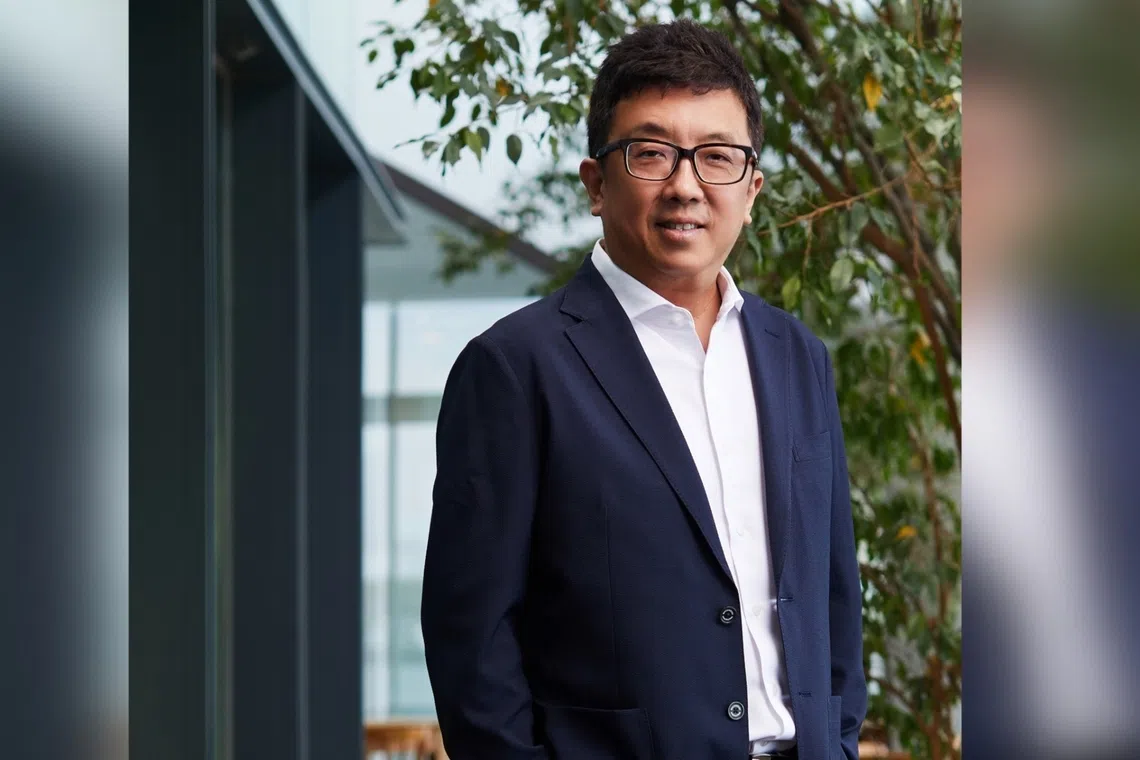
Minor Food Group chief executive Dellen Soh believes there is still money to be made in F&B, but survival will increasingly depend on the ability to rework the business model.
Published Oct 23, 2026, 05:00 AM
Updated Oct 23, 2026, 07:13 AM
Chinese restaurant chains are entering Singapore faster, using efficient kitchens, low prices and strong concepts. Dellen Soh said they are here to “sweep the market”.
Local F&B firms must adapt with tighter menus, faster service and better cost control. Soh said weak hawker stalls and older brands may disappear if they cannot compete.
Minor Food is refreshing brands, testing food retail and watching the 2027 RTS Link. It is also considering a Singapore listing to support future growth.
SINGAPORE – As the Singapore economy expands, more Chinese restaurant chains are likely to enter the Republic, bringing efficient kitchens, competitive prices and “beautiful” concepts that could leave older local favourites struggling to keep up, said Minor Food Group chief executive Dellen Soh.
These operators are not just testing whether Singaporeans like their food. They are also bringing business models honed in China’s fiercely competitive food and beverage (F&B) market, with targets to expand across South-east Asia.
“They are here to sweep the market,” Soh, a Singaporean, told The Straits Times in an interview.
The influx of Chinese chains, from hotpot and grilled fish to coffee and tea, is reshaping Singapore’s dining scene and raising the stakes for local operators whose menus, staffing and prices have not kept pace.
While Soh believes there is still money to be made in the business, survival will increasingly depend on the ability to rework the business model, with some local favourites inevitably disappearing from the scene.
Minor Food is a subsidiary of Thailand-listed Minor International, whose businesses span hotels, restaurants and lifestyle retail.
Soh, who also heads Minor Food Singapore – operator of about 120 restaurants across 24 brand s, including Sanook Kitchen, Poulet and Mamma Mia – predicts that some longstanding hawker stalls and local brands will eventually disappear. This comes as owners retire and successors prove difficult to find, while heavier operating models struggle to compete with efficient global chains.
For many foreign chains, however, Singapore is a demanding but valuable testing ground, filled with busy malls and well-travelled consumers who dine out regularly and have a deep appetite for global cuisines.
If these chains can operate profitably here with their focused menus, lean staffing, fast preparation and competitive prices while satisfying discerning diners, they will be better placed to expand into other regional markets, Soh said.
“If you can make it in Singapore, you can make it anywhere else in South-east Asia.”
Three essentials for survival
Good food and service, fast preparation and a cost structure that makes commercial sense may seem basic, but they are essential requirements for F&B brands to survive in Singapore, Soh said.
Menu engineering helps bring these together. A carefully chosen range of dishes can make a kitchen easier to run, reduce the number of cooks needed and help restaurants serve consistently good meals at competitive prices.
Soh pointed to shrinking dim sum menus at some restaurants as an example. “Maintaining a team of skilled chefs to hand-make each basket of dim sum is costly.”
Minor Food has applied that thinking to Xin Wang Hong Kong Cafe, which is part of its Singapore portfolio. While the brand offered about 300 dishes when it opened 22 years ago, its menu has since been reduced to just 80 to 90 items.
Streamlining the menu also speeds up service, cutting wait time and boosting table turnover during peak hours, Soh added.
Keeping costs down must go hand in hand with giving diners a reason to visit, said the F&B veteran, adding that he would accept a higher food-cost ratio if lower menu prices helped fill the restaurant.
An impressive margin on each dish means little if the tables are empty, especially when around 80% of people in Singapore eat out, he said.
“The key is to offer good food at prices that encourage diners to return regularly.”
Think like a landlord
Rising rents are a common complaint among Singapore’s F&B operators. But Soh said businesses should know their commitments when signing a lease and develop operating models capable of covering the rent.
“It’s only when you cannot do well, then the rental becomes expensive,” he said.
Soh expects rents to keep rising, pointing to pressure on real estate investment trusts and listed mall operators to grow their returns.
Rather than count on concessions, he urged business operators to put themselves in the landlord’s shoes.
“Overseas chains bring fresh concepts, attract crowds and can afford rents that some established businesses cannot. This is what the landlord wants,” he said.
Take, for example, an older operator whose model supports a rent of $10 to $14 per sq ft. “They could be facing a Chinese chain able to pay $25.”
Singapore’s dining market is “small in size, but enormous in choice”, Soh said, with local and international operators competing for the same diners. “So, it’s the strongest that survive right now.”
Size also plays a part.
Minor Food’s scale gives it advantages that smaller operators cannot easily replicate, including greater leverage with landlords. Its 14 brands in VivoCity, for example, allow it to offer a range of concepts.
“The landlords know we will refresh or replace a struggling concept rather than abandon the premises,” said Soh.
“So before opening an outlet, we would already have a second brand in mind that could take over if the first fails, using the same layout and equipment to reduce conversion costs.”
He added that being able to offer a new format under an established name or changing a restaurant’s concept or menu can lift sales and make the same location and rent workable.
“If you don’t change, the landlord has no choice but to replace you.”
Asked whether Minor Food is considering new acquisitions or concepts in Singapore, such as taking over longstanding hawker businesses and scaling them, Soh noted that while hawker culture remains central to Singapore’s food identity, many of these businesses “can be difficult to preserve and expand when their appeal is tied to the person cooking”.
“Customers may perceive a change in taste when someone else takes over, even with standardised recipes. That complicates attempts to turn a beloved stall into a chain,” he explained.
He added that many ageing hawkers who have spent decades working long hours may not want their children to follow in their footsteps, and would encourage them to pursue other careers.
Meanwhile, new hawker concepts will emerge, including those started by chefs leaving established restaurants.
“But culinary skill alone cannot sustain this business. Hawkers need stamina for the daily demands of the trade.”
Refreshing brands, exploring retail
In Singapore, Minor Food’s priority is to improve its existing brands rather than acquire names simply to enlarge its portfolio.
The group opens 10 to 12 restaurants annually here, and refreshes or renews another 15 to 20, Soh said.
Still, the restaurant business is not getting any easier, even for Minor Food, which is among the largest F&B brand operators in South-east Asia.
Soh is exploring food retail as another avenue for growth. After tasting banana cakes from Bangkok’s Bake It Babe, for example, he quickly acquired the brand and brought it here, launching outlets in VivoCity and Jewel Changi Airport.
The upcoming Johor Bahru-Singapore Rapid Transit System (RTS) Link presents another challenge. With the cross-border rail set to open in February 2027, Soh is watching whether easier travel to JB will divert local spending, prompting him to continuously refine Minor Food’s restaurant operations, menus, pricing and service models to retain customers.
For example, Minor Food’s Riverside Canton Claypot Cuisine recently introduced claypot dishes to stand out amid growing competition in grilled fish.
Soh said the broader offering has attracted more customers and, in turn, boosted sales of its grilled fish.
Minor Food is also evaluating a listing in Singapore that could give it greater financial independence from its parent and a capital structure suited to its next phase of growth.
After decades of building its restaurant operations, franchise systems and manufacturing capabilities, Soh believes Minor Food has the foundation to stand on its own and attract international institutional investors.
Meanwhile, Soh sees distinct roles for the group’s markets, with Thailand as its main operating base, Singapore as an innovation hub, and the wider region offering room to scale concepts developed here.
He believes Minor Food’s brands can compete with the Chinese chains here, with landlords recognising the need to strike a balance in their tenant mix.
“We want to be the balance,” he said.
Food and beverage sector
美诺食品集团首席执行官苏德伦认为,食品饮料行业仍然有利可图,但生存将越来越取决于重塑商业模式的能力。
发布于 2026 年 10 月 23 日上午 5:00
更新于2026年10月23日上午7:13
中式连锁餐厅正以更快的速度进军新加坡市场,它们凭借高效的厨房、低廉的价格和强大的品牌理念吸引顾客。Dellen Soh表示,它们的目标是“席卷市场”。
本地餐饮企业必须做出调整,精简菜单,加快服务速度,并更好地控制成本。苏先生表示,如果无法参与竞争,实力较弱的小贩摊位和老牌企业可能会消失。
Minor Food正在进行品牌更新,试水食品零售业务,并密切关注2027年开通的RTS Link轻轨项目。该公司也在考虑在新加坡上市,以支持未来的增长。
新加坡——美诺食品集团首席执行官苏德伦表示,随着新加坡经济的扩张,更多中式连锁餐厅可能会进入新加坡,带来高效的厨房、有竞争力的价格和“精美”的理念,这可能会让一些老牌本地餐厅难以跟上步伐。
这些餐饮企业不仅仅是在测试新加坡人是否喜欢他们的食物,他们还将从中国竞争激烈的餐饮市场中磨练出来的商业模式带到新加坡,目标是将业务扩展到整个东南亚地区。
“他们来这里是为了横扫市场,”新加坡人苏在接受《海峡时报》采访时表示。
从火锅、烤鱼到咖啡、茶饮,中国连锁餐厅的涌入正在重塑新加坡的餐饮格局,也提高了本地餐饮经营者的竞争压力,因为他们的菜单、人员配备和价格都未能跟上步伐。
Soh 认为这个行业仍然有利可图,但生存将越来越取决于能否重新调整商业模式,一些本地热门品牌不可避免地会从市场上消失。
Minor Food 是泰国上市公司 Minor International 的子公司,Minor International 的业务涵盖酒店、餐饮和生活方式零售。
Soh 同时也是 Minor Food Singapore 的负责人,该公司运营着 24 个品牌、约 120 家餐厅,包括 Sanook Kitchen、Poulet 和 Mamma Mia。他预测,一些历史悠久的小贩摊位和本土品牌最终会消失。这是因为店主退休后很难找到接班人,而运营成本较高的模式也难以与高效的全球连锁餐厅竞争。
然而,对于许多外国连锁餐厅来说,新加坡是一个要求很高但又很有价值的试验场,这里遍布繁忙的购物中心和见多识广的消费者,他们经常外出就餐,并且对全球美食有着浓厚的兴趣。
Soh表示,如果这些连锁餐厅能够凭借其精简的菜单、精简的人员配置、快速的出餐速度和具有竞争力的价格,在满足挑剔的食客的同时实现盈利,那么它们将更有利于拓展到其他区域市场。
“如果你能在新加坡成功,你就能在东南亚其他任何地方成功。”
生存的三大要素
Soh表示,优质的食品和服务、快速的准备以及合理的成本结构看似基本,但却是餐饮品牌在新加坡生存的必要条件。
菜单设计有助于将这些因素整合起来。精心挑选的菜品系列可以简化厨房的运作,减少所需的厨师人数,并帮助餐厅以具有竞争力的价格提供始终如一的优质餐点。
Soh 以一些餐厅缩减点心菜单为例。“维持一支技艺精湛的厨师团队手工制作每一篮点心成本很高。”
Minor Food 将这种理念运用到了其新加坡旗下的欣旺香港茶餐厅。该品牌22年前开业时提供约300道菜品,如今菜单已精简至80至90道。
Soh补充说,简化菜单还可以加快服务速度,减少等待时间,并在高峰时段提高餐桌周转率。
这位餐饮业资深人士表示,降低成本必须与给食客提供光顾的理由齐头并进,他还补充说,如果降低菜单价格有助于提高餐厅的上座率,他可以接受更高的食品成本率。
他说,如果餐桌空空如也,即使每道菜的利润再高也毫无意义,尤其是在新加坡,大约 80% 的人都在外就餐。
“关键在于提供物美价廉的食物,鼓励食客经常光顾。”
像房东一样思考
租金上涨是新加坡餐饮业经营者普遍抱怨的问题。但苏先生表示,企业在签订租赁合同时应该清楚自己的义务,并制定能够覆盖租金的运营模式。
“只有当你经营不善时,租金才会变得昂贵,”他说。
Soh 预计租金将继续上涨,这给房地产投资信托基金和上市购物中心运营商带来了提高回报的压力。
他敦促企业经营者不要指望获得让步,而是要设身处地地为房东着想。
他说:“海外连锁店带来新鲜理念,吸引客流,而且能够承担一些老牌企业负担不起的租金。这正是房东所希望的。”
例如,一家老牌运营商的租金模式是每平方英尺 10 到 14 美元。“他们可能会面临一家能够支付每平方英尺 25 美元的中国连锁店。”
Soh表示,新加坡的餐饮市场“规模虽小,但选择却非常丰富”,本地和国际餐饮企业都在争夺同一批食客。“因此,目前只有实力最强的企业才能生存下来。”
尺寸也是一个因素。
Minor Foods的规模优势使其拥有小型运营商难以复制的优势,包括与房东谈判时更大的议价能力。例如,其在怡丰城(VivoCity)的14个品牌使其能够提供多种餐饮概念。
“房东们知道,我们会对经营不善的店铺进行翻新或更换,而不是放弃它们,” Soh 说。
“因此,在开设一家门店之前,我们已经考虑过第二个品牌,以便在第一个品牌失败时可以接管,使用相同的布局和设备来降低转换成本。”
他还补充说,在现有名称下推出新形式,或者改变餐厅的理念或菜单,可以提升销售额,使相同的地点和租金能够继续运营下去。
“如果你不改变,房东别无选择,只能换掉你。”
当被问及 Minor Food 是否考虑在新加坡进行新的收购或概念拓展,例如收购历史悠久的小贩企业并扩大规模时,Soh 指出,虽然小贩文化仍然是新加坡美食身份的核心,但许多此类企业“由于其吸引力与烹饪者息息相关,因此很难保留和扩展”。
他解释说:“即使配方标准化,顾客在换了老板后也可能会感觉到口味的变化。这使得将一家深受喜爱的摊位发展成连锁店变得更加复杂。”
他还补充说,许多工作了几十年的年长小贩可能不希望自己的孩子继承他们的事业,并会鼓励他们从事其他职业。
与此同时,新的小贩概念将会涌现,其中包括一些由离开知名餐厅的厨师创办的小贩概念。
“但光靠厨艺无法维持这个行业。小贩们需要足够的精力来应对日常的生意需求。”
焕新品牌,探索零售业
在新加坡,美诺食品的首要任务是改进现有品牌,而不是仅仅为了扩大产品组合而收购品牌。
Soh表示,该集团每年在这里开设10到12家餐厅,并对另外15到20家餐厅进行翻新或改造。
即便对于东南亚最大的餐饮品牌运营商之一 Minor Food 来说,餐饮业的经营也丝毫没有变得容易。
Soh正在探索食品零售业,将其作为另一条增长途径。例如,在品尝了曼谷Bake It Babe的香蕉蛋糕后,他迅速收购了该品牌并将其引入新加坡,在怡丰城和樟宜机场星耀樟宜开设了分店。
即将开通的新山-新加坡捷运系统(RTS)带来了新的挑战。这条跨境铁路预计将于2027年2月开通,Soh正在密切关注前往新山的便利交通是否会导致本地消费转移,这促使他不断改进Minor Foods的餐厅运营、菜单、定价和服务模式,以留住顾客。
例如,为了在竞争日益激烈的烤鱼市场中脱颖而出,Minor Food 旗下的 Riverside Canton Claypot Cuisine 最近推出了砂锅菜。
Soh表示,更广泛的产品系列吸引了更多顾客,进而促进了烤鱼的销量。
Minor Food 也在评估在新加坡上市的可能性,这将使其在财务上更加独立于母公司,并建立适合其下一阶段增长的资本结构。
Soh认为,经过数十年的发展,美诺食品已具备独立运营、吸引国际机构投资者的基础,其餐厅运营、特许经营体系和制造能力均已得到提升。
与此同时,Soh 认为该集团的各个市场扮演着不同的角色,泰国是其主要运营基地,新加坡是创新中心,而更广泛的地区则为在这里开发的概念提供了扩展的空间。
他认为,美诺食品旗下的品牌可以与这里的中国连锁店竞争,因为房东们也意识到需要在租户组合中取得平衡。
“我们希望起到平衡作用,”他说。
食品和饮料行业