How PM2.5 in haze affects the human body雾霾中的PM2.5如何影响人体
How PM2.5 from haze affects the lungs, brain, heart, skin and eyes, and the health symptoms it can cause. Read more at straitstimes.com.
新闻视频
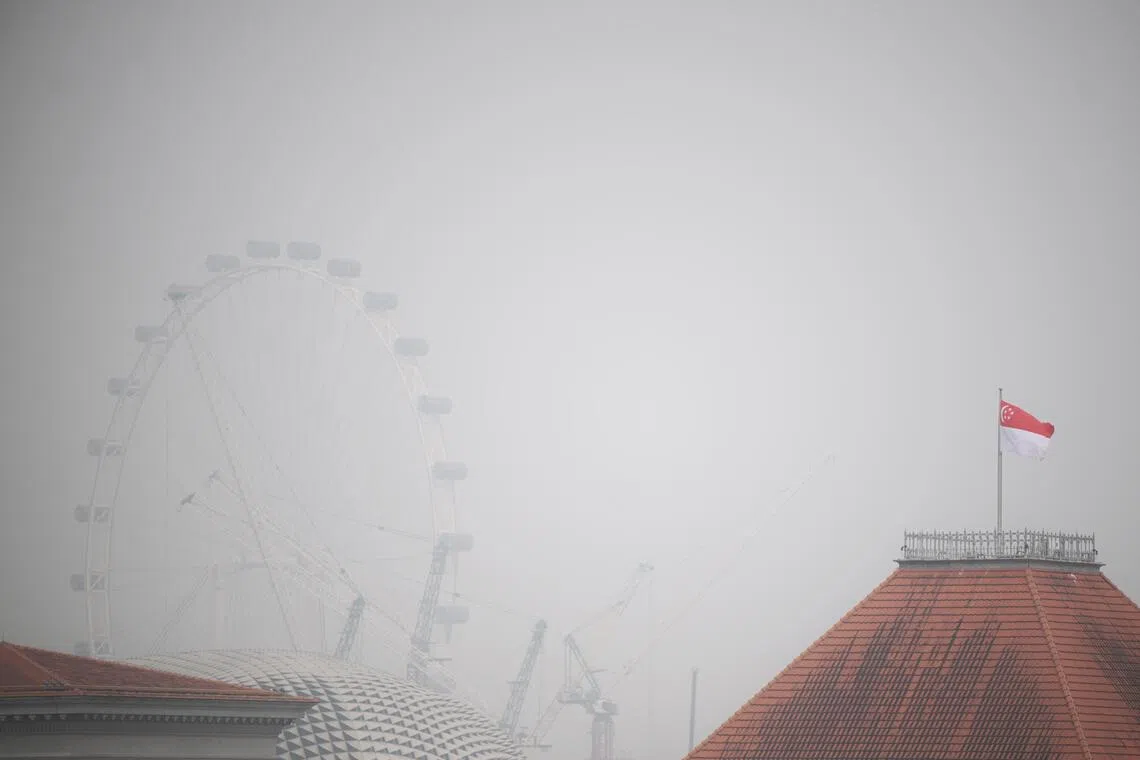
PM2.5 micro-pollutants are invisible to the naked eye and can get lodged deep in our lungs and enter the bloodstream.
ST PHOTO: MARK CHEONG
Published Oct 23, 2026, 12:00 PM
Updated Oct 23, 2026, 12:00 PM
PM2.5 from haze and forest fires is tiny enough to enter the lungs and bloodstream, causing harm to the body’s defence systems.
It can damage the lungs, brain and heart, leading to cough, shortness of breath, memory loss, inflammation, blood clots, heart attack and stroke.
It can also affect skin and eyes, causing dryness, redness, irritation, dry eyes and worse contact lens discomfort during poor air quality days.
SINGAPORE – The haze in Singapore caused by Indonesian forest fires contains PM2.5 micro-pollutants 30 times smaller than the width of a strand of hair.
These particles are invisible to the naked eye and can get lodged deep in our lungs and enter the bloodstream.
Here are the different ways your body can be harmed when this happens.
PM2.5 pollutants are so small they evade the human body’s natural defence filters found in the nose and upper airway, and penetrate deep into the smallest air sacs of the lungs (alveoli).
This causes structural, inflammatory, and functional damage to the respiratory system.
Symptoms include chronic cough or persistent hacking that lasts for weeks or months, shortness of breath, and coughing up blood or blood-streaked mucus from damaged vessels.
PM2.5 harms the brain after entering it via the bloodstream and nasal nerve endings, triggering brain inflammation, injuring brain cells, and causing oxidative stress and damage to the blood-brain barrier. Symptoms include cognitive decline, memory loss, brain fog, and fatigue.
Ingested or inhaled particles also disrupt gut bacteria, causing inflammation and other gut issues. This, in turn, sends inflammatory signals to the brain, contributing to conditions such as anxiety and brain fog.
The tiny airborne particles affect the heart by penetrating deep into the lungs, entering the bloodstream, and triggering systemic damage. This can result in heart attacks (myocardial infarction), stroke, heart failure, high blood pressure (hypertension), and dangerous heart rhythms (arrhythmias).
PM2.5 can also cause blood platelets to be stickier and more prone to forming clots, which can block blood flow to the heart or brain. When this happens in the heart, it can lead to a heart attack (myocardial infarction); in the brain, it can cause an ischaemic stroke.
PM2.5 also irritates nerve receptors in the lungs, messing with the nervous system signals that control heart rate and heart rhythm.
Short-term or acute spikes in PM2.5 can trigger plaque ruptures and sudden cardiac events, including heart attacks and heart failure.
Long-term exposure to PM2.5 speeds up the build-up of fatty plaques inside the arteries, narrowing blood vessels and raising blood pressure.
PM2.5 dust particles can settle on the skin, collect in pores or texture irregularities, and alter critical barrier lipids, such as ceramides. This leads to dryness, dehydration, and heightened skin sensitivity.
The particles can activate receptors and inflammatory pathways, releasing immune system reactions and causing facial redness (erythema) and irritation.
PM2.5 sticks to eyelids, conjunctiva, or cornea, exacerbating inflammation, damaging the tear film and conjunctival surface, leading to various eye conditions, including dry eyes, burning sensation, foreign body sensation in the eyes, redness, conjunctivitis, itching, excessive tearing, and impaired vision.
The inflammation can spread to the eyelids, causing redness, heavy secretions, and plugged gland ducts.
Those with contact lenses experience faster tear breakdown and increased discomfort during poor air quality days.
Health and well-being
Heart/Cardiac diseases
National University Hospital
PM2.5 微污染物肉眼不可见,但能深入肺部并进入血液。
《海峡时报》照片:张马克
发布于2026年10月23日下午12:00
更新于2026年10月23日中午12:00
来自雾霾和森林火灾的 PM2.5 颗粒非常小,能够进入肺部和血液,对人体的防御系统造成损害。
它会损害肺部、大脑和心脏,导致咳嗽、呼吸急促、记忆力丧失、炎症、血栓、心脏病发作和中风。
它还会影响皮肤和眼睛,导致干燥、发红、刺激、眼睛干涩,并且在空气质量差的日子里会加剧隐形眼镜的不适感。
新加坡——由印尼森林大火引起的新加坡雾霾中含有PM2.5微污染物,其直径比一根头发丝的宽度还要小30倍。
这些颗粒肉眼不可见,它们会滞留在我们的肺部深处,并进入血液。
这种情况发生时,你的身体可能受到以下几种伤害。
PM2.5 污染物颗粒非常小,能够躲避人体鼻腔和上呼吸道中的天然防御过滤器,并深入肺部最小的气囊(肺泡)。
这会导致呼吸系统的结构性、炎症性和功能性损伤。
症状包括持续数周或数月的慢性咳嗽或持续性干咳、呼吸急促,以及从受损血管中咳出血或带血的粘液。
PM2.5可通过血液和鼻腔神经末梢进入大脑,引发脑部炎症,损伤脑细胞,造成氧化应激并破坏血脑屏障,从而损害大脑。症状包括认知能力下降、记忆力减退、思维迟钝和疲劳。
摄入或吸入的颗粒物也会破坏肠道菌群,导致炎症和其他肠道问题。反过来,这会向大脑发出炎症信号,从而引发焦虑和脑雾等症状。
这些微小的空气传播颗粒物能够深入肺部,进入血液循环,从而影响心脏,引发全身性损伤。这可能导致心脏病发作(心肌梗塞)、中风、心力衰竭、高血压和危险的心律失常。
PM2.5还会导致血小板黏性增强,更容易形成血栓,从而阻塞心脏或大脑的血液供应。当这种情况发生在心脏时,会导致心肌梗塞(心脏病发作);当这种情况发生在大脑时,会导致缺血性中风。
PM2.5还会刺激肺部的神经受体,干扰控制心率和心律的神经系统信号。
PM2.5 的短期或急性峰值可引发斑块破裂和突发性心脏事件,包括心脏病发作和心力衰竭。
长期暴露于 PM2.5 会加速动脉内脂肪斑块的形成,导致血管变窄和血压升高。
PM2.5粉尘颗粒会沉积在皮肤上,积聚在毛孔或皮肤纹理不规则处,并改变神经酰胺等关键屏障脂质。这会导致皮肤干燥、脱水和敏感性增加。
这些颗粒可以激活受体和炎症通路,释放免疫系统反应,导致面部发红(红斑)和刺激。
PM2.5 会粘附在眼睑、结膜或角膜上,加剧炎症,损伤泪膜和结膜表面,导致各种眼部疾病,包括眼睛干涩、灼热感、异物感、发红、结膜炎、瘙痒、流泪过多和视力受损。
炎症会扩散到眼睑,导致眼睑发红、分泌物增多和腺体导管堵塞。
佩戴隐形眼镜的人在空气质量差的日子里,泪液破裂速度更快,不适感也会增加。
健康与福祉
心脏/心脏疾病
国立大学医院