Next phase of marriage and parenthood review to address work-life balance, education stress: Indranee下一阶段婚姻和育儿审查将着重解决工作与生活平衡、教育压力等问题:英德拉妮
The full report will be out in early 2027. Read more at straitstimes.com.
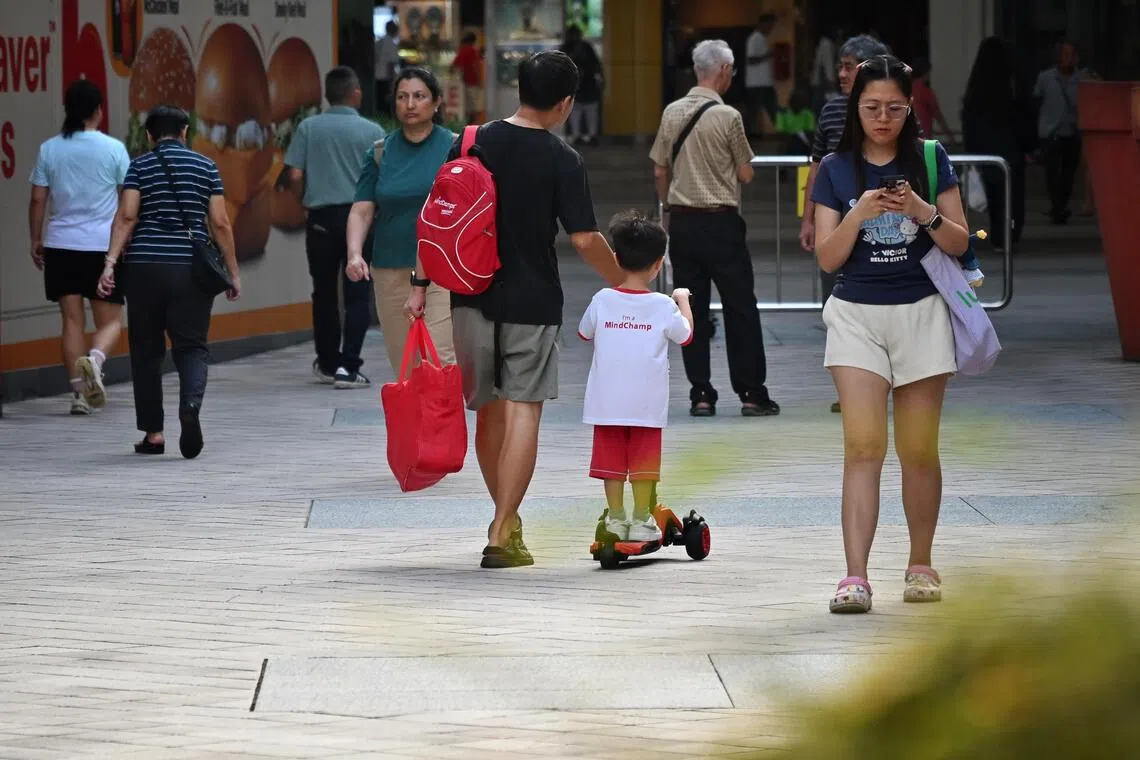
The workgroup will also look at more progressive workplace norms and practices.
ST PHOTO: KUA CHEE SIONG
Published Oct 23, 2026, 04:55 PM
Updated Oct 23, 2026, 04:55 PM
Singapore’s next phases of marriage and parenthood reset recommendations will focus on better work-life balance, fertility and maternal health, and less education stress, said Indranee Rajah.
The workgroup, set up in February, also looks at childcare costs, housing, healthcare and support for low-income families. Its full report will be out in early 2027.
Indranee said families need stronger support from Government, employers and businesses to thrive.
SINGAPORE - Recommendations to ensure better work-life balance and reduce education stress will be part of the next phase of Singapore’s marriage and parenthood reset , Minister in the Prime Minister’s Office Indranee Rajah said on Oct 23.
The review will also look at how to attain more progressive workplace norms and practices and ensure fertility and maternal health, she said at a DBS Foundation event held at the Institute of Technical Education College Central.
Indranee, who chairs the Marriage and Parenthood Reset Workgroup , also highlighted efforts to support families with greater needs.
She cited DBS Foundation’s partnership with the Ministry of Social and Family Development through ComLink+ to help low-income families with children strengthen their social and financial resilience.
The foundation has also worked with KidSTART Singapore on programmes covering maternal nutrition, mental well-being and financial literacy.
“Such support does more than help families through difficult periods. It actually strengthens their foundations, builds resilience, and creates better opportunities for their children,” she said.
The workgroup was first announced in February, amid Singapore’s falling birth rate. Singapore’s resident total fertility rate fell to a record low of 0.87 in 2025, from 0.97 in 2024.
Supported by the National Population and Talent Division, it comprises nine political office-holders from the health, education, manpower ministries and others that review policies support for marriage and parenthood.
The team is looking at the costs of raising children, work-life support, caregiving, housing, healthcare and education. Its full report is expected in early 2027.
The first set of recommendations by the workgroup announced by Prime Minister Lawrence Wong at the National Day Rally aimed to give families greater assurance through more financial support, childcare leave and cheaper childcare.
In her speech, Indranee said people are navigating a rapidly changing, more uncertain world in which they are living longer. They also have to balance multiple responsibilities, and adapt to new technologies, including artificial intelligence.
“When they grow up, they will be working in jobs that do not yet exist, and which we can’t even imagine,” she said of children today.
Indranee touched on three “foundations” of building better lives across generations in Singapore’s super-aged society - strong connections, the capability to learn, and a wider circle of care.
“Families are often the first source of support. They provide stability, encouragement, and care through life’s ups and downs. But families themselves also need supportive environments,” she said.
She said the Government, employers, and businesses can create a wider circle of support for families, through measures such as those announced at the National Day Rally in August.
Indranee also called for inclusive spaces that help people form relationships, such as ‘third spaces’ beyond home and school where young people can connect, and community hubs that bring different generations together.
“In a rapidly changing world, relationships and communities become even more important, not less. Technology may change how we work and interact, but people will continue to need...others whom they can trust and rely on,” she said.
Learning must also continue throughout life, she said, pointing to support for Singaporeans to try AI tools, refresh their skills mid-career and continue contributing as they age.
“As we live longer, learning can no longer end with formal education. Learning, adapting and contributing will increasingly be lifelong pursuits,” she said.
Shermaine Ang is a journalist at The Straits Times, covering social issues in Singapore.
Prime Minister's Office
工作组还将研究更进步的工作场所规范和做法。
《海峡时报》摄影:郭志雄
发布于 2026 年 10 月 23 日下午 4:55
更新于2026年10月23日下午4:55
新加坡下一阶段的婚姻和育儿改革建议将侧重于更好地平衡工作与生活、生育和孕产妇健康,以及减轻教育压力,Indranee Rajah 表示。
该工作组成立于今年2月,其工作范围还包括托儿费用、住房、医疗保健以及对低收入家庭的支持。其完整报告将于2027年初发布。
英德拉妮表示,家庭需要政府、雇主和企业更有力的支持才能蓬勃发展。
新加坡——总理公署部长英兰妮·拉贾于10月23日表示,确保更好的工作与生活平衡以及减轻教育压力的建议将成为新加坡婚姻和育儿改革下一阶段的一部分。
她在DBS基金会于中央技术教育学院举办的活动上表示,此次审查还将着眼于如何实现更进步的工作场所规范和做法,并确保生育和孕产妇健康。
婚姻与育儿重置工作组主席英德拉妮还重点介绍了为有更大需求的家庭提供支持的努力。
她提到星展基金会通过 ComLink+ 与社会及家庭发展部合作,帮助有孩子的低收入家庭增强其社会和经济韧性。
该基金会还与新加坡 KidSTART 组织合作开展了涵盖孕产妇营养、心理健康和金融知识普及等方面的项目。
“这样的支持不仅能帮助家庭度过难关,还能真正增强他们的根基,培养他们的韧性,并为他们的孩子创造更好的机会,”她说。
该工作组于今年2月首次宣布成立,当时新加坡的出生率正在下降。新加坡的居民总和生育率预计将从2024年的0.97降至2025年的历史新低0.87。
该机构由国家人口与人才司支持,由来自卫生部、教育部、人力部等部门的九名政治官员组成,负责审查支持婚姻和生育的政策。
该团队正在研究养育子女、工作与生活平衡、照护、住房、医疗保健和教育等方面的成本。其完整报告预计将于2027年初发布。
黄循财总理在国庆群众大会上宣布的工作小组提出的第一批建议旨在通过增加财政支持、育儿假和降低托儿费用,为家庭提供更大的保障。
英德拉妮在演讲中表示,人们正生活在一个快速变化、充满不确定性的世界中,而且寿命越来越长。他们还要兼顾多重责任,并适应包括人工智能在内的新技术。
“当他们长大后,他们将从事一些现在还不存在,甚至我们无法想象的工作,”她谈到现在的孩子们时说道。
Indranee 谈到了在新加坡这个超老龄化社会中,构建跨代美好生活的三个“基础”——牢固的人际关系、学习能力和更广泛的关怀圈。
“家庭往往是人们最初的支持来源。在人生的起伏中,家庭提供稳定、鼓励和关爱。但家庭自身也需要支持性的环境,”她说道。
她表示,政府、雇主和企业可以通过诸如8月份国庆群众大会上宣布的那些措施,为家庭创造更广泛的支持范围。
英德拉妮还呼吁建立包容性空间,帮助人们建立人际关系,例如家庭和学校以外的“第三空间”,让年轻人可以在那里交流,以及将不同世代的人聚集在一起的社区中心。
“在一个快速变化的世界里,人际关系和社群变得更加重要,而不是不那么重要。科技可能会改变我们的工作和互动方式,但人们仍然需要……可以信任和依靠的人,”她说。
她表示,学习必须贯穿人的一生,并指出要支持新加坡人尝试人工智能工具,在职业生涯中期更新技能,并在年老时继续做出贡献。
“随着寿命的延长,学习不能再止步于正规教育。学习、适应和贡献将日益成为终身追求,”她说道。
Shermaine Ang是《海峡时报》的记者,负责报道新加坡的社会问题。
首相办公室