MSF looks to double regular volunteer pool by 2030 to tackle complex social needs: Masagos无国界医生组织计划到2030年将常规志愿者人数增加一倍,以应对复杂的社会需求:马萨戈斯
Minister for Social and Family Development Masagos Zulkifli outlined plans to shift volunteerism away from one-off contributions toward sustained relationships and community leadership.
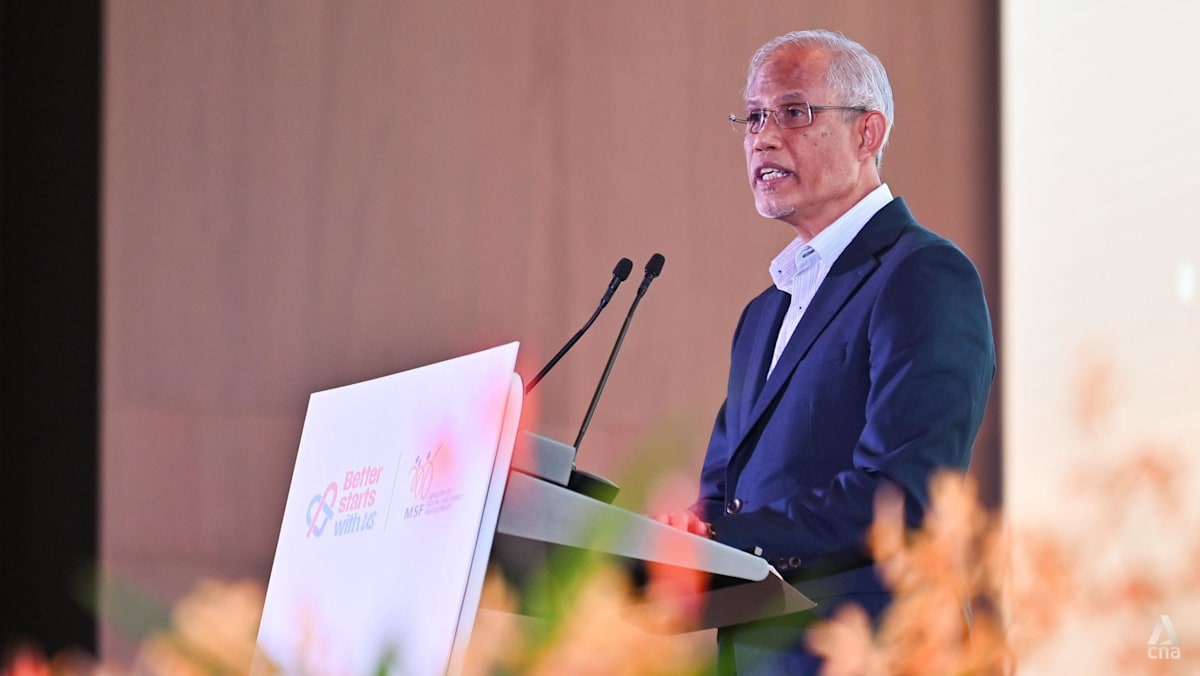
Minister for Social and Family Development Masagos Zulkifli outlined plans to shift volunteerism away from one-off contributions toward sustained relationships and community leadership.
Minister for Social and Family Development Masagos Zulkifli speaking at the MSF volunteer and Partner Awards (MVPA) on Oct 23, 2026. (Photo: CNA/Alyssa Tan)
This audio is generated by an AI tool.
SINGAPORE: Around 3,000 additional regular volunteers are expected to be needed by 2030, doubling the current pool, as opportunities expand across befriending, mentoring, fostering and family support, the Ministry of Social and Family Development (MSF) said on Friday (Oct 23).
The call comes as the ministry looks to strengthen volunteer pathways, enabling volunteers to build deeper relationships with beneficiaries and create avenues for experienced volunteers to lead and shape programmes.
“As social needs become increasingly complex, individuals and families benefit from a stronger network of support that brings together volunteers, communities, professionals and families.
“This is part of a whole-of-society effort to achieve better outcomes for individuals and families,” MSF said.
Speaking at the MSF Volunteer and Partner Awards on Friday, Minister for Social and Family Development Masagos Zulkifli outlined three key shifts to guide the next chapter of volunteerism: moving from activities to outcomes, from acts of service to trusted relationships, and from individual contribution to volunteer leadership.
To this end, he urged volunteers to deepen their contributions by “journeying with an individual or family, guiding volunteers or shaping solutions”.
“Every strong family, child who finds hope and individual who overcomes adversity begins with someone who chooses to serve. When joined by others, that commitment reaches further,” he said.
Since its integration of volunteering programmes under the MSFCare network in 2022, the ministry has more than 3,000 active volunteers working alongside it, Mr Masagos said last year. The figure has remained largely unchanged.
FROM ACTIVITIES TO OUTCOMES
Under the first shift, volunteer roles will be structured around outcomes, such as helping a family towards stability, supporting sustained employment, or guiding a young person towards a better future, said Mr Masagos.
At Youth Homes, where volunteers have long served as befrienders, Mr Masagos said the homes have worked with experienced volunteers and community partners on a mentoring model that gives volunteers a larger role in youths' rehabilitation and reintegration.
Under the Youth Home Mentors initiative at the Singapore Boys' Home and Singapore Girls' Home, mentors work alongside staff to understand each youth's goals and provide structured guidance throughout their rehabilitation.
They also support youths by building on their strengths, strengthening confidence and positive relationships, and navigating a successful transition back into the community to reduce the risk of reoffending.
There are currently close to 100 mentors and more than 100 youths in the programme, MSF said.
“This is what we mean by moving from activities to outcomes: starting with the difference we want to make and designing the volunteer role around it,” Mr Masagos said.
BUILDING TRUSTED RELATIONSHIPS
The second shift focuses on building trusted relationships with children and families over time rather than one-off acts of service.
Mr Masagos said such relationships provide the encouragement and stability needed to navigate setbacks and keep moving forward.
“ Meaningful change takes time and is rarely linear. We are creating more opportunities for volunteers to journey with children and families over time,” he said.
In his speech, he cited how foster parents Madam Siti Rahmah and Mr Abdul Jalil cared for five foster children, including several with special needs, over a span of 20 years.
“Their persistent support has helped the children persevere in their education and therapy and make important developmental gains,” Mr Masagos said.
CNA Games Guess Word Crack the word, one row at a time Buzzword Create words using the given letters Mini Sudoku Tiny puzzle, mighty brain teaser Mini Crossword Small grid, big challenge Word Search Spot as many words as you can Show More Show Less
On child protection, MSF said it is integrating volunteers more closely into the service journey through two new pilots.
Under the Transition Support Companions programme , volunteers serve as stable and trusted adults for children and young persons in out-of-home care as they move across care settings.
They also provide continuity and emotional support during key transition periods, helping children adapt to new environments and relationships, while strengthening placement stability and reunification efforts.
Another initiative, Project Care, gives counselling support to help families process their emotions, better understand their children’s needs and behaviours, and build confidence in parenting and care.
The MSFCare Network, the ministry’s corps of volunteers and partners, has begun piloting both programmes and plans to expand to 300 volunteers by 2027.
VOLUNTEER LEADERSHIP
The third shift seeks to empower experienced volunteers to step into leadership roles, take ownership of initiatives and mentor newer volunteers.
On this point, Mr Masagos welcomed the aspirations of many volunteers who want to take ownership and contribute ideas as they gain experience.
“When they step forward to lead, they multiply their impact,” said the minister.
Such an approach is already taking shape through the Families for Life volunteer leaders network, where 60 volunteer leaders co-create and lead initiatives such as the marriage support group and national family festival, Mr Masagos added.
MSF aims to groom experienced volunteer befrienders into lead befrienders under ComLink+, a national programme to benefit lower-income families . These leaders will be able to take on greater responsibility in supporting families, said the ministry .
For example, the National University of Singapore (NUS) has worked with MSF to co-create a ComLink+ befrienders course for university students.
Since 2022, the programme has had more than 1,100 student befrienders who have contributed over 20,000 volunteer hours,
More than 340 students enrolled as volunteer befrienders in 2025, with plans for year-on-year increases.
NUS has expanded the initiative to include alumni and staff volunteers, who help families with employment, home ownership and financial stability.
“As leadership opportunities grow, volunteerism is no longer only about what each person can contribute directly. It is also about the people they influence, support and inspire,” Mr Masagos said.
“The three shifts I have shared reinforce one another. Outcomes define the difference we hope to make. Trusted relationships sustain progress, and volunteer leadership allows each contribution to reach further,” he added.
GIVING BACK TO THE COMMUNITY
Speaking to CNA, Ms Irene Soh, who received an outstanding volunteer award on Friday, encouraged others to give back to the community through volunteerism.
The grassroots volunteer in Boon Lay and ComLink+ volunteer conducts home visits to help others with their practical and emotional needs, while connecting them to community resources. Ms Soh also makes it a point to encourage mothers from the ComLink+ programme to step forward as volunteers, she said.
Irene Soh, a recipient of the Outstanding Volunteer Award, at the MSF Volunteer and Partner Awards on Oct 23, 2026. (Photo: CNA/Alyssa Tan)
During the pandemic, Ms Soh started an initiative delivering Mother’s Day cakes to single mothers in Boon Lay rental flats. It has since expanded into a monthly birthday cake distribution of 50 to 60 cakes, helping her team connect with residents and identify their needs.
"So as we go by, we find the problems and the things that we can provide them," Ms Soh said.
By encouraging those she has helped to become volunteers themselves, she said doing so helps them forge new friendships and find a sense of belonging.
"I can see the changes in the families and you feel like you're journeying with them. And you can see that they can stand up on their own ... So we feel like we've been supporting them, now it's time for them to give back to the community."
"Our main objective is to bring residents together to support one another. Regardless of your background, whether you're educated, non-educated, financially independent or receiving support from the government, you still can give back," Ms Soh added.
Get our pick of top stories and thought-provoking articles in your inbox
Stay updated with notifications for breaking news and our best stories
Join our channel for the top reads for the day on your preferred chat app
社会及家庭发展部长马善高概述了将志愿服务从一次性贡献转向持续关系和社区领导的计划。
社会及家庭发展部长马善高于2026年10月23日在无国界医生组织志愿者及合作伙伴奖颁奖典礼上发表讲话。(图片:CNA/Alyssa Tan)
这段音频由人工智能工具生成。
新加坡:社会及家庭发展部(MSF)周五(10月23日)表示,到2030年,预计需要增加约3000名定期志愿者,使目前的志愿者人数翻一番,因为在陪伴、指导、寄养和家庭支持等方面的机会将会增加。
该部发出这一呼吁,旨在加强志愿者发展途径,使志愿者能够与受益人建立更深层次的关系,并为经验丰富的志愿者创造领导和塑造项目的途径。
“随着社会需求日益复杂,个人和家庭将受益于更强大的支持网络,该网络将志愿者、社区、专业人士和家庭聚集在一起。
无国界医生组织表示:“这是全社会共同努力,为个人和家庭带来更好结果的一部分。”
社会及家庭发展部长马善高周五在无国界医生志愿者及合作伙伴奖颁奖典礼上发表讲话时,概述了指导志愿服务下一阶段的三个关键转变:从活动转向成果,从服务行为转向信任关系,以及从个人贡献转向志愿者领导。
为此,他敦促志愿者们通过“陪伴个人或家庭、指导志愿者或制定解决方案”来深化他们的贡献。
“每一个坚强的家庭,每一个重拾希望的孩子,每一个战胜逆境的人,都始于一个选择奉献的人。当其他人加入进来,这种奉献精神就能传播得更远,”他说。
马萨戈斯先生去年表示,自2022年将志愿服务项目纳入MSFCare网络以来,该部门已有超过3000名活跃志愿者与其并肩工作。这一数字基本保持不变。
从活动到成果
马萨戈斯先生表示,在第一阶段,志愿者的角色将围绕成果展开,例如帮助家庭走向稳定、支持持续就业或引导年轻人走向更美好的未来。
马萨戈斯先生表示,在青年之家,志愿者长期以来一直担任陪伴者的角色,这些青年之家与经验丰富的志愿者和社区伙伴合作,采用指导模式,让志愿者在青少年的康复和重新融入社会方面发挥更大的作用。
在新加坡男童之家和女童之家推行的“青年之家导师计划”中,导师们与工作人员一起了解每个青少年的目标,并在整个康复过程中提供结构化的指导。
他们还通过发挥青少年的优势、增强他们的自信心和积极的人际关系,以及帮助他们成功过渡回社区,来支持青少年,从而降低再次犯罪的风险。
无国界医生组织表示,目前该项目有近 100 名导师和 100 多名青年参与。
马萨戈斯先生说:“这就是我们所说的从活动转向结果:从我们想要产生的改变出发,围绕这个改变来设计志愿者的角色。”
建立信任关系
第二个转变侧重于随着时间的推移与儿童和家庭建立信任关系,而不是一次性的服务行为。
马萨戈斯先生表示,这样的关系能够提供克服挫折和继续前进所需的鼓励和稳定性。
他说:“有意义的改变需要时间,而且很少是线性的。我们正在创造更多机会,让志愿者能够长期陪伴儿童和家庭。”
他在演讲中提到,寄养父母西蒂·拉赫玛女士和阿卜杜勒·贾利勒先生在 20 年的时间里照顾了 5 名寄养儿童,其中包括几名有特殊需要的儿童。
马萨戈斯先生说:“他们的持续支持帮助孩子们坚持学习和治疗,并在发展方面取得了重要的进步。”
CNA游戏 猜词游戏 逐行破解单词 流行词游戏 用给定的字母组成单词 迷你数独 小小谜题,挑战你的大脑 迷你填字游戏 小方格,大挑战 单词搜索 尽可能多地找出单词 显示更多 显示更少
在儿童保护方面,无国界医生组织表示,他们正在通过两项新的试点项目,让志愿者更紧密地参与到服务过程中。
在过渡支持伙伴计划下,志愿者们为寄养儿童和青少年提供稳定可靠的成年人支持,帮助他们顺利过渡到不同的照护机构。
他们还在关键的过渡时期提供持续性和情感支持,帮助儿童适应新的环境和人际关系,同时加强安置稳定性和家庭团聚工作。
另一项名为“关爱项目”的计划,旨在为家庭提供咨询支持,帮助他们处理情绪,更好地了解孩子的需求和行为,并建立育儿和照顾孩子的信心。
MSFCare Network 是该部委的志愿者和合作伙伴团队,已经开始试行这两个项目,并计划到 2027 年将志愿者人数扩大到 300 人。
志愿者领导力
第三阶段旨在赋能经验丰富的志愿者,让他们承担领导角色,负责各项活动,并指导新志愿者。
对此,马萨戈斯先生表示欢迎许多志愿者希望承担责任,并在积累经验的过程中贡献想法。
部长说:“当他们挺身而出担任领导角色时,他们的影响力就会成倍增长。”
马萨戈斯先生补充说,这种做法已经在“家庭生活”志愿者领导网络中初见成效,该网络由 60 名志愿者领导,他们共同创建并领导婚姻支持小组和全国家庭节等活动。
无国界医生组织计划在“ComLink+”项目下,将经验丰富的志愿者培养成首席志愿者。“ComLink+”是一项旨在帮助低收入家庭的全国性项目。该部门表示,这些首席志愿者将能够承担更大的责任,为家庭提供支持。
例如,新加坡国立大学 (NUS) 与无国界医生组织 (MSF) 合作,为大学生共同创建了 ComLink+ 互助课程。
自 2022 年以来,该项目已有超过 1100 名学生志愿者,累计贡献了超过 20000 小时的志愿服务时间。
2025 年将有 340 多名学生注册成为志愿者陪伴员,并计划逐年增加。
新加坡国立大学已将该计划扩大到包括校友和教职工志愿者,他们帮助家庭解决就业、购房和财务稳定等问题。
“随着领导机会的增多,志愿服务不再仅仅关乎每个人能直接做出什么贡献,也关乎他们能影响、支持和激励多少人,”马萨戈斯先生说。
“我提到的这三个转变相互促进。成果定义了我们希望带来的改变。信任关系能够持续进步,而志愿者的领导作用则能让每一份贡献发挥更大的作用,”他补充道。
回馈社区
周五获得杰出志愿者奖的苏爱琳女士在接受亚洲新闻台采访时,鼓励其他人通过志愿服务回馈社会。
文礼的基层志愿者和ComLink+项目的志愿者会进行家访,帮助有需要的人解决实际和情感上的问题,并为他们提供社区资源。苏女士表示,她也一直鼓励ComLink+项目的母亲们积极参与志愿服务。
2026年10月23日,在无国界医生组织志愿者及合作伙伴颁奖典礼上,Irene Soh荣获杰出志愿者奖。(图片:CNA/Alyssa Tan)
疫情期间,苏女士发起了一项活动,为文礼组屋的单身母亲们送去母亲节蛋糕。此后,这项活动扩展为每月一次的生日蛋糕派发,每次派发50至60个蛋糕,这有助于她的团队与居民建立联系,了解他们的需求。
“所以,随着我们不断深入,我们会发现问题,并思考我们可以为他们提供什么,”苏女士说。
她鼓励那些受过她帮助的人也成为志愿者,她说这样做可以帮助他们建立新的友谊,找到归属感。
“我能看到这些家庭的变化,感觉就像和他们一起经历了这段旅程。你能看到他们能够自立自强……所以我们觉得我们一直在支持他们,现在是他们回馈社会的时候了。”
“我们的主要目标是让居民团结起来互相支持。无论你的背景如何,无论你受过教育与否,经济独立还是接受政府资助,你都可以回馈社会,”苏女士补充道。
订阅我们的邮件,即可获取精选热点新闻和引人深思的文章。
订阅通知,第一时间获取突发新闻和精彩报道。
加入我们的频道,即可在您常用的聊天应用上获取当日热门文章。