Haze can irritate skin and eyes, not just lungs, experts warn专家警告:雾霾不仅会刺激肺部,还会刺激皮肤和眼睛。
KUALA LUMPUR, Oct 24 — Haze pushed air quality to hazardous levels in parts of the country this year, with the Air Pollutant Index (API) peaking at 519 in six areas of Sarawak on...
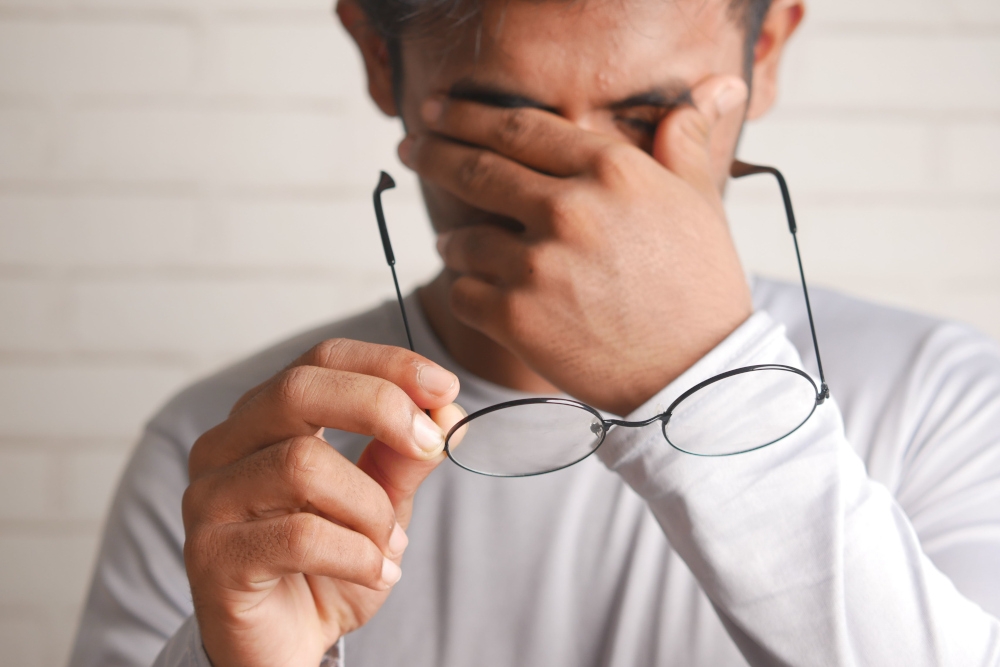
Haze pushed air quality to hazardous levels in parts of Malaysia, with API reaching 519 in Sarawak, and unhealthy readings recorded in other regions.
Medical experts highlight that haze can worsen skin conditions and cause eye irritation, potentially leading to infections if untreated.
Reducing outdoor exposure and using N95 respirators are advised during high pollution, while seeking medical help if symptoms persist.
KUALA LUMPUR, Oct 24 — Haze pushed air quality to hazardous levels in parts of the country this year, with the Air Pollutant Index (API) peaking at 519 in six areas of Sarawak on September 1.
Readings above 300 are classified as hazardous, while those recorded across parts of Peninsular Malaysia in October, including Selangor, Kuala Lumpur, Negeri Sembilan and Johor, mostly ranged from 101 to 210, within the unhealthy category.
While haze is commonly associated with respiratory and cardiovascular problems, medical experts say it can also affect the skin and eyes.
How haze affects skin and eyes
Medical specialist Dr Norafiza Mohd Yasin said PM2.5 particles, which measure 2.5 microns in diameter, can penetrate deep into the lungs and enter the bloodstream, as well as disrupt the skin’s natural barrier.
“When PM2.5 particles infiltrate the pores, they disrupt the skin’s natural barrier.
“This leads to increased sensitivity, dryness, and irritation, often triggering flare-ups of underlying conditions such as eczema, psoriasis, and acne,” she said when contacted by Malay Mail .
Dr Bala Murali Sundram, a public health medicine specialist at Universiti Malaya’s Faculty of Medicine, said pollutants deposited on exposed skin can contribute to oxidative stress, inflammation and damage to the skin barrier.
“This may cause itching, dryness and redness or aggravate existing conditions such as eczema and atopic dermatitis,” he explained.
Pantai Hospital Batu Pahat consultant internal medicine specialist, gastroenterologist and hepatologist Dr Mohamed Amin Kader said fine particles in haze can cause dry eyes, redness and a stinging sensation.
“This ultimately can cause eye infection such as conjunctivitis if left untreated,” he said when contacted by Malay Mail .
Dr Bala, who is also a senior medical lecturer in the department’s Occupational and Environmental Health unit, said airborne pollutants can disturb the tear film and irritate the surface of the eyes, causing redness, burning, stinging, watery eyes and dryness.
“Individuals with dry-eye disease, allergies or contact lens use may experience greater discomfort,” he said.
How to reduce exposure
Dr Norafiza advised people to reduce unnecessary outdoor activities, particularly when the API reaches unhealthy levels.
“Staying indoors and keeping indoor air clean are important preventive measures.
“When outdoor exposure is unavoidable, a properly fitted N95 respirator can help reduce the inhalation of fine particles, although it does not protect against gaseous pollutants,” she said, adding that respirator suitability should be considered carefully for children, pregnant women and people with underlying medical conditions.
She advised the public to seek medical attention if symptoms persist or worsen, particularly in cases of eye pain, blurred vision, breathing difficulty or worsening asthma symptoms.
“Ultimately, prevention is key. Monitoring air quality, reducing unnecessary outdoor exposure and taking appropriate precautions are essential to protecting vulnerable groups during haze episodes,” she said.
Dr Bala advised the public to minimise unnecessary outdoor exposure, particularly when the API exceeds 100, and to avoid rubbing irritated eyes.
Contact lens users exposed to irritating dust or particles should remove their lenses before rinsing their eyes with clean water or sterile saline, he said.
Dr Bala also advised against using harsh soaps, vigorous scrubbing and excessive washing, which may worsen skin irritation.
He recommended keeping windows closed during heavy haze and using suitable air filtration at home where available to maintain cleaner indoor air.
Experts say all high-risk groups vulnerable to haze, including those with medical conditions
MCMC investigates Facebook’s failure to block livestream of teacher attack in Kuching, says Fahmi
Fahmi tells LLM, Prosignal to explain TuJu app glitches and fixes
雾霾导致马来西亚部分地区的空气质量达到危险水平,其中砂拉越的空气污染指数 (API) 达到 519,其他地区也记录到不健康的读数。
医学专家强调,雾霾会加重皮肤疾病并引起眼睛刺激,如果不及时治疗,可能会导致感染。
建议在污染严重时减少户外活动,并使用 N95 口罩;如果症状持续,请寻求医疗帮助。
吉隆坡,10 月 24 日讯——今年,雾霾导致该国部分地区的空气质量达到危险水平,9 月 1 日,砂拉越六个地区的空气污染指数 (API) 达到峰值 519。
读数超过 300 即被归类为危险,而 10 月份在马来西亚半岛部分地区(包括雪兰莪州、吉隆坡、森美兰州和柔佛州)记录的读数大多在 101 到 210 之间,属于不健康类别。
虽然雾霾通常与呼吸系统和心血管疾病有关,但医学专家表示,它也会影响皮肤和眼睛。
雾霾如何影响皮肤和眼睛
医学专家诺拉菲扎·莫哈末·亚辛博士表示,直径为 2.5 微米的 PM2.5 颗粒可以深入肺部并进入血液,还会破坏皮肤的天然屏障。
“当 PM2.5 颗粒渗入毛孔时,它们会破坏皮肤的天然屏障。
“这会导致皮肤更加敏感、干燥和刺激,常常引发湿疹、牛皮癣和痤疮等潜在疾病的发作,”她在接受《马来邮报》采访时表示。
马来亚大学医学院公共卫生医学专家巴拉·穆拉利·桑德拉姆博士表示,沉积在裸露皮肤上的污染物会导致氧化应激、炎症和皮肤屏障受损。
“这可能会导致瘙痒、干燥和发红,或加剧湿疹和特应性皮炎等现有疾病,”他解释说。
峇株巴辖班台医院内科顾问专家、肠胃科医生兼肝病学家穆罕默德·阿明·卡德尔医生表示,雾霾中的细小颗粒会导致眼睛干涩、发红和刺痛感。
“如果不及时治疗,最终可能导致结膜炎等眼部感染,”他在接受《马来邮报》采访时表示。
巴拉博士同时也是该部门职业与环境健康部门的高级医学讲师,他表示,空气污染物会扰乱泪膜并刺激眼睛表面,导致眼睛发红、灼痛、刺痛、流泪和干涩。
他说:“患有干眼症、过敏症或佩戴隐形眼镜的人可能会感到更不舒服。”
如何减少接触
Norafiza 博士建议人们减少不必要的户外活动,尤其是在 API 达到不健康水平时。
“待在室内并保持室内空气清洁是重要的预防措施。”
她表示:“当无法避免户外活动时,佩戴合适的 N95 口罩可以帮助减少吸入细颗粒物,但它不能防护气态污染物。”她还补充说,应仔细考虑儿童、孕妇和有基础疾病的人是否适合佩戴口罩。
她建议公众,如果症状持续或恶化,特别是眼痛、视力模糊、呼吸困难或哮喘症状恶化等情况,应及时就医。
“归根结底,预防才是关键。监测空气质量、减少不必要的户外活动以及采取适当的预防措施,对于在雾霾期间保护弱势群体至关重要,”她说道。
巴拉博士建议公众尽量减少不必要的户外活动,尤其是在空气污染指数超过 100 时,并避免揉搓受刺激的眼睛。
他说,接触到刺激性灰尘或颗粒的隐形眼镜佩戴者应该先摘下隐形眼镜,然后用清水或生理盐水冲洗眼睛。
巴拉医生还建议不要使用刺激性强的肥皂、用力搓洗和过度清洗,因为这些都可能加重皮肤刺激。
他建议在雾霾严重时关闭窗户,并在家中使用合适的空气过滤设备(如有条件),以保持室内空气清洁。
专家表示,所有易受雾霾影响的高风险群体,包括患有疾病的人,都可能受到影响。
法米表示,马来西亚通讯及多媒体委员会(MCMC)正在调查脸书未能屏蔽古晋教师遇袭事件直播一事。
Fahmi要求LLM和Prosignal解释TuJu应用程序的故障和修复方案