Hidden blessings: Kimchi Lai lost her job to AI, embraced full-time bartending and is now the first woman to win France’s Giffard West Cup意想不到的收获:金奇·赖(Kimchi Lai)因人工智能失去了工作,转行成为全职调酒师,如今却成为首位赢得法国吉法尔西部杯(Giffard West Cup)的女性。
KUALA LUMPUR, Oct 25 — When Kimchi Lai, 26, was announced the winner of the 2026 Giffard West Cup in Angers, France, on October 1, history was made. According to reports, Lai is...
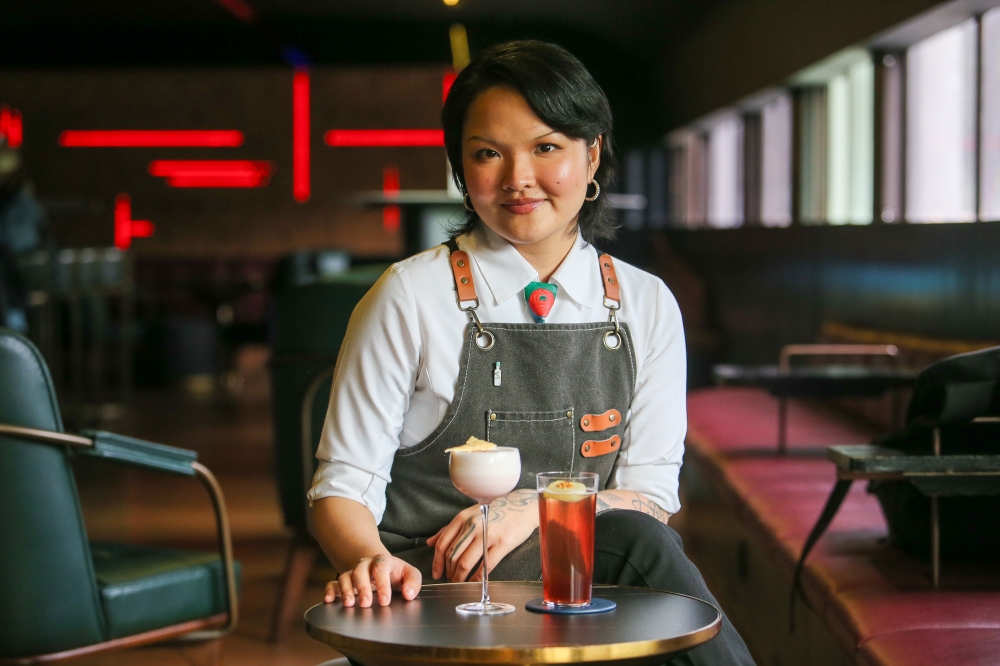
Kimchi Lai became the first woman to win the Giffard West Cup since its inception in 1997, following her victory in 2026.
Despite not being a full-time bartender initially, Lai transitioned from a translation career to bartending after AI replaced her job.
Her win highlights the importance of community support and collaboration, as friends and peers contributed to her successful competition journey.
KUALA LUMPUR, Oct 25 — When Kimchi Lai, 26, was announced the winner of the 2026 Giffard West Cup in Angers, France, on October 1, history was made.
According to reports, Lai is the first woman to win the competition since it began in 1997 and the second Malaysian champion after David Hans in 2017.
For Lai, it all still feels very surreal. “I never imagined this would happen. It’s been surprising, overwhelming — in a good way — and when people congratulate me, it still doesn’t feel real,” she told Malay Mail, a week after the announcement.
We were sitting in Reka:Bar, where Lai works, a few hours before her shift that night. “I don’t think I’ve processed all of it yet.”
The night before the final though, everything seemed to point to the opposite of a win.
A mix-up during the drawing of lots meant Lai was unexpectedly slated to go first among all 19 finalists. “You can imagine the meltdown I had,” she said. “I was crashing out outside the venue; I was crying in my hotel room as T.J., the Giffard brand rep for Malaysia, and my partner Wei comforted me.”
Watching over video call was her coach and mentor, Amanda Wan. “I remember feeling heartbroken that I couldn’t be there for her in person, but I was also annoyed at not being able to smack some sense into her at that moment,” Wan told me over text.
“I told her everything I wanted her to hear, and I was not the only one telling her many versions of the same thing — that she would be alright, and no matter what the results were, we love her.”
But just one year earlier, Lai wasn’t even a bartender. Not full-time, anyway.
Lai, whose full name is Nicoles Lai Jie Ying, has gone by Kimchi for a long time.
“My parents had the bright idea of giving their Chinese daughter a French name in a South-east Asian country,” she said. “I very much prefer Kimchi, but I’ve grown to appreciate my name a lot more in the past few years.”
She has performed poetry since she was 17, though she rarely does these days. After a part-time gig in an ice cream shop led to a first-time encounter with bartending at Pahit in 2022, she spent the next few years working part-time in bars and events while juggling a full-time job translating and interpreting.
Then, over the span of a couple of months, AI took over all of her translation work. “It was devastating and infuriating in all the worst ways possible,” she said.
She considers herself lucky to have had bartending to fall back on, and says it’s something she genuinely enjoys.
Many of her peers in the industry — translators, copywriters, transcribers — haven’t been so fortunate. “You blink, and your livelihood is at stake.”
With her translation work gone, Lai left it altogether and went full-time behind the bar. The hands-on nature of the job was a big part of the appeal.
“It was the main thing,” she said. “I was so frustrated about having no clients in a month. Financially, it was tough, and it made my psyche hell-bent on the next line of work I do being something hands-on. I don’t know, I might’ve become a florist or something.”
AI hasn’t stayed out of her new industry, either. Asked what she makes of it in the food and beverage industry, Lai burst out: “Take photos of your food! Take photos of your drinks! You can’t even do that? I feel like it is bleeding into every single industry, and even though F&B is such a hands-on line of work, it still manifests in the form of menus and social media content … It’s happening, to say the least.”
Hospitality, she says, runs on something else. “The point of hospitality is connection. Hospitality, as an industry — if you chase perfection, it does not function.
“At its core, you need to be human for connections to happen, for your customers to have a good time, and I think, maybe, we should start taking that into consideration?”
The job has a very human cost, though. “The biggest challenge with this job is how physical it is. I’m not a very fit person,” she laughed. “I’m super unfit. I never liked sports growing up, so the most challenging part is how physically demanding it is. But it fulfils my need to be in a line of work where you get how much you put into it.”
She was a year into bartending full-time and working at Three X Co when she signed up for her first-ever competition. But it was not in search of bragging rights or glory. Lai just wanted a raise.
“I felt that I needed to add value, so I proposed entering this competition, and the response was, ‘Yeah, sure,’ so I went and did it,” she said, laughing.
She chose Giffard because it was familiar: the Giffard West Cup was the first competition she had ever watched, at Reka:Bar in 2022.
“I wasn’t part of Reka then, but I thought it would be a nice little full-circle moment to join the competition and see what it’s all about. I joined very last-minute; I only submitted the recipe about a day before the deadline, but I’m glad I did.”
The Giffard West Cup is an international bartending and mixology competition established in 1997 and held every two years by French liqueur and syrup producer Giffard.
The brief for 2026, which remained the same at every stage of the competition, was “Sip the Moments”: two complementary drinks, one for sunrise and one for moonlight.
Desperate for ideas, Lai started with a pair of abstract drinks about intention, named “Love You” and “Mean It.”
“The first idea I had was super corny; thank goodness I didn’t go with it,” she said, dry-heaving.
Then she looked around her house and landed on a rice cooker, a Chinese New Year gift from her friend Sunny a couple of years earlier.
She thought about the many stages of rice, and how, from sunrise to moonlight, she “liked to eat rice.”
That led her to the Chinese idiom sheng mi zhu cheng shu fan (生米煮成熟饭), which means the rice has already been cooked.
It is usually taken to mean that what’s done is done. Lai read it another way: do your best at sunrise, and it’s okay if things don’t turn out by moonlight. “Sometimes the day cooks you.”
“Grain Potential”, her sunrise drink, is a long, stirred highball built on toasted glutinous rice cordial, dry vermouth and soda, with Giffard crème de cassis and a measure of vodka.
Lai has long liked the nuttiness of toasted glutinous rice powder, a staple of Thai cuisine. “I made a really nice, nutty cordial that lingers in the mouth after each sip,” she said. Toasting the rice by hand is “an extremely smoky ordeal,” and the toasted rice is then sous vide ’d in brown sugar syrup and acid-adjusted. The leftover rice is rinsed, dehydrated and used as the garnish.
“You’ll Be All Rice”, for moonlight, starts with rice milk. Lai wanted to know how the fragrance of rice translates into a drink, and her first reference point was horchata .
“I didn’t want to put cinnamon because that would just be horchata ,” she said. Nutmeg gave a poor yield and a bitter aftertaste; cardamom, infused into the milk and blended with ice, worked.
The finished drink adds sake and vodka, with Giffard rose and coconut syrups, and comes with a cracker made from the same rice milk and a scatter of rose petals.
Wan, now the Beverage Director of Hong Kong’s Tastings Group, had been in Lai’s corner long before the Giffard West Cup.
“We’ve been friends since 2022, and have worked together on other bartending gigs from time to time,” she told me.
“When she lost her interpreter job to AI, I asked if she would give full-time bartending a try, and she did. We worked together for a year, so naturally I managed to assist her in her competition.”
She is very familiar with the stage Lai was walking onto. In 2010, Wan became the first woman to represent Malaysia at the Diageo World Class Bartender of the Year finals, and she later reached the global finals of the Peter F. Heering Sling Award in 2015.
“Kimchi is very determined and resilient, which was great because I could be direct and precise with my feedback to her, knowing she wouldn’t take it personally,” Wan said.
The preparation began with a photoshoot, which Wan says took “an entire village,” then the copy, tweaked back and forth on Google Docs, and finally the routine.
On their days off, Lai would set up an iPad and phone on a video call and run through her whole set while Wan took notes. They’d discuss what worked, reset the station and go again.
“From the choice of words, the tone of her voice, and down to the length of every pause, I dare say her entire presentation is now burned into my memory as it is in hers,” Wan said. “There was a lot of yelling and yapping in between, but hey, it worked.”
That set, the same two drinks and the same performance, carried Lai through every stage.
She won the Malaysian final, then the regional final in Manila, both while working at Three X Co.
Between Manila and Angers, she moved to Reka:Bar, where both award-winning cocktails are available upon request.
Angers was the third time through.
By the time Lai stepped on stage, she was so tired from crying through the night that she was calm.
“I shook throughout the Malaysia and regional finals, but I didn’t shake at all during the global final.”
Her years as a performing poet helped, too. Lai enjoys being in front of a crowd, and she says bartending competitions are theatrical by nature, though she has watched that fade in recent years.
“I think we’re all too afraid or scared to be cringe, to commit to the bit these days,” she said. Her answer was to “be a bit campy, be a bit silly with it, but ultimately tell a story.”
Wan recalled watching from a quiet office, typing her reactions in capital letters and barely containing herself.
“She landed line after line after line,” she said. “She was worried about going first. By the time she finished her set, we were worried for the rest of the finalists about her going first.”
Lai was announced champion, ahead of runner-up Ketut Masdana of Indonesia and third-placed Liv Rosengren of Spain.
Wan, who had seen her through every step, felt an overwhelming mix of joy, pride and relief, along with “blurry vision.”
“I know how hard she worked for this and how much she wanted to win. She wanted it, so she did it.”
Standing behind the bar at Reka, Lai reflected on her win with an impassioned plea for the importance of community.
“Humanity in general is not designed for solitude,” she said, pointing to AI and capitalism as responsible for “an age that is so hell-bent on prying us apart from each other.”
“You don’t have to talk to friends; talk to ChatGPT!” is the pitch, as she hears it. “It’s prying us all apart.”
“If my journey is a good example of anything, it’s that it takes a village,” she said. She is, in her own words, working class, an only child with no generational wealth, on hospitality wages, and she didn’t own a suitcase hardy enough for the travel, with all the prep and perishables.
Her boss at Reka, Nick, gave her one. Friends and industry peers lent her freezer boxes.
Two days before her flight, her carry-on broke, and her friend Jo lent her his. Another friend lent her a phone lanyard.
Elena, a friend outside the industry who didn’t know what to give her as a send-off gift, bejewelled her teeth. Others sat in on practices, gave feedback, filmed her sets and gave up their time.
“None of this is possible if you do this alone. You need people,” she said. “It’s not about not being independent. Sure, I could’ve done this alone, but it would’ve been much harder, and less fulfilling. Because now I have so many people to share this win with; to share this joy with.”
* Follow us on Instagram @eatdrinkmm for more food gems.
* Follow Ethan Lau on Instagram @eatenlau for more in-depth conversations.
Escape the city (without leaving) at Gong Dou Coffee in Cheras, with direct fire roasted beans, strawberry mochi and coffee nut tarts
Osaka’s famed Human Beings Everybody Noodles opens in Damansara Perdana as Jinrui Ramen Malaysia, serving clam-based ‘shoyu ramen’
Peruvian coffee, Italian gelato and Mexican tortillas: A globe-trotting day of eating on JB’s heritage streets
Zahid: Malaysia reaffirms commitment to assist Indonesia in tackling transboundary haze
Even as skies begin to clear, eateries say the haze has already hurt business
Anwar congratulates Sultan of Selangor on silver jubilee of reign
Kimchi Lai 在 2026 年赢得吉法德西部杯后,成为自 1997 年该赛事设立以来首位赢得该项赛事的女性。
尽管赖女士最初并非全职调酒师,但在人工智能取代了她的工作后,她从翻译职业转型成为调酒师。
她的胜利凸显了社区支持与合作的重要性,朋友和同伴们为她成功的比赛之旅做出了贡献。
吉隆坡,10 月 25 日讯——10 月 1 日,26 岁的 Kimchi Lai 在法国昂热举行的 2026 年吉法尔西部杯赛中被宣布为冠军,创造了历史。
据报道,赖是自 1997 年该赛事创办以来首位赢得该项赛事的女性,也是继 2017 年大卫·汉斯之后第二位获得该项赛事冠军的马来西亚选手。
对赖来说,这一切仍然感觉很不真实。“我从未想过会发生这样的事。这太令人惊讶了,也太让人不知所措了——当然是好事——当人们祝贺我的时候,我仍然感觉不太真实,”她在宣布结果一周后告诉《马来邮报》。
我们坐在赖工作的Reka:Bar酒吧里,当时离她当晚上班还有几个小时。“我觉得我还没完全消化这件事。”
然而,决赛前夜,一切似乎都预示着胜利的渺茫。
由于抽签过程中出现失误,赖女士意外地被安排在19位决赛选手中第一个出场。“你可以想象我当时有多崩溃,”她说。“我在场馆外就瘫倒在地;回到酒店房间后,我一直在哭,吉法德马来西亚品牌代表TJ和我的伴侣魏一直在安慰我。”
她的教练兼导师阿曼达·万通过视频通话观看了比赛。“我记得当时我很难过,因为我不能亲自到场支持她,但同时我也很懊恼,因为那一刻我没能好好教训她一顿,”万在短信中告诉我。
“我把我想让她听到的一切都告诉了她,而且不止我一个人跟她说过同样的话——她会没事的,无论结果如何,我们都爱她。”
但就在一年前,赖还不是个调酒师。至少不是全职的。
赖洁莹(全名Nicoles Lai Jie Ying)长期以来一直使用Kimchi这个艺名。
“我父母突发奇想,在东南亚国家给他们的中国女儿取了个法国名字,”她说。“我非常喜欢Kimchi这个名字,但过去几年里,我越来越喜欢我的名字了。”
她从17岁就开始表演诗歌,不过现在很少表演了。2022年,她在一家冰淇淋店做兼职,之后在Pahit酒吧第一次接触到调酒师的工作。接下来的几年里,她一边在酒吧和活动场所兼职,一边兼顾一份全职的翻译工作。
然后,在短短几个月内,人工智能就接管了她所有的翻译工作。“这简直是毁灭性的,令人无比愤怒,”她说。
她觉得自己很幸运能有调酒这份工作作为后盾,并表示这是她真心喜欢的事情。
她的许多同行——翻译、文案撰稿人、转录员——就没有那么幸运了。“一眨眼的功夫,你的生计就岌岌可危了。”
翻译工作结束后,赖彻底放弃了翻译,全职投入到酒吧工作中。这份工作的实践性是吸引她的重要原因之一。
“这是最重要的事,”她说。“一个月都没接到客户,我感到非常沮丧。经济上很困难,这让我下一份工作一定要是需要动手操作的。我不知道,也许我会去做花艺师之类的。”
人工智能也渗透到了她所在的这个新行业。当被问及她如何看待人工智能在餐饮行业的影响时,赖女士脱口而出:“拍拍你的食物!拍拍你的饮料!连这都做不到?我觉得人工智能正在渗透到各个行业,即使餐饮业是一个需要大量人工操作的行业,它仍然会以菜单和社交媒体内容的形式体现出来……毫不夸张地说,它正在发生。”
她说,酒店业的运作方式另有玄机。“酒店业的精髓在于人与人之间的联结。酒店业作为一个行业——如果你追求完美,它就无法正常运转。”
“归根结底,你需要有人性才能建立联系,才能让你的客户获得良好的体验,我认为,或许我们应该开始考虑这一点了?”
不过,这份工作也需要付出很大的努力。“这份工作最大的挑战在于它的体力消耗。我身体不太好,”她笑着说。“我体能很差。我从小就不喜欢运动,所以这份工作最大的挑战就是对体力的要求很高。但它满足了我的需求,让我能从事一份付出多少就能获得多少回报的工作。”
在Three X Co酒吧全职做调酒师一年后,赖报名参加了她人生中的第一场调酒比赛。但她并非为了炫耀或追求荣耀,只是想要涨工资而已。
“我觉得我需要做出贡献,所以我提议参加这个比赛,得到的答复是‘好啊,当然可以’,所以我就去参加了,”她笑着说。
她选择吉法德是因为她对这个国家很熟悉:吉法德西部杯是她第一次观看的比赛,那是在 2022 年的 Reka:Bar 举行的。
“当时我还没加入Reka,但我觉得参加比赛是个不错的契机,可以看看比赛到底是怎么回事。我是临时决定报名的;我只在截止日期前一天左右提交了食谱,但我很高兴我这么做了。”
吉法德西部杯是一项国际调酒和鸡尾酒大赛,由法国利口酒和糖浆生产商吉法德于 1997 年创立,每两年举办一次。
2026 年的主题是“品味时光”,这一主题在比赛的每个阶段都保持不变:两种互补的饮品,一种适合日出,一种适合月光。
苦于没有灵感,赖先生开始创作两款关于意图的抽象饮品,分别命名为“爱你”和“真心话”。
“我最初的想法超级老套;谢天谢地我没采纳,”她说着,干呕起来。
然后她环顾了一下自己的房子,发现里面有一个电饭煲,这是几年前朋友 Sunny 送给她的春节礼物。
她想到了稻米的许多生长阶段,以及从日出到月落,她“喜欢吃米饭”。
这让她想到了中文成语“生米煮成熟饭”,意思是米饭已经煮熟了。
人们通常认为这意味着既成事实。赖则有另一种解读:尽力在日出时分完成,即使到了月光下事情没有成功也没关系。“有时候,一天会把你烤熟。”
“谷物潜力”是她日出时分的饮品,是一款长长的搅拌式高球,以烤糯米利口酒、干味美思和苏打水为基底,加入吉法尔黑醋栗利口酒和一定量的伏特加。
赖女士一直很喜欢烤糯米粉的坚果香味,这是泰国菜的常用原料。“我做了一种味道很棒的坚果甜酒,每一口都回味无穷,”她说。手工烘烤糯米“过程非常费劲,会产生很多烟熏味”,烤好的糯米会用红糖浆低温慢煮,并调整酸度。剩下的糯米淘洗干净,脱水后用作装饰。
《You'll Be All Rice》这款饮品以月光为灵感,以米浆为原料。赖想知道大米的香气如何转化为饮品,她的第一个参考对象是西班牙米浆饮料horchata。
“我不想放肉桂,因为那样就变成普通的西班牙米浆饮料了,”她说。肉豆蔻出油率低,而且有苦涩的余味;把豆蔻泡在牛奶里,再加冰块搅拌,效果就不错。
这款饮品最后加入了清酒和伏特加,以及吉法尔玫瑰糖浆和椰子糖浆,并配以用同样的米浆制成的饼干和一些玫瑰花瓣。
万先生现任香港品鉴集团饮料总监,早在吉法德西杯之前就一直支持赖先生。
“我们从 2022 年起就是朋友,也时不时地一起做过其他调酒工作,”她告诉我。
“当她因为人工智能失去了翻译工作后,我问她是否愿意尝试全职调酒,她同意了。我们一起工作了一年,所以很自然地,我也帮她参加了比赛。”
她对赖即将踏上的舞台非常熟悉。2010年,万成为首位代表马来西亚参加帝亚吉欧世界级年度调酒师总决赛的女性,之后她又在2015年进入了彼得·F·希林调酒大赛的全球总决赛。
“Kimchi 非常坚定且有韧性,这很好,因为我可以直截了当地向她提出反馈意见,而知道她不会放在心上,”Wan 说。
准备工作从拍摄照片开始,万表示这“动用了整个村庄的力量”,然后是文案,在谷歌文档上反复修改,最后是流程。
休息日里,赖会用iPad和手机进行视频通话,然后把整套节目流程过一遍,万则在一旁做笔记。她们会讨论哪些地方做得好,重新调整节目设置,然后再继续。
“从她选择的措辞、语气,到每一次停顿的长短,我敢说,她的整个演讲都深深地印在了我的脑海里,就像她自己也记得一样,”万说道。“演讲过程中夹杂着不少叫喊和喋喋不休,但嘿,效果还不错。”
那套组合,同样的两种饮品和同样的表演,陪伴赖一路走过了每一个舞台。
她赢得了马来西亚总决赛,然后又赢得了马尼拉地区总决赛,而这两场比赛都是在 Three X Co. 工作期间举行的。
在马尼拉和昂热之间,她搬到了 Reka:Bar,那里可以应要求提供两款屡获殊荣的鸡尾酒。
昂热是我们第三次去那里。
当赖女士走上舞台时,她因为整夜哭泣而筋疲力尽,反而平静了下来。
“我在马来西亚决赛和区域决赛中一直发抖,但在全球总决赛中我一点也不发抖。”
她多年担任表演诗人的经历也对她有所帮助。赖喜欢在众人面前表演,她说调酒比赛本身就具有戏剧性,尽管她注意到近年来这种戏剧性有所减弱。
“我觉得我们现在都太害怕或不敢尝试尴尬的表演方式了,”她说。她的答案是“可以有点浮夸,有点傻气,但最终要讲好一个故事。”
万回忆说,她当时在安静的办公室里看着这一切,用大写字母打出自己的反应,几乎无法控制自己的情绪。
“她连续落地,一气呵成,”她说。“她很担心自己第一个出场。等她跳完之后,我们都替其他决赛选手担心她第一个出场会出什么问题。”
赖伊获得冠军,领先于亚军印度尼西亚选手科图·马斯达纳和季军西班牙选手丽芙·罗森格伦。
一路陪伴她走过每一步的婉,心中充满了喜悦、自豪和如释重负的复杂情绪,同时还感到“视线模糊”。
“我知道她为此付出了多少努力,也知道她有多么渴望胜利。她想要胜利,所以她做到了。”
站在 Reka 酒吧的吧台后,赖女士回顾了自己的胜利,并热情洋溢地呼吁社区的重要性。
“人类天生就不适合孤独,”她说道,并指出人工智能和资本主义是造成“这个一心想把我们彼此分开的时代”的罪魁祸首。
她听到的推销词是:“你不必和朋友聊天;和 ChatGPT 聊天就行了!” “它正在把我们所有人拆散。”
“如果我的经历能说明什么,那就是众人拾柴火焰高,”她说。用她自己的话说,她出身工人阶级,是独生女,没有祖辈的财富,靠着酒店业的微薄收入度日,而且她甚至没有一个足够结实的行李箱来装下旅途中需要准备的所有东西和易腐品。
她在Reka公司的老板Nick送了她一个。朋友和业内同行也借给她一些冷冻箱。
在她登机前两天,她的随身行李箱坏了,她的朋友乔把自己的行李箱借给了她。另一位朋友又借给了她一条手机挂绳。
圈外朋友埃琳娜不知道该送她什么礼物,就给她做了牙齿装饰。其他人则旁听排练、提供反馈、拍摄她的表演,并抽出时间支持她。
“如果单打独斗,这一切都不可能实现。你需要人,”她说。“这并非关乎独立。当然,我也可以独自完成这一切,但这会艰难得多,也更没有成就感。因为现在我有这么多人可以分享这份胜利,分享这份喜悦。”
* 关注我们的Instagram账号@eatdrinkmm,获取更多美食资讯。
* 关注 Ethan Lau 的 Instagram 账号 @eatenlau,了解更多深入的对话。
在蕉赖的龚豆咖啡馆,您可以品尝到明火烘焙的咖啡豆、草莓麻糬和咖啡坚果挞,仿佛置身于城市之外(无需离开)。
大阪著名的“人人拉面”在 Damansara Perdana 以 Jinrui Ramen Malaysia 的名义开业,供应以蛤蜊为原料的“酱油拉面”。
秘鲁咖啡、意大利冰淇淋和墨西哥玉米饼:在柔佛新山历史悠久的街道上,开启环球美食之旅
扎希德:马来西亚重申致力于协助印度尼西亚应对跨境烟霾问题
即使天空开始放晴,餐馆老板们也表示,雾霾已经对生意造成了影响。
安华祝贺雪兰莪苏丹登基25周年