Extreme Value Theory and how one bad day can change your life极值理论以及糟糕的一天如何改变你的人生
OCTOBER 26 — Not so fun fact: Our lives are often judged not by how we regularly live it but by its most extreme events.There is a branch of statistics called Extreme Value...
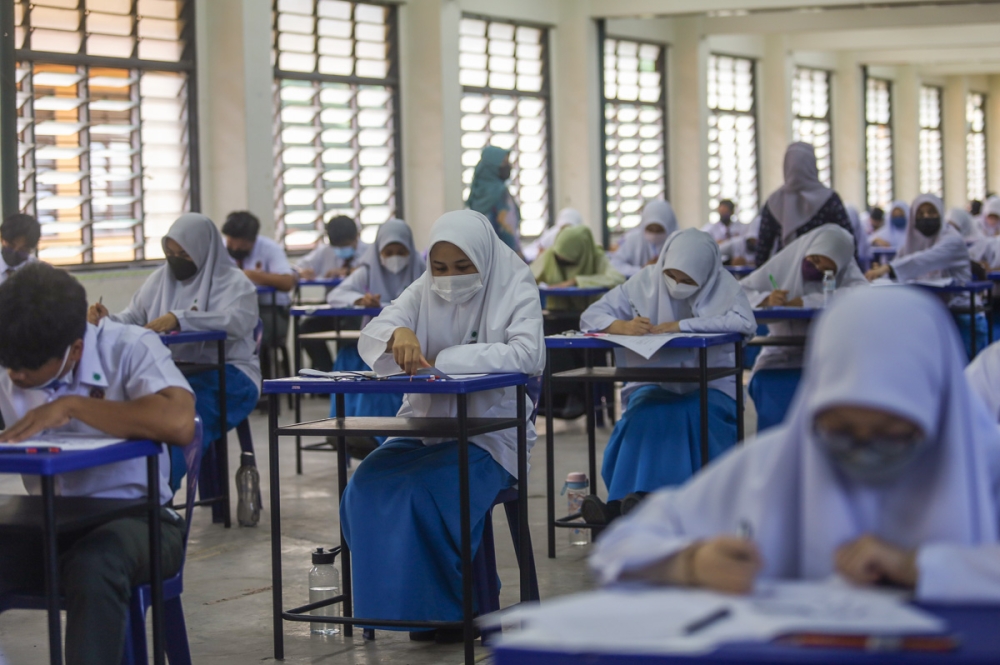
OCTOBER 26 — Not so fun fact: Our lives are often judged not by how we regularly live it but by its most extreme events.
There is a branch of statistics called Extreme Value Theory in which an extraordinarily high value overwhelmingly impacts the entire set of numbers, even shifting the average by a huge percentile.
A simple example is salaries. If you take the monthly pay of 100 junior staff in, say, an insurance company, any one of their wages will not substantially impact the average.
But if you add the salary of the CEO of the regional group into that set, suddenly this addition could mutate the average to an unrecognisable number.
It’s like adding JK Rowling’s earnings to the earnings of the average 10,000 authors just barely scraping to get by.
That’s extreme value — when one factor changes everything.
Ditto with school bullying and murders, not least the recent spate of tragic incidents.
Each one of those students in the news now for being the antagonist or culprit in a bullying or otherwise incident were living “normal” lives until something snapped in them and they went ahead and did something extreme.
Nurturing positive extremes
I’m not a huge fan of Tony Robbins but I do recall him saying something to the effect that our lives can change in an instant.
One meeting, one email, one speech, one tweet, one bad acquaintance, one special friend and our world can tilt on its axis.
The good news is that maybe we can learn to put ourselves in “places” where positive manifestations of EVT can occur.
This is why many good mentors counsel us to tinker, to try new things, to meet new people, to join new projects, to check out new places and so on. We just never know what can happen.
You could say it’s the epitome of “working smart”. Do enough new and unexpected things and, who knows, we could be struck by lightning (in a good way).
The bad news is we need to be even more vigilant about how casual, tiny and “inconsequential” encounters (physical, online, etc.) can affect people for the worse.
The sad thing about negative events in life is that it’s much easier for such events to bring about a tipping point and make individuals do crazy things.
That’s extreme value in real life.
If nothing else, maybe we all need to take a good hard look at the daily habits we take for granted. Both the healthy and unhealthy ones could produce major disruptions in our lives, some great and some terrible.
Schools talk a lot about character and values, yet the places where students actually practise dealing with other human beings — the co-curricular activities, the clubs, the uniformed bodies — often remain underused for anything beyond trophies, discipline drills or attendance.
What if these were treated as spaces where kids learn, in real time, how to handle rejection without collapsing, how to disagree without turning it into a war, and how to cool down when anger shows up?
By doing so we’d be reducing the likelihood of terrible extreme events occurring.
Role-playing exercises sound almost too obvious, but they rarely happen systematically. Peer mentoring could give older students a reason to look out for the younger ones instead of simply ignoring them.
We spend most of our days inside the ordinary middle of the distribution. The problem is that almost nobody remembers us that way.
One extreme moment — a single reckless overtake, a humiliating afternoon that festers, a group chat that turns poisonous — can rewrite the story for everyone else and, more importantly, for the person who lived it.
Schools already know how to manufacture high-stakes extremes; they do it every exam season.
What they still underuse is the quieter machinery that might keep those extremes from turning violent: the clubs, the uniformed bodies, the unstructured hours where students actually practise not collapsing when things go wrong.
None of it guarantees safety. Extreme value never works that way. But the alternative is to keep treating emotional competence as something that can be postponed until after the next tragedy, then wonder why the numbers keep shifting so violently.
* This is the personal opinion of the columnist.
‘Clayface’: James Gunn’s body horror spin on DC villain is a hugely refreshing win
Abolish AUKU for reals, then brace for the screams
How do you stop crime when the money is too good?
No hazardous readings nationwide, but haze keeps seven Sarawak areas in unhealthy zone
PKR takes aim at ‘Big Brother’ Umno as MCA walkout exposes deeper BN rifts
Perikatan confirms using own logo for Melaka election as tensions with Bersatu mount
10 月 26 日 — 一个不太有趣的事实:人们评判我们的人生,往往不是看我们平常的生活方式,而是看我们人生中最极端的事件。
统计学中有一个分支叫做极值理论,其中极高的值会对整个数字集产生压倒性的影响,甚至会使平均值发生巨大的百分比变化。
一个简单的例子就是薪资。假设你统计一家保险公司100名初级员工的月薪,那么任何一个员工的工资都不会对平均工资产生实质性影响。
但是,如果将区域集团首席执行官的薪水也算进去,那么平均值可能会突然变成一个面目全非的数字。
这就像把 J·K·罗琳的收入加到 1 万名勉强糊口的普通作家的收入中一样。
这就是极致价值——一个因素就能改变一切。
校园欺凌和谋杀案也是如此,尤其是最近发生的一系列悲剧事件。
现在新闻中出现的这些因欺凌或其他事件而成为反派或罪魁祸首的学生,在经历“正常”生活之前,都曾有过这样的经历,直到他们内心的某种东西崩溃了,然后他们做出了极端的事情。
培养积极的极端
我不是托尼·罗宾斯的铁杆粉丝,但我记得他曾说过类似这样的话:我们的生活可以在瞬间发生改变。
一次会议、一封电子邮件、一次演讲、一条推文、一个不愉快的熟人、一个特别的朋友,都可能让我们的世界发生翻天覆地的变化。
好消息是,或许我们可以学会让自己置身于 EVT 积极表现可能发生的“场所”。
这就是为什么许多优秀的导师会建议我们勇于尝试,探索新事物,结识新朋友,参与新项目,去新的地方等等。我们永远无法预知未来会发生什么。
你可以说这是“聪明工作”的典范。做足够多的新颖和出乎意料的事情,谁知道呢,我们或许会受到意想不到的惊喜(好事)。
坏消息是,我们需要更加警惕那些随意、微小和“无关紧要”的接触(现实生活中的、网络上的等等)可能会对人们产生多么糟糕的影响。
生活中负面事件的悲哀之处在于,这类事件更容易引发临界点,使人做出疯狂的事情。
这在现实生活中具有极高的价值。
至少,我们都应该认真审视一下那些习以为常的日常习惯。无论是健康的还是不健康的习惯,都可能对我们的生活造成重大影响,有些影响是好事,有些则可能非常糟糕。
学校经常谈论品格和价值观,然而学生实际练习与他人相处的地方——课外活动、俱乐部、制服团体——除了奖杯、纪律训练或出勤率之外,往往没有得到充分利用。
如果将这些场所视为孩子们实时学习如何应对拒绝而不崩溃、如何表达不同意见而不演变成战争、以及如何在愤怒出现时冷静下来的空间,那会怎样呢?
这样做可以降低发生极端可怕事件的可能性。
角色扮演练习听起来似乎过于简单,但却很少系统性地开展。同伴辅导可以让高年级学生有理由关心低年级学生,而不是简单地忽视他们。
我们大部分时间都待在收入分配的普通中间地带。问题是,几乎没有人会记住我们这一点。
一个极端时刻——一次鲁莽的超车、一个令人难堪的下午、一次充满恶意的群聊——可以改写其他人的故事,更重要的是,可以改写经历者的故事。
学校早就知道如何制造高风险的极端情况;他们每逢考试季都会这样做。
他们仍然没有充分利用的是那些可以防止极端行为演变成暴力的更安静的机制:俱乐部、制服团体、学生们在非结构化的时间里练习在事情出错时不崩溃。
这些都不能保证安全。极端价值观从来都不是万无一失的。但如果继续把情绪能力视为可以推迟到下一次悲剧发生之后的事情,然后又纳闷为什么相关数据波动如此剧烈,那就另当别论了。
* 这是专栏作家的个人观点。
《泥脸》:詹姆斯·古恩对DC反派的恐怖演绎令人耳目一新,堪称一次巨大的胜利
彻底废除AUKU,然后做好迎接民众哀嚎的准备吧。
当犯罪的诱惑力太大时,如何才能阻止犯罪?
全国范围内未出现危险读数,但雾霾仍使砂拉越七个地区处于不健康区域。
人民公正党将矛头指向“老大哥”巫统,马华公会退党暴露国阵内部更深层次的裂痕
国盟确认在马六甲选举中使用自己的标志,因为与土团党的紧张关系加剧