Director of PR firm sacked for secretly recording internal meeting loses wrongful dismissal claim因秘密录制内部会议而被解雇的公关公司总监,其不当解雇诉讼败诉。
She was handed an immediate termination letter after the firm's president noticed she had recorded an internal meeting with her and the firm’s chief human resources officer. Read more at straitstimes.com.
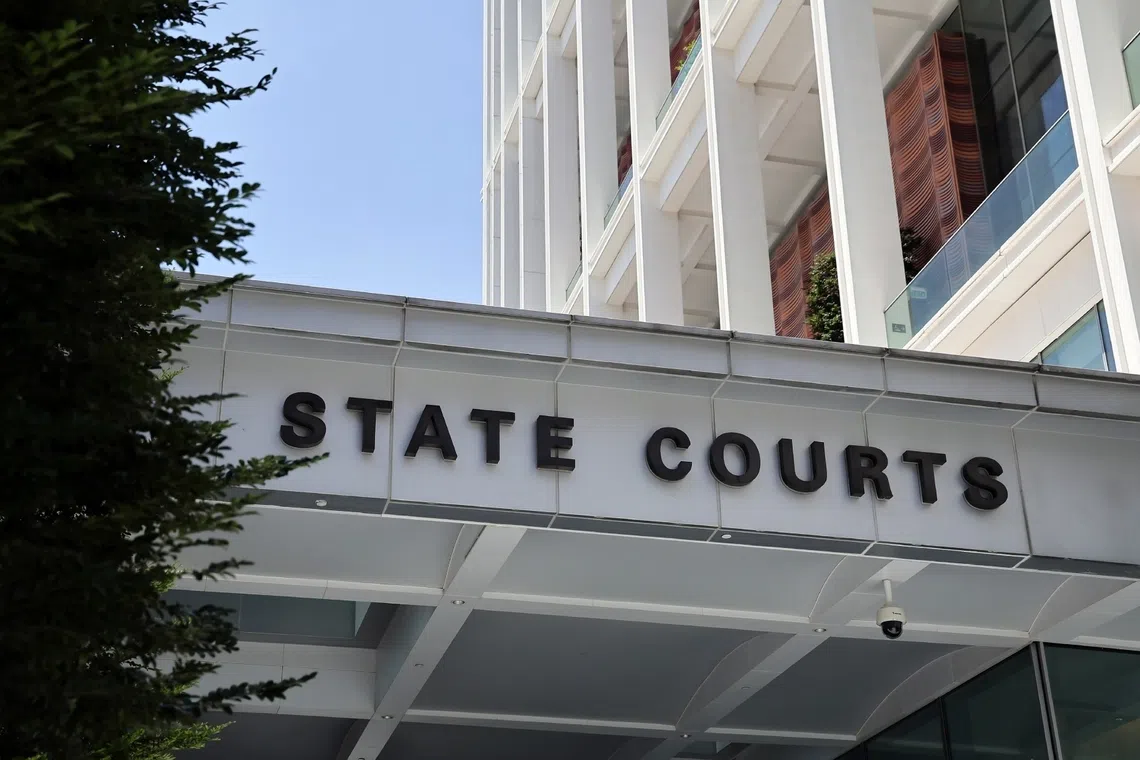
The claimant was fired while serving a three-month notice after being told in February that her employment was being terminated without cause.
Published Oct 26, 2026, 06:00 PM
Updated Oct 26, 2026, 06:00 PM
A Singapore tribunal dismissed a wrongful dismissal claim by a PR firm director after she secretly recorded an internal meeting. The judge said covert recording can be considered misconduct under the Employment Act.
The firm said the act broke trust and risked client confidentiality. The director said it was only for note-taking and she deleted it, but the court rejected this.
Tribunal Magistrate Kerry Chan said the recording was enough to destroy trust in this case. She added that each case depends on its own facts, and not all covert recordings justify summary dismissal.
SINGAPORE – Secretly recording a company meeting could constitute misconduct that justifies immediate dismissal, a magistrate has said in throwing out a wrongful dismissal claim.
The claimant - identified only as JJT in court documents - was fired while serving a three-month notice after being told in February that her employment was being terminated without cause.
The immediate termination letter was issued to JJT, then a managing director of a public relations firm, after the company’s president noticed she had covertly recorded a meeting both attended with the firm’s chief human resources officer on March 3.
The session was a regular weekly business meeting where JJT responded to allegations of her alleged workplace lapses while serving notice.
In judgment dated Oct 23, Tribunal Magistrate Kerry Chan said that it was appropriate to set out the reasons for dismissing the claim of wrongful dismissal in full, adding that there were no reported Singapore judgments concerning the issue.
Noting that an employer may dismiss an employee without notice for misconduct under the Employment Act, Chan said the question was whether the claimant’s act of recording the meeting constituted misconduct that warranted immediate dismissal.
She said the firm, which was not named in court documents, understandably had stringent policies and standards of confidentiality as its work in public relations involved being entrusted with confidential information from clients.
“The (firm’s) position was that a covert recording made in the context of employment in a public relations firm created a confidentiality risk and struck at the certainty that client information told to the (firm) in confidence would stay in confidence,” said Chan.
She said it does not mean that all covert recordings made by an employee amount to misconduct that warrants immediate dismissal, noting that each case has to be considered on its own merits.
The former director was initially told on Feb 23 that her employment was being terminated without cause.
She was given the option of either serving her three-month notice period or being placed on immediate garden leave with two months’ salary. She decided to work until May 22.
Days after being told that her employment would be terminated, JJT was hit with a formal misconduct warning detailing several lapses during her notice period.
Company leadership cited her unauthorised contact with a client, reaching out to a colleague on his day off, and attending a business meeting where she forgot her own team member’s name.
On March 3, JJT attended a meeting with the firm’s president and chief human resources officer.
During the meeting, JJT provided an explanation for her lapses and recorded the conversation using her phone.
As JJT was showing the firm’s president a WhatsApp message she had sent to her colleague about her employment termination, the president noticed on the screen that JJT’s phone was recording.
JJT subsequently deleted the recording and left her phone outside the room. The meeting ended shortly after.
The firm’s president later sent JJT an e-mail regarding the unauthorised recording of the meeting and said the company needed time to review the implications of her actions.
JJT was asked to pause all work while they conducted an internal review and give a written explanation of what happened, including if it was the first time she had recorded any internal discussions without consent.
On March 6, JJT was handed an immediate termination letter stating that recording an internal company meeting without consent constituted misconduct and a fundamental breach of the trust and confidence expected of employees.
The claimant argued her dismissal was wrongful because she made the recording openly on the table solely as a note-taking aid to prepare an accurate written response, and had immediately deleted it upon request.
She also maintained that no confidential client information, financial figures or other business information had been discussed during the meeting.
She contended that the firm had used the recording to deprive her of the salary she would have earned through the end of her notice period on May 22.
The firm said that the director was not an ordinary rank-and-file employee, and added that if a senior leader covertly recorded her own management, every conversation thereafter would come into doubt.
It said that her dismissal was justified as a covert recording of an internal company meeting, without the knowledge or consent of the participants, was in itself a fundamental breach of the trust and confidence required in the employment relationship.
It added that as the most senior member of her business unit, JJT was held to the highest standard of professional judgment, and her contract had identified a breach of its confidentiality provisions as cause for termination without notice.
Chan said the meeting was convened to discuss business matters of the firm, adding that it was irrelevant that at the point when JJT’s recording was noticed, only matters relating to her lapses had been discussed.
With the recording deleted, Chan said she could not determine its true purpose, and questioned why a recording was even necessary when JJT was already reading from prepared notes.
She added: “I do not consider the (firm’s) explanation of the effect of (JJT’s) act on the employer-employee relationship to be an overstatement: some acts of an employee are themselves sufficient to destroy the trust and confidence in an employment relationship regardless of what the employee’s intentions may have been, and even if the employee’s intentions have not been established to be malicious.”
She said that in the context of JJT’s employment with the firm, this was the case.
“The very act of (JJT) covertly recording the meeting was sufficient to destroy the trust and confidence in this employment relationship,” said Chan.
“To be clear, none of the above is to say that an employer will always be justified in taking the view that covert recordings made by an employee amount to misconduct that warrants summary dismissal.
“Each case will turn on its own facts, and the balance of factors may lead to a different outcome in different circumstances,” she added.
Nadine Chua is a correspondent covering crime and court at The Straits Times.
Employment Claims Tribunals
申诉人于二月份被告知其雇佣关系将被无故终止,但在履行三个月通知期期间被解雇。
发布于2026年10月26日下午6:00
更新于2026年10月26日下午6:00
新加坡一家仲裁庭驳回了一名公关公司董事提出的不当解雇诉讼,该董事此前秘密录制了一次内部会议。法官表示,根据《雇佣法令》,秘密录音可能构成不当行为。
该公司称此举违反了信任,并危及客户隐私。该主管辩称这只是用来做笔记的,而且她已经删除了,但法院驳回了这一说法。
审裁处裁判官陈嘉莉表示,录音足以摧毁本案的公信力。她补充说,每个案件都取决于其具体事实,并非所有秘密录音都足以构成立即驳回诉讼的理由。
新加坡——一名地方法官驳回了一起不当解雇索赔案,称秘密录制公司会议可能构成不当行为,足以构成立即解雇的理由。
原告(在法庭文件中仅以 JJT 指代)在 2 月份被告知其雇佣关系将被无故终止后,在三个月的通知期内被解雇。
在公司总裁发现 JJT 于 3 月 3 日秘密录制了她与公司首席人力资源官共同参加的会议后,公司立即向 JJT 发出了解雇信。JJT 当时是一家公关公司的总经理。
这是一次例行的每周例行商务会议,JJT 在会上回应了有关她在离职通知期间存在工作失职行为的指控。
在 10 月 23 日的判决中,审裁处裁判官 Kerry Chan 表示,有必要完整地列出驳回不当解雇索赔的理由,并补充说,新加坡没有关于此问题的已报道判决。
陈指出,根据《雇佣法》,雇主可以因雇员行为不当而无需提前通知就将其解雇。他表示,问题在于申诉人录制会议的行为是否构成应立即解雇的不当行为。
她说,这家公司(法庭文件中没有提及公司名称)制定了严格的保密政策和标准,这是可以理解的,因为该公司的公共关系工作涉及受托保管客户的机密信息。
陈先生说:“(该公司)的立场是,在公关公司工作期间进行的秘密录音会造成保密风险,并动摇了客户以保密方式告知(该公司)的信息将保持保密的确定性。”
她表示,这并不意味着所有员工的秘密录音都构成应立即解雇的不当行为,并指出每个案件都必须根据其具体情况进行考虑。
这位前主管最初于 2 月 23 日被告知,她的雇佣关系将被无故终止。
她可以选择履行三个月的通知期,或者立即休假并领取两个月的工资。她决定工作到5月22日。
在被告知将被解雇几天后,JJT 收到了一份正式的不当行为警告,详细列举了她在通知期内的几项违规行为。
公司领导指出,她未经授权与客户联系,在同事休息日联系他,以及参加商务会议时忘记了自己团队成员的名字。
3月3日,JJT出席了与公司总裁兼首席人力资源官的会议。
会议期间,JJT 对自己的失误作出了解释,并用手机录下了谈话内容。
当 JJT 向公司总裁展示她发给同事的关于她被解雇的 WhatsApp 消息时,总裁注意到屏幕上 JJT 的手机正在录像。
随后,JJT删除了录音,并将手机留在房间外。会议不久后结束。
该公司总裁随后就未经授权录制会议一事向 JJT 发送了一封电子邮件,并表示公司需要时间来审查她的行为所带来的影响。
JJT被要求暂停所有工作,以便进行内部审查,并就所发生的事情给出书面解释,包括这是否是她第一次未经同意录制任何内部讨论。
3月6日,JJT收到了一份立即解雇信,信中指出,未经同意录制公司内部会议构成不当行为,从根本上违反了员工应有的信任和信心。
申诉人辩称,她的解雇是不公正的,因为她只是在桌子上公开录音,以此作为记笔记的辅助手段,以便准备准确的书面答复,并且在被要求后立即删除了录音。
她还坚称,会议期间没有讨论任何机密客户信息、财务数据或其他商业信息。
她声称,该公司利用录音剥夺了她到 5 月 22 日通知期结束前应得的工资。
该公司表示,该主管并非普通员工,并补充说,如果一位高级领导秘密录制了自己的管理过程,那么之后的所有对话都会受到质疑。
声明称,解雇她是合理的,因为在未经与会者知情或同意的情况下秘密录制公司内部会议,本身就从根本上违反了雇佣关系中所需的信任和信心。
声明还指出,作为其业务部门最资深的成员,JJT 必须遵守最高的职业判断标准,并且她的合同规定,违反保密条款是无需事先通知即可终止合同的原因。
陈女士表示,此次会议是为了讨论公司业务而召开的,并补充说,在注意到JJT的录音时,会议只讨论了与她失职有关的事项,这并不重要。
由于录音已被删除,陈女士表示她无法确定录音的真正目的,并质疑既然陈俊杰已经按照准备好的笔记朗读,为什么还需要录音。
她补充道:“我不认为(公司)对(JJT)行为对雇佣关系的影响的解释是夸大其词:员工的某些行为本身就足以破坏雇佣关系中的信任和信心,无论员工的意图如何,即使尚未确定员工的意图是恶意的。”
她说,就 JJT 在该公司的工作情况而言,情况确实如此。
陈先生表示:“(JJT)秘密录制会议的行为本身就足以破坏这段雇佣关系中的信任和信心。”
“需要明确的是,以上内容并非意味着雇主总有理由认为雇员的秘密录音构成不当行为,足以构成立即解雇的理由。
她补充说:“每个案件都将根据其自身事实而定,各种因素的权衡在不同的情况下可能会导致不同的结果。”
Nadine Chua是《海峡时报》负责报道犯罪和法庭新闻的记者。
就业索赔法庭