S’pore to raise retirement age to 65, re-employment age to 70 in 2029; expand flexi work for seniors新加坡将于2029年将退休年龄提高至65岁,再就业年龄提高至70岁;扩大老年人弹性工作制
The retirement age will be raised to 65 on Jan 1, 2029, and the re-employment age to 70, as part of Singapore’s measures to build age-friendly jobs and age-diverse workplaces. Read more at straitstimes.com.
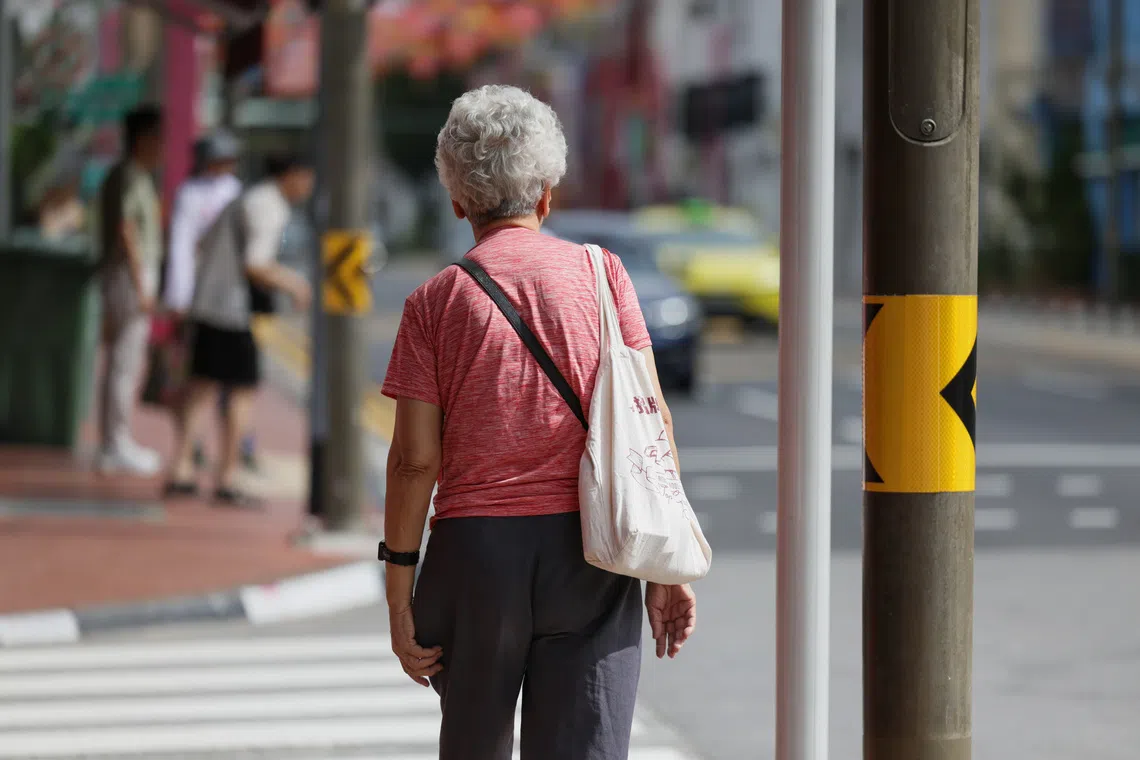
Among a raft of measures recommended by the Tripartite Workgroup on Senior Employment are reducing senior workers’ tax burden and creating flexi-load work arrangements.
Published Oct 26, 2026, 01:30 PM
Updated Oct 26, 2026, 05:07 PM
Singapore will raise the statutory retirement age to 65 and re-employment age to 70 on Jan 1, 2029, allowing older workers to remain employed if they want to.
The workgroup wants to help companies create more flexi-load options. It will set up a new programme office to help firms redesign jobs and cut costs.
Support for senior workers will be improved through higher earned income relief, updated assistance payments, a new Re-Employment Credit, and stronger help for lower-wage seniors.
SINGAPORE – The retir ement age will be raised to 65 on Jan 1, 2029, and the re-employment age to 70, as part of Singapore’s measures to build age-friendly jobs and age-diverse workplaces.
The changes will take effect one year ahead of the original target.
“This gives senior workers greater assurance that they can continue working if they wish to,” the Tripartite Workgroup on Senior Employment said on Oct 26.
The retirement age was raised to 64 earlier in July, while the re-employment age was raised to 69.
The workgroup, which was set up in July 2025 to review and refresh Singapore’s senior employment strategy, outlined six recommendations, which the Government has accepted.
Broadly, the moves will help seniors stay employed and return to work after a break; support those who wish to work beyond the statutory retirement and re-employment ages; and provide more targeted support for lower-wage seniors.
The workgroup comprises representatives from the Ministry of Manpower (MOM), the National Trades Union Congress (NTUC) and the Singapore National Employers Federation (SNEF).
Its recommendations follow consultations with more than 1,000 stakeholders, including employers, industry and union representatives, workers, human resources professionals and academics, as well as overseas study trips.
Creating flexi-load arrangements
The workgroup’s report, released on Oct 26, noted that while flexi-place and flexi-time arrangements are fairly common, there is a “significant gap” in flexi-load options for seniors.
Under MOM’s Tripartite Guidelines on Flexible Work Arrangement Requests, flexi-place arrangements allow employees to work from different locations, such as from home, while flexi-time arrangements allow employees to vary their working hours, such as staggered start and end times.
Flexi-load arrangements, meanwhile, allow employees to take on different workloads with corresponding adjustments to their remuneration.
Minister of State for Manpower Dinesh Vasu Dash said at a press conference on Oct 26 that the recommendations are meant to help seniors find meaningful and sustainable employment in more flexible ways.
“For some seniors, this may mean continuing in the same job for longer. For others, it may mean moving into a different role, working at a different pace or adjusting work around changing personal circumstances.
“What matters is that seniors who wish to continue working have meaningful options to do so,” he said.
Among full-time resident employees aged 50 to 64, 85.5% were offered flexi-time work, and 78.7% were offered flexi-place arrangement s . Just 74.5% were provided with flexi-load arrangements, according to MOM data for 2024.
To help seniors who have left the workforce return to employment and encourage wider adoption of flexi-load arrangements, the workgroup proposed setting up a new flexi-load programme and a dedicated programme office. This replaces the Part-Time Re-employment Grant , which has supported about 68,500 seniors and 7,800 employers.
The programme was developed after drawing on insights gained during the workgroup’s study trip to Japan, which provides its senior workers with tailored support to help them navigate later-life career transitions.
The Japanese government runs a network of Hello Work public employment offices that help people find jobs and access employment support. The offices have a “lifelong active worker support desk” that assists elderly job seekers in finding re-employment opportunities, including flexi-load work arrangements.
The workgroup acknowledged that companies traditionally structured around full-time work may find it challenging to create flexi-load options and will require additional resources to redesign jobs, systems and policies.
The new office, led by the Skills and Workforce Development Agency and in collaboration with NTUC and SNEF, w ill p ush for more ways to help employers defray the costs of developing and implementing flexi-load arrangements.
Redesigning and breaking jobs down into smaller roles, or job fractionalisation, would make it easier to match senior job seekers with employers’ needs.
Dinesh cited how the prototypes and solutions developed by the Alliance for Action on Empowering Multi-Stage Careers for Mature Workers have benefited more than 1,600 senior workers.
Over a year, 30 organisations across six sectors designed, tested and refined these prototypes. For example, social service organisation Kampong Kapor Community Services has worked with HR firm Marsh People and Investments, formerly known as Mercer, to create alternative employment models such as session-based and case-based roles. Their goal is to attract and retain experienced workers, who may no longer find traditional full-time employment arrangements suitable. NTUC deputy secretary-general Desmond Tan said the workgroup’s priority is about giving senior workers choice, assurance and dignity.
That choice, however, must come with “personal readiness and responsibility”, he said, adding that senior workers can plan early and keep their skills current to prepare themselves for changes in jobs.
Enhanced support for senior workers
Singapore does not tax the first $20,000 of a tax resident’s chargeable income, while workers aged 55 to 59 can currently claim up to $6,000 earned income relief and those 60 and above can claim up to $8,000.
The workgroup recommends reducing seniors’ tax burden by enhancing this relief for senior workers who work beyond the statutory retirement and re-employment ages.
A new office will be set up to help employers defray the costs of developing and implementing flexi-load arrangements for seniors. PHOTO: BUSINESS TIMES
A new office will be set up to help employers defray the costs of developing and implementing flexi-load arrangements for seniors.
PHOTO: BUSINESS TIMES
This would increase their take-home pay and incentivise them to remain in the workforce.
Employers in Singapore must make a one-off Employment Assistance Payment (EAP) to eligible older workers as a last resort if they cannot find a suitable re-employment role for them when they reach the minimum retirement age .
The workgroup proposed updating the minimum and maximum EAP amounts to account for wage growth in recent years and ensure that workers who are not re-employed continue to be adequately supported.
The EAP is meant to help tide senior workers over while they look for alternative employment.
To retain senior workers, another recommendation is to replace the expiring Senior Employment Credit (SEC) with a new Re-Employment Credit from 2028.
The current SEC, which provides up to 7% in wage offsets to employers who hire Singaporeans aged 60 and above earning below $4,000 a month, will expire at the end of 2027.
The workgroup’s final recommendation is to enhance the Workfare Income Supplement and update the Progressive Wage Credit Scheme to improve salaries and retirement adequacy of lower-wage senior workers, while offering employers greater support to raise wages sustainably.
As lower-wage seniors face greater challenges in achieving income and retirement adequacy, the workgroup said it is important to ensure they can remain employed, productive and financially secure if they choose to continue working.
More details on implementation of the workgroup’s recommendations and grant parameters will be shared in the first half of 2027 during the Committee of Supply debates , where the Manpower Ministry will present its budget plans.
Sharon Salim is a business correspondent at The Straits Times, with a focus on jobs, workplace culture and trends.
Ministry of Manpower
Flexible work arrangements
三方老年人就业工作组建议采取一系列措施,其中包括减轻老年劳动者的税收负担和创建灵活的工作安排。
发布于2026年10月26日下午1:30
更新于2026年10月26日下午5:07
新加坡将于 2029 年 1 月 1 日将法定退休年龄提高到 65 岁,再就业年龄提高到 70 岁,允许年长的工人如果愿意的话可以继续工作。
该工作组希望帮助企业创造更多灵活的工作安排方案。它将设立一个新的项目办公室,帮助企业重新设计工作岗位并降低成本。
将通过提高劳动收入救济、更新援助金、新的再就业抵免以及加强对低收入老年人的帮助来改善对老年劳动者的支持。
新加坡——作为新加坡打造适老型工作岗位和年龄多元化工作场所的举措之一,新加坡将于2029年1月1日起将退休年龄提高至65岁,并将再就业年龄提高至70岁。
这些变更将比原计划提前一年生效。
“这让老年员工更有信心,如果他们愿意,就可以继续工作,”老年人就业三方工作组于 10 月 26 日表示。
7月初,退休年龄提高到64岁,而再就业年龄提高到69岁。
该工作组成立于 2025 年 7 月,旨在审查和更新新加坡的高级就业战略,并提出了六项建议,政府已接受这些建议。
总体而言,这些举措将帮助老年人保持就业并在中断工作后重返工作岗位;支持那些希望在法定退休和再就业年龄之后继续工作的人;并为低收入老年人提供更有针对性的支持。
该工作组由人力部 (MOM)、全国职工总会 (NTUC) 和新加坡全国雇主联合会 (SNEF) 的代表组成。
该建议是在与 1000 多名利益相关者(包括雇主、行业和工会代表、工人、人力资源专业人士和学者)进行磋商后提出的,此外还进行了海外考察。
创建灵活的装载安排
工作组于 10 月 26 日发布的报告指出,虽然弹性工作地点和弹性工作时间安排相当普遍,但老年人的弹性工作量选择方面存在“重大差距”。
根据人力部关于灵活工作安排申请的三方指导方针,灵活地点安排允许员工在不同地点工作,例如在家工作,而灵活时间安排允许员工调整工作时间,例如错峰上下班。
同时,弹性工作安排允许员工承担不同的工作量,并相应地调整其薪酬。
人力部国务部长迪内什·瓦苏·达什在10月26日的新闻发布会上表示,这些建议旨在帮助老年人以更灵活的方式找到有意义且可持续的就业机会。
“对一些老年人来说,这可能意味着继续从事同一份工作更长时间。对另一些老年人来说,这可能意味着转到不同的岗位,以不同的节奏工作,或者根据不断变化的个人情况调整工作。”
他说:“重要的是,希望继续工作的老年人应该有切实可行的选择。”
根据人力部2024年的数据,在50至64岁的全职居民雇员中,85.5%的人获得了弹性工作时间安排,78.7%的人获得了弹性工作地点安排,但只有74.5%的人获得了弹性工作负荷安排。
为了帮助已离开职场的老年人重返工作岗位,并鼓励更广泛地采用弹性工资安排,工作组提议设立一项新的弹性工资计划和一个专门的项目办公室。该计划将取代之前的兼职再就业补助金,后者已为约68,500名老年人和7,800家雇主提供了支持。
该计划是在借鉴工作组赴日本考察期间获得的见解后制定的,旨在为资深员工提供量身定制的支持,帮助他们应对晚年职业转型。
日本政府运营着一个由“你好工作”(Hello Work)公共就业服务机构组成的网络,旨在帮助人们寻找工作并获得就业支持。这些机构设有“终身在职工作者支持服务台”,协助老年求职者寻找再就业机会,包括弹性工作安排。
工作组承认,传统上以全职工作为结构的公司可能会发现,创建灵活的工作安排选项具有挑战性,并且需要额外的资源来重新设计工作、系统和政策。
该新办公室由技能和劳动力发展局牵头,并与全国职工总会和新加坡全国雇主联合会合作,将推动更多方法帮助雇主减轻制定和实施弹性工作安排的成本。
将工作重新设计并拆分成更小的角色,即工作碎片化,将更容易使资深求职者与雇主的需求相匹配。
Dinesh 举例说,赋能成熟员工多阶段职业发展行动联盟开发的原型和解决方案已经使 1600 多名老年员工受益。
一年多来,来自六个行业的30个机构设计、测试并完善了这些原型。例如,社会服务机构甘榜加坡社区服务中心与人力资源公司Marsh People and Investments(前身为Mercer)合作,创建了诸如按时段和按个案工作等替代性就业模式。他们的目标是吸引和留住经验丰富的员工,这些员工可能不再适合传统的全职工作安排。全国职工总会副秘书长陈德明表示,工作组的首要任务是赋予资深员工选择权、保障和尊严。
他表示,这种选择必须伴随着“个人准备和责任感”,并补充说,资深员工可以提前规划并不断更新技能,为工作变化做好准备。
加强对老年员工的支持
新加坡对税务居民应税收入的前 20,000 美元不征税,55 至 59 岁的工人目前可以申请高达 6,000 美元的劳动收入减免,而 60 岁及以上的工人可以申请高达 8,000 美元的劳动收入减免。
工作组建议通过加强对超过法定退休和再就业年龄的老年劳动者的税收减免,来减轻老年人的税收负担。
政府将设立一个新办公室,帮助雇主分担制定和实施老年人弹性工作安排的相关成本。(图片来源:商业时报)
将设立一个新的办公室,帮助雇主分担为老年人制定和实施弹性工作安排的成本。
图片来源:商业时报
这将增加他们的实际收入,并激励他们继续留在工作岗位上。
在新加坡,如果雇主无法为达到最低退休年龄的符合条件的年长工人找到合适的再就业岗位,则必须向他们一次性支付就业援助金 (EAP) 作为最后的手段。
工作组提议更新最低和最高就业援助计划金额,以反映近年来工资的增长,并确保未再就业的工人继续得到充分的支持。
员工援助计划旨在帮助老年员工在寻找其他工作期间渡过难关。
为了留住老年员工,另一项建议是从 2028 年开始用新的再就业税收抵免 (SEC) 取代即将到期的老年人就业税收抵免 (SEC)。
现行的新加坡雇主补贴计划(SEC)为雇用 60 岁及以上、月收入低于 4000 新元的新加坡公民的雇主提供高达 7% 的工资补贴,该计划将于 2027 年底到期。
工作组的最终建议是加强就业收入补贴,并更新渐进式工资补贴计划,以提高低收入老年工人的工资和退休保障,同时为雇主提供更多支持,以可持续地提高工资。
由于低收入老年人在实现收入和退休保障方面面临更大的挑战,工作组表示,重要的是要确保如果他们选择继续工作,就能保持就业、生产力和经济安全。
工作组建议的实施细节和拨款参数将在 2027 年上半年的财政预算委员会辩论期间公布,届时人力部将提交其预算计划。
Sharon Salim 是《海峡时报》的商业记者,主要关注就业、职场文化和趋势。
人力部
灵活的工作安排