Fahmi: RM5b Jendela revamp to use Starlink, small cells to close Malaysia’s final 1pc Internet coverage gap法米:斥资50亿令吉改造Jendela网络,采用星链和小型基站,以弥合马来西亚最后1%的互联网覆盖缺口。
KUALA LUMPUR, Oct 27 — The National Digital Network (Jendela) initiative is being modified to use alternative technologies such as Starlink and small cells to achieve 100 per...
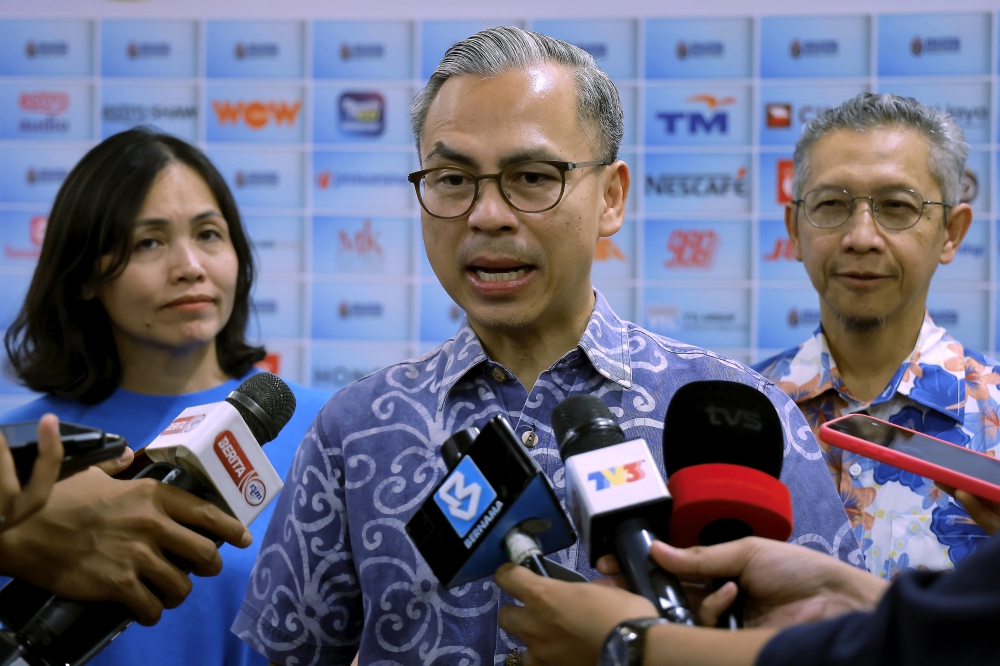
KUALA LUMPUR, Oct 27 — The National Digital Network (Jendela) initiative is being modified to use alternative technologies such as Starlink and small cells to achieve 100 per cent Internet coverage in populated areas, says Communications Minister Datuk Seri Fahmi Fadzi.
He said the strategic shift is backed by an allocation of RM5 billion over several years to ensure hard-to-reach rural areas are not left behind.
“We might not build telecommunication towers everywhere. In some places, we will install Starlink, in others, small cells sufficient for the 40 to 50 people living there. The goal is to ensure 100 per cent coverage in populated areas, including the most remote locations.
“Building a tower is costly, so we will deploy solutions better suited to the community. As the community grows, we can upgrade the technology later,” he said when appearing as a guest on the Agenda AWANI talk show titled ‘Belanjawan 2027: Rapatkan Jurang Digital, Pacu Ekonomi Kreatif’ last night.
He said Internet coverage in populated areas has currently reached 99 per cent, and the remaining one per cent requires more practical solutions tailored to the size of local communities.
“We also noticed another issue. In many Felda settlements, the coverage is good, but once you get onto the trunk roads connecting these settlements to towns, there is often no signal.
“This poses a danger, so Jendela will focus on equipping such areas with coverage,” he said.
Apart from remote settlements, Fahmi said the restructuring of the Jendela initiative also marked a paradigm shift from solely focusing on Coverage of Populated Areas (COPA) to Economic Area Coverage.
He added that comprehensive connectivity would be bolstered by an RM142 million allocation to empower 1,099 National Information Dissemination Centres (NADI) nationwide.
However, he stressed that the high-speed Internet infrastructure provided by the government must go hand-in-hand with high digital literacy and security awareness among the public to curb cybercrime and online scams.
Meanwhile, Fahmi said the creative sector, also known as the orange economy, has tremendous potential to emerge as a key driver of the country’s economic growth.
He said the sector’s reported 6.8 per cent contribution to the Gross Domestic Product (GDP) proves its massive capability as a highly viable economic asset, particularly in animation, online gaming, and film.
“With this budget, the formation of the Orange Economy Council, and the growth rate of specific segments within the creative economy, the future of this sector is very bright.
“It forms a huge part of the national economy. The sectors showing the most vibrant growth and are easiest to export include animated films, online gaming, and e-sports,” he said.
He noted that Malaysia is among the most active countries in the animation sector and has become a hub for producing animation for foreign markets.
Fahmi also highlighted the success of five Malaysian animation studios that recently participated in the prestigious Annecy International Animation Film Festival in France, bringing home over RM250 million in investments with the support of the National Film Development Corporation Malaysia (FINAS). — Bernama
Felda settler hacked to death with axe in Johor rampage
Three men arrested after firefighter dies in Port Dickson hit-and-run, driver allegedly fled scene
Bukit Aman seizes RM765,750 in unregistered health products, suspected counterfeit goods in KL raid
PH to highlight Anwar govt’s welfare aid and security record in Melaka election campaign, says Saifuddin
Anwar: RM150m allocated to complete 554 Felda new-generation homes
吉隆坡,10 月 27 日讯——通讯部长拿督斯里法米·法兹表示,国家数字网络(Jendela)计划正在进行调整,以使用星链和小基站等替代技术,从而在人口稠密地区实现 100% 的互联网覆盖率。
他表示,这项战略转变得到了未来几年 50 亿令吉拨款的支持,以确保难以到达的农村地区不会被落下。
“我们可能不会在所有地方都建造电信塔。在一些地方,我们会安装星链网络,在另一些地方,我们会安装足以满足当地40到50位居民需求的小型基站。我们的目标是确保人口稠密地区,包括最偏远的地区,都能实现100%的网络覆盖。”
“建造信号塔成本很高,所以我们会部署更适合社区的解决方案。随着社区的发展,我们可以稍后升级技术,”他昨晚作为嘉宾出现在名为“2027 年规划:获得数字化转型,创造经济效益”的 Agenda AWANI 脱口秀节目中时说道。
他表示,目前人口稠密地区的互联网覆盖率已达到 99%,剩下的 1% 需要根据当地社区的规模制定更切实可行的解决方案。
“我们还注意到另一个问题。在许多 Felda 定居点,信号覆盖良好,但一旦驶入连接这些定居点和城镇的主干道,往往就没有信号了。”
“这会带来危险,因此 Jendela 将致力于为这些地区提供信号覆盖,”他说。
法赫米表示,除了偏远定居点外,Jendela 计划的重组也标志着一种范式转变,即从仅仅关注人口密集区覆盖 (COPA) 转变为关注经济区覆盖。
他还补充说,政府将拨款 1.42 亿令吉,用于加强全国 1099 个国家信息传播中心 (NADI) 的建设,从而促进全面互联互通。
但他强调,政府提供的高速互联网基础设施必须与公众较高的数字素养和安全意识齐头并进,才能遏制网络犯罪和网络诈骗。
与此同时,法赫米表示,创意产业(也被称为“橙色经济”)具有巨大的潜力,可以成为国家经济增长的关键驱动力。
他表示,该行业对国内生产总值 (GDP) 的贡献率为 6.8%,这证明了其作为一项极具可行性的经济资产的巨大潜力,尤其是在动画、网络游戏和电影领域。
“有了这份预算、橙色经济委员会的成立以及创意经济特定领域的增长率,该行业的未来非常光明。”
“它在国民经济中占据了巨大份额。增长最强劲、最容易出口的行业包括动画电影、网络游戏和电子竞技,”他说道。
他指出,马来西亚是动画产业最活跃的国家之一,并已成为面向海外市场制作动画的中心。
法米还重点介绍了五家马来西亚动画工作室近期参加法国安纳西国际动画电影节的成功,在马来西亚国家电影发展局(FINAS)的支持下,这些工作室共获得了超过2.5亿令吉的投资。——马新社
柔佛州一名Felda定居者遭斧头砍死
波德申发生肇事逃逸事故,一名消防员不幸身亡,肇事司机据称逃离现场,三名男子已被逮捕。
武吉阿曼警察总部在吉隆坡突击搜查中查获价值765,750令吉的未注册保健品和疑似假冒商品
赛夫丁表示,希望联盟将在马六甲州选举竞选活动中重点宣传安华政府的福利援助和安全记录。
安华:拨款1.5亿令吉用于完成554套联邦土地发展局(Felda)新一代住房项目