What if cultural understanding were taught at uni, rather than assumed?如果大学里教授的是文化理解能力,而不是想当然地认为学生应该具备这种能力,那会怎样呢?
Students may no longer have the time to learn organically about one another’s culture. Here’s where universities must plug the gap. Read more at straitstimes.com.
Students may no longer have the time to learn organically about one another’s culture. Here’s where universities must plug the gap.
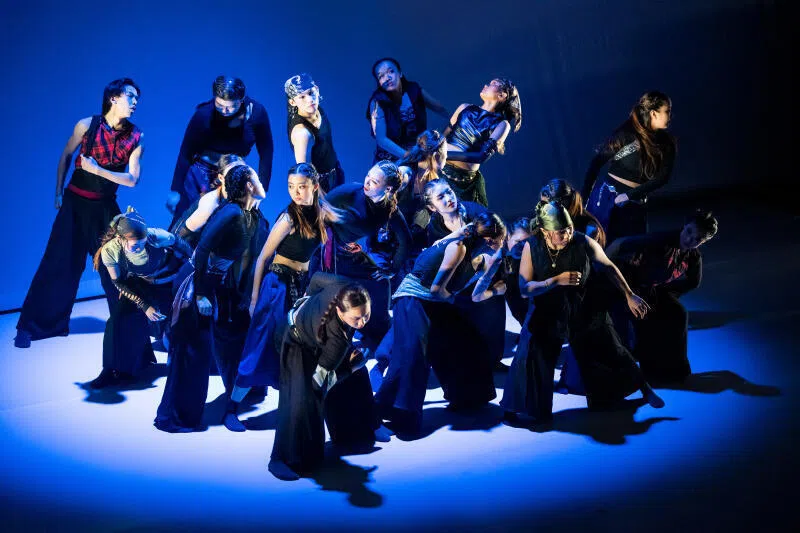
Students in Return Of Return, the SMU production that gave rise to the undergraduate course Choreographing the City-State: Dance and Multiculturalism in Singapore.
PHOTO: SINGAPORE MANAGEMENT UNIVERSITY
Mark Chong, Darlene Machell de Leon Espena and Jimmy Ye
Published Oct 22, 2026, 06:00 PM
Updated Oct 23, 2026, 01:37 PM
Where, exactly, do our students learn to cross a cultural boundary? For most of the past two decades the answer has been, in effect, somewhere else. In a co-curricular activity, over lunch, on a study mission, in the ordinary friction and friendship of campus life. Cultural literacy was something a university created the conditions for and then trusted to emerge. It was rarely taught, and almost never assessed.
Student life has since changed shape, and internships are among the clearest causes. Undergraduates now spend far more of their unstructured time in workplaces, and these include non-profits and public agencies. Placements have grown longer, and many students now take on more than one. This is a rational response to a competitive graduate market, giving students exposure to real-world challenges, and in many respects a good thing. But those hours must come from somewhere. They come from precisely the parts of university life that were never compulsory: the co-curricular activities, the productions, the long arguments with people who see the world differently.
Tharman Shanmugaratnam
SMU/SINGAPORE MANAGEMENT UNIVERSITY
学生们可能不再有时间自然而然地了解彼此的文化。而这正是大学必须弥补的缺口所在。
学生们参与了《回归》这部新加坡管理大学作品的制作,该作品催生了本科课程“编舞城市国家:新加坡的舞蹈与多元文化主义”。
图片来源:新加坡管理大学
Mark Chong、Darlene Machell de Leon Espena 和 Jimmy Ye
发布于2026年10月22日下午6:00
更新于2026年10月23日下午1:37
我们的学生究竟在哪里学习如何跨越文化界限?过去二十年的大部分时间里,答案实际上是在别处。在课外活动中,在午餐时间,在考察学习中,在校园生活中平凡的摩擦和友谊中。文化素养是大学创造条件并信任其自然形成的。它很少被教授,也几乎从未被评估。
学生生活格局已然改变,实习是其中最显著的因素之一。如今,本科生将更多课余时间投入到工作场所,包括非营利组织和公共机构。实习时间越来越长,许多学生甚至同时进行多个实习项目。这无疑是对竞争激烈的毕业生就业市场的理性应对,它让学生接触到真实的挑战,在很多方面都是一件好事。但这些实习时间必须有所来源。它们恰恰来自大学生活中那些并非强制性的部分:课外活动、戏剧演出,以及与持有不同世界观的人进行的深入探讨。
尚达曼
新加坡管理大学