Malaysia’s inflation eases to 1.8pc in September, govt monitors global cost pressures马来西亚9月份通胀率降至1.8%,政府密切关注全球成本压力。
KUALA LUMPUR, Oct 30 — Malaysia’s inflation rate fell to 1.8 per cent last month from 1.9 per cent in August 2026, indicating that overall price pressures remained under...
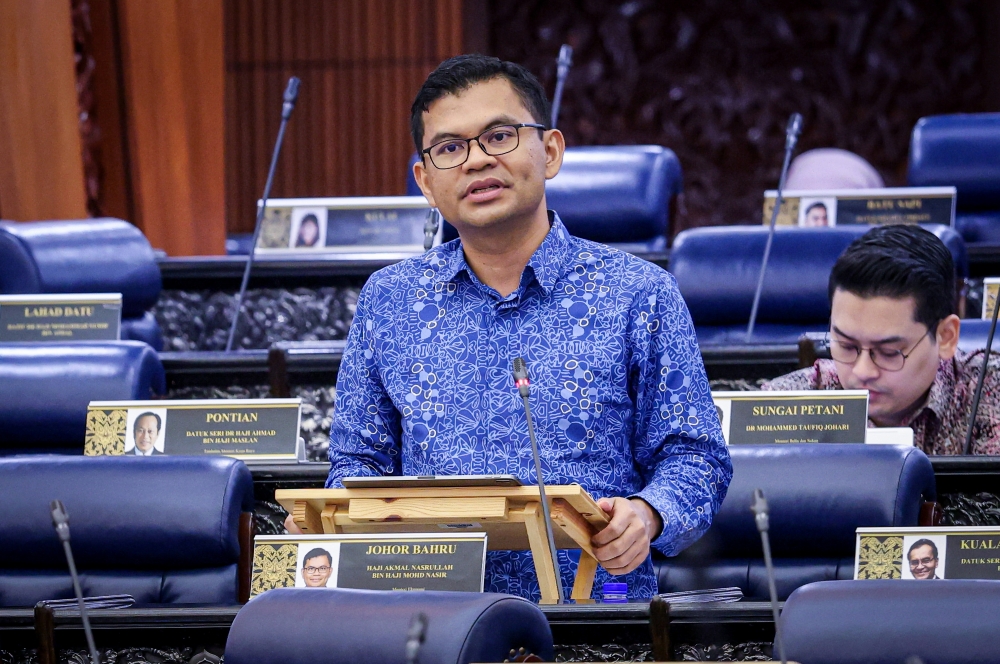
KUALA LUMPUR, Oct 30 — Malaysia’s inflation rate fell to 1.8 per cent last month from 1.9 per cent in August 2026, indicating that overall price pressures remained under control.
Economy Minister Akmal Nasrullah Mohd Nasir said the government was nevertheless keeping a close watch on developments amid rising global fuel prices and production cost pressures, BuletinTV3 reported.
He said global crude oil prices had surged to US$116.80 (RM472.75) per barrel from US$90.90 in August, while Malaysia’s Producer Price Index (PPI) also rose to 12 per cent in September 2026 from 10.7 per cent the previous month.
In response, he said the government was taking a comprehensive approach through several key measures, including targeted subsidies to shield the public from the direct impact of higher fuel prices.
“The government is continuing the implementation of Budi Madani RON95 (BUDI95), maintaining the subsidised RON95 price at RM1.99 per litre, as well as Budi Madani Diesel (Budi Diesel) for eligible recipients.
“Since September, the monthly Budi95 quota has been increased to 300 litres, while the Budi Diesel quota for jeep and pick-up truck users has been raised to 400 litres,” he said in a written parliamentary reply published on the Parliament portal today.
He was responding to a question from Datuk Seri Panglima Dr Jeffrey G Kitingan (GRS-Keningau) on the government’s measures to address rising inflation and the impact of higher oil and goods prices following the conflict in West Asia.
Akmal Nasrullah said the government was also maintaining appropriate subsidy and control mechanisms, including the Subsidised Petroleum Control System (SKPS) and Subsidised Diesel Control System (SKDS) for sectors with a direct impact on transportation costs and the prices of goods.
He said these measures were aimed at easing cost pressures on the transport and logistics sectors, while preventing increases in global fuel prices from being passed on abruptly to domestic goods and services.
“Price and supply monitoring and controls for essential goods have also been strengthened, with continuous market price checks conducted through platforms such as PriceCatcher to identify price changes, particularly for items that have a significant impact on people’s cost of living.
“The allocation for the Jualan Rahmah Madani and Jualan Agro Madani programmes has also been increased to RM750 million in 2027, from RM630 million, with a target of 35,000 events.
“These initiatives include expanding Jualan Rahmah Madani to rural areas, low-cost housing areas and People’s Housing Projects (PPR), while Jualan Agro Madani offers fresh agricultural produce at prices up to 30 per cent lower,” he said.
Akmal Nasrullah said assistance for vulnerable groups would also continue through targeted aid such as the Rahmah Cash Contribution (STR) and Rahmah Basic Contribution (SARA), with allocations increased to RM16 billion.
He said SARA could also be used to purchase fresh and wet goods at 216 farmers’ markets or tamu under the Federal Agricultural Marketing Authority (Fama), while the network of small grocery shops participating in the scheme would be expanded.
“Targeted assistance also allows fiscal resources to be channelled to those most in need, rather than through blanket subsidies that also benefit higher-income groups.
“Strengthening the country’s economic resilience against external shocks is another initiative. This includes ensuring food and energy security, strengthening domestic supply chains, increasing productivity and production efficiency, and encouraging diversification of input sources and markets.
“These measures will enable the government to continue protecting the national economy from major impacts arising from supply disruptions or prolonged increases in global commodity prices,” he said.
PKR urges Umno not to mislead public over rural road projects
Azalina: Govt open to considering release of full report on Azam Baki shareholding probe
PKR urges Melaka voters to weigh track record, plans before casting ballots
吉隆坡,10月30日讯——马来西亚上月通货膨胀率从2026年8月的1.9%降至1.8%,表明整体物价压力仍然得到控制。
据BuletinTV3报道,经济部长阿克马尔·纳斯鲁拉·莫哈末·纳西尔表示,尽管如此,政府仍在密切关注全球燃料价格上涨和生产成本压力下的事态发展。
他表示,全球原油价格已从 8 月份的每桶 90.90 美元飙升至 116.80 美元(472.75 令吉),而马来西亚 2026 年 9 月的生产者价格指数 (PPI) 也从上个月的 10.7% 升至 12%。
对此,他表示,政府正在采取综合措施,通过多项关键措施,包括有针对性的补贴,以保护公众免受燃油价格上涨的直接影响。
“政府将继续推行 Budi Madani RON95(BUDI95)计划,维持 RON95 汽油每升 1.99 令吉的补贴价格,并为符合条件的受益人提供 Budi Madani 柴油(Budi Diesel)。
“自9月以来,每月Budi95汽油配额已增至300升,而吉普车和皮卡车用户的Budi柴油配额已增至400升,”他在今天发表于议会门户网站的书面答复中表示。
他是在回答拿督斯里邦里玛杰弗里·吉丁根博士(GRS-根宁咬)提出的问题,该问题涉及政府为应对不断上涨的通货膨胀以及西亚冲突后石油和商品价格上涨的影响而采取的措施。
阿克马尔·纳斯鲁拉表示,政府还维持适当的补贴和控制机制,包括针对对运输成本和商品价格有直接影响的行业的石油补贴控制系统(SKPS)和柴油补贴控制系统(SKDS)。
他表示,这些措施旨在缓解运输和物流行业的成本压力,同时防止全球燃料价格上涨突然转嫁到国内商品和服务上。
“对必需品的价格和供应监测与控制也得到了加强,通过 PriceCatcher 等平台持续进行市场价格检查,以识别价格变化,特别是对那些对人们生活成本产生重大影响的商品。
“到 2027 年,Jualan Rahmah Madani 和 Jualan Agro Madani 计划的拨款也从 6.3 亿令吉增加到 7.5 亿令吉,目标是举办 35,000 场活动。
“这些举措包括将 Jualan Rahmah Madani 扩展到农村地区、低成本住房区和人民住房项目 (PPR),而 Jualan Agro Madani 则以低 30% 的价格提供新鲜农产品,”他说。
阿克马尔·纳斯鲁拉表示,对弱势群体的援助也将继续通过有针对性的援助措施进行,例如拉赫玛现金捐助(STR)和拉赫玛基本捐助(SARA),拨款增加至160亿令吉。
他表示,SARA 还可以用于在联邦农业市场管理局 (Fama) 管辖的 216 个农贸市场或 tamu 购买新鲜和湿货,同时参与该计划的小型杂货店网络也将扩大。
“有针对性的援助还可以将财政资源用于最需要的人,而不是通过一刀切的补贴,让高收入群体也能从中受益。
“增强国家经济抵御外部冲击的能力是另一项举措。这包括确保粮食和能源安全,加强国内供应链,提高生产力和生产效率,并鼓励投入来源和市场多样化。”
他说:“这些措施将使政府能够继续保护国民经济免受供应中断或全球大宗商品价格长期上涨带来的重大影响。”
人民公正党敦促巫统不要在乡村道路项目问题上误导公众。
阿扎利娜:政府愿意考虑公布阿扎姆·巴基持股调查的完整报告
人民公正党敦促马六甲选民在投票前权衡候选人的过往政绩和未来计划。