EU sets military spending record, expects more growth in 2025欧盟创下军费开支纪录,预计2025年将继续增长
The bloc’s total defense spending in 2024 exceeds China’s by about one-and-a-half times, and is more than three times as high as Russia’s military budget.
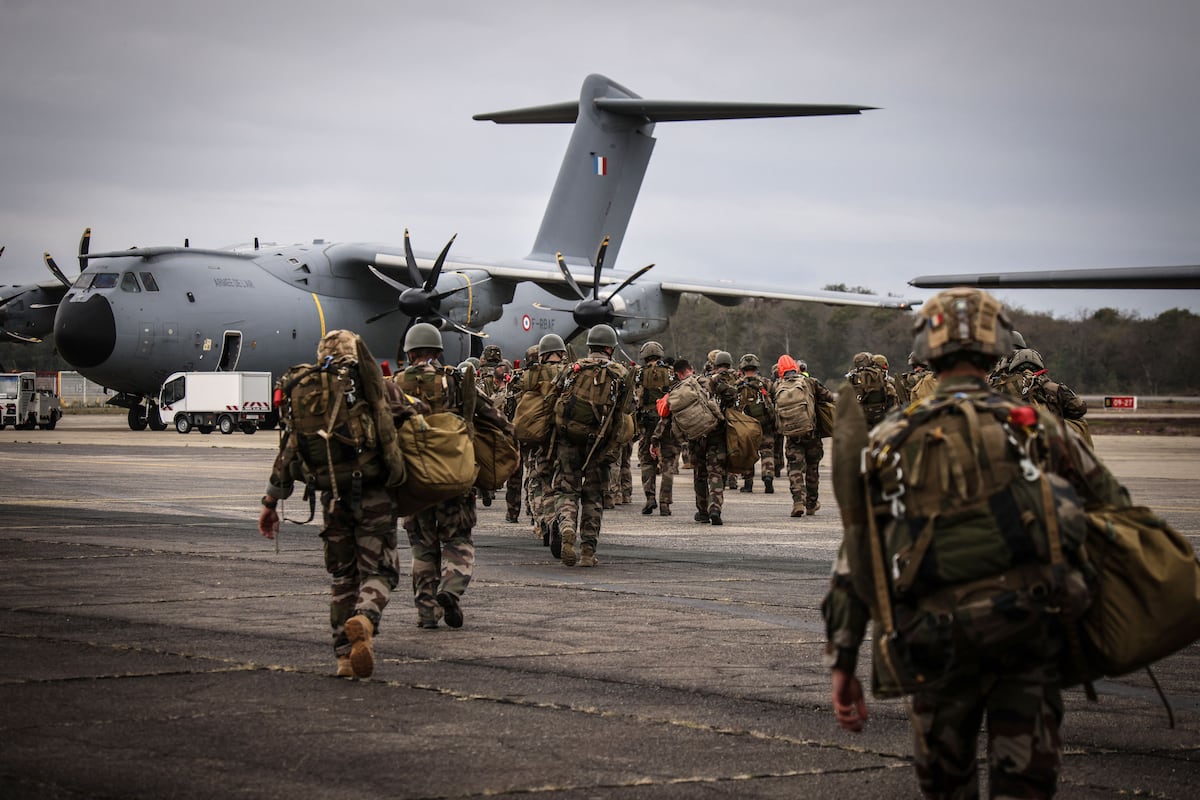
BERLIN — The European Union collectively spent €343 billion ($402 billion) on defense last year, exceeding projections and setting a new record, according to a new report by the European Defense Agency.
The agency said it expected defense spending to increase further in 2025 to €381 billion ($446 billion).
The bloc’s total defense spending in 2024 exceeds China’s by about one-and-a-half times, and is more than three times as high as Russia’s military budget. Only the United States has higher military expenditures. The figure represented 1.9% of the bloc’s GDP, and a 19% increase over the previous year.
The high level of defense spending is driven primarily by countries’ purchasing of new equipment, as well as by increased research and development funding across the EU’s 27 members. Both combined are collectively referred to as “defense investments” in EU parlance, as opposed to the money spent on troop salaries or upkeep of facilities.
Investment accounted for 31% of total defense spending, or €106 billion ($124 billion), of which €13 billion ($15 billion) was used on R&D. Equipment purchases were up 39% year over year, the EDA calculated; research and development, meanwhile, grew 20%.
The record spending is driven by growing budgets throughout the bloc, not just individual capitals’ aims to expand their militaries, with all but two countries growing their defense budgets in 2024. Of the 25 that increased defense expenditures in 2025, 16 capitals spent over 10% more in 2024 than they did in 2023. Among them are Germany, Poland, Spain, Sweden and the Netherlands. Only Portugal’s and Ireland’s military budgets decreased in 2024.
European military spending has been growing exponentially since 2014, when Russia annexed the Crimean peninsula from Ukraine. At the time, defense expenditures across the bloc had reached their lowest levels since data collection began in 2005, at €189 billion ($221 billion), adjusted for inflation.
Although already on the rise, this trend was turbocharged by Russia’s intensified, full-scale assault in Ukraine, which began in February 2022.
In fact, defense spending last year grew even faster than the EDA had expected, exceeding the agency’s predictions from late 2023 by €17 billion ($20 billion).
Many of the EU’s largest defense spenders are in Russia’s immediate vicinity. Poland leads the pack, at close to 4% of GDP last year, followed by Estonia, Latvia and Lithuania, each spending well over 3% of GDP on the military.
The EU itself has played an increasingly active role in coordinating cross-national projects and mobilizing military funding that had previously been set aside for civilian purposes. Defense matters have long been jealously guarded as a national prerogative by many EU countries’ capitals, but many of those attitudes have recently softened in light of the threat from Russia and an increasingly icy United States, and eased by the promise of cheap money facilitated by Brussels.
The 2025 edition of the annual report placed special emphasis on comparing European military capabilities to those of the U.S., including juxtaposing how many battle tanks and fighter jets they each have, and how effective their R&D investments were. The numbers show that the EU lags behind in air force numbers, while well exceeding American totals when it comes to infantry fighting vehicles and main battle tanks.
Europe’s strength lies in cooperation across national borders, the EDA concluded, underscoring in its report the need for coordination in procurement, interoperability, and joint research and development.
“Europe is spending record amounts on defence to keep our people safe, and we will not stop there,” said Kaja Kallas, the European Union’s foreign policy chief. “Defense today is not a nice-to-have but fundamental for the protection of our citizens. This must be the era of European defense.”
Linus Höller is Defense News' Europe correspondent and OSINT investigator. He reports on the arms deals, sanctions, and geopolitics shaping Europe and the world. He holds master’s degrees in WMD nonproliferation, terrorism studies, and international relations, and works in four languages: English, German, Russian, and Spanish.
柏林——欧洲防务局的一份新报告显示,欧盟去年在国防上的支出总额为 3430 亿欧元(4020 亿美元),超过了预期,创下了新纪录。
该机构表示,预计到 2025 年国防开支将进一步增加到 3810 亿欧元(4460 亿美元)。
2024年,该集团的国防总支出约为中国的1.5倍,是俄罗斯军费预算的三倍多。只有美国的军费开支高于该集团。这一数字占该集团GDP的1.9%,比上一年增长了19%。
高额国防开支主要源于各国购买新装备,以及欧盟27个成员国不断增加的研发投入。在欧盟语境中,这两者统称为“国防投资”,以区别于用于支付军队薪金或维护设施的资金。
投资占国防总支出的31%,即1060亿欧元(1240亿美元),其中130亿欧元(150亿美元)用于研发。欧洲国防署计算,装备采购同比增长39%;与此同时,研发支出增长了20%。
创纪录的军费开支是由整个欧盟预算的增长推动的,而不仅仅是个别国家首都扩充军备的目标。除两个国家外,所有国家在2024年都增加了国防预算。在2025年增加国防开支的25个国家中,有16个国家的国防开支在2024年比2023年增长了10%以上。其中包括德国、波兰、西班牙、瑞典和荷兰。只有葡萄牙和爱尔兰的军费预算在2024年有所下降。
自2014年俄罗斯吞并乌克兰克里米亚半岛以来,欧洲军费开支呈指数级增长。当时,经通胀调整后,欧盟整体国防开支降至2005年开始记录以来的最低水平,为1890亿欧元(2210亿美元)。
尽管这一趋势已经呈上升趋势,但俄罗斯于 2022 年 2 月开始在乌克兰发动的全面进攻,加速了这一趋势的发展。
事实上,去年的国防开支增长速度甚至超过了欧洲防务局的预期,比该机构从 2023 年底开始的预测高出 170 亿欧元(200 亿美元)。
欧盟许多国防开支最大的国家都位于俄罗斯附近。波兰位居榜首,去年国防开支接近GDP的4%,其次是爱沙尼亚、拉脱维亚和立陶宛,它们的军费开支均远超GDP的3%。
欧盟自身在协调跨国项目和调动此前用于民用目的的军事资金方面发挥着日益积极的作用。长期以来,许多欧盟成员国的首都一直将国防事务视为国家特权,并严加守护。但鉴于俄罗斯的威胁和美国日益冷淡的态度,以及布鲁塞尔方面承诺提供的廉价资金,许多国家的这种态度近期有所软化。
2025年版年度报告特别强调了欧洲与美国军事能力的对比,包括对比双方拥有的主战坦克和战斗机数量,以及研发投资的成效。数据显示,欧盟空军规模落后于美国,但在步兵战车和主战坦克方面则远超美国。
欧洲防务局总结道,欧洲的优势在于跨越国界的合作,并在报告中强调了在采购、互操作性和联合研发方面进行协调的必要性。
欧盟外交政策负责人卡娅·卡拉斯表示:“欧洲正在国防上投入创纪录的资金,以保障人民安全,而且我们不会止步于此。如今,国防不再是可有可无的,而是保护公民的根本。这必须是欧洲防务的时代。”
林努斯·霍勒是《防务新闻》的欧洲记者和开源情报调查员。他报道影响欧洲乃至全球的军火交易、制裁和地缘政治。他拥有大规模杀伤性武器不扩散、恐怖主义研究和国际关系三个硕士学位,并精通英语、德语、俄语和西班牙语四种语言。