From swamp to social media: Online posts turn mud prawn catches into income for young Terengganu man从沼泽到社交媒体:登嘉楼青年通过网络帖子将捕捞泥虾变成收入
JERTIH, Nov 1 — What began as a search for udang pusu (mud prawns) to prepare a meal for his family has turned into a source of income for a young man in Kampung Limbongan, near...
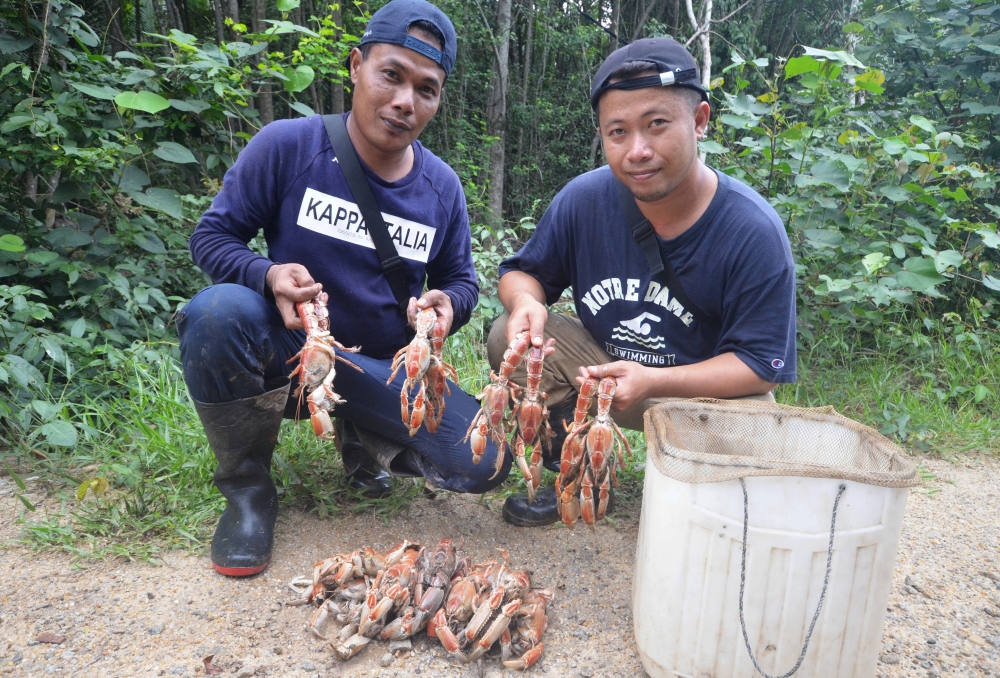
JERTIH, Nov 1 — What began as a search for udang pusu (mud prawns) to prepare a meal for his family has turned into a source of income for a young man in Kampung Limbongan, near Kampung Raja here, who is now receiving orders from customers, including those outside Terengganu.
Mohd Azuan Mahadi, 31, who has spent the past 11 years making a living catching river creatures such as eels, mud snails and giant freshwater prawns, developed an interest in udang pusu after visiting Riau, Indonesia, two years ago.
During the visit, a friend introduced him to fried udang pusu served with oyster sauce, and he was immediately taken by its sweet-tasting flesh, which he said was almost similar to that of mud crabs.
“My first taste of the prawns, which my friend cooked in Riau, made me appreciate their delicious, sweet flesh. I ate about 10 of them but still wanted more because they were so tasty,” he told Bernama when met in Kampung Limbongan here.
Mohd Azuan said he also learnt how to catch the brackish-water creatures during his visit, using a mixture of water and edible lime poured into their mud burrows to coax them out.
The prawns would usually emerge after about 45 minutes to an hour.
Upon returning home, the father of three began searching for udang pusu in the nipah palm swamps near his house, initially just to prepare meals for his family.
However, the activity gradually became an additional source of income after he shared his catches on social media, attracting interest from potential customers.
Today, he receives orders for about 80 kilogrammes of udang pusu a week, selling them for between RM25 and RM30 per kilogramme, depending on their size.
However, he said the catch was unpredictable, and finding larger prawns remained a challenge as most customers preferred bigger ones.
“The catch is not always consistent, and I am not always lucky enough to find large udang pusu . That is the challenge I face because most customers prefer the bigger ones,” he said.
Although still relatively unknown to many, udang pusu typically inhabit brackish-water areas in mangrove and nipah palm swamps, where they dig burrows and build mud mounds known locally as pusu.
Mohd Azuan said the prawns usually emerged from their burrows during the flood season and could be found on their mud mounds or among the trees.
“Previously, I thought they were not edible because of their rather unusual appearance,” he said.
Catching udang pusu has since become part of his daily routine, with Mohd Azuan usually heading out from 8am to 1pm to fulfil customer orders.
He also cleans every prawn thoroughly to remove mud and dirt, including removing certain organs in the head to prevent customers from feeling dizzy or nauseous after eating them.
With demand continuing to grow, he is now assisted by his friend, Shahrul Izwan Mat Ghani, 39, to ensure orders are fulfilled on time. — Bernama
Kimono-clad pets blessed at Japan festival lacking enough kids
Plants, animals, fungi: Global wildlife trade involves 107,000 species, double previous estimates, study finds
Bella, Syed Saddiq arrive at Padang Merdeka as Kenduri Rakyat crowd swells past 20,000
PM: RM2.5m to provide dialysis facilities at selected Kelantan mosques, plus RM645,000 for water, solar projects
Avoid 3R provocations, campaign fairly, maturely and with dignity, Azalina tells Melaka poll candidates
Melaka deserves trustworthy, hardworking leaders with integrity, says Anwar
杰尔蒂,11 月 1 日讯——一位住在杰尔蒂附近甘榜拉惹的甘榜林邦安的年轻人,最初只是为了给家人做顿饭而寻找泥虾,没想到却意外地以此为生,现在他收到了来自顾客的订单,甚至包括来自登嘉楼以外的顾客。
31岁的莫哈末·阿祖安·马哈迪(Mohd Azuan Mahadi)过去11年来一直以捕捞鳗鱼、泥螺和巨型淡水虾等河中生物为生。两年前,他到访印度尼西亚廖内省后,对乌当普苏(udang pusu)产生了兴趣。
访问期间,一位朋友向他介绍了蚝油炸虾,他立刻被虾肉的鲜甜味道所吸引,他说虾肉的味道几乎和泥蟹一样鲜美。
“我第一次尝到朋友在廖内省做的虾,就被它鲜美甘甜的肉质所折服。我吃了大约10只,但还是意犹未尽,因为它们太美味了。”他在甘榜林邦岸接受马新社采访时说道。
莫哈末·阿祖安表示,他在参观期间还学会了如何捕捉咸水生物,方法是将水和食用石灰的混合物倒入它们的泥洞中,引诱它们出来。
虾通常会在45分钟到1小时后出现。
回到家后,这位三个孩子的父亲开始在他家附近的尼帕棕榈沼泽地里寻找乌当普苏鱼,最初只是为了给家人准备饭菜。
然而,自从他在社交媒体上分享了自己的渔获后,这项活动逐渐成为他的额外收入来源,吸引了潜在客户的兴趣。
如今,他每周能接到约 80 公斤虾仁的订单,根据虾仁的大小,每公斤售价在 25 至 30 马币之间。
然而,他表示捕捞情况难以预测,而且由于大多数顾客更喜欢大虾,所以找到个头较大的虾仍然是个挑战。
“捕捞情况并不总是稳定,我也不总能幸运地找到个头大的虾。这就是我面临的挑战,因为大多数顾客都喜欢个头大的虾,”他说。
尽管对许多人来说仍然相对陌生,但 udang pusu 通常生活在红树林和尼帕棕榈沼泽的咸水地区,在那里它们挖掘洞穴并建造泥堆,当地称之为 pusu。
莫哈末·阿祖安表示,这些虾通常在汛期从洞穴中出来,可以在泥堆上或树丛中找到它们。
“以前,我以为它们不能吃,因为它们的外形相当奇特,”他说。
从此,捕捞虾仁就成了他日常生活的一部分,Mohd Azuan 通常从早上 8 点到下午 1 点外出完成顾客的订单。
他还彻底清洗每一只虾,去除泥沙,包括去除虾头中的某些器官,以防止顾客食用后感到头晕或恶心。
随着需求持续增长,他现在得到了朋友沙鲁·伊兹万·马特·加尼(39岁)的协助,以确保订单按时完成。——马新社
在日本一个缺少孩子的节日里,穿着和服的宠物们接受了祝福。
研究发现,全球野生动植物贸易涉及10.7万个物种,是此前估计的两倍,涵盖植物、动物和真菌等。
贝拉 (Bella) 和赛沙迪 (Syed Saddiq) 抵达巴东独立广场 (Padang Merdeka),肯杜里人民 (Kenduri Rakyat) 人群突破 20,000 人
总理:拨款250万令吉在吉兰丹州指定清真寺提供透析设施,另拨款64.5万令吉用于供水和太阳能项目
阿扎丽娜告诫马六甲州选举候选人,要避免“3R”挑衅,以公平、成熟和有尊严的方式开展竞选活动。
安华表示,马六甲需要值得信赖、勤奋敬业、正直的领导人。