Malaysians face pricey Indian onions as fresh supply delays cloud Deepavali festival马来西亚人面临高价印度洋葱的困境,新鲜洋葱供应延迟,令屠妖节蒙上阴影
PHNOM PENH, Nov 1 — Malaysian consumers could pay more for Indian onions ahead of the Deepavali festival as production in Maharashtra, India’s biggest producing state, falls...
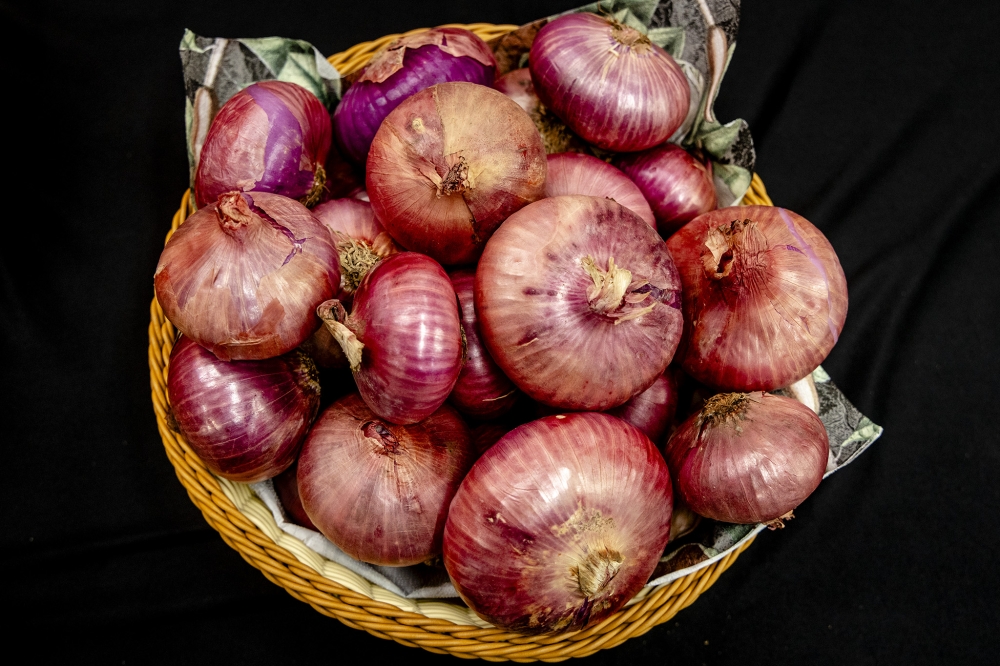
PHNOM PENH, Nov 1 — Malaysian consumers could pay more for Indian onions ahead of the Deepavali festival as production in Maharashtra, India’s biggest producing state, falls nearly 40 per cent due to weak rainfall.
Irregular rainfall and prolonged dry spells this monsoon have delayed the arrival of fresh kharif onions, the monsoon-season crop, adding price pressure to local Indian markets.
“There could be about a 30 to 40 per cent production drop in Maharashtra because of drought. Farmers across India are facing a shortage of rain due to El Niño and this is impacting onion production because of poor moisture. Prices could gradually increase,” Lasalgaon Agricultural Produce Market Committee Chairman Dnyaneshwar Kisan Jagtap told Bernama on Saturday.
Lasalgaon, a town in the western Indian state of Maharashtra, is home to Asia’s largest onion market and serves as a key centre for setting onion prices in India.
Millions of Hindus around the world will celebrate Deepavali, the annual festival of lights on Nov 8.
Demand is likely to soar for the reddish bulb, famous for its pungency, colour and long-shelf life. It is an important ingredient in every Indian cuisine.
India is one of the largest onion-growing countries in the world after China, with annual production of about 30 million tonnes. Last year, it exported about 1.5 million metric tonnes of fresh onions, according to India’s Agricultural and Processed Food Products Export Development Authority.
Malaysia imports more than 50 per cent of its onion supply from India, with Maharashtra accounting for a large share of the shipments.
The state produces more than 50 per cent of India’s onion exports.
Indian consumers are currently paying about 60 Indian rupees (0.63 cents/RM2.56) per kg.
Export prices range from US$500 to US$700 per metric tonne (RM2,029 to RM2,841) for standard red onions, depending on the destination, say industry players.
“We are hoping to see crop growth post-Diwali (northern Indian pronunciation of Deepavali) as there has been some rainfall in recent days. We can only see better improvements in the next monsoon season, in July or August,” said Jagtap.
Production remains tight, and prices are volatile, while farmers are likely to face a financial crunch during the festival season.
“Around Diwali, the market is expected to remain sensitive to supply conditions. As fresh kharif arrivals increase, price pressures may ease. However, the extent of any price correction will depend on actual production, market arrivals and demand.
“Countries such as Malaysia that import Indian onions may face higher procurement costs if Indian wholesale and export prices remain elevated,” Sanjay Holkar, a leading exporter based in Nashik City in Maharashtra, told Bernama.
Indian Ministry of Consumer Affairs, Food and Public Distribution, in a statement dated Oct 9, said fresh kharif onions are beginning to arrive from major producing states — including Karnataka, Andhra Pradesh and Rajasthan, while availability from stored stocks continues to meet market demands.
“Arrivals from these producing regions are expected to increase further in the coming weeks, improving overall availability in the consuming markets during the upcoming festive season,” said the ministry.
In Kuala Lumpur, ahead of Deepavali, the Domestic Trade and Cost of Living Ministry capped the prices of essential items including Australian dhal, grated coconut, large red onions and Indian shallots, from November 4 to 10.
Onion prices are currently costing about RM4 per kilogramme in local markets.
According to the Federal Agricultural Marketing Authority, Malaysians consume nearly 750,000 metric tonnes of onions annually. — Bernama
Relief centre in Kerian closed as Perak recovers from floods
Adly Zahari: Melaka election not a waste of time, public funds as ‘democratic power belongs to the people’
‘Unfair and a bully’: Anthony Loke defends DAP rep and dares MCA chief to debate him instead
金边,11 月 1 日讯——由于印度最大的洋葱产区马哈拉施特拉邦降雨量不足,导致洋葱产量下降近 40%,马来西亚消费者在屠妖节前可能需要为印度洋葱支付更高的价格。
今年季风季节降雨不规律,干旱持续时间长,导致季风季节作物——新鲜卡里夫洋葱的上市时间推迟,给印度当地市场带来了价格压力。
“由于干旱,马哈拉施特拉邦的洋葱产量可能会下降30%到40%。受厄尔尼诺现象影响,印度各地的农民都面临降雨不足的问题,这导致洋葱水分不足,影响了洋葱的产量。价格可能会逐渐上涨。”拉萨尔冈农产品市场委员会主席德尼亚内什瓦尔·基桑·贾格塔普周六告诉马新社。
拉萨尔冈是印度西部马哈拉施特拉邦的一个城镇,拥有亚洲最大的洋葱市场,是印度洋葱定价的重要中心。
11月8日,世界各地数百万印度教徒将庆祝一年一度的排灯节(Deepavali),又称灯节。
这种红色的球茎因其辛辣味、鲜艳的颜色和较长的保质期而闻名,预计需求量将大幅飙升。它是印度菜肴中不可或缺的食材。
印度是继中国之后的世界第二大洋葱生产国,年产量约为3000万吨。据印度农业及加工食品出口发展局的数据,去年印度出口了约150万吨鲜洋葱。
马来西亚超过 50% 的洋葱供应来自印度,其中马哈拉施特拉邦占很大一部分。
该邦生产的洋葱占印度洋葱出口总量的50%以上。
印度消费者目前每公斤支付约 60 印度卢比(0.63 美分/2.56 令吉)。
业内人士表示,标准红洋葱的出口价格根据目的地不同,每公吨价格在 500 美元至 700 美元(2029 至 2841 令吉)之间。
“我们希望排灯节(印度北部对屠妖节的发音)后作物能够生长,因为最近几天下了一些雨。我们只能等到下一个雨季,也就是七月或八月,才能看到更好的情况,”贾格塔普说。
产量依然紧张,价格波动较大,而农民在节日期间可能会面临经济困难。
“排灯节前后,市场预计仍将对供应状况保持敏感。随着新鲜卡里夫作物到货量的增加,价格压力可能会有所缓解。然而,价格调整的幅度将取决于实际产量、市场到货量和需求。”
“如果印度洋葱的批发和出口价格持续高企,像马来西亚这样进口印度洋葱的国家可能会面临更高的采购成本,”马哈拉施特拉邦纳西克市的一位主要出口商桑杰·霍尔卡告诉马新社。
印度消费者事务、食品和公共分配部在 10 月 9 日的一份声明中表示,新鲜的卡里夫洋葱已开始从主要产区(包括卡纳塔克邦、安得拉邦和拉贾斯坦邦)运抵,而库存供应继续满足市场需求。
该部表示:“预计未来几周,来自这些产区的农产品到货量将进一步增加,从而改善即将到来的节日期间消费市场的整体供应情况。”
在吉隆坡,为迎接屠妖节,国内贸易和生活成本部对包括澳大利亚扁豆、椰丝、大红洋葱和印度小葱在内的必需品的价格设定了上限,期限为 11 月 4 日至 10 日。
目前本地市场洋葱价格约为每公斤4令吉。
据马来西亚联邦农业销售局统计,马来西亚人每年消费近75万吨洋葱。——马新社
霹雳州基里安救灾中心关闭,霹雳州正从洪灾中恢复。
阿德利·扎哈里:马六甲选举并非浪费时间,公共资金“属于人民,因为民主权力属于人民”。
“不公平且欺凌弱小”:陆兆福力力挺民主行动党议员,并挑战马华公会主席与他辩论