Mysterious Drone Incursions Have Occurred Over U.S. THAAD Anti-Ballistic Missile Battery In Guam关岛美军“萨德”反弹道导弹防御系统上空发生神秘无人机入侵事件
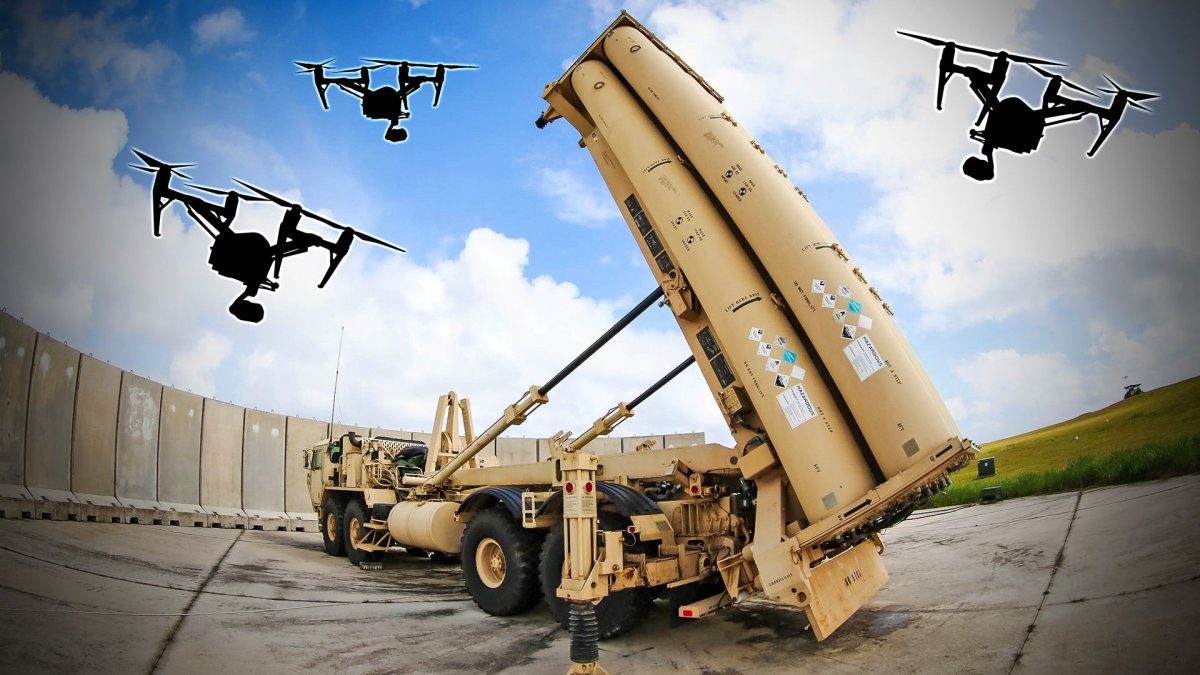
It's yet another reminder of just how vulnerable highly strategic assets, even air defense systems, are to low-end drones.
新闻视频
By Tyler Rogoway and Joseph Trevithick
Updated Nov 27, 2020 6:24 PM EST
Earlier this year, it came to The War Zone ‘s attention that a series of bizarre and highly concerning events took place in the late Winter of 2019 at Andersen Air Force Base on the Island of Guam. As we understand it, between late February and early March of last year, the massive installation experienced repeated incursions by unmanned aircraft that appeared to be extremely interested in one highly sensitive area of the highly strategic base, the U.S. Army’s Terminal High Altitude Area Defense (THAAD) battery that is tasked with defending the island from ballistic missile attacks.
The incursions, which were said to have occurred in late March and early April 2019, had been observed by personnel manning guard towers that loom over the highly secure THAAD area situated towards the northern end of the air base, often referred to as “North West Field.” Andersen itself takes up the northern and western reaches of the entire island.
Andersen Air Force Base takes up the entire northwestern end of Guam. The air base is located to the southwest, with the weapons storage areas and other critical sites being located to the northwest. The THAAD battery sits near where the abandoned runway-like feature exists on the northwestern portion of the base. , Google Earth
The intruding craft were described as “quadcopter-like” vehicles with bright spotlights that flew from over the water and then across the North West Base area at not much higher than treetop level, about 20 to 30 feet above the ground. On a number of nights, the craft would make multiple incursions in the very early morning hours. They would show up, disappear, then come back a few hours later.
The spotlight that shone down from the craft made it hard for personnel to make out a detailed description of the craft, although estimates range from being three to five feet in diameter largely based on the size of the spotlight. The craft would maneuver dynamically, appearing with the spotlight on, then disappearing, just to reappear moments later over to one side or another with the spotlight on, which was unsettling to those that witnessed it. Supposedly, there was a concerted effort to identify, track, and down the mysterious craft, but it doesn’t seem that those efforts were successful based on our understanding of events.
This information was highly interesting if not downright alarming, but we had to find hard evidence that at least something similar did indeed happen during this timeframe.
We got just that straight from the U.S. Air Force.
The War Zone was able to confirm that at least one of the incidents described above did occur through the Freedom of Information Act (FOIA), by which we obtained a copy of the relevant entry from the Air Force’s 36th Security Forces Squadron’s internal crime blotter. The is unit is part of the 36th Wing at Andersen Air Force Base.
The entry describes the “possible drone” as being of an “unknown color and size, [with a] bright white light.” Army personnel at “THAAD Tower #2” had radioed in at “2315,” or 11:15 PM – it’s unclear if this was local time on Guam or Zulu Time, also known as Greenwich Mean Time – to report “a bright white light was seen from [their] LOCATION hovering over a field and quickly disappeared.”
“Tower #2 personnel were unable to provide any further description,” the blotter entry continues. “At 2318, JET PATROLS were in the vicinity conducting covert operations. None of the JET PATROLS were able to locate the suspicious white light.”
The “JET PATROLS” that are referenced in the document are not aircraft, but are Jungle Enforcement Teams of the 36th Security Forces Squadron. The Air Force describes the teams as being “tasked with preventing security breaches, apprehending poachers, and securing the perimeter around the jungle.” The team’s personnel move silently through the jungle that permeates much of the base at night and have unique human tracking skills. You can read all about this specialized security force in this official media release .
Interestingly, the 36th Security Force Squadron’s blotter lists this incident as “Unauthorized Unmanned Aerial Systems/Security Incident #2019-2,” which implied that there was at least one other similarly classified drone incident at Andersen Air Force Base before this one by that point in the early 2019 calendar or fiscal year. Another FOIA request confirmed that there was a “2019-1” blotter entry, but the Air Force withheld information about that event citing privacy and law enforcement exemptions. Agencies typically withhold records for law enforcement reasons because of a potential risk of exposing sensitive tactics, techniques, or procedures, or because of an ongoing investigation. It is then doubly interesting that the March 2019 incident near the Army’s THAAD battery at North West Field was not also subject to the exemptions.
U.S. Indo-Pacific Command (INDOPACOM) forwarded a separate FOIA request regarding this incident, any other similar occurrences around the same timeframe, to the U.S. Army. The War Zone is still awaiting a response to that request, as well as another one to the Guam Police Department. We inquired directly to the 36th Wing and INDOPACOM, but never got a response.
We found this information to be highly troubling for a number of reasons. The most important is that this craft was able to penetrate its way over an air defense system that is tasked with defending the highly strategic island from ballistic missile attacks. In other words, that THAAD battery is largely what stands in the way of a country like North Korea from holding the island at imminent risk. The system is even capable of shielding against a lower volume barrage from a peer state competitor, such as China.
Guam would be near the top of Beijing’s targeting list during a conflict with the United States and its growing ballistic missile arsenal has been developed largely to deny the U.S. the utility of its regional bases during the open stages of a conflict. The island has already been outright threatened by Kim Jong Un’s regime.
The thing is that destruction of enemy air defenses (DEAD) is not defined by a platform, it is a mission. Traditionally we associate the objective of destroying enemy air defenses with standoff cruise missile attacks and ‘wild weasel’ fighter jet operations, but DEAD can be carried out by a team of special operators with some well-placed explosives or via a barrage of naval gunfire. Even carefully deployed malware that targets the software that an air defense system and its mechanical component run on could potentially be destructive enough to be considered a DEAD method.
With that said, America’s preeminent adversaries in the entire region would make taking out the THAAD battery on Guam a top priority during a conflict or even as part of a limited demonstration of force. Why barrage it with ballistic missiles or attempt a cruise missile launch from a forward-deployed submarine or even a clandestine commando raid when you can just fly a drone loaded with explosives into it? And no, you don’t need some high-end drone system to do this as real-world events have highlighted many times over. Drug cartels are now whacking their enemies with off-the-shelf drone-borne improvised explosive devices and even U.S. allies are actually manufacturing hobby-like drones just for this purpose. Somewhat more sophisticated types can be launched from longer distances and can even home in on radar or other RF emissions sources, like THAAD’s powerful AN/TPY-2 Radar and data-links, autonomously, beyond just striking a certain point on a map.
AN/TPY-2 radar used by THAAD., MDA
Simply put, ‘shooting the archer,’ in this case an advanced anti-ballistic missile system that protects America’s most strategic base in the entire region, via a relatively cheap drone is both an absurdly obvious and terrifyingly ironic tactic—the U.S. can shoot down ballistic missiles, but the critical systems used to do so remain extremely vulnerable to the lowliest of airborne threats—cheap drones.
For those that follow our work, this is not news. The U.S. military was dangerously aloof when it came to the threat posed by low-end drones. We spent years highlighting this threat while seeing the U.S. military do very little to actually counter it, that is until ISIS was constantly dropping bomblets from drones or just flying explosive-laden drones into allied positions during the Battle of Mosul, Iraq.
The threat has ballooned exactly as we predicted since then, with mass drone attacks on forward operating bases , attempted assassinations of ruling figures via drone , and even a successful drone assault right at the heart of Saudi oil production a year ago. In fact, the threat has gotten so bad that top U.S. commanders in the field are saying the constant presence of nefarious drones over or near their troops and equipment is what keeps them up at night.
In the meantime, it’s abundantly clear that even America’s most capable air defenses are vulnerable to the most meager of aerial capabilities—commercially available drones. If anything else, this is yet another, but possibly the biggest example of just how misplaced the U.S. military’s priorities had become when it comes to investments in air defense over the last two decades or so. You can read how the Pentagon let its short-range air defense (SHORAD) capabilities wither on the vine to an appalling degree while concentrating on higher-profile, ‘sexier,’ and drastically more lucrative weapon systems in this past feature of ours . The Pentagon’s appalling lack of vision regarding the emergence of this threat has made quickly ramping-up efforts to counter it that much more of a scramble, which is ongoing now. Still, America’s potential enemies are already a step ahead, working on swarming low-end drone concepts that will overwhelm most countermeasures currently in the works.
So what is happening here? How does this all play into a rash of other troubling drone sightings , including highly similar ones that have occurred over American nuclear facilities and in other highly restricted airspace , as well as the ongoing buzz about unidentified aerial phenomena (UAP)? We will tie years worth of reporting on all these issues and others together very soon in a capstone piece.
In the meantime, the events on Guam in 2019 serve as maybe the most outstanding reminder of how the Pentagon’s fixation on high-end threats, and the huge gold plated weapons programs that are put into play to counter them, have left even those very capabilities remarkably vulnerable to far less advanced attacks.
Contact the authors: Tyler@thedrive.com and Joe@thedrive.com
Comments couldn’t be loaded. Please refresh the page.
作者:泰勒·罗戈韦和约瑟夫·特雷维西克
更新于美国东部时间2020年11月27日下午6:24。
今年早些时候,《战区》栏目注意到,2019年冬末,关岛安德森空军基地发生了一系列离奇且令人高度担忧的事件。据我们了解,去年2月下旬至3月初期间,这座庞大的基地多次遭到无人机入侵,这些无人机似乎对基地内一个高度敏感的区域——美国陆军的末段高空区域防御系统(THAAD)——表现出极大的兴趣。该系统负责防御弹道导弹袭击,保护关岛免受攻击。
据称,这些入侵事件发生在 2019 年 3 月下旬至 4 月初,驻守在高耸于安德森空军基地北端高度戒备的萨德区域(通常被称为“西北机场”)上方的瞭望塔上的人员目睹了这些入侵。安德森空军基地本身占据了整个岛屿的北部和西部。
安德森空军基地占据了关岛的整个西北部。空军基地位于西南方向,武器库和其他重要设施则位于西北方向。萨德系统就位于基地西北部废弃跑道状设施附近。(谷歌地球)
这些入侵飞行器被描述为类似四旋翼飞行器的物体,带有明亮的探照灯,它们从水面上空飞来,然后以略高于树梢的高度(大约离地20到30英尺)飞越西北基地区域。在一些夜晚,这些飞行器会在凌晨时分多次入侵。它们出现、消失,几个小时后又会再次出现。
飞行器射出的探照灯使人员难以辨认其具体形状,但根据探照灯的大小,估计其直径在三到五英尺之间。该飞行器会动态地移动,探照灯亮着时出现,然后消失,片刻之后又会出现在飞行器的一侧或另一侧,探照灯依然亮着,这令目击者感到不安。据说,曾有人集中力量试图识别、追踪并击落这架神秘飞行器,但根据我们对事件的了解,这些努力似乎并未成功。
这条信息非常有趣,甚至可以说是令人震惊,但我们必须找到确凿的证据,证明至少类似的事情确实在这一时期发生过。
我们从美国空军那里直接得到了这个消息。
《战区》通过《信息自由法》(FOIA)证实,上述事件中至少有一起确实发生过。我们据此获得了空军第36安全部队中队内部犯罪记录簿的相关条目。该部队隶属于安德森空军基地的第36联队。
记录中将“疑似无人机”描述为“颜色和大小不明,发出明亮的白光”。驻扎在“THAAD 2号塔”的陆军人员于“2315”(即晚上11点15分)通过无线电报告——目前尚不清楚这是关岛当地时间还是祖鲁时间(也称格林威治标准时间)——称“从[他们]所在位置看到一道明亮的白光盘旋在田野上空,然后迅速消失”。
“2号塔台人员无法提供更多描述,”记录继续写道。“23时18分,喷气式巡逻队在附近执行秘密行动。所有喷气式巡逻队员均未能找到可疑的白光。”
文件中提到的“喷气式巡逻队”并非指飞机,而是空军第36安全部队中队的丛林执法队。空军称这些队伍的任务是“防止安全漏洞、抓捕偷猎者以及维护丛林周边的安全”。队员们夜间在基地大部分区域茂密的丛林中悄无声息地行动,并拥有独特的追踪技能。您可以在这份官方新闻稿中了解更多关于这支特种安全部队的信息。
值得注意的是,第36安全部队中队的事件记录簿将此事件列为“未经授权的无人机系统/安全事件 #2019-2”,这意味着在2019年初(或2019财年初)之前,安德森空军基地至少还发生过一起类似的无人机事件。另一份《信息自由法》申请证实,事件记录簿中确实存在“2019-1”的条目,但空军以隐私和执法豁免为由拒绝公开相关信息。通常情况下,执法机构会出于执法原因扣留记录,因为这可能存在泄露敏感战术、技术或程序的风险,或者因为正在进行调查。因此,2019年3月发生在西北机场陆军“萨德”反导系统附近的事件却不受这些豁免条款的约束,这一点就更加耐人寻味了。
美国印太司令部(INDOPACOM)就此事件以及同期发生的类似事件,向美国陆军提交了一份单独的《信息自由法》(FOIA)申请。战区新闻仍在等待该申请以及向关岛警察局提交的另一份申请的回复。我们曾直接向第36联队和印太司令部询问,但始终没有收到回复。
我们认为这一信息令人极为担忧,原因有很多。最重要的是,这架飞行器能够突破防空系统,而该系统的任务是保护这座具有重要战略意义的岛屿免受弹道导弹袭击。换句话说,正是这套“萨德”系统在很大程度上阻止了像朝鲜这样的国家将该岛置于迫在眉睫的威胁之下。该系统甚至能够抵御来自中国等势均力敌的竞争对手的低强度导弹攻击。
在与美国的冲突中,关岛几乎是北京的首要打击目标之一。中国不断扩充弹道导弹武库,其主要目的就是为了在冲突初期削弱美国在其地区基地的作用。金正恩政权已经对该岛发出过公开威胁。
关键在于,摧毁敌方防空系统(DEAD)并非由特定平台定义,而是一种任务。传统上,我们通常将摧毁敌方防空系统的目标与远程巡航导弹攻击和“野鼬鼠”式战斗机作战联系起来,但实际上,特种作战小组可以通过精心布置的炸药或密集的舰炮火力来完成摧毁敌方防空系统的任务。甚至精心部署的恶意软件,只要能够攻击防空系统及其机械部件运行所依赖的软件,其破坏力也足以被视为一种摧毁敌方防空系统的方法。
话虽如此,美国在整个地区的主要对手都会将摧毁关岛的萨德系统列为冲突期间的首要任务,甚至在有限的武力展示中也会如此。既然可以直接用装载炸药的无人机攻击,何必费力用弹道导弹轰炸、从前沿部署的潜艇发射巡航导弹,甚至进行秘密突袭呢?而且,你并不需要什么高端无人机系统,现实世界的事件已经无数次证明了这一点。贩毒集团现在就用现成的无人机搭载简易爆炸装置袭击敌人,甚至美国的盟友也在专门为此制造类似业余爱好的无人机。一些更先进的无人机可以从更远的距离发射,甚至可以自主追踪雷达或其他射频辐射源,例如萨德系统强大的AN/TPY-2雷达和数据链,而不仅仅是攻击地图上的特定点。
THAAD 使用的 AN/TPY-2 雷达。MDA
简而言之,“射杀弓箭手”(在本例中指的是保护美国在整个地区最具战略意义的基地的先进反弹道导弹系统)是通过相对廉价的无人机来攻击的,这既是一种荒谬的显而易见的策略,又是一种可怕的讽刺——美国可以击落弹道导弹,但用于击落导弹的关键系统仍然极易受到最低级的空中威胁——廉价无人机的攻击。
对于关注我们工作的人来说,这并非新闻。面对低端无人机构成的威胁,美军一直漠不关心,这种态度十分危险。多年来,我们不断强调这一威胁,却眼睁睁地看着美军几乎没有采取任何实际行动来应对,直到在伊拉克摩苏尔战役期间,ISIS不断使用无人机投掷小型炸弹,或直接驾驶装满炸药的无人机袭击盟军阵地。
正如我们此前预测的那样,威胁已经急剧恶化,包括对前沿作战基地的大规模无人机袭击、企图利用无人机暗杀执政人物,甚至一年前还发生了一起无人机袭击沙特阿拉伯石油生产核心区域的成功案例。事实上,威胁已经变得如此严重,以至于美国一线高级指挥官表示,不断有不法无人机在其部队和装备上空或附近活动的现象让他们夜不能寐。
与此同时,显而易见的是,即使是美国最强大的防空系统也难以抵挡最弱小的空中力量——市面上常见的无人机。这无疑再次印证了过去二十年来美国军方在防空投资方面的优先事项是多么的错位。您可以在我们之前的专题报道中了解到,五角大楼是如何任由其短程防空(SHORAD)能力萎缩到令人震惊的地步,而将精力集中在更引人注目、更“吸睛”且利润更高的武器系统上。五角大楼对这一威胁的出现缺乏远见,使得迅速加强应对措施变得更加仓促,而目前应对工作仍在进行中。然而,美国的潜在敌人已经领先一步,他们正在研发集群式低端无人机概念,这些无人机将压制目前正在研发的大多数反制措施。
那么,这究竟是怎么回事?这一切与近期一系列令人不安的无人机目击事件有何关联?这些事件包括发生在美国核设施和其他高度管制空域的类似事件,以及持续不断的关于不明空中现象(UAP)的讨论。我们将很快在一篇总结性文章中,把多年来对所有这些问题及其他相关问题的报道汇集起来。
与此同时,2019 年关岛事件或许最能突出地提醒我们,五角大楼对高端威胁的执着,以及为应对这些威胁而投入的大规模、耗资巨大的武器计划,反而使得这些能力本身也极易受到远不如高端武器先进的攻击。
联系作者:Tyler@thedrive.com 和 Joe@thedrive.com
评论加载失败,请刷新页面。