Parliament to discuss haze law changes, MPs ask about impact on outdoor workers, vulnerable groups议会将讨论雾霾法修改方案,议员们询问其对户外工作者和弱势群体的影响
MPs have also asked for more details on the proposed changes to the COE system. Read more at straitstimes.com.
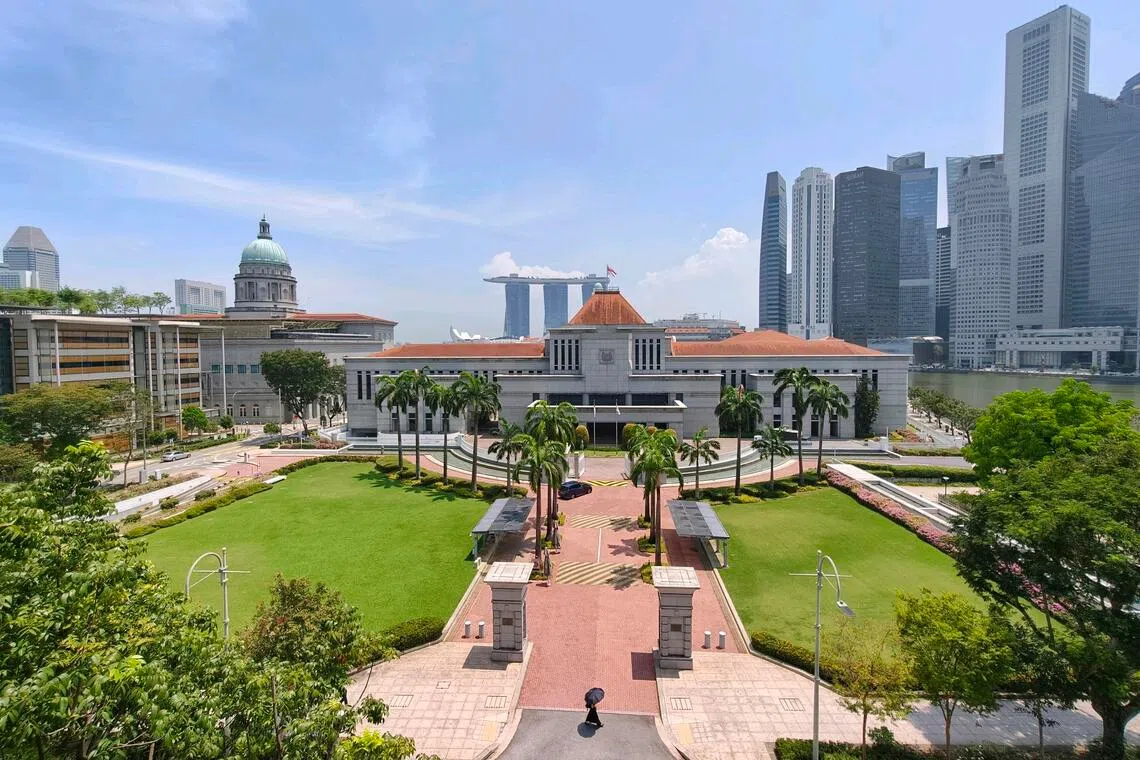
More than 30 MPs have filed over 50 parliamentary questions on how Singapore is tackling the haze, which escalated here in early September.
Published Nov 02, 2026, 03:30 PM
Updated Nov 02, 2026, 03:30 PM
SINGAPORE - Singapore’s response to the haze will be high on the agenda when Parliament sits this week, with questions on the Republic’s legal and regulatory levers at the fore.
More than 30 MPs have filed over 50 questions on how Singapore is tackling the haze, which escalated here in early September in the most severe bout in more than a decade.
They come as the Government has said it would introduce changes to current haze laws in Parliament this week to give it more teeth in dealing with companies responsible for the widespread burning in Indonesia.
The majority of questions on the haze zoom in on the Transboundary Haze Pollution Act (THPA), a law passed in 2014 to target those responsible for causing or condoning fires.
The law can be triggered when the haze causes the Pollutant Standards Index air quality measure to stay in the unhealthy range in any part of Singapore for 24 hours or more.
There have been no fines or convictions under the law even though it has been wielded twice, with preventive measure notices issued to multiple firms in 2015 and 2026. Of the six cases from 2015, two were eventually closed while four are still open.
MPs from both sides of the House asked about the status of these cases and the challenges authorities face in concluding these cases and if the Government was considering legislative amendments to address enforcement gaps.
They also asked about how Singapore can better identify and take action against companies linked to the haze .
PAP’s Charlene Chen (Tampines GRC) asked if the authorities have assessed whether changes to existing laws are needed to address gaps in determining liability when entities responsible for haze-causing fires operate through complex corporate ownership structures.
Workers’ Party MP Jamus Lim (Sengkang GRC) asked what information was sought from and provided by the Indonesian authorities and the four firms with pending cases from 2015, as well as what evidence is needed to bring charges or close them.
Senior Minister K. Shanmugam on Oct 28 gave some details on changes to come to the THPA, including requirements for firms to give appointed investigators full access to information, corporate documents and business premises.
He had also said previously that changes to the law could be introduced on an urgent basis. This typically means introducing a Bill with a Certificate of Urgency signed by the President which allows for the changes to also be debated and voted on in the same sitting.
The changes to the THPA were not tabled for the sitting on Nov 3 based on the order paper, which indicates it could be brought up on Nov 4.
MPs also asked about haze’s impact on outdoor workers, students and people with pre-existing medical conditions.
Nadia Ahmad Samdin (Ang Mo Kio GRC) asked whether the haze task force had assessed the adequacy of indoor air filtration in pre-schools, malls, healthcare and community care facilities while WP’s Fadli Fawzi asked for longer-interval PM2.5 forecasts to help Singaporeans plan daily activities when there is haze.
Separately, MPs also asked at least six questions on changes to the certificate of entitlement (COE) system that were mooted by the Land Transport Authority (LTA) on Oct 8.
LTA proposed merging categories A and B and to apply a rebate or surcharge to the prevailing COE price, based on the car’s value. The move is aimed at better differentiating the price of mass-market cars from higher-end models.
Some MPs raised concerns about the potential unintended consequences of the proposed fee-and-rebate scheme on the prices of mass market vehicles, while others asked how the authorities will prevent the reformed system from disincentivising the adoption of high-performance electric vehicles.
Backbenchers also raised questions on the next-generation Electronic Road Pricing system, which Singapore will switch to from 2027 . It uses satellite positioning to determine a vehicle’s location for toll charging.
PAP’s Tin Pei Ling (Marine Parade-Braddell Heights GRC) asked how the new system’s satellite-based technology will enhance enforcement capabilities and whether the data collected may support investigations by other Government agencies.
The House will also debate three Bills, including one that seeks to simplify procedural requirements of divorce proceedings for Muslim couples .
Under the proposed changes to Muslim law, some Muslim couples who have agreed to divorce and have settled all related issues could complete the process at least six months faster, and without appointing a hakam, or marital conciliator.
Meanwhile, laws to tighten the licensing of maritime services and give the Maritime and Port Authority (MPA) more powers to regulate such services will also be debated.
If passed, MPA will also be able to set cybersecurity requirements and issue directions to safeguard systems and infrastructure in the maritime sector.
Wong Yang is a journalist who covers politics and policy.
Singapore Parliament
超过 30 名国会议员就新加坡如何应对雾霾问题提交了 50 多个议会质询。雾霾问题在 9 月初开始加剧。
发布于2026年11月2日下午3:30
更新于2026年11月2日下午3:30
新加坡——本周国会开会时,新加坡应对雾霾的措施将成为重要议题,有关新加坡共和国的法律和监管手段的问题将成为关注的焦点。
超过 30 位国会议员就新加坡如何应对雾霾问题提出了 50 多个问题。9 月初,新加坡的雾霾加剧,这是十多年来最严重的一次。
此前,政府表示将在本周向议会提出修改现行烟霾法律的提案,以便更有力地处理对印尼大范围焚烧烟霾负有责任的公司。
关于雾霾的大部分问题都集中在《跨境雾霾污染法》(THPA)上,这是一项于 2014 年通过的法律,旨在追究那些造成或纵容火灾的人的责任。
当雾霾导致新加坡任何地区的污染物标准指数空气质量指标连续 24 小时或更长时间处于不健康范围时,即可触发该法律。
尽管该法律已被两次启用,分别在 2015 年和 2026 年向多家公司发出预防性措施通知,但至今仍未有人因此被罚款或定罪。2015 年的六起案件中,两起最终结案,四起仍在审理中。
议会两院议员询问了这些案件的进展情况,以及当局在结案过程中面临的挑战,并询问政府是否正在考虑修改立法以弥补执法漏洞。
他们还询问新加坡如何更好地识别和打击与雾霾有关的公司。
人民行动党议员陈嘉琳(淡滨尼集选区)询问当局是否评估过,当造成烟雾火灾的责任实体通过复杂的公司所有权结构运营时,是否需要修改现有法律以解决确定责任方面的漏洞。
工人党议员林志蔚(盛港集选区)询问,印尼当局和四家有2015年未决案件的公司向印尼当局索取了哪些信息,又提供了哪些信息,以及提起诉讼或结案需要哪些证据。
10月28日,高级部长尚穆根详细介绍了《电信法》即将进行的修改,其中包括要求公司允许指定的调查人员全面查阅信息、公司文件和营业场所。
他此前也曾表示,可以紧急提出法律修改方案。这通常意味着提交一份附有总统签署的紧急证明的法案,该证明允许在同一次会议上对修改内容进行辩论和表决。
根据议程文件,THPA 的修改并未在 11 月 3 日的会议上提出,这表明该修改可能会在 11 月 4 日提出。
议员们还询问了雾霾对户外工作者、学生和患有既往疾病的人的影响。
纳迪亚·艾哈迈德·萨姆丁(宏茂桥集选区)询问雾霾工作组是否评估过幼儿园、商场、医疗保健和社区护理设施的室内空气过滤是否充足,而工人党的法德利·法齐则要求提供更长时间间隔的 PM2.5 预报,以帮助新加坡人在雾霾天气下规划日常活动。
此外,议员们还就陆路交通管理局 (LTA) 于 10 月 8 日提出的拥车证 (COE) 制度改革提出了至少六个问题。
陆路交通管理局提议将A类和B类车辆合并,并根据车辆价值对现行拥车证价格征收折扣或附加费。此举旨在更好地区分大众市场车辆和高端车型的价格。
一些议员对拟议的收费和回扣计划可能对大众市场车辆价格产生的意外后果表示担忧,而另一些议员则询问当局将如何防止改革后的制度抑制高性能电动汽车的普及。
后座议员们还对新加坡将于2027年开始启用的下一代电子道路收费系统提出了疑问。该系统利用卫星定位来确定车辆位置以进行收费。
人民行动党议员陈佩玲(马林百列-布莱德尔高地集选区)询问,新系统的卫星技术将如何增强执法能力,以及收集到的数据是否可以支持其他政府机构的调查。
众议院还将讨论三项法案,其中包括一项旨在简化穆斯林夫妇离婚诉讼程序要求的法案。
根据拟议的穆斯林法律变更,一些同意离婚并已解决所有相关问题的穆斯林夫妇可以至少提前六个月完成离婚程序,而且无需指定婚姻调解员(hakam)。
与此同时,有关加强海事服务许可制度、赋予海事和港务管理局(MPA)更多权力来监管此类服务的法律也将进行讨论。
如果获得通过,MPA还将能够制定网络安全要求并发布指令,以保护海事领域的系统和基础设施。
黄阳是一位报道政治和政策的记者。
新加坡国会