Orang Asli village near KL still struggles with electricity despite solar projects尽管有太阳能项目,吉隆坡附近的原住民村庄仍然面临电力短缺问题。
KUALA LUMPUR, Nov 2 — As the sun sets over Kampung Orang Asli Sg Relang, a devouring darkness comes with the stretching shadows, swallowing almost all sight and sound.Here and...
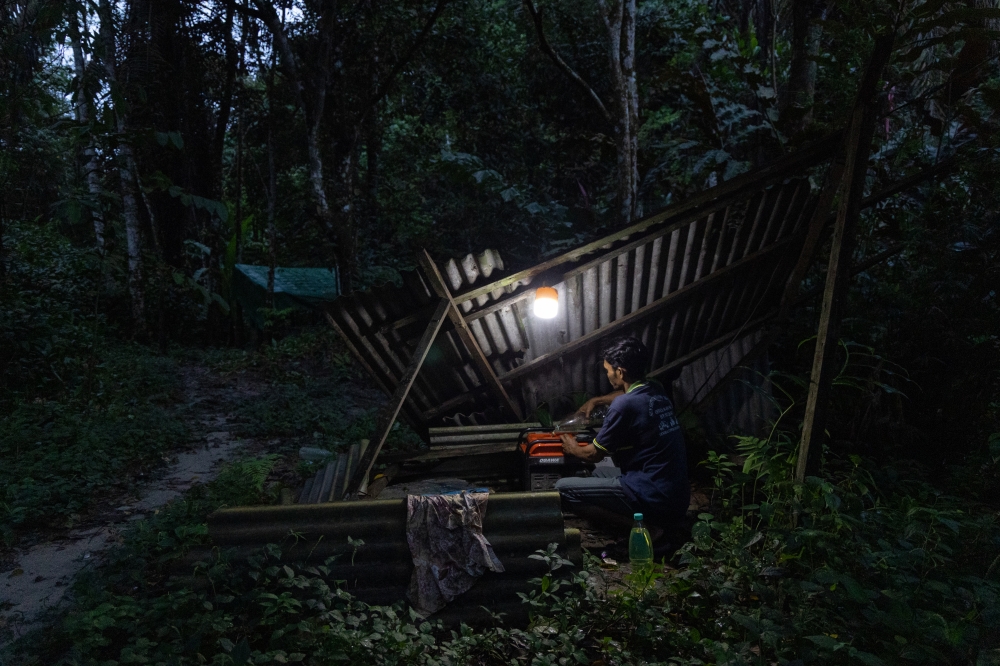
KUALA LUMPUR, Nov 2 — As the sun sets over Kampung Orang Asli Sg Relang, a devouring darkness comes with the stretching shadows, swallowing almost all sight and sound.
Here and there, in the ramshackle and spartan homes, the soft glow of solar-powered lamps shines through broken window slats. Sometimes there is the flicker of a television screen, accompanied by the hum of a diesel generator.
Solar lamps are on in the home of Yati Yusof, 25, something she is grateful for. Her family had spent the last two months in darkness, broken only by candles.
“ Kena pakai lilin bila malam. Sebab lampu rosak (We have to use candles at night. Because the lamps are broken),” she told a technician from SOLS Foundation earlier.The NGO had supplied the village with solar-powered lamps and battery packs funded by Google in July, and Bernama was accompanying its staff on a follow-up visit to check on the equipment.
She did not seem too bothered having to cook dinner by candlelight. Her kids don’t attend school despite the oldest being 12 years old, so they weren’t worried about doing their homework.
Like at least 116 Orang Asli villages, according to government data in 2024, Kampung Sg Relang has mostly gone without electricity throughout the years.
What is unusual about the village, however, is its lack of electricity access despite being easily accessible. Located 500 metres off KL-Karak Highway, the Temuan village is a testament to the difficulties of electrification of rural areas, despite the government’s efforts to fulfil everyone’s basic needs.
In this case, the issue is not necessarily the distance but the size of the kampung, which has 12 households and about 50 residents total. It is difficult to justify the cost of laying transmission lines to the village. And while off-grid renewable energy systems are likely the villagers’ best bet for electricity, they usually require a different approach from conventional energy projects.
Malaysia has committed to providing universal energy access to the population since independence in 1957 as a way to eradicate poverty and enhance economic growth. And for the most part, it has succeeded.
The Department of Statistics Malaysia (DoSM) reported in 2022 that 99.7 per cent of households had direct access to electricity. The figure, however, did not specify the tiers of the electrification, a system by which to grade electricity access.
The World Bank classifies electricity access into six tiers, ranging from Tier 0 to Tier 5, with Tier 5 representing at least 23 hours of electricity supply a day.
“Tier 0 means having no electricity connection at all, while Tier 5 is what we enjoy in the cities,” said SOLS Foundation Energy Access Director Nur Syaeista Khanum Mohamed Fuad in an interview with Bernama at her office in Sungai Besi.
The foundation had provided the villagers with pico solar panels connected to battery packs, which produce enough electricity to light lamps for a few hours and to charge phones and power banks.
Syaeista estimated that the villagers were currently at Tier 1, with enough power for at least four hours of use.
“Our plan is, of course, to get (the kampung) to (Tier) five, but it is a struggle,” she said.
She added that access to a stable electrical supply was necessary for the villagers’ well-being, economic and otherwise.
For example, not having access to 24-hour electricity means no refrigerators, a basic necessity in the modern age. In Kampung Sg Relang, no one owns a refrigerator or freezer, which makes foodkeeping a tricky affair.
Otok Singgah, who is in her 70s, told Bernama her son has to drive to a supermarket 30 minutes away to buy fresh meat every two days.
“ Itu kalau ada duit, kalau takde duit, (makan) pucuk ubi lah (That is if we have money. If not, we’ll just eat cassava leaves),” she said.
It’s not that the government and others have not tried to get the village to Tier 2 and above. But it is not easy, as evidenced by relics of past energy projects in the kampung.
Near the centre of the kampung are relics of renewable energy projects that were installed and then fell into disuse.
Near the village community hall is a hydro-solar microgrid. It is no longer in use, a remnant of a 2012 project by Tonibung, a Sabah-based indigenous-led NGO focusing on providing community-based renewable energy options to rural communities.
Opposite the hybrid energy plant and across the muddy road, solar panels measuring about 4m by 1.7m stand atop of several tall, abandoned metal sheds in the midst of dense foliage. Located by Yati’s house, each unit bears a house number. On the side are printed the names of the Sustainable Energy Development Authority (SEDA) and the contractor Times-Lite Electrical Engineering (TLEE).
Both projects were able to provide Tier 3 energy access, capable of supporting medium-load and productive appliances like a television.
Adrian Banie Lasimbang, founder and executive director of Tonibung, told Bernama the hydro-solar project was operational until 2014 when floods destroyed the microgrid. When asked why it was never repaired, Adrian said the funds were not there.
“The cost to repair the damaged intake is beyond the community’s financial capability,” he said.
As for the off-grid solar energy system, TLEE told Bernama in an email that it did the installation from October to December 2018. The company held Operations and Maintenance Training on March 13, 2019, before handing over the project to Selangor Economic Planning Unit (UPEN), which funded the project, the following month.
“Matters relating to the system’s operation, maintenance and status after April 2019 would fall under the purview of the project owner,” wrote Haley Khou Siew Ying from TLEE.
When contacted, UPEN Sectoral Section Deputy Director Rahayu Ali said the unit was considering funding an energy project for the village once its needs had been assessed.
“ Lawatan siasatan bersama-sama pihak yang berkaitan akan dilaksanakan selepas menerima laporan (A joint investigative visit involving the relevant parties will be conducted upon receipt of the report),” she wrote in an email.
Bernama sent SEDA and the Department of Orang Asli Development (Jakoa) a list of detailed questions but received no answers.
Villagers told Bernama that the off-grid solar power system lasted only about a year after the handover. None knew or had the training to maintain or fix it.
“ Dia orang bila dah pasang, dia orang tak pergi lagilah. Dia orang cakap pandai-pandai sendirilah. Dia orang cakap macamtu (Once they had installed it, they never came back. They just told us to manage on our own),” said Otok.
Renewable energy experts who work with Orang Asli communities told Bernama that installing the equipment is rarely the problem. The problem usually comes afterward.
“A lot of these projects, I can say, it’s poorly planned, or they just, like, doing it to, like, tick the boxes. Like, macam ada orang sponsor, and then just, like, go to do it, then put it in, and then leave. So it’s like hit-and-run project, lah,” (Many of these projects, I would say, are poorly planned, or are carried out just to tick the boxes. It is as though someone sponsors the project, they go ahead and install it, then leave. So, it is like a hit-and-run project),”Adrian said via Google Meet.
Experts said maintenance is usually the weakest link with these projects. Orang Asli villages tend to lie in isolated, hard-to-reach areas, and repair services there are very limited. Even Kampung Sg Relang, so close to a major highway, still lacks dependable telecommunications coverage. Calling a maintenance person to fix a faulty system remains a challenge.
Centre for Orang Asli Concerns Coordinator Dr Colin Nicholas told Bernama that the approach needs to change, and that NGOs and other agencies should involve the Orang Asli in these projects from beginning to end.
“But they don’t train the Orang Asli to problem-solve certain small issues and so on,” he said.
Adrian, who is also a former senator, agreed. Due to difficulties accessing and communicating with their village, project leaders need to provide villagers with the training to be operators rather than recipients of the solar programme. Otherwise, he warned, the problem will keep repeating itself every few years.
“One day of training is not enough. Need to set up village committee, appoint community operator. Training needs to be at least four or five days to cover system management to system maintenance,” he said.
He also acknowledged that some damage and system malfunctions were beyond the community’s means to repair.
Syaeista said foundation volunteers and staff provide orientation and training on how to use their system. She added that maintaining systems was easier when they have Orang Asli trainees on their team.
“Because we have one key team member there, like he’s able to tell us like, “Okay, oh, ada yang rosak , how do I do this? (Because we have a key team member there who can tell us, ‘Okay, something is broken. How do I fix this?)”
For now, the NGO only has enough funds to send staff for site visits every two or three months to check on the systems, which are under 24-month warranty. Once it expires, the villagers will have to maintain the systems by themselves.
The off-grid solar energy system SOLS Foundation provided for Kampung Sg Relang, which costs thousands of ringgit, is expected to last five years with care.
Back at the kampung, the SOLS technician soon gave up on trying to repair the battery pack that stores the solar energy collected by the panels. The panels were functioning, but the battery pack was no longer working.
Luckily, he had brought a spare pack with him during this visit. Yati’s wall now sports a new bright yellow battery box. A green light flashes, showing it is ready to be used.
Despite the fix, Yati told Bernama she wished they could get more continuous electricity. Still a little light is better than nothing, she added.
“ Kita pun takut-takut juga (pergi toilet bila malam). Takut ularlah. Banyak ular kat sini (We’re also afraid to go to the toilet at night because we’re scared of snakes. There are a lot of snakes here).” — Bernama
Pakatan files police report against BN’s Rim candidate over alleged use of govt assets in Melaka campaign, evidence to go to EC
Police free two on bail, track more suspects with Indonesia’s help in tanker ketamine case
Investment, love and job scams: Nine locals among 141 arrested as Penang police bust 14 online call centres
吉隆坡,11月2日讯——当太阳落山,笼罩着甘榜原住民双溪雷朗村时,黑暗如潮水般涌来,阴影不断拉长,几乎吞噬了所有的视觉和听觉。
在那些摇摇欲坠、简陋的房屋里,偶尔能透过破损的窗棂看到太阳能灯柔和的光芒。有时还能听到电视屏幕闪烁,伴随着柴油发电机的嗡嗡声。
25岁的亚蒂·尤索夫家中亮着太阳能灯,她对此感激不尽。过去两个月,她的家人一直生活在黑暗中,只有蜡烛照亮了房间。
“我们晚上只能用蜡烛,因为灯都坏了,”她早些时候告诉SOLS基金会的一名技术人员。这家非政府组织在7月份向该村提供了由谷歌资助的太阳能灯和电池组,马来西亚国家通讯社(Bernama)的记者此次是陪同其工作人员进行后续访问,以检查设备的使用情况。
她似乎并不太在意要在烛光下做晚饭。她的孩子们虽然最大的已经12岁了,但都不上学,所以他们也不用担心做作业。
根据政府2024年的数据,与至少116个原住民村庄一样,甘榜双溪雷朗多年来大多没有通电。
然而,这个村庄的特别之处在于,尽管交通便利,却仍然没有通电。特穆安村位于吉隆坡-加叻大道旁500米处,它充分说明了尽管政府努力满足所有人的基本需求,但农村地区的电气化仍然困难重重。
在这种情况下,问题不在于距离,而在于村庄的规模,它只有12户人家,总共约50名居民。铺设输电线路到这个村庄的成本难以证明其合理性。虽然离网可再生能源系统可能是村民获得电力的最佳选择,但它们通常需要采用与传统能源项目不同的方法。
自1957年独立以来,马来西亚一直致力于为全体国民提供能源,以此消除贫困并促进经济增长。而且在很大程度上,它已经成功实现了这一目标。
马来西亚统计局(DoSM)2022年的数据显示,99.7%的家庭可以直接用上电。然而,该数据并未具体说明电气化程度的划分标准,即电力普及程度的分级体系。
世界银行将电力供应分为六个等级,从 0 级到 5 级,其中 5 级代表每天至少 23 小时的电力供应。
SOLS基金会能源获取主任努尔·赛伊斯塔·哈努姆·穆罕默德·富阿德在位于双溪贝西的办公室接受马新社采访时表示:“0级意味着完全没有电力连接,而5级则是我们在城市里享受到的电力。”
该基金会向村民提供了连接电池组的微型太阳能电池板,产生的电力足以点亮灯具几个小时,并为手机和移动电源充电。
Syaeista 估计村民们目前处于 1 级,电力足够使用至少 4 个小时。
“我们的计划当然是让(这个村庄)达到(第五级),但这很困难,”她说。
她补充说,稳定的电力供应对于村民的福祉,包括经济福祉和其他方面,都是至关重要的。
例如,由于无法24小时供电,人们没有冰箱,而冰箱在现代社会却是基本必需品。在甘榜双溪雷朗,几乎无人拥有冰箱或冰柜,这使得食物储存成为一件棘手的事情。
70多岁的奥托克·辛加告诉马新社,她的儿子每两天都要开车30分钟去超市买新鲜肉类。
“如果我们有钱的话,我们就吃木薯叶。如果没有,我们就吃木薯叶。”她说。
并非政府和其他方面没有努力将该村提升到二级及以上水平。但这并非易事,村里遗留的过去能源项目痕迹就证明了这一点。
在甘榜中心附近,可以看到一些可再生能源项目的遗迹,这些项目曾经安装过,后来却被废弃了。
村委会附近有一个水力太阳能微电网。它已不再使用,是2012年由沙巴一家名为Tonibung的土著领导的非政府组织开展的一个项目的遗留物。该组织致力于为农村社区提供基于社区的可再生能源选择。
在混合动力发电厂对面,穿过泥泞的道路,几座废弃的高大金属棚掩映在茂密的植被中,棚顶上竖立着尺寸约为4米乘1.7米的太阳能电池板。这些电池板位于亚蒂家附近,每个单元都标有门牌号。侧面印有可持续能源发展局(SEDA)和承包商时代之光电气工程公司(TLEE)的名称。
这两个项目都能提供三级能源供应,足以支持电视等中等负荷和生产力电器。
Tonibung的创始人兼执行董事Adrian Banie Lasimbang告诉马新社,该水光互补项目一直运营到2014年,当时洪水摧毁了微电网。当被问及为何从未修复时,Adrian表示资金不足。
他说:“修复受损进水管道的费用超出了社区的经济承受能力。”
至于离网太阳能发电系统,TLEE 在一封电子邮件中告诉马来西亚国家通讯社(Bernama),该系统于 2018 年 10 月至 12 月期间安装完毕。该公司于 2019 年 3 月 13 日举行了运营和维护培训,并在次月将项目移交给雪兰莪州经济策划单位(UPEN),UPEN 为该项目提供了资金。
TLEE 的 Haley Khou Siew Ying 写道:“2019 年 4 月之后,与该系统的运行、维护和状态相关的事宜将由项目所有者负责。”
当被问及此事时,UPEN部门副主任拉哈尤·阿里表示,该部门正在考虑在评估该村的需求后,为该村的能源项目提供资金。
她在一封电子邮件中写道:“Lawatan siasatan bersama-sama pihak yang berkaitan akan dilaksanakan selepas menerima laporan(收到报告后将进行有关各方的联合调查访问)。”
马新社向SEDA和原住民发展部(Jakoa)发送了一份详细的问题清单,但没有收到任何答复。
村民告诉马新社,这套离网太阳能发电系统交付后仅运行了一年左右就停止了。没有人懂得如何维护或修理它,也没有接受过相关的培训。
“Dia orang bila dah pasang, dia orang tak pergi lagilah. Dia orang cakap pandai-pandai sendirilah. Dia orang cakap macamtu(安装完成后,他们就再也没有回来过。他们只是告诉我们自己管理),”Otok 说。
与原住民社区合作的可再生能源专家告诉马新社,安装设备本身很少是问题所在,问题通常出现在安装之后。
“很多项目,我觉得都是计划不周,或者只是为了应付差事。就好像有人赞助了项目,然后就去装好东西,装好就走了。就像是打了个招呼就跑了一样。”Adrian通过Google Meet说道。
专家指出,维护通常是这些项目中最为薄弱的环节。原住民村落往往位于偏远、交通不便的地区,维修服务非常有限。即使是紧邻主要公路的甘榜双溪雷朗村,也仍然缺乏可靠的电信覆盖。因此,想要联系维修人员来修理故障系统仍然是一大难题。
原住民事务中心协调员科林·尼古拉斯博士告诉马新社,这种做法需要改变,非政府组织和其他机构应该从头到尾让原住民参与到这些项目中。
“但他们并没有训练原住民解决某些小问题等等,”他说。
同样身为前参议员的阿德里安对此表示赞同。他指出,由于与村民沟通和进入村庄存在困难,项目负责人需要对村民进行培训,使他们成为太阳能项目的运营者,而不是被动的受益者。否则,他警告说,这个问题每隔几年就会重演一次。
“一天的培训是不够的。需要成立村委会,任命社区运营人员。培训至少需要四到五天,才能涵盖从系统管理到系统维护的内容,”他说。
他还承认,有些损坏和系统故障超出了社区的修复能力。
Syaeista表示,基金会的志愿者和工作人员会提供系统使用方面的指导和培训。她补充说,如果团队中有原住民学员,系统维护就会更加容易。
“因为我们团队里有一位关键成员,他能够告诉我们,‘好的,哦,哪里出错了,我该怎么做?’”
目前,该非政府组织仅有足够的资金每两三个月派工作人员到现场检查一次系统,这些系统享有24个月的保修期。保修期过后,村民们将不得不自行维护这些系统。
SOLS 基金会为 Kampung Sg Relang 提供的离网太阳能系统价值数千令吉,如果保养得当,预计可以使用五年。
回到村子后,SOLS公司的技术人员很快放弃了修理储存太阳能电池板所收集太阳能的电池组的尝试。太阳能电池板本身还能正常工作,但电池组已经无法使用了。
幸好他这次来的时候带了备用电池。亚提的墙上现在挂着一个亮黄色的新电池盒。绿灯闪烁,表示电池已准备就绪。
尽管问题解决了,雅蒂告诉马新社,她还是希望电力供应能够更稳定。她补充说,哪怕只有一点点光,也比没有强。
“ Kita pun takut-takut juga(pergi厕所bila malam)。Takut ularlah。Banyak ular kat sini(我们也害怕晚上去厕所,因为我们害怕蛇。这里有很多蛇)。” — 马新社
希望联盟就国阵候选人涉嫌在马六甲竞选活动中使用政府资产一事向警方报案,证据将提交选举委员会。
警方在油轮氯胺酮案中,在印尼的协助下释放两名嫌疑人并追捕更多嫌疑人。
投资、爱情和求职诈骗:槟城警方捣毁14个网络诈骗中心,逮捕141人,其中包括9名本地居民