Mount Kinabalu training centre faces calls to halt work over indigenous, environmental concerns京那巴鲁山训练中心因原住民和环境问题面临停工呼声
KOTA KINABALU, Nov 3 — The ongoing construction of a high-altitude training centre on Mount Kinabalu has come under scrutiny, with indigenous groups and tourism stakeholders...
KOTA KINABALU, Nov 3 — The ongoing construction of a high-altitude training centre on Mount Kinabalu has come under scrutiny, with indigenous groups and tourism stakeholders questioning its environmental impact, approvals and whether communities with customary ties to the mountain were adequately consulted.
The controversy surfaced around October 30 after photographs showing structures and apparent drilling activities near Sayat-Sayat circulated on social media, prompting calls for authorities to clarify the nature and purpose of the work.
The photographs prompted criticism over a lack of transparency, including from Kundasang Tourism and Culture Association chairman Datuk Japiril Suhaimin, who called for an investigation into the project's location, scope and approvals, as well as its potential effects on water sources, soil stability and biodiversity.
Bundu Tuhan Village Heritage and Culture head Adrian Soros also questioned whether communities with customary ties to the mountain had been consulted, saying many villagers were unaware of the construction.
He raised concerns about drilling into the mountain, which he said went against customary beliefs, as well as the protection of local water sources and the management of human waste at high altitude.
Tourism, Culture and Environment Minister Datuk Jafry Ariffin subsequently issued a statement saying the project was not new and had originally been proposed under the Kinabalu Park Development Plan in 2015.
He said the project had obtained approval from the Sabah Parks Board of Trustees and endorsement from the Mount Kinabalu Native Customary Advisory Council.
“The HATC was originally proposed under the Kinabalu Park Development Plan in 2015, but its implementation was deferred following the earthquake that struck Mount Kinabalu that year.
“The initiative was subsequently revived and officially launched in 2025 as part of Sabah’s efforts to diversify its tourism offerings and strengthen its position as an internationally recognised mountaineering destination,” he said.
The new development would provide basic accommodation and specialised facilities to support high-altitude training and mountaineering activities.
Jafry said the centre was intended to cater to mountaineers preparing for expeditions to higher-altitude destinations, including Mount Kilimanjaro, Aconcagua and Mount Everest, by providing facilities for altitude acclimatisation, technical training and familiarisation with specialised climbing equipment.
He said construction involved lightweight, prefabricated and modular building materials to minimise environmental disturbance, with the structures designed to withstand strong winds and challenging weather conditions at higher elevations.
The construction method also avoided the use of heavy machinery in view of the mountain’s sensitive natural environment.
Jafry said the project’s approval and implementation must respect Mount Kinabalu’s cultural and spiritual significance to indigenous communities, as reflected in the involvement of the Native Customary Advisory Council.
The minister nevertheless emphasised that the approval did not exempt the project from complying with stipulated conditions, technical specifications and environmental regulations.
“We take the concerns raised by the public seriously. The ministry will consider a comprehensive investigation to ascertain whether all approved specifications, environmental safeguards and regulatory conditions have been fully observed.
“Should any non-compliance be established, the ministry will not hesitate to pursue the necessary enforcement measures in accordance with the law,” he said.
However, despite his statement, the Dayak International Organisation (DIO) today called for all construction, drilling and installation work at the site to stop, alleging that the development violated indigenous customary law protected under the United Nations Declaration on the Rights of Indigenous Peoples (UNDRIP).
Its United Nations representative, Datuk Petinggi Andrew Ambrose Atama Katama, questioned the use of the Mount Kinabalu Native Customary Advisory Council to endorse the project, saying this did not replace the need for consent from communities, particularly the Kadazandusun and Momogun.
Andrew described Aki Nabalu as a sacred living entity and ancestral repository rather than a commercial asset for generating state revenue.
DIO also called for an independent environmental audit, including an assessment of wastewater impact on local water catchments, and said it would raise the matter at the United Nations Permanent Forum on Indigenous Issues and the Unesco Global Geoparks Network.
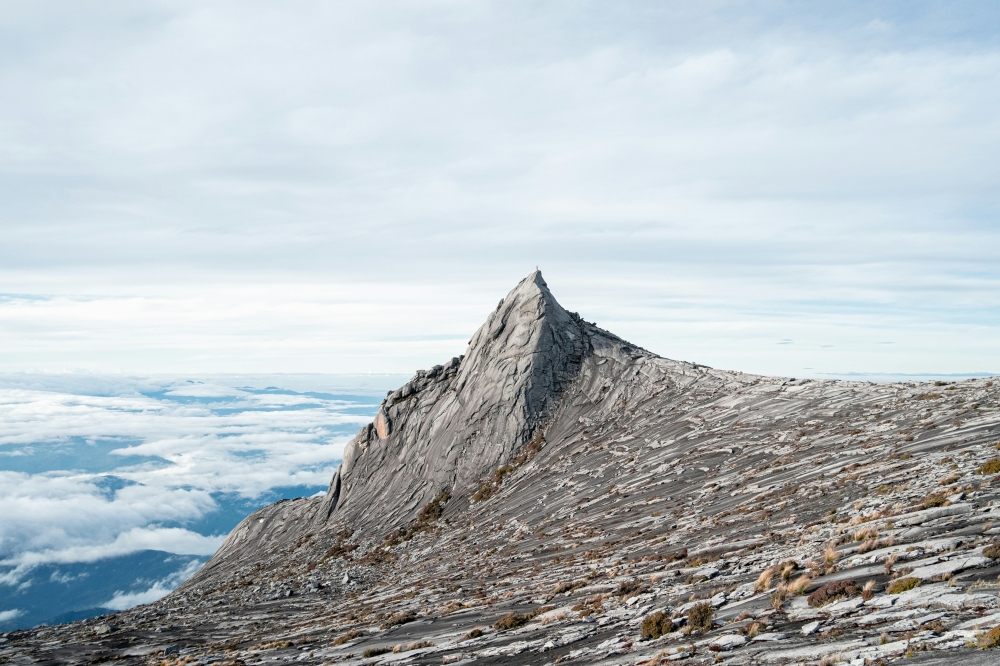
Mount Kinabalu, also known as Aki Nabalu, is Sabah's highest peak at 4,095 metres and holds deep cultural and spiritual significance for indigenous communities, particularly the Kadazandusun.
Every year, locals hold sacred rituals to honour the mountain spirits, seek permission and protection, and ensure the safety and well-being of climbers.
Kinabalu Park was inscribed as a Unesco World Heritage Site in 2000 for its exceptional biodiversity, including thousands of plant species and a wide range of habitats.
Zahid denies trying to sabotage govt, says he has documents on cancelled rural projects
KL steps up drainage checks ahead of rainy season to prevent flash floods, says Hannah Yeoh
MCMC opens probe into Facebook post allegedly insulting Sultan of Selangor
哥打基纳巴卢,11 月 3 日讯——京那巴鲁山高海拔训练中心的建设正在接受审查,原住民团体和旅游业利益相关者质疑其环境影响、审批流程以及是否与该山有传统联系的社区进行了充分磋商。
这场争议大约在 10 月 30 日出现,当时一些照片在社交媒体上流传,照片显示萨亚特-萨亚特附近有建筑物和明显的钻探活动,这引发了人们呼吁当局澄清这项工作的性质和目的。
这些照片引发了对缺乏透明度的批评,其中包括昆达山旅游文化协会主席拿督贾皮里尔·苏海明的批评,他呼吁对该项目的位置、范围和审批情况,以及其对水源、土壤稳定性和生物多样性的潜在影响进行调查。
Bundu Tuhan 村遗产和文化负责人 Adrian Soros 还质疑是否咨询了与这座山有传统联系的社区,称许多村民并不知道这项建设。
他对在山上钻探表示担忧,称这违背了当地的传统信仰,他还对保护当地水源和处理高海拔地区的人类排泄物表示担忧。
旅游、文化和环境部长拿督贾夫里·阿里芬随后发表声明称,该项目并非新项目,最初于 2015 年在京那巴鲁公园发展计划中提出。
他说,该项目已获得沙巴公园理事会的批准和京那巴鲁山原住民习俗咨询委员会的支持。
“HATC 最初是在 2015 年的京那巴鲁公园发展计划中提出的,但由于当年京那巴鲁山发生地震,其实施被推迟了。
“该计划随后于 2025 年重新启动并正式启动,这是沙巴州为实现旅游产品多元化并巩固其作为国际公认的登山目的地地位而做出的努力的一部分,”他说。
新的开发项目将提供基本住宿和专门设施,以支持高海拔训练和登山活动。
贾弗里表示,该中心旨在为准备前往乞力马扎罗山、阿空加瓜山和珠穆朗玛峰等高海拔地区探险的登山者提供服务,包括提供高原适应、技术培训和熟悉专业登山设备的设施。
他表示,施工过程中采用了轻质、预制和模块化的建筑材料,以最大限度地减少对环境的干扰,并且这些结构的设计能够承受高海拔地区的强风和恶劣天气条件。
考虑到山区的脆弱自然环境,施工方法也避免使用重型机械。
贾弗里表示,该项目的批准和实施必须尊重京那巴鲁山对土著社区的文化和精神意义,这一点体现在土著习俗咨询委员会的参与上。
不过,部长强调,该批准并不免除该项目遵守既定条件、技术规范和环境法规的义务。
“我们非常重视公众提出的关切。该部将考虑进行全面调查,以确定所有已批准的规范、环境保护措施和监管条件是否都得到了全面遵守。”
他说:“如果查明存在任何违规行为,该部将毫不犹豫地依法采取必要的执法措施。”
然而,尽管他发表了声明,达雅克国际组织(DIO)今天仍呼吁停止该地点的所有建设、钻探和安装工作,并声称该开发项目违反了受《联合国土著人民权利宣言》(UNDRIP)保护的土著习惯法。
其联合国代表拿督佩丁吉·安德鲁·安布罗斯·阿塔玛·卡塔玛质疑使用京那巴鲁山原住民习俗咨询委员会来认可该项目的做法,称这并不能取代获得社区(特别是卡达山杜顺族和莫莫贡族)同意的必要性。
安德鲁将阿基·纳巴鲁描述为神圣的活体和祖先宝库,而不是为国家创造收入的商业资产。
DIO 还呼吁进行独立的环境审计,包括评估废水对当地集水区的影响,并表示将在联合国土著问题常设论坛和联合国教科文组织全球地质公园网络中提出此事。
京那巴鲁山,又名阿基纳巴鲁山,是沙巴州的最高峰,海拔 4,095 米,对土著社区,特别是卡达山杜顺族,具有深厚的文化和精神意义。
每年,当地居民都会举行神圣的仪式来祭祀山神,寻求许可和保护,并确保登山者的安全和福祉。
京那巴鲁公园因其非凡的生物多样性,包括数千种植物和各种各样的栖息地,于 2000 年被联合国教科文组织列为世界遗产。
扎希德否认试图破坏政府,称他掌握有关已取消的农村项目的文件。
汉娜·杨表示,吉隆坡在雨季来临前加强排水检查,以防止突发洪水。
马来西亚通讯及多媒体委员会(MCMC)对涉嫌侮辱雪兰莪苏丹的脸书帖子展开调查