At least 20% more visits to hospitals and polyclinics from start of haze in Sept to mid-October从9月开始出现雾霾到10月中旬,医院和综合诊所的就诊量至少增加了20%。
Singapore haze causes 20% more hospital and polyclinic visits as subsidy scheme helps over 113,000 people. Read more at straitstimes.com.
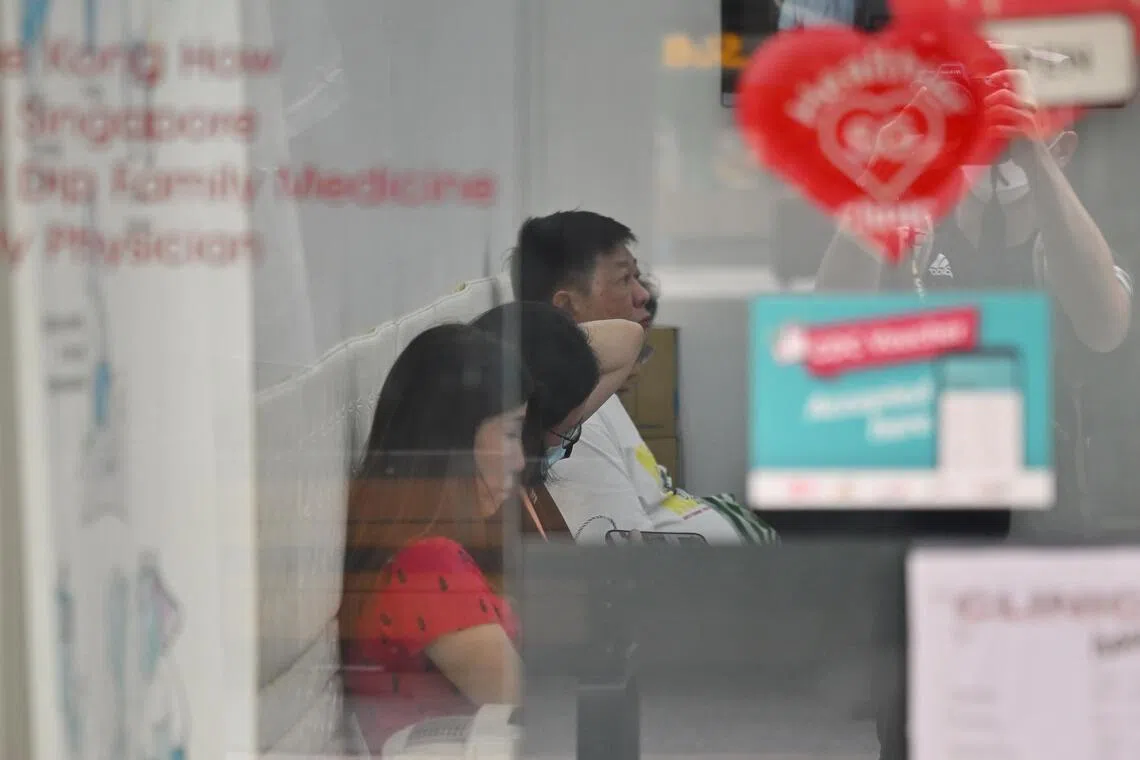
The haze situation had led to more patients visiting private clinics, polyclinics as well as the emergency departments in hospitals.
ST PHOTO: KUA CHEE SIONG
Published Nov 03, 2026, 08:56 PM
Updated Nov 03, 2026, 09:00 PM
Hospitals and polyclinics saw about 20% more visits in early haze, with emergency attendances rising from 360 to 440 a day and polyclinic visits from 4,000 to 5,000.
Over 113,000 people used the haze subsidy scheme from Oct 12 to Oct 24. Eligible citizens paid no more than $10 for haze-related treatment.
The Health Ministry said demand fell after subsidies began. Doctors will support patients with breathing problems, but MOH does not track haze healthcare costs separately.
SINGAPORE – Hospitals’ emergency departments (EDs) and polyclinics received 20% and 25% more visits respectively for conditions potentially related to the haze from the start of September to mid-October.
An average of about 440 attendances were recorded at the EDs each day as at mid-October.
This marked an increase of about 20% from the daily average of 360 attendances in early September, Health Minister Ong Ye Kung said in a written parliamentary reply on Nov 3.
At polyclinics, the average daily attendances increased from about 4,000 to 5,000 across the same time period.
Ong also said the largest increase was observed among adults aged 18 to 64.
On Sept 4, the 24-hour Pollutant Standards Index (PSI) entered the unhealthy range for the first time in 2026, with a reading of 101 in the central region.
Separately, more than 113,000 people had benefited from the haze subsidy scheme between Oct 12 and 24.
Under the scheme , eligible Singapore citizens have to pay no more than $10 for treatment of haze-related ailments at more than 1,300 private general practitioner (GP) clinics.
Over 72,000 visits were recorded at private GP clinics participating in the scheme, and over 41,000 visits were logged at the polyclinics, said Ong in a written reply in response to Liang Eng Hwa (Bukit Panjang).
The number of people who benefited under the scheme is likely to be higher, as not all clinics have completed the submission of claims.
For visits to participating GP clinics under the Public Health Preparedness Clinic (PHPC) scheme, patients pay no more than $10 if they are children aged 18 and below, elderly citizens aged at least 65, and if they hold CHAS blue and orange cards or Medical Fee Exemption Cards.
Hamid Razak (West-Coast-Jurong West GRC) asked if subsidy can be extended to those who do not belong to the two age groups but have chronic respiratory conditions and are not on any government assistance schemes.
Ong replied that the subsidies at private GP clinics are targeted at those with greater need. For citizens aged 19 to 64 without the relevant cards, they may receive the haze subsidy scheme subsidies when seeking treatment at polyclinics.
There is currently limited evidence of long-term health effects from periodic haze exposure in Singapore, and doctors will provide additional support to those with pre-existing respiratory conditions, the minister also said.
Such support includes engaging patients on appropriate action plans for managing exacerbations, adjustment of medications, stepping up therapy where clinically appropriate, and reinforcing medication adherence.
The doctors will also remind patients to ensure an adequate supply of their medications and keep their inhalers with them at all times.
Ong was responding to questions from Joan Pereira (Tanjong Pagar GRC) and He Ting Ru (Sengkang GRC).
The Sengkang GRC MP also asked if the Health Ministry would be publishing estimates of healthcare costs arising from the haze.
MOH does not specifically track healthcare costs directly attributable to haze, Ong said.
He added that it was difficult to distinguish between respiratory conditions caused directly by the haze and those with other causes, “especially since we are also undergoing an influenza season at this time of the year”.
Singapore Parliament
雾霾天气导致更多患者前往私人诊所、综合诊所和医院急诊科就诊。
《海峡时报》摄影:郭志雄
发布于 2026 年 11 月 3 日晚上 8:56
更新于2026年11月3日晚上9点
雾霾初期,医院和综合诊所的就诊量增加了约 20%,急诊就诊量从每天 360 人次增加到 440 人次,综合诊所就诊量从每天 4000 人次增加到 5000 人次。
从 10 月 12 日至 10 月 24 日,超过 113,000 人使用了雾霾补贴计划。符合条件的公民支付的雾霾相关治疗费用不超过 10 美元。
卫生部表示,补贴政策实施后,需求有所下降。医生会为呼吸困难的患者提供帮助,但卫生部并未单独统计雾霾相关的医疗费用。
新加坡——从 9 月初到 10 月中旬,医院急诊科和综合诊所接诊的可能与雾霾有关的疾病患者分别增加了 20% 和 25%。
截至 10 月中旬,急诊科平均每天接诊约 440 人次。
卫生部长王乙康在11月3日的一份书面国会答复中表示,这比9月初的日均360人次增加了约20%。
在同一时期,综合诊所的日均就诊量从约 4,000 人次增加到 5,000 人次。
Ong还表示,增幅最大的是18至64岁的成年人。
9 月 4 日,24 小时污染物标准指数 (PSI) 进入 2026 年不健康范围,中部地区读数为 101。
另外,10 月 12 日至 24 日期间,超过 113,000 人受益于雾霾补贴计划。
根据该计划,符合条件的新加坡公民在超过 1300 家私人全科医生诊所治疗与雾霾相关的疾病,只需支付不超过 10 美元。
王在回复梁英华(武吉班让)的书面答复中表示,参与该计划的私人全科诊所记录了超过 72,000 次就诊,综合诊所记录了超过 41,000 次就诊。
该计划的受益人数可能更高,因为并非所有诊所都已完成索赔提交。
对于参加公共卫生准备诊所 (PHPC) 计划的全科医生诊所的患者,如果是 18 岁及以下的儿童、65 岁及以上的老年公民,以及持有 CHAS 蓝色和橙色卡或医疗费用豁免卡的患者,则支付的费用不超过 10 美元。
哈米德·拉扎克(西海岸-裕廊西集选区)询问,补贴是否可以扩大到那些不属于这两个年龄组但患有慢性呼吸系统疾病且未获得任何政府援助计划的人。
王先生回应说,私立全科诊所的补贴主要针对有更大需求的群体。对于19至64岁且没有相关卡的公民,他们在综合诊疗所就诊时可以领取雾霾补贴计划的补贴。
部长还表示,目前尚无充分证据表明新加坡周期性雾霾会对健康造成长期影响,医生将为已有呼吸系统疾病的人提供额外支持。
此类支持包括让患者参与适当的行动计划,以应对病情加重、调整药物、在临床上适当时加强治疗,以及加强药物依从性。
医生还会提醒患者确保备有足够的药物,并随时携带吸入器。
王先生是在回答琼·佩雷拉(丹戎巴葛集选区)和何婷茹(盛港集选区)的提问时做出上述表态的。
盛港集选区议员还询问卫生部是否会公布雾霾造成的医疗保健成本估算。
Ong表示,卫生部并未专门追踪直接由雾霾造成的医疗保健费用。
他还补充说,很难区分是由雾霾直接引起的呼吸系统疾病和其他原因引起的呼吸系统疾病,“尤其是在每年的这个时候,我们还正经历着流感季节”。
新加坡国会