What It’s Really Like Piloting Private Jets For The Rich And Famous为富豪名流驾驶私人飞机究竟是怎样的体验?
Sometimes bad weather or a short runway isn't the biggest challenge, it is the cargo of VIPs you are carrying in the cabin.
Updated Nov 27, 2020 6:05 PM EST
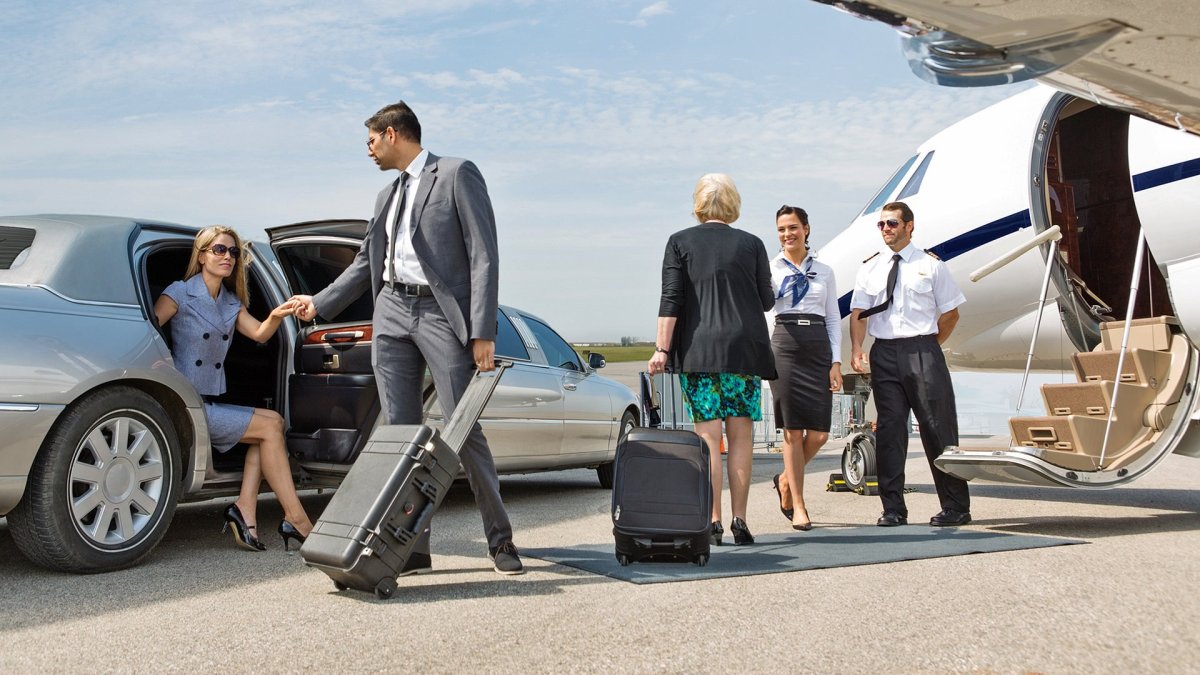
Flying privately owned aircraft gives pilots a unique lifestyle within the spectrum of aviation jobs. The set of challenges they face can be very different from those of flying airliners. Among the greatest challenges is passenger behavior. In a short period of time, pilots are all but guaranteed to experience some of the wildest interactions and witness some of the craziest behavior of their lives. Unlike on an airliner, these are not passengers boarding a flying bus usually for the lowest fare possible. They are by their very nature highly demanding VIPs that come with a whole different set of unique pitfalls and maddening roadblocks.
Within the realm of flying private there is flying for charter, sanctioned under 14 CFR FAR Part 135 , and flying for an aircraft owner directly, which falls under 14 CFR FAR Part 91 . All general aviation that is not operated for hire is conducted within the rules of Part 91. Whether the aircraft you’re flying is a Piper Cub or a 747-8i , if the flight is not being conducted for hire or compensation, it’s a Part 91 flight. Charter flights are private flights where an individual or organization is paying to be flown in an aircraft they don’t own.
A Gulfstream business jet takes the sky from Aspen’s high-altitude airport. , AP
My experience is exclusively Part 91, in a variety of aircraft that has included small piston aircraft, turboprops, and jets. The size of most privately owned aircraft means there is no flight attendant. The pilot or pilots are often the sole steward and liaison for their passengers’ and owner’s experience. Most turboprops and light jets are certified for operations with a single, appropriately rated pilot, leaving that one pilot responsible for everything.
Everything means everything . Safety of flight, flight planning and flight plan filing, passenger comfort, and often travel accommodations. Every pilot in Part 91 and 135 aviation sets out to provide the best travel experience possible. If they can’t provide that, the motivation to fly private goes away.
Do you need a picture for Instagram to brag that you flew on a private jet? Pilots are happy to help. Special meal or drink requests? Sure. $100 bottles of whiskey pale in comparison to the multi-thousand dollar fuel bill for a short trip to a sports game for the day.
Passenger reactions range from humble and thankful to taking advantage of the situation and behaving in ways that would get them thrown off an airline flight and potentially even arrested.
I’ve conducted flights on which passengers brought their own alcohol and became so inebriated they were screaming in the center aisle and ripping their clothes off—one in particular on the runway after landing in Las Vegas.
Most airline pilots can’t say they have had to corral and manage a drunken passenger after shutdown to prevent them from running down the flightline while waiting for ground transportation. Less than two hours later I was notified that this passenger had another outburst. As a result, they had been detained, threatened with charges, and banned from the casino at which his group was staying. Being sober, my help was sought in mitigating the fallout and begging the casino to reverse the ban to save the trip as planned.
Most pilots who fly charter and Part 91 have celebrity stories. In almost all cases it is important for the industry to respect privacy. If a company or pilots were to provide tabloid media with pictures or information about the habits of celebrities it would be bad for business. Still, among friends and associates, stories inevitably get out. The proliferation of online industry forums doesn’t help, but most pilots remain tight-lipped in the public domain about their passengers.
On private forums many years after the fact, flight crew members attested to their experiences as explosive tabloid stories broke regarding Britney Spears’ mental breakdown. They were called to the jet earlier than expected for an expedited departure and were shocked to see her arrive with a shaved head. Her entourage was eager to get her out of the public eye.
All is not as it seems. Before negative news broke about Bill Cosby, a close friend related his experience having flown him. At the time Mr. Cosby’s public image was still that of a gentleman—”America’s dad.” My friend was taken aback by his aggressive demeanor and generally poor treatment of the entire flight crew.
On a charter trip out of Van Nuys, a well-known actress calmly sat for an entire flight while her children scratched, cut, and drew on the entire interior of a large private jet. The cost to refurbish the interior of a cabin aircraft ranges greatly in price. In this case, the damages were over $250,000. She was sent a bill by the operator, but she refused to pay it. Litigation was determined to have the potential to have a negative impact on that charter company’s reputation for celebrity service in the Los Angeles area. The matter was not pursued and the charter company was never compensated.
The CEO of a major restaurant company chartered a private jet for the extremely short flight from Aspen to Denver. His family smeared mud and pizza sauce everywhere. No, the pizza wasn’t from his chain and the cleaning bill was $2,100 dollars.
Lade Gaga exits a Gulfstream—while celebrity private air travel gets the most attention, thousands of wealthy families and corporations own private aircraft or leverage private air travel. Many of these people are used to getting what they want when they want it. As such, it can be challenging to balance demands versus reality and flight safety while also keeping the guest satisfied. , AP
With no gate agent to cover for them, pilots of private aircraft also bear the burden of relating news of maintenance and weather delays to passengers. Experienced passengers recognize their flight would most often be canceled had they been traveling by airline. Flying private affords the luxury of adjusting departure and arrival times within the passengers’ schedule to mitigate weather that would otherwise prohibit flight. On rare occasions, the passengers, accustomed to getting anything and everything they want at a moment’s notice, rage at their pilots about being inconvenienced.
I’ve flown through weather conditions on descent that made passengers queasy. Getting assigned holding during inclement weather, which is flying a racetrack pattern in a specific place for the purpose of maintaining arrival sequence and separation, can usually make at least one passenger feel less than optimal. For passengers, holding and significant turbulence with no visual horizon reference is a combination that can take down the best of them.
On one occasion flying into Hillsboro in Oregon, this exact scenario made every passenger miserable. My flight plan was carefully timed to arrive after a line of storms and before the next one was due to arrive. Pilots will tell you a thunderstorm can contain almost every significant meteorological weather hazard. When the passengers were ready to depart, a line of thunderstorms was directly over the top of the airport. The lead passenger, still sick from our arrival, was livid that I delayed our departure, even after it was explained that what we experienced on the way in pales in comparison to what we would experience with an immediate departure. Every pilot in command is the sole decision-maker and bears 100 percent of the responsibility for the safety of flight. The pilot of a privately operated flight is the focal point of the owner’s and passenger’s anger for being inconvenienced.
The convenience of private air travel is like nothing else, but it comes at a high cost and those paying the bill expect far more than a seat on an airplane., Hugo3055 via Wikicommons
Just as a decision to fly an aircraft requires research and forethought that is put to the test when you go fly, a decision to delay departure for maintenance or weather is frequently put to the test by your passengers. When your passengers are unhappy, and one of them pays your salary, it feels like your job is on the line, and it very well could be. They don’t teach you in flight school how to navigate situations like this. You learn from both experience and other pilots to stay calm and professional while being ready to explain and back up your decision. It’s not easy to keep your cool if someone is yelling at you. You have to remind yourself how clueless they are, and that you’re their liaison to safe flight.
The fact of the matter is that a pilot might be one of the only people in a jet owner’s life to tell them no. The wealthiest among us are used to getting their way. I’ve seen extreme tantrums and even threats. If a passenger applies extreme pressure to a pilot in an effort to assert their will, and the flight results in a weather-related accident or crash, it’s never the passenger’s fault. It’s the pilot’s fault.
It’s certainly isn’t all bad, but every trip is unique and every pilot in private aviation has a wild story or two. Most have many. For instance, private aviation may be the only sector where the passengers are in a position to request a low altitude flight. Reasons include seeing their property from the air or impressing their friends with jet noise, which can be underwhelming in quiet late-model jets.
A Cessna Citation CJ4 business jet., Cessna Citation/Textron
Within the confines of Federal Aviation Regulations, which generally prohibit flight under 1,000 feet of the surface and faster than 250 knots, you can still have a great time. Parks and wildlife preserves are off-limits too. Passengers accustomed to flight at 45,000 feet, and higher in some cases, are thrilled by a ten-mile run over their ranch at 1,500 feet and 200 knots.
The future of airline flying as we knew it is uncertain, but in late 2020, the use of private aircraft is skyrocketing. Business for charter operations is booming. I have personally always found private aviation to be the most intriguing kind of flying, and my experiences participating in it were never dull.
The author is a United States Air Force veteran and 5,000 hour Airline Transport Pilot and Commercial Helicopter Pilot, type rated in private jets and with over a decade’s experience managing and flying private aircraft. He has a wide breadth of experience in aviation, having flown people from all backgrounds into and out of everything from small mountain airstrips to large international airports.
Contact the editor: Tyler@thedrive.com
Comments couldn’t be loaded. Please refresh the page.
更新于美国东部时间2020年11月27日下午6:05
驾驶私人飞机赋予飞行员一种独特的航空生活方式。他们面临的挑战与驾驶民航客机截然不同。其中最大的挑战之一便是乘客的行为。在短时间内,飞行员几乎肯定会经历一些最疯狂的互动,目睹一些最匪夷所思的行为。与民航客机上的乘客不同,这些乘客并非乘坐廉价巴士,而是高要求的贵宾,他们会带来一系列独特的陷阱和令人抓狂的障碍。
在私人飞行领域,飞行分为包机飞行(受《联邦航空条例》第14章第135部分管辖)和直接为飞机所有者飞行(受《联邦航空条例》第14章第91部分管辖)。所有非营利性通用航空飞行均适用第91部分的规定。无论您驾驶的是Piper Cub还是747-8i,只要飞行不是为了营利或获得报酬,就属于第91部分规定的飞行。包机飞行是指个人或组织付费乘坐其不拥有的飞机进行的私人飞行。
一架湾流公务机从阿斯彭的高海拔机场起飞。(美联社)
我的经验仅限于联邦航空条例第91部规定的飞行,驾驶过各种类型的飞机,包括小型活塞式飞机、涡轮螺旋桨飞机和喷气式飞机。大多数私人飞机的体积较小,因此没有乘务员。飞行员通常是乘客和机主体验的唯一管家和联络人。大多数涡轮螺旋桨飞机和轻型喷气式飞机都经过认证,只需一名持有相应资质的飞行员即可运行,这意味着该飞行员要对所有事情负责。
一切都至关重要。飞行安全、飞行计划和飞行计划提交、乘客舒适度,以及通常情况下,旅行住宿。每一位在第91部和第135部航空法规下执飞的飞行员都力求提供最佳的旅行体验。如果他们无法做到这一点,那么驾驶私人飞机的动力就会消失。
想在 Instagram 上炫耀一下自己乘坐私人飞机的经历吗?飞行员很乐意帮忙。有特殊的餐饮要求?没问题。不过,相比于去看一场体育比赛的短途飞行可能要花费数千美元的燃油费,100 美元一瓶的威士忌简直不值一提。
乘客们的反应各不相同,有的谦卑感激,有的则趁机作恶,做出一些会被航空公司赶下飞机甚至被逮捕的行为。
我曾执飞过一些航班,机上乘客自带酒水,结果喝得酩酊大醉,在过道中央大声尖叫,甚至撕扯自己的衣服——其中一位乘客在拉斯维加斯降落后,还在跑道上这么做。
大多数航空公司飞行员都不会说自己曾在飞机停稳后不得不控制住醉酒乘客,防止他们在等待地面交通工具时沿着跑道乱跑。不到两小时后,我接到通知,这名乘客再次失控。结果,他被拘留,面临指控,并被禁止进入他一行人下榻的赌场。由于我当时清醒,所以他们寻求我的帮助,以减轻事态的影响,并恳求赌场撤销禁令,以确保行程能够按计划进行。
大多数执飞包机和91部航班的飞行员都有与名人打交道的经历。在几乎所有情况下,尊重隐私对航空业都至关重要。如果公司或飞行员向小报媒体提供名人的照片或生活习惯等信息,将会对业务造成不利影响。然而,在朋友和同事之间,这些故事难免会流传开来。行业论坛的激增也加剧了这种情况,但大多数飞行员在公共场合对乘客的隐私仍然守口如瓶。
多年后,在一些私人论坛上,机组人员讲述了他们在布兰妮·斯皮尔斯精神崩溃的爆炸性小报报道曝光后的经历。他们被提前召集到飞机上,要求加快起飞速度,却震惊地发现她剃了光头。她的随行人员急于让她从公众视野中消失。
事情并非表面看起来那样。在比尔·科斯比的负面新闻曝光之前,一位好友讲述了他曾乘坐科斯比飞机的经历。当时,科斯比先生的公众形象依然是一位绅士——“美国之父”。然而,我的朋友却被他咄咄逼人的态度以及对整个机组人员的恶劣对待所震惊。
在一次从范奈斯出发的包机飞行中,一位知名女演员全程平静地坐在座位上,而她的孩子们则在一架大型私人飞机的整个内部空间里肆意涂鸦、剪裁和绘画。翻新客舱内部的费用差异很大。在本案中,损失超过25万美元。航空公司给她寄来了账单,但她拒绝支付。经评估,诉讼可能会对这家包机公司在洛杉矶地区为名人提供服务的声誉造成负面影响。因此,此事最终没有继续追究,包机公司也从未获得任何赔偿。
一家大型餐饮公司的首席执行官包了一架私人飞机,从阿斯彭飞往丹佛的航程非常短。他的家人把泥巴和披萨酱弄得到处都是。不,披萨不是他旗下连锁店的,而清洁费高达2100美元。
Lady Gaga走下湾流飞机——虽然名人私人航空旅行最受关注,但成千上万的富裕家庭和企业也拥有私人飞机或使用私人航空旅行服务。这些人习惯于随心所欲。因此,如何在满足乘客需求的同时兼顾现实情况和飞行安全,并让乘客满意,就成了一项挑战。(美联社)
由于没有登机口工作人员代为处理,私人飞机的飞行员还要承担向乘客传达飞机维护和天气延误信息的重任。经验丰富的乘客都知道,如果乘坐的是航空公司航班,他们的航班很可能会被取消。乘坐私人飞机的优势在于可以根据乘客的行程安排调整起飞和到达时间,以避开那些原本会阻碍飞行的天气因素。极少数情况下,习惯了随时满足一切需求的乘客会因为航班延误而对飞行员大发雷霆。
我曾在下降过程中遇到过令乘客感到恶心的恶劣天气。在恶劣天气下被安排盘旋等待,也就是为了保持进场顺序和间隔而在特定区域进行绕圈飞行,通常至少会让一名乘客感到不适。对于乘客来说,盘旋等待加上强烈的湍流,而且没有目视地平线参照物,这种组合足以让最沉着冷静的人也感到不适。
有一次飞往俄勒冈州希尔斯伯勒的航班上,就发生了这样的事,让所有乘客都苦不堪言。我的飞行计划经过精心安排,确保在上一波雷暴过后、下一波雷暴到来之前抵达。飞行员会告诉你,一场雷暴几乎包含了所有重要的气象灾害。当乘客们准备起飞时,一波雷暴正位于机场上空。领头的乘客因为抵达时身体不适,仍然对我延误起飞感到非常愤怒,即使我解释说,我们来时遇到的情况与立即起飞的情况相比简直微不足道。每位机长都是唯一的决策者,对飞行安全负有100%的责任。私人运营航班的飞行员,会成为机主和乘客因航班延误而发泄不满的焦点。
私人航空旅行的便利性无可比拟,但代价高昂,而支付这笔费用的人所期望的远不止是一个飞机座位。(图片来自维基共享资源 Hugo3055)
就像决定驾驶飞机需要事先进行研究和深思熟虑,并在实际飞行中接受检验一样,因维护或天气原因推迟起飞的决定也常常会受到乘客的考验。当乘客不满意时,尤其是当其中一位乘客支付你的薪水时,你会感觉自己的工作岌岌可危,而事实也的确如此。飞行学校不会教你如何应对这种情况。你需要从经验和其他飞行员身上学习如何保持冷静和专业,同时随时准备解释和支持你的决定。如果有人对你大喊大叫,保持冷静并不容易。你必须提醒自己,他们对此一无所知,而你是他们安全飞行的保障。
事实是,飞行员可能是私人飞机拥有者生活中唯一会对他们说“不”的人。最富有的人习惯于随心所欲。我见过他们大发雷霆,甚至发出威胁。如果乘客为了维护自己的意愿而对飞行员施加巨大压力,导致飞行事故或坠机,那绝不是乘客的错,而是飞行员的错。
当然,私人航空并非全是坏事,但每次飞行都是独一无二的,每位私人航空飞行员都有一两个奇闻轶事。大多数人甚至有很多这样的故事。例如,私人航空可能是唯一一个乘客可以要求低空飞行的行业。乘客提出的理由包括从空中俯瞰自己的房产,或者用喷气式飞机的轰鸣声给朋友们留下深刻印象——当然,对于安静的新型喷气式飞机来说,低空飞行可能并不那么令人兴奋。
一架塞斯纳奖状CJ4公务机,塞斯纳奖状/德事隆公司
在联邦航空条例的约束下(通常禁止低于地面1000英尺且速度超过250节的飞行),您仍然可以享受飞行的乐趣。公园和野生动物保护区也禁止飞行。习惯于在45000英尺甚至更高高度飞行的乘客,会为在自家牧场上空以1500英尺的高度和200节的速度飞行10英里而感到兴奋不已。
我们所熟知的航空旅行模式未来充满不确定性,但在2020年末,私人飞机的使用量却呈爆炸式增长。包机业务蓬勃发展。我个人一直觉得私人航空是最引人入胜的飞行方式,而我的每次体验都精彩纷呈。
作者是美国空军退伍军人,拥有5000小时的航线运输飞行员和商用直升机飞行员执照,持有私人飞机机型等级,并拥有十余年的私人飞机管理和飞行经验。他在航空领域经验丰富,曾驾驶飞机搭载来自各行各业的乘客往返于各种机场,从小型山区简易机场到大型国际机场。
联系编辑:Tyler@thedrive.com
评论加载失败,请刷新页面。