Serbia cancels Russian arms deals amid Ukraine war, Western sanctions塞尔维亚在乌克兰战争和西方制裁之际取消了与俄罗斯的武器交易。
As international sanctions continue to pressure Moscow, Belgrade is shopping for military gear elsewhere, including in Israel, China and Europe.
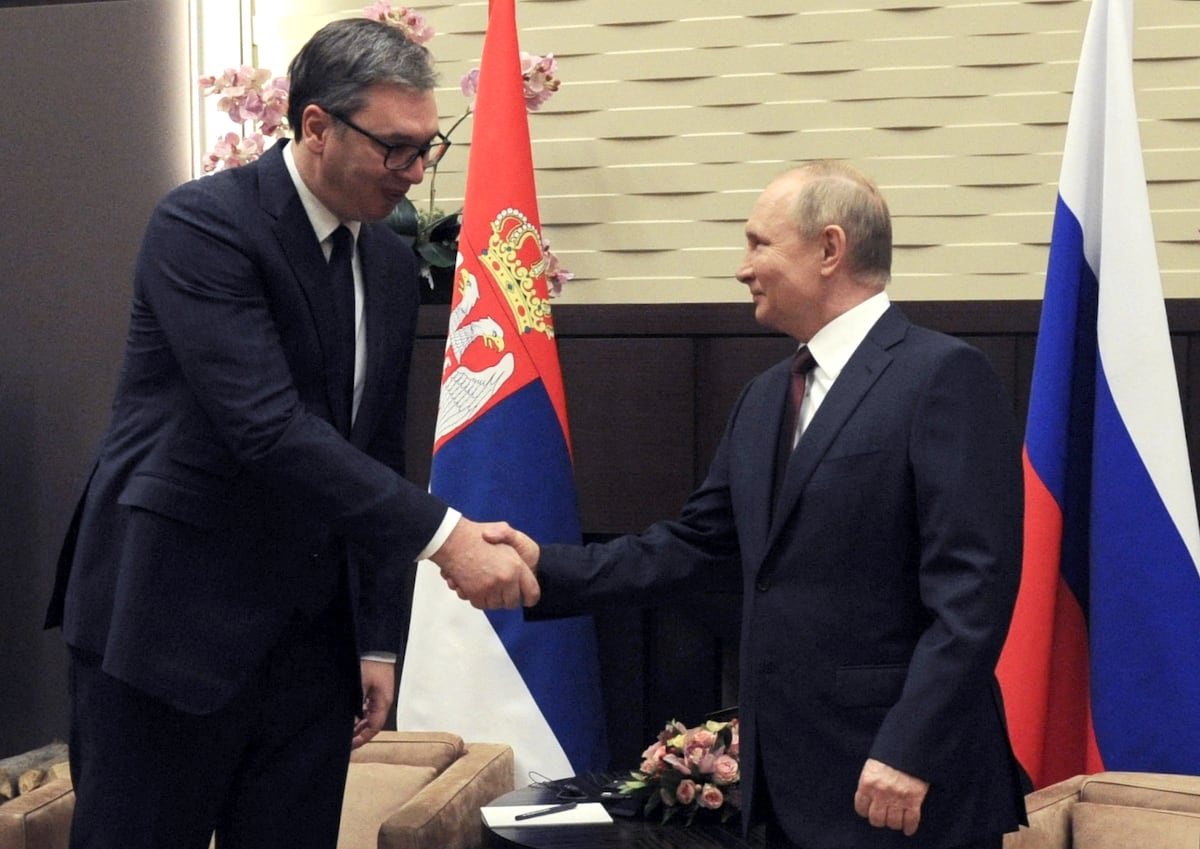
WARSAW, Poland — Serbia, one of Moscow’s staunchest allies in Europe, has been forced to cancel a number of contracts to purchase Russian weapons, according to Gen. Milan Mojsilović, the chief of the General Staff of the Serbian Armed Forces.
As international sanctions continue to pressure Moscow, Belgrade is now shopping for military gear in other countries, such as Israel and China, but also in the West.
“When it comes to weapon deliveries from the Russian Federation, they are currently practically impossible. We are trying to find a way through diplomatic channels to overcome the newly created situation,” Mojsilović told local daily Večernje Novosti.
“We have terminated some contracts, and postponed some in the hope that the situation in international relations at global level will normalize and allow the implementation of the contracts,” Mojsilović said, indirectly referring to the war in Ukraine and the resulting sanctions on Russia.
The general did not specify what types of weapons were covered by the deals Belgrade decided to scrap or delay.
At the same time, Serbia’s military has “found a way to ensure a sustainable and flexible system of supplying spare parts and maintaining military equipment, even under the conditions of sanctions against Moscow” for its existing stocks of Soviet- and Russia-designed equipment, the general said.
While remaining outside NATO and pursuing a policy of military neutrality, Serbia has expressed interest in joining the European Union. In October 2024, Serbian President Aleksandar Vučić stated his country was determined to “accelerate” its efforts to become an EU member state. This nuanced policy towards the West has pushed Belgrade to distance itself from Russia’s defense industry, all while awarding major military contracts to European companies. These include Serbia’s purchase of 12 Rafale fighter jets from France.
Meanwhile, the Serbian government is also advancing military collaboration with Israel. In November 2024, Israel’s Elbit Systems announced that it was awarded deals worth around $335 million to deliver PULS rocket artillery systems and Hermes 900 drones to an unnamed European client. Earlier this month, Israeli daily Haaretz reported those contracts came from Serbia, whose industry supplies ammunition to the Israel Defense Forces.
At the same time, the Serbian authorities are investing in developing their ties with China. Belgrade recently announced the Chinese-made FK-3 air defense systems are now in service with the country’s Air Force.
Jaroslaw Adamowski is the Poland correspondent for Defense News.
波兰华沙——据塞尔维亚武装部队总参谋长米兰·莫伊西洛维奇将军称,塞尔维亚是莫斯科在欧洲最坚定的盟友之一,但已被迫取消多项购买俄罗斯武器的合同。
随着国际制裁继续向莫斯科施压,贝尔格莱德现在正从其他国家(如以色列和中国)以及西方国家购买军事装备。
“就目前从俄罗斯联邦获取武器而言,这几乎是不可能的。我们正试图通过外交渠道找到解决这一新局面的办法,”莫伊西洛维奇告诉当地日报《晚报》。
“我们已经终止了一些合同,并推迟了一些合同,希望全球国际关系形势能够正常化,从而允许合同的执行,”莫伊西洛维奇说道,他间接地提到了乌克兰战争以及由此对俄罗斯实施的制裁。
这位将军没有具体说明贝尔格莱德决定取消或推迟的协议涵盖哪些类型的武器。
这位将军表示,与此同时,塞尔维亚军方“找到了一种方法,即使在对莫斯科实施制裁的情况下,也能确保对其现有的苏联和俄罗斯设计的装备库存,建立可持续和灵活的备件供应和军事装备维护体系”。
尽管塞尔维亚不加入北约,并奉行军事中立政策,但它已表达了加入欧盟的意愿。2024年10月,塞尔维亚总统亚历山大·武契奇表示,塞尔维亚决心“加快”加入欧盟的步伐。这种对西方微妙的政策促使贝尔格莱德疏远俄罗斯国防工业,同时却将大量军事合同授予欧洲公司,其中包括塞尔维亚从法国购买12架“阵风”战斗机。
与此同时,塞尔维亚政府也在推进与以色列的军事合作。2024年11月,以色列埃尔比特系统公司宣布,已获得价值约3.35亿美元的合同,将向一家未透露名称的欧洲客户交付PULS火箭炮系统和赫尔墨斯900无人机。本月初,以色列《国土报》报道称,这些合同来自塞尔维亚,该国军工企业向以色列国防军供应弹药。
与此同时,塞尔维亚当局正致力于发展与中国的关系。贝尔格莱德近日宣布,中国制造的FK-3防空系统已在该国空军服役。
Jaroslaw Adamowski 是《防务新闻》驻波兰记者。