Gulf tensions escalate as Iran hits Kuwait, US strikes near Hormuz伊朗袭击科威特,美国在霍尔木兹附近发动空袭,海湾地区紧张局势升级
CENTCOM said it had carried out a new round of defensive strikes in southern Iran, while an Iranian drone attack on the Kuwait airport killed one person.
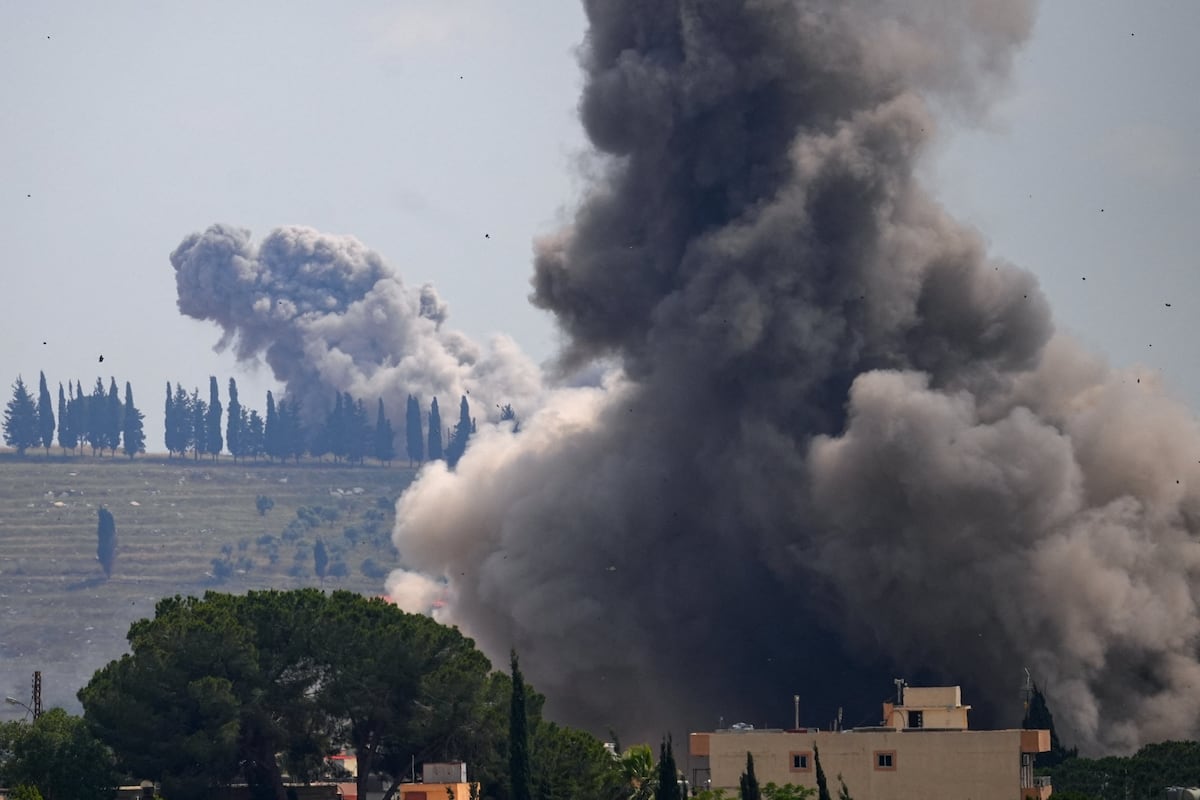
Gulf hostilities flared again on Wednesday as Iranian attacks on Kuwait damaged its airport and injured dozens while the U.S. military carried out strikes near the Strait of Hormuz, with diplomacy to halt the war showing little sign of progress.
The attacks are the latest to test a shaky ceasefire , sending oil prices up more than 2%, as the strait remains largely closed more than three months after the U.S. and Israel launched strikes on Iran.
Flights at Kuwait International Airport were suspended after an Iranian drone and missile attack damaged airport facilities and diplomatic missions, killing one person and injuring more than 60 others, according to Kuwaiti authorities and state media.
The civil aviation authority said Kuwait Airways and Jazeera Airways were resuming flights after taking safety measures.
Earlier, Iranian media reported that Iran’s elite Revolutionary Guards had attacked the headquarters of the U.S. Fifth Fleet in Bahrain and a U.S. airbase, as well as a vessel identified as Panaya. U.S. Central Command denied its bases had been hit and said Iranian ballistic missiles failed to strike their targets in the region.
CENTCOM said it had carried out a new round of “defensive strikes” in southern Iran, targeted missile launch sites and Iranian boats seeking to lay mines, and carried out strikes on Qeshm Island near the Strait of Hormuz after attempted Iranian attacks.
Ceasefire strained by flare-ups
Since the conflict began on February 28, Iran has repeatedly attacked targets in the Gulf region home to U.S. military bases, hitting civilian and military targets.
Hostilities have occasionally flared up in recent weeks despite a ceasefire agreed in early April, as the U.S. has pushed to reopen the Strait of Hormuz, a route that handled roughly a fifth of global oil and liquefied natural gas shipments before the war.
Debris lies on the floor as fire burns in the background in the aftermath of Iranian strikes on Kuwait International Airport in Kuwait City, Kuwait, on June 3, 2026. (Reuters)
Last week, Iran and the U.S. signaled progress towards a tentative initial agreement to halt the war and reopen the strait, but the two sides have yet to sign off on the deal, which would leave more complex negotiations for later.
Mohsen Rezaei, military adviser to Iran’s Supreme Leader Ayatollah Mojtaba Khamenei, said Iran would not allow the U.S. to “overreach” either in negotiations or ceasefire arrangements.
In a post on X, he warned that any aggression would be met with a barrage of missiles and drones.
Anwar Gargash, diplomatic adviser to the UAE president, said repeated attacks on Kuwait and Bahrain required a firm and cohesive Gulf response. “The aggression does not target one country alone, but all of us,” he wrote on X.
Uncertainty over course of talks
Since mid-March, President Donald Trump has repeatedly said he is close to a deal to end the fighting and pave the way for negotiations on thorny issues including the future of Iran’s nuclear program.
Tehran has conditioned a deal on an end to fighting in Lebanon. It also wants access to billions of dollars in oil revenues, waivers on sanctions on crude exports, a lifting of a U.S. blockade on its ports and continued leverage over the strait.
Trump, who is under pressure to bring down U.S. fuel prices while not making concessions to Iran, has said his top priority is to stop Iran from acquiring nuclear weapons. Iran says its atomic program is for peaceful purposes.
Trump has said negotiations are continuing, though Iran’s semi-official Tasnim news agency said on Wednesday that Iran had not responded to the U.S. in recent days and that exchanges of texts through intermediaries were suspended until Iran’s conditions on Lebanon are met.
In a podcast interview released on Wednesday, Trump said Iran had agreed to not have a nuclear weapon and that Khamenei was involved in negotiations. “They’ve already agreed they’re not going to have a nuclear weapon,” he said.
Israel Keeps up strikes on Lebanon
The war has killed thousands, mainly in Iran and Lebanon, while causing global economic pain by severely disrupting energy supplies and other shipping.
It also sparked the latest round of conflict between Israel and Iran-backed Lebanese militant group Hezbollah, with Israel pursuing its deepest incursion into Lebanon in 25 years.
A faulty interceptor missile launched by Israel’s Iron Dome anti-missile system disintegrating above southern Lebanon shortly after being launched on June 1, 2026. (Amir Cohen/Reuters)
On Wednesday, Israeli drone strikes killed at least six people in southern Lebanon and targeted a car just south of Beirut, Lebanese security sources said, while Israel said it intercepted a hostile aircraft likely fired by Hezbollah.
There was no immediate response from the Israeli military to Reuters questions about the drone strikes, but the attack on the car appeared to mark the closest attack to Beirut since Trump asked Israel not to hit the Lebanese capital, under a U.S.-mediated partial ceasefire announced on Monday.
In his podcast comments, Trump acknowledged having called Israeli Prime Minister Benjamin Netanyahu “crazy” in a reportedly expletive-filled phone exchange over the fighting in Lebanon as he sought a deal over the wider war.
“At some point I said, Bibi, we got to stop this. We got to stop it,” Trump said, referring to Netanyahu by his nickname.
周三,海湾地区的敌对行动再次爆发,伊朗袭击科威特,导致其机场受损,数十人受伤;与此同时,美国军方在霍尔木兹海峡附近发动空袭。旨在停止战争的外交努力几乎没有取得任何进展。
这些袭击事件是对脆弱的停火协议的最新考验,导致油价上涨超过 2%,因为在美以对伊朗发动袭击三个多月后,该海峡仍然基本处于关闭状态。
据科威特当局和国家媒体报道,伊朗无人机和导弹袭击破坏了科威特国际机场的设施和外交使团,造成一人死亡,60多人受伤,科威特国际机场的航班因此暂停。
民航局表示,科威特航空公司和半岛航空公司在采取安全措施后已恢复航班。
此前,伊朗媒体报道称,伊朗精锐部队革命卫队袭击了位于巴林的美国第五舰队总部、一处美国空军基地以及一艘名为“帕纳亚”号的船只。美国中央司令部否认其基地遭到袭击,并称伊朗弹道导弹未能击中该地区的目标。
美国中央司令部表示,已在伊朗南部进行了新一轮“防御性打击”,目标是导弹发射场和试图布雷的伊朗船只,并在伊朗企图发动袭击后,对霍尔木兹海峡附近的格什姆岛进行了打击。
停火协议因冲突复燃而紧张。
自2月28日冲突爆发以来,伊朗多次袭击海湾地区设有美国军事基地的目标,袭击目标包括平民目标和军事目标。
尽管4月初达成了停火协议,但最近几周敌对行动仍不时爆发,因为美国一直力图重新开放霍尔木兹海峡,这条航线在战前承担了全球约五分之一的石油和液化天然气运输量。
2026年6月3日,在科威特城,伊朗袭击科威特国际机场后,地面上散落着碎片,背景中大火熊熊燃烧。(路透社)
上周,伊朗和美国表示在达成一项旨在停止战争和重新开放海峡的初步协议方面取得了进展,但双方尚未签署该协议,这意味着更复杂的谈判将留待以后进行。
伊朗最高领袖阿亚图拉·穆杰塔巴·哈梅内伊的军事顾问穆赫辛·雷扎伊表示,伊朗不会允许美国在谈判或停火安排中“越权”。
他在 X 论坛上发帖警告说,任何侵略行为都将遭到导弹和无人机的猛烈攻击。
阿联酋总统外交顾问安瓦尔·加尔加什表示,科威特和巴林屡遭袭击,海湾国家必须做出坚定而协调一致的回应。他在X网站上写道:“这种侵略行为并非只针对一个国家,而是针对我们所有人。”
谈判进程存在不确定性
自3月中旬以来,唐纳德·特朗普总统多次表示,他即将达成一项协议,结束冲突,并为就包括伊朗核计划未来在内的棘手问题进行谈判铺平道路。
德黑兰将达成协议的条件设定为黎巴嫩停止战事。它还希望获得数十亿美元的石油收入、豁免原油出口制裁、解除美国对其港口的封锁,并继续对霍尔木兹海峡施加影响。
特朗普面临着降低美国燃油价格的压力,同时又不愿对伊朗做出让步。他表示,阻止伊朗获得核武器是他的首要任务。伊朗则声称其核计划是用于和平目的。
特朗普表示谈判仍在继续,但伊朗半官方的塔斯尼姆通讯社周三报道称,伊朗近日没有回应美国,通过中间人进行的短信交流已经暂停,直到伊朗提出的黎巴嫩问题条件得到满足。
特朗普在周三发布的一段播客采访中表示,伊朗已同意放弃核武器,哈梅内伊也参与了谈判。“他们已经同意不拥有核武器,”他说。
以色列持续空袭黎巴嫩
这场战争已造成数千人死亡,主要发生在伊朗和黎巴嫩,同时严重扰乱了能源供应和其他航运,给全球经济造成了痛苦。
这也引发了以色列与伊朗支持的黎巴嫩真主党武装组织之间的最新一轮冲突,以色列对黎巴嫩进行了 25 年来最深入的入侵。
2026年6月1日,以色列“铁穹”反导系统发射的一枚故障拦截导弹在黎巴嫩南部上空发射后不久解体。(Amir Cohen/路透社)
黎巴嫩安全部门消息人士称,周三,以色列无人机袭击黎巴嫩南部,造成至少六人死亡,并袭击了贝鲁特南部的一辆汽车。与此同时,以色列方面表示,他们拦截了一架敌对飞机,该飞机很可能是真主党发射的。
以色列军方尚未就路透社关于无人机袭击的问题作出回应,但此次对汽车的袭击似乎是自特朗普要求以色列根据周一宣布的由美国斡旋的部分停火协议不要袭击黎巴嫩首都以来,距离贝鲁特最近的一次袭击。
特朗普在播客节目中承认,他曾就黎巴嫩战事与以色列总理内塔尼亚胡进行过一次据称充满脏话的电话交谈,当时他正寻求就这场更广泛的战争达成协议。
“我曾说过,比比,我们必须阻止这一切。我们必须阻止这一切,”特朗普说,他用昵称指代内塔尼亚胡。